what are cable trays used for
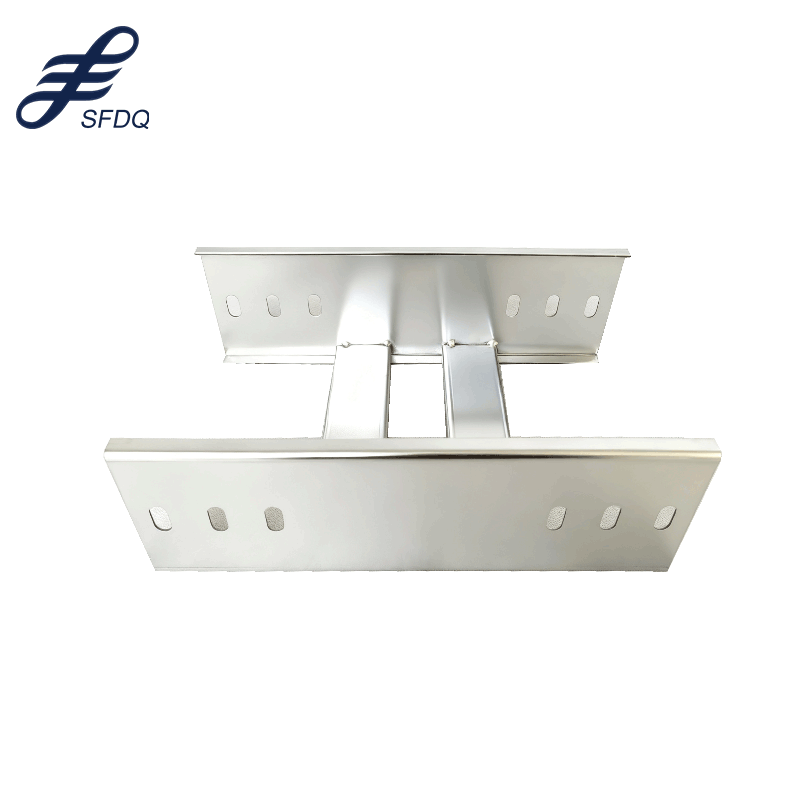
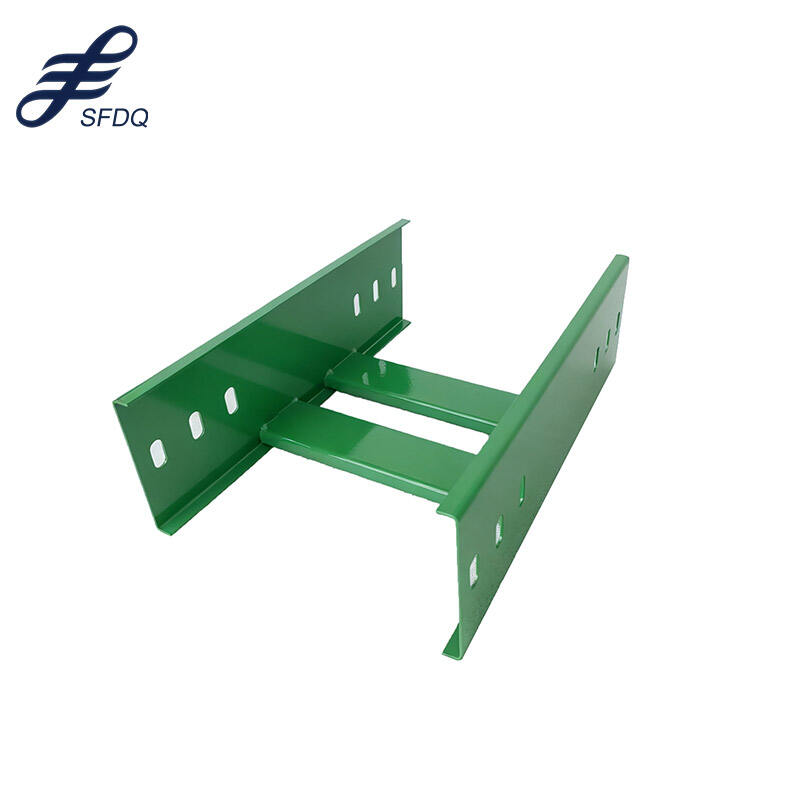
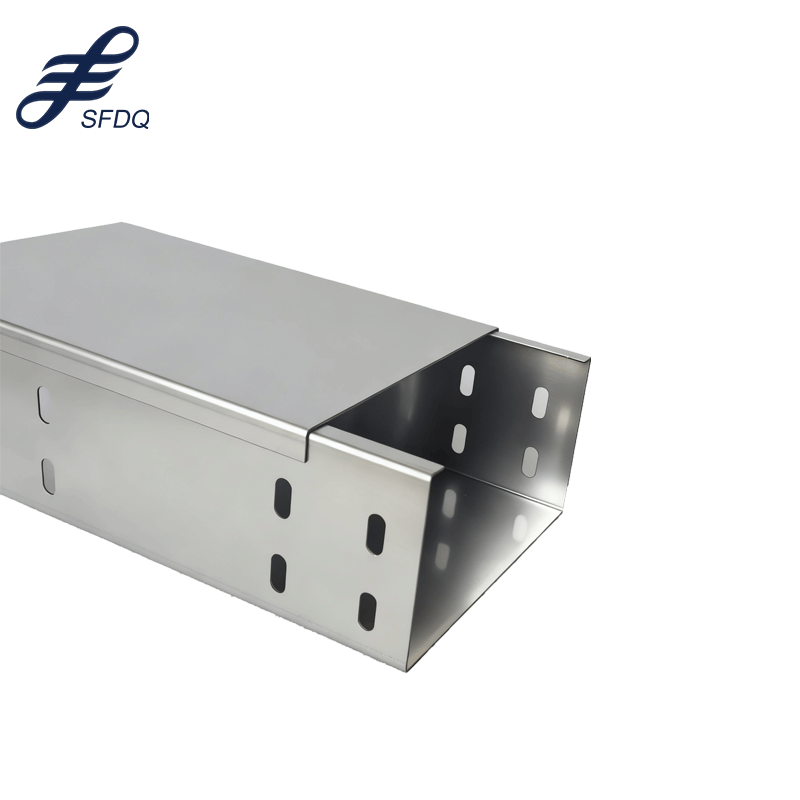
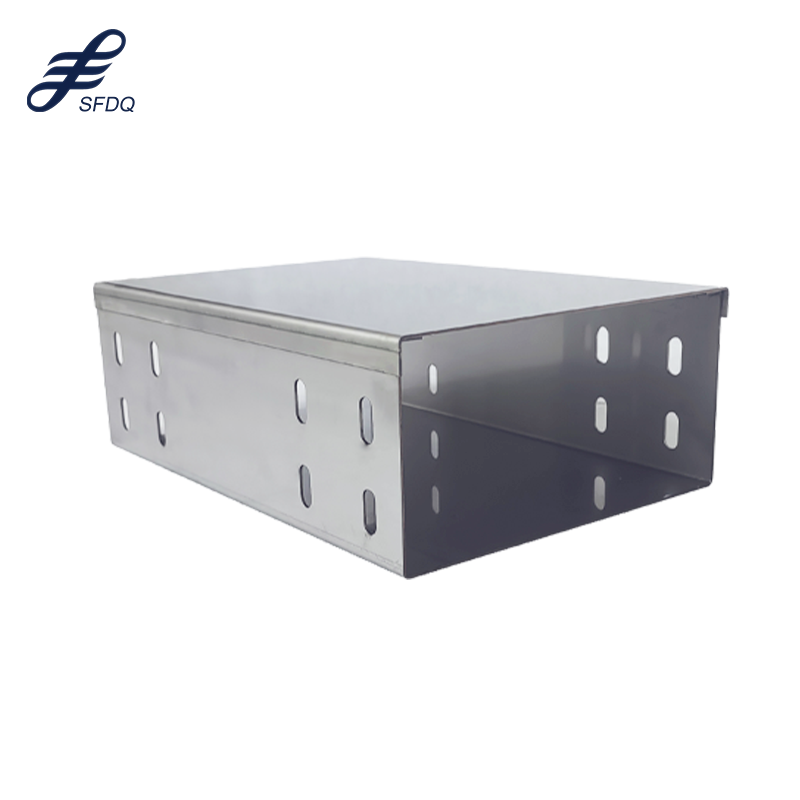
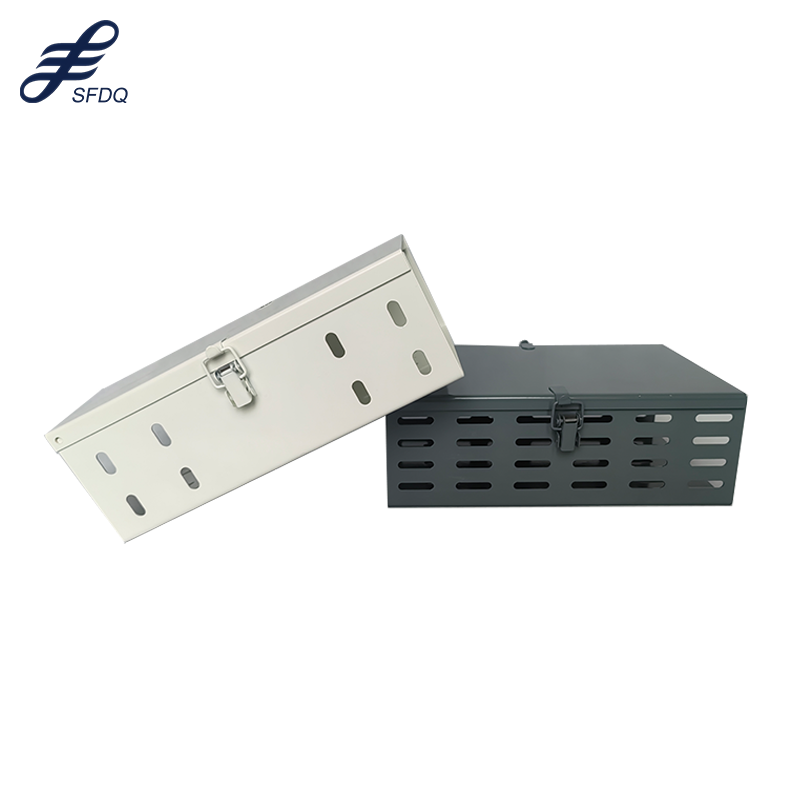
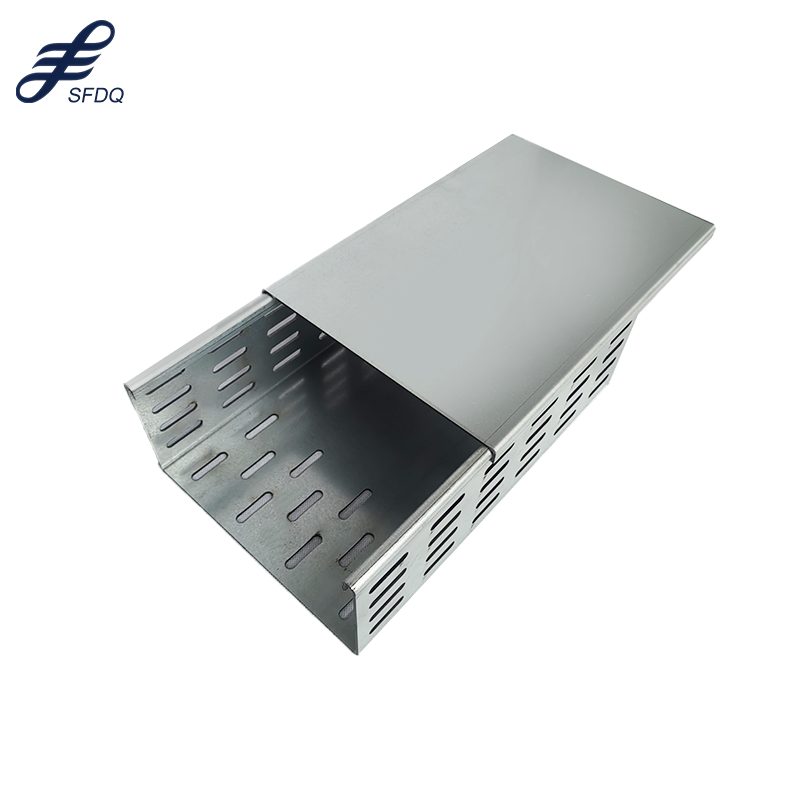
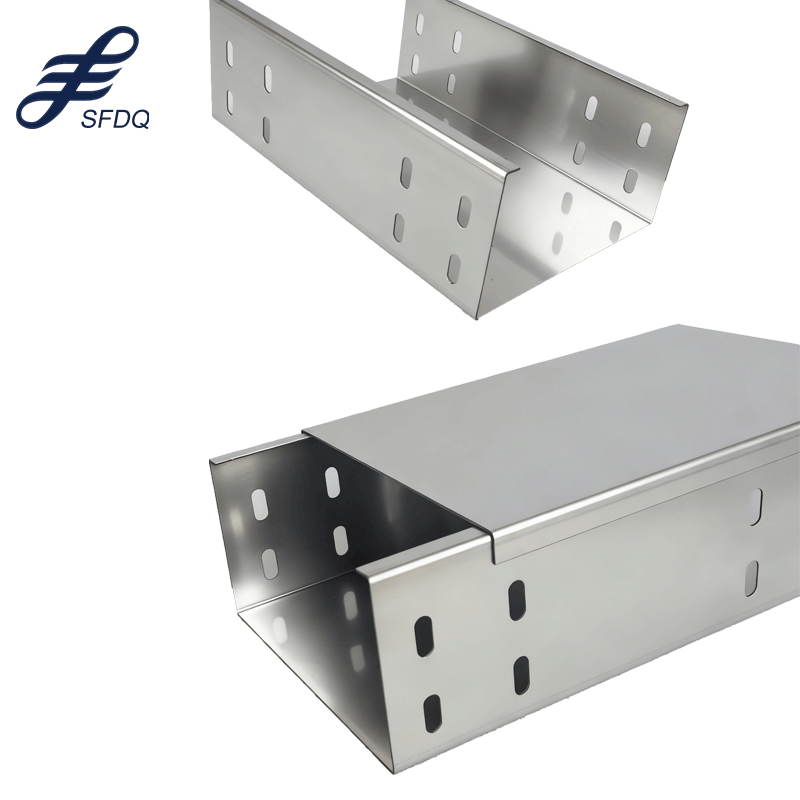
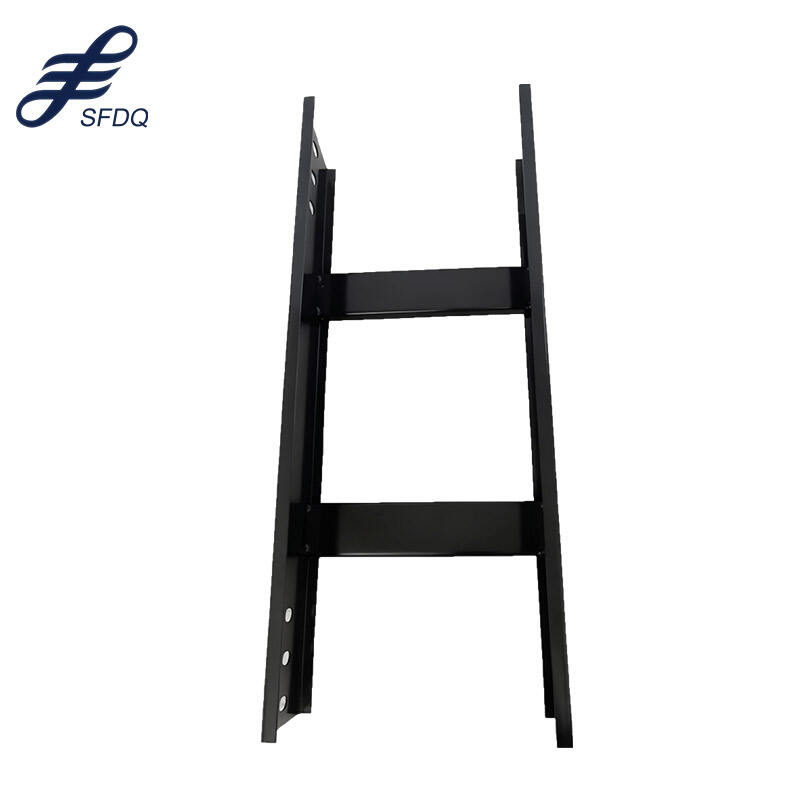
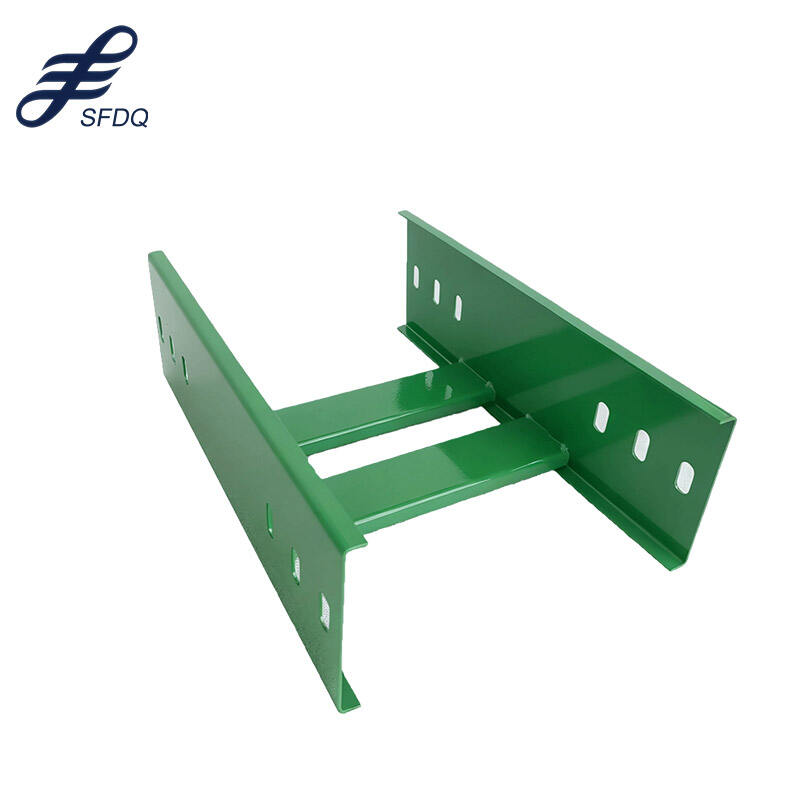
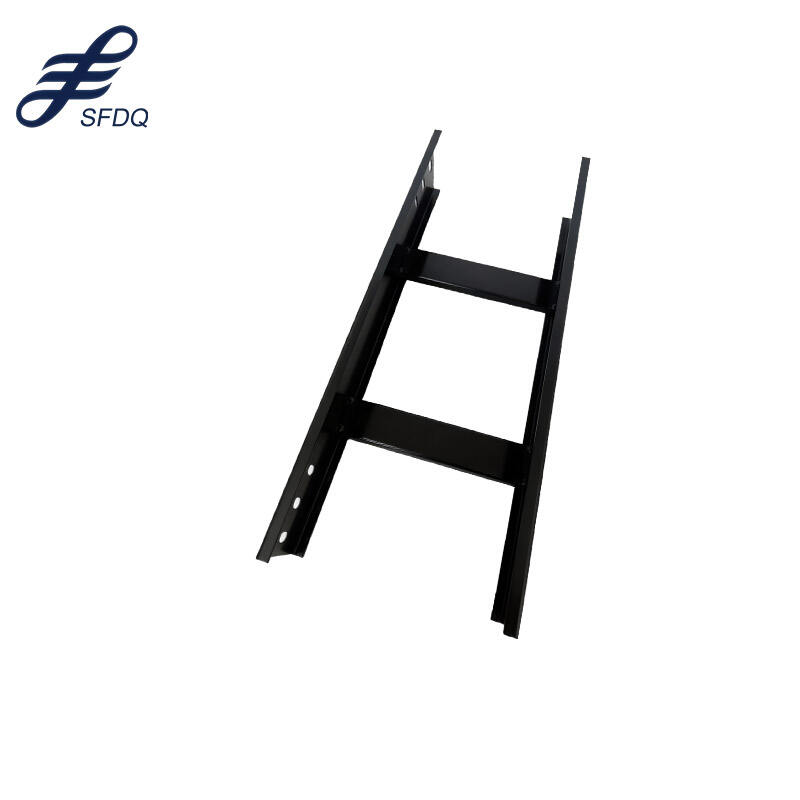
Cable trays serve as essential infrastructure components in electrical and data communication systems, providing organized pathways for routing various types of cables throughout buildings and industrial facilities. Understanding what are cable trays used for begins with recognizing their primary function as support systems that maintain proper cable organization while ensuring accessibility for maintenance and future installations. These versatile mounting systems accommodate power cables, control wiring, fiber optic lines, and communication cables in commercial, industrial, and residential environments. The fundamental purpose of what are cable trays used for extends beyond simple cable containment to include protection from environmental hazards, electromagnetic interference reduction, and compliance with safety regulations. Modern cable tray systems incorporate advanced materials like galvanized steel, aluminum, and stainless steel to provide durability and corrosion resistance. The technological features of what are cable trays used for include various configurations such as ladder-type, solid-bottom, perforated, and wire mesh designs, each optimized for specific applications and cable types. These systems support proper ventilation around cables, preventing heat buildup that could damage sensitive electrical components. Installation flexibility represents another crucial aspect of what are cable trays used for, allowing horizontal and vertical routing with adjustable supports and fittings. The modular nature of cable tray systems enables easy expansion and modification as facility requirements change over time. Safety considerations drive many applications of what are cable trays used for, including fire-rated options that help contain electrical fires and prevent flame spread. Cable trays also facilitate compliance with electrical codes and standards by providing proper cable separation and grounding pathways. The load-bearing capacity of what are cable trays used for varies significantly based on design specifications, supporting everything from lightweight data cables to heavy industrial power conductors while maintaining structural integrity under dynamic loading conditions.
 EN
EN