what is cable tray used for
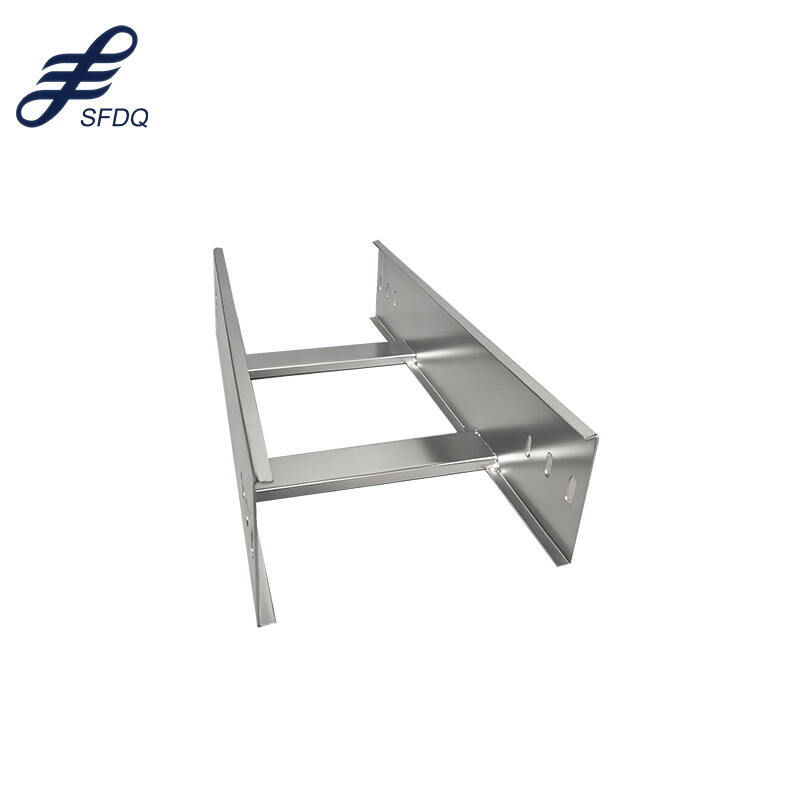
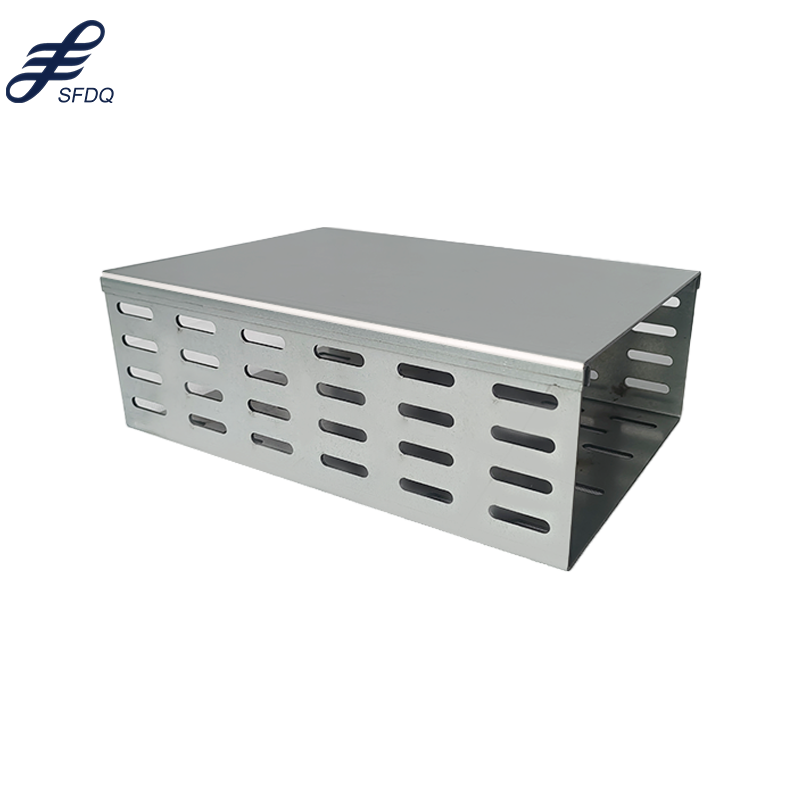
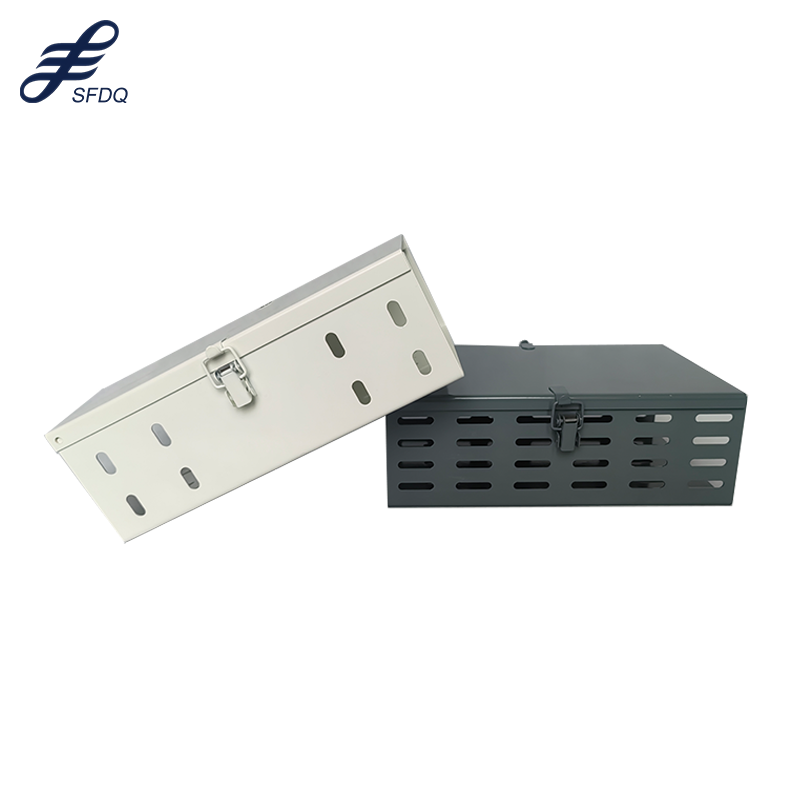
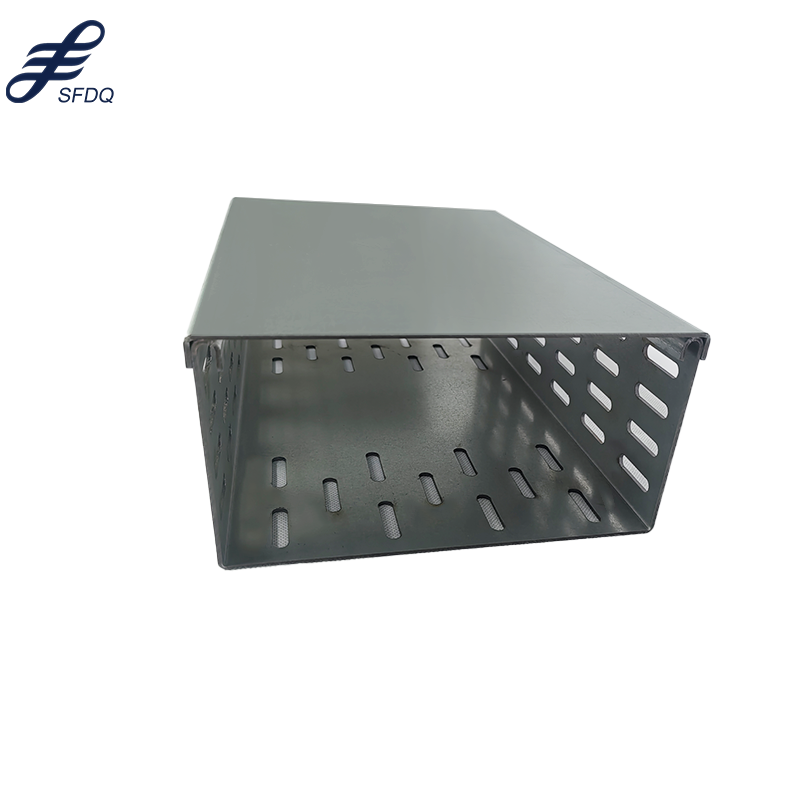
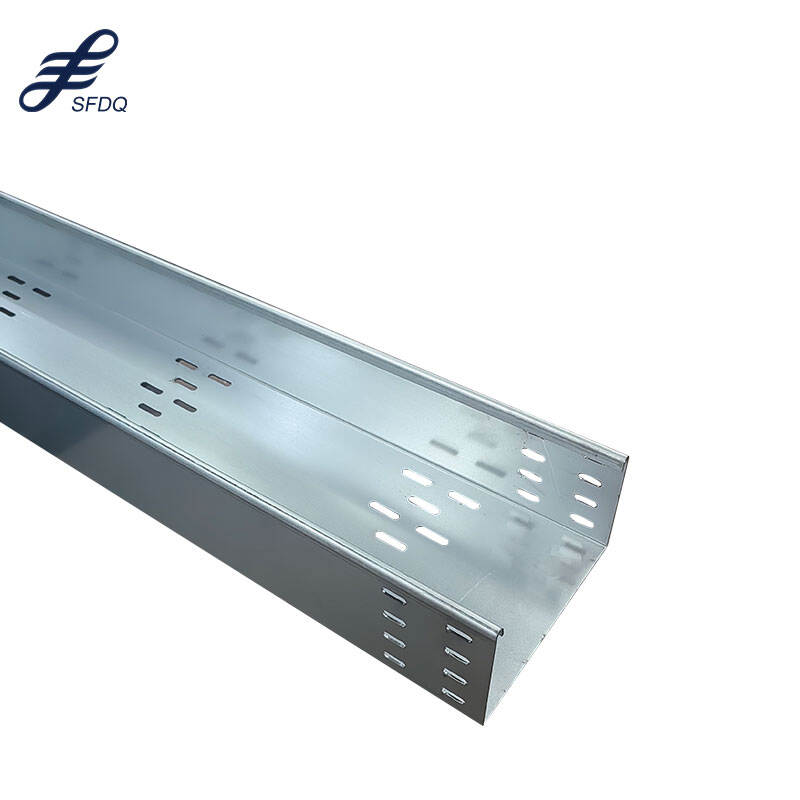
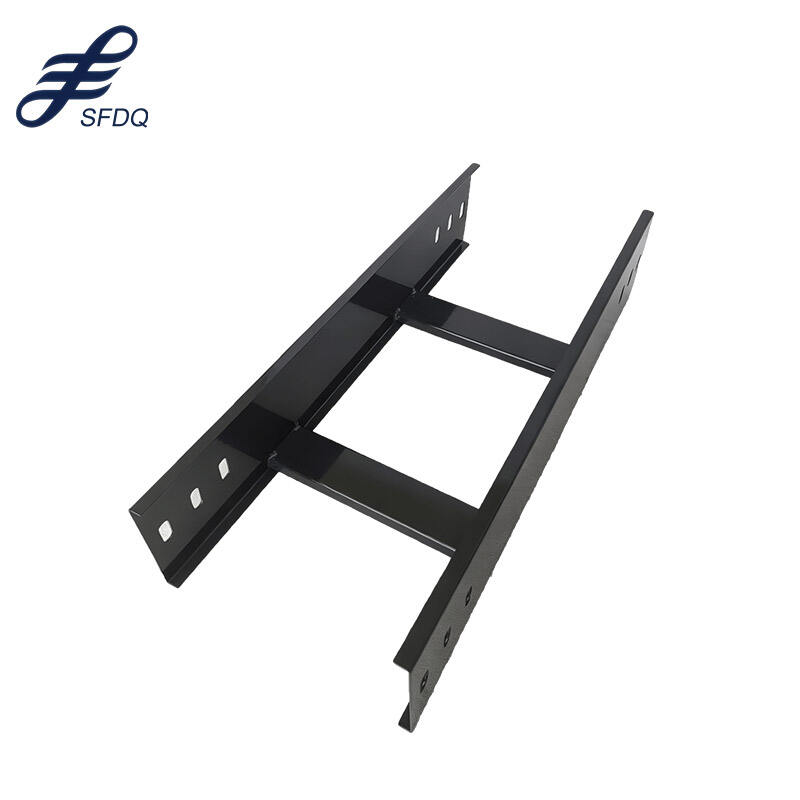
Understanding what is cable tray used for requires examining the fundamental role these metal or non-metallic support systems play in modern electrical infrastructure. Cable trays serve as the backbone of electrical distribution systems, providing organized pathways for power, control, and communication cables throughout commercial, industrial, and residential buildings. The primary function of cable trays involves supporting and protecting electrical cables while maintaining accessibility for maintenance and future modifications. These structural systems eliminate the need for individual conduits, offering a more efficient and cost-effective solution for cable management. Cable trays feature open or closed designs that accommodate various cable types including power cables, data cables, fiber optic cables, and control wiring. The technological features of cable trays include corrosion-resistant materials such as galvanized steel, stainless steel, aluminum, and fiberglass reinforced plastic. These materials ensure longevity and reliability in diverse environmental conditions. The perforated or solid bottom designs provide different levels of cable support and ventilation, preventing heat buildup and extending cable life. Cable trays incorporate various width and depth configurations to handle different cable loads and quantities. The modular design allows for easy expansion and reconfiguration as electrical needs change. Applications for cable trays span across data centers, manufacturing facilities, power plants, commercial buildings, hospitals, schools, and telecommunications infrastructure. In data centers, cable trays organize thousands of network cables, ensuring proper airflow and easy identification. Industrial facilities rely on cable trays to route power cables safely above machinery and work areas. The versatility of cable tray systems makes them indispensable for any project requiring organized cable management, whether dealing with low-voltage communications or high-voltage power distribution.
 EN
EN