 EN
EN


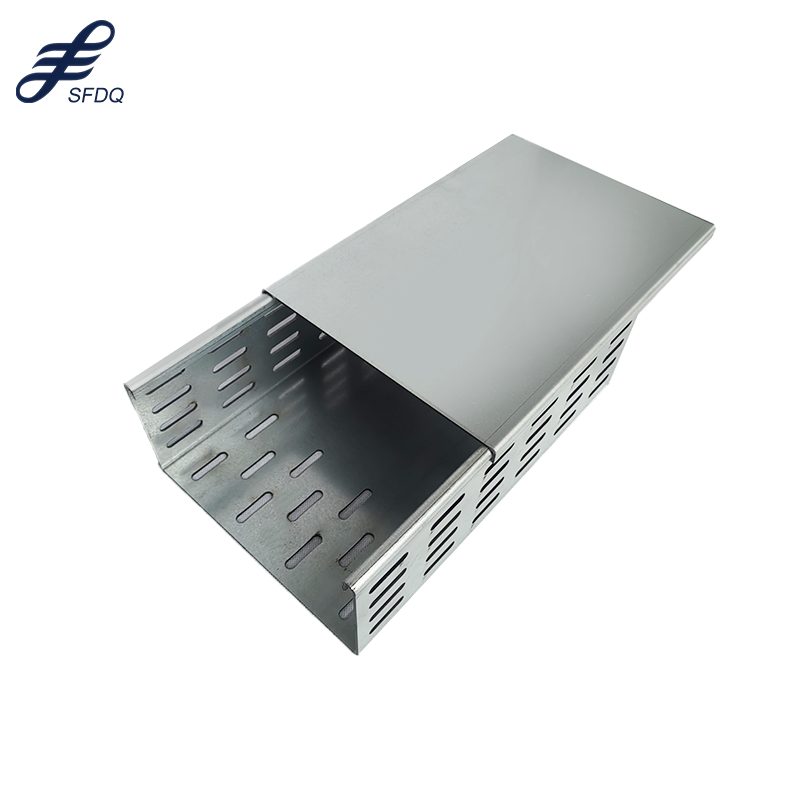
In modern electrical installations and industrial facilities, cable trays serve as the backbone of organized cable management systems. These essential infrastructure components provide structured pathways for power, control, and communication cables while ensuring safe and efficient operation across diverse applications. Understanding the fundamentals of cable trays becomes crucial for engineers, contractors, and facility managers who need to design reliable electrical distribution systems that meet both current needs and future expansion requirements.
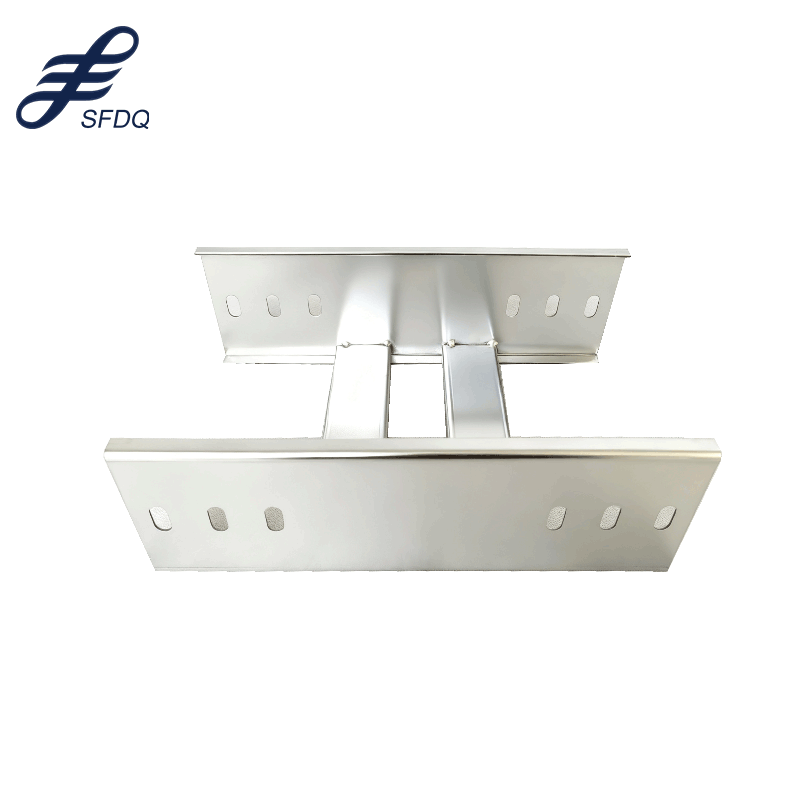
The evolution of cable management has transformed significantly over the past decades, with cable trays emerging as the preferred solution for complex installations. Modern facilities require sophisticated routing systems that can accommodate hundreds or thousands of cables while maintaining accessibility for maintenance and modifications. These support systems have proven their worth in environments ranging from manufacturing plants to data centers, where organized cable routing directly impacts operational efficiency and safety compliance.
Understanding Cable Tray Fundamentals
Core Components and Design Principles
Cable trays consist of several fundamental components that work together to create a comprehensive support system. The main structural elements include the tray body, which forms the primary pathway for cables, along with various fittings and accessories that enable complex routing configurations. Support brackets provide the necessary mounting points to building structures, while covers offer protection from environmental factors when required.
The design philosophy behind cable trays emphasizes both functionality and flexibility. These systems must accommodate varying cable sizes, weights, and quantities while maintaining structural integrity under different loading conditions. The open design of most cable trays promotes natural ventilation, which helps prevent heat buildup that could damage sensitive cables or create safety hazards in enclosed spaces.
Material Construction and Durability
Manufacturing standards for cable trays prioritize durability and corrosion resistance to ensure long-term performance in challenging environments. Steel construction provides excellent strength characteristics, while galvanized coatings offer enhanced protection against moisture and chemical exposure. Stainless steel variants deliver superior corrosion resistance for harsh industrial applications or outdoor installations where environmental factors pose significant challenges.
Advanced coating technologies have further improved the longevity of cable trays in demanding applications. Hot-dip galvanizing creates a robust barrier against corrosion, while powder coating systems provide additional protection and aesthetic appeal. These protective measures ensure that cable trays maintain their structural integrity and appearance throughout their operational lifespan, reducing maintenance requirements and replacement costs.
Classification and Types of Cable Trays
Ladder-Type Cable Trays
Ladder-type cable trays represent one of the most common configurations used in industrial and commercial installations. These systems feature parallel side rails connected by rungs at regular intervals, creating a ladder-like appearance that provides excellent support for heavy cables. The spacing between rungs can be customized to accommodate different cable sizes and loading requirements, making ladder trays versatile for various applications.
The open design of ladder cable trays offers several advantages, including superior ventilation for heat dissipation and easy access for cable installation and maintenance. This configuration works particularly well for power cables and large conduits that generate significant heat during operation. The structural design distributes weight evenly across the support points, enabling these trays to handle substantial cable loads without compromising safety or performance.
Perforated Cable Trays
Perforated cable trays feature solid bottoms with strategically placed holes that provide controlled ventilation while offering more cable support than ladder-type systems. This design works exceptionally well for smaller cables that might otherwise fall through the gaps in ladder trays. The perforation pattern can be customized to balance ventilation needs with structural support requirements.
These cable trays excel in applications where cables require consistent support along their entire length, such as data centers or control rooms with numerous small-diameter cables. The perforated design maintains excellent airflow characteristics while preventing small cables from sagging between support points. This configuration also simplifies cable organization and reduces the risk of cable damage during installation or maintenance activities.
Solid Bottom Cable Trays
Solid bottom cable trays provide maximum protection for sensitive cables while offering complete support along the entire cable run. These systems feature continuous solid bottoms that shield cables from dust, moisture, and other environmental contaminants. The enclosed design makes solid bottom trays ideal for applications involving delicate instrumentation cables or communication systems that require enhanced protection.
While solid bottom cable trays offer superior protection, they require careful consideration of ventilation and heat dissipation. Proper spacing and routing become critical to prevent heat buildup that could damage cables or create safety concerns. These trays often incorporate drainage features to handle moisture accumulation and may require additional ventilation systems in high-heat applications.
Industrial Applications and Use Cases
Manufacturing and Processing Facilities
Manufacturing environments present unique challenges for cable management systems, requiring robust solutions that can withstand harsh conditions while maintaining operational reliability. Cable trays in these settings must accommodate power distribution systems, control networks, and instrumentation cables while providing easy access for maintenance and modifications. The industrial environment often involves exposure to chemicals, temperature extremes, and mechanical stresses that demand durable construction materials and protective coatings.
Process industries such as petrochemical plants, food processing facilities, and pharmaceutical manufacturing require specialized cable tray configurations that meet stringent safety and hygiene standards. These applications often involve hazardous area classifications where cable trays must comply with explosion-proof requirements and fire safety regulations. The selection of appropriate materials and coatings becomes critical to ensure compatibility with cleaning procedures and chemical exposure scenarios.
Commercial and Institutional Buildings
Commercial buildings utilize cable trays extensively for distributing power and communication systems throughout multi-story structures. Office buildings, hospitals, schools, and retail facilities require flexible cable management systems that can accommodate evolving technology needs and space reconfigurations. Cable trays in these environments must balance functional requirements with aesthetic considerations, often requiring covers or architectural integration to maintain visual appeal.
Healthcare facilities present particularly complex requirements for cable tray systems due to the critical nature of medical equipment and life safety systems. These installations must support redundant power systems, extensive communication networks, and specialized medical equipment connections while maintaining compliance with healthcare electrical codes. The ability to easily modify and expand cable routing becomes essential as medical technology continues to evolve and facilities adapt to changing patient care needs.
Selection Criteria and Design Considerations
Load Calculations and Structural Requirements
Proper sizing of cable trays requires comprehensive load calculations that account for both the weight of cables and dynamic forces that may occur during operation or maintenance activities. Engineers must consider the combined weight of all cables, including future additions, along with any ice loading in outdoor applications or seismic forces in earthquake-prone regions. These calculations ensure that cable trays maintain adequate safety margins throughout their service life.
Structural analysis extends beyond simple weight calculations to include deflection limits, vibration resistance, and thermal expansion considerations. Cable trays must maintain their shape and alignment under all loading conditions to prevent cable damage and ensure proper system operation. The support spacing and mounting methods play crucial roles in achieving the required structural performance while minimizing installation costs and complexity.
Environmental Factors and Protection Requirements
Environmental conditions significantly influence cable tray selection, requiring careful evaluation of temperature ranges, humidity levels, chemical exposure, and UV radiation in outdoor applications. Corrosive environments demand specialized materials or protective coatings that can withstand long-term exposure without degradation. Temperature cycling may require expansion joints or flexible connections to accommodate thermal movement without creating stress concentrations.
Outdoor installations present additional challenges related to weather protection, drainage, and accessibility for maintenance activities. Cable trays in these applications often require covers, heating systems, or specialized coatings to ensure reliable operation throughout all seasons. The design must also consider ice loading, wind forces, and UV exposure that can affect both the tray structure and the cables it supports.
Future Expansion and Flexibility
Modern cable tray installations must anticipate future expansion requirements and technological changes that may affect cable routing needs. Designing systems with adequate spare capacity and accessible routing paths enables cost-effective modifications without major infrastructure changes. This forward-thinking approach proves particularly valuable in dynamic environments where business growth or technology upgrades require additional cable capacity.
Modular design principles enhance the flexibility of cable tray systems by enabling easy reconfiguration and expansion. Standardized fittings and accessories allow for efficient modifications while maintaining system integrity and compliance with electrical codes. The ability to easily add branch circuits, relocate equipment connections, or accommodate new cable types becomes increasingly important as facilities evolve and adapt to changing operational requirements.
Installation Best Practices and Standards
Planning and Layout Optimization
Successful cable tray installations begin with comprehensive planning that considers current needs, future expansion, and maintenance accessibility. The layout design should optimize cable routing efficiency while minimizing conflicts with other building systems such as HVAC ducts, plumbing, and structural elements. Proper coordination during the design phase prevents costly modifications and ensures that cable trays integrate seamlessly with the overall building infrastructure.
Three-dimensional modeling and clash detection software have revolutionized cable tray design and installation planning. These tools enable designers to visualize complex routing scenarios and identify potential conflicts before construction begins. The ability to simulate different layout options helps optimize material usage, reduce installation time, and ensure compliance with code requirements for clearances and accessibility.
Support Systems and Mounting Methods
The structural integrity of cable tray installations depends heavily on proper support system design and installation quality. Support brackets must be appropriately sized and spaced to handle the anticipated loads while providing adequate adjustment capability for field conditions. The connection methods between trays and supports should accommodate thermal movement and maintain electrical continuity when required for grounding systems.
Advanced mounting systems offer improved installation efficiency and long-term reliability through engineered connection methods and standardized components. Pre-fabricated support assemblies reduce field labor requirements while ensuring consistent quality and performance. These systems often incorporate features such as vibration dampening, corrosion protection, and easy adjustment capability that enhance the overall installation quality and operational reliability of cable trays.
Maintenance and Lifecycle Management
Preventive Maintenance Programs
Effective maintenance programs for cable trays focus on preserving structural integrity and protecting the cables they support throughout the system lifecycle. Regular inspections should evaluate corrosion levels, joint integrity, support condition, and cable organization to identify potential issues before they impact system reliability. Documentation of maintenance activities helps establish trends and optimize maintenance schedules based on actual performance data.
Preventive maintenance protocols typically include cleaning procedures to remove debris and contaminants that could accelerate corrosion or create fire hazards. In industrial environments, regular removal of dust, oil, and chemical residues helps maintain the protective coatings and prevents degradation of both the cable trays and the cables they contain. These maintenance activities also provide opportunities to verify proper cable support and organization.
Upgrades and System Modifications
Modern facilities require flexible cable management systems that can accommodate upgrades and modifications without major infrastructure changes. Cable trays designed with modular components and standardized interfaces enable efficient system expansions and reconfigurations. The ability to easily add new routing paths or modify existing ones helps facilities adapt to changing technology needs and operational requirements.
Technology evolution continues to drive changes in cable requirements, from increased data transmission speeds to higher power densities in modern equipment. Cable tray systems must be capable of supporting these evolving needs while maintaining compatibility with existing infrastructure. Planning for future technology changes during initial installation helps minimize disruption and costs associated with later system modifications and upgrades.
FAQ
What factors determine the appropriate cable tray width for a specific installation
Cable tray width selection depends on the number and size of cables to be installed, along with required spacing for heat dissipation and future expansion. Industry standards typically recommend filling cable trays to no more than 50% of their cross-sectional area to allow for proper ventilation and easy cable installation. The calculation should also consider cable bend radius requirements and maintenance accessibility needs.
How do environmental conditions affect cable tray material selection
Environmental factors such as temperature extremes, humidity, chemical exposure, and UV radiation significantly influence material choice for cable trays. Corrosive environments require stainless steel construction or specialized protective coatings, while outdoor applications need UV-resistant finishes and weather protection features. Temperature cycling may necessitate materials with appropriate thermal expansion characteristics to prevent stress-related failures.
What are the key differences between ladder and perforated cable trays
Ladder cable trays feature open construction with rungs at regular intervals, providing excellent ventilation and easy access but requiring careful cable support for smaller conductors. Perforated trays offer continuous bottom support through strategically placed holes, making them ideal for smaller cables while maintaining good airflow characteristics. The choice between these types depends on cable size, ventilation requirements, and installation environment.
How should cable trays be integrated with fire protection systems
Fire protection integration requires careful consideration of cable tray routing through fire-rated barriers, proper sealing of penetrations, and compliance with fire stopping requirements. Cable trays may require fire-resistant coatings or covers in certain applications, and their installation must not compromise the integrity of fire-rated building assemblies. Coordination with fire suppression systems ensures that cable trays do not obstruct sprinkler coverage or create ignition hazards.