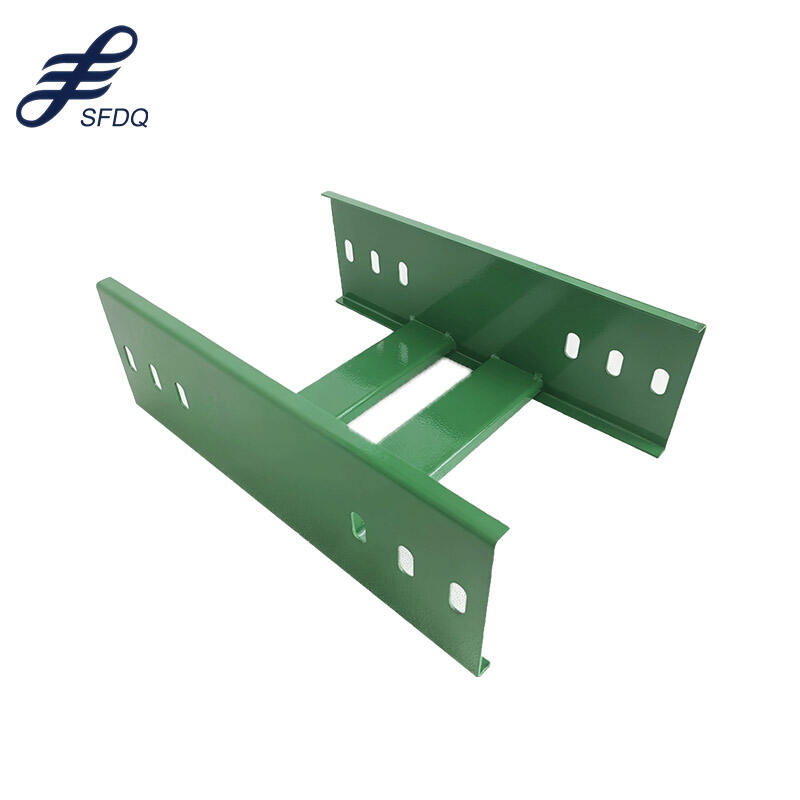
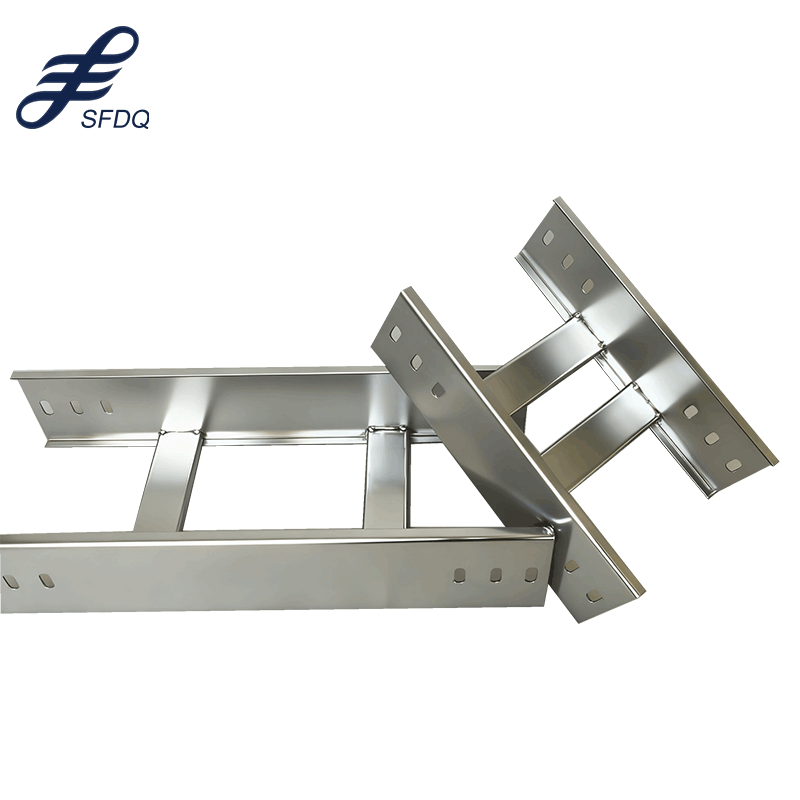
450mm cable ladder
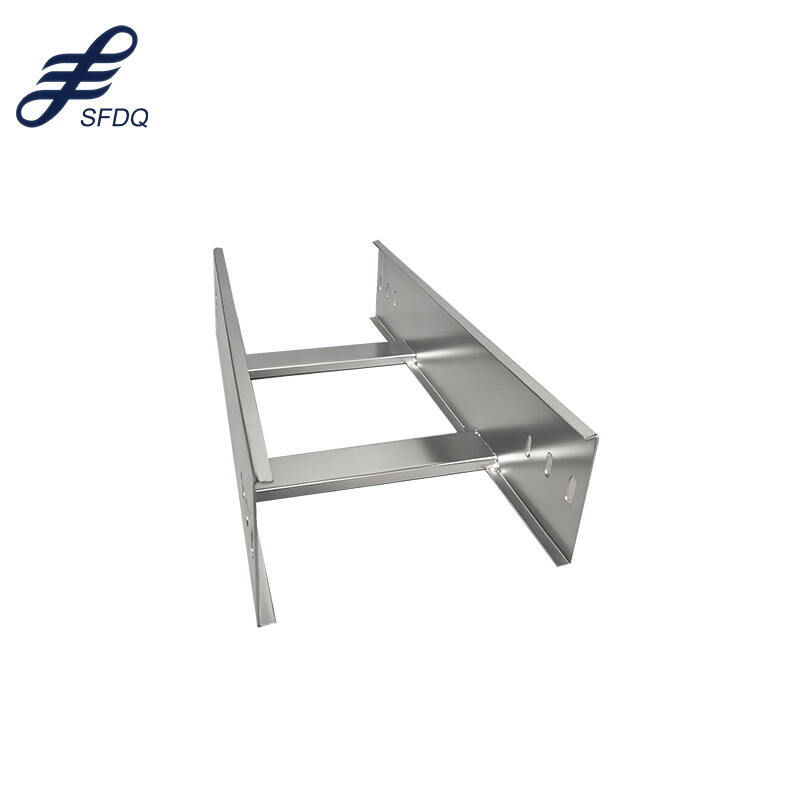
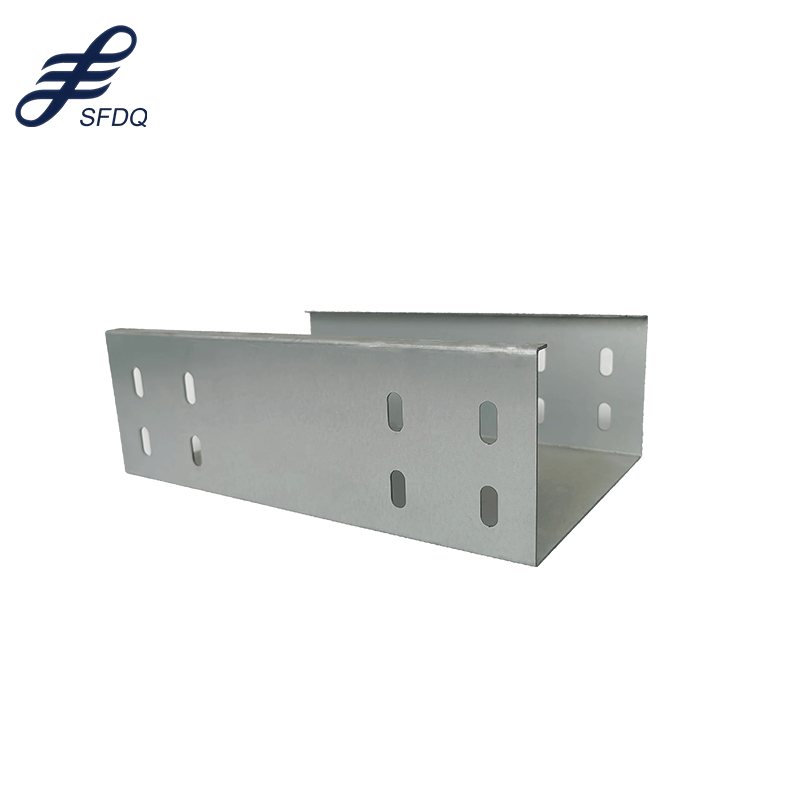
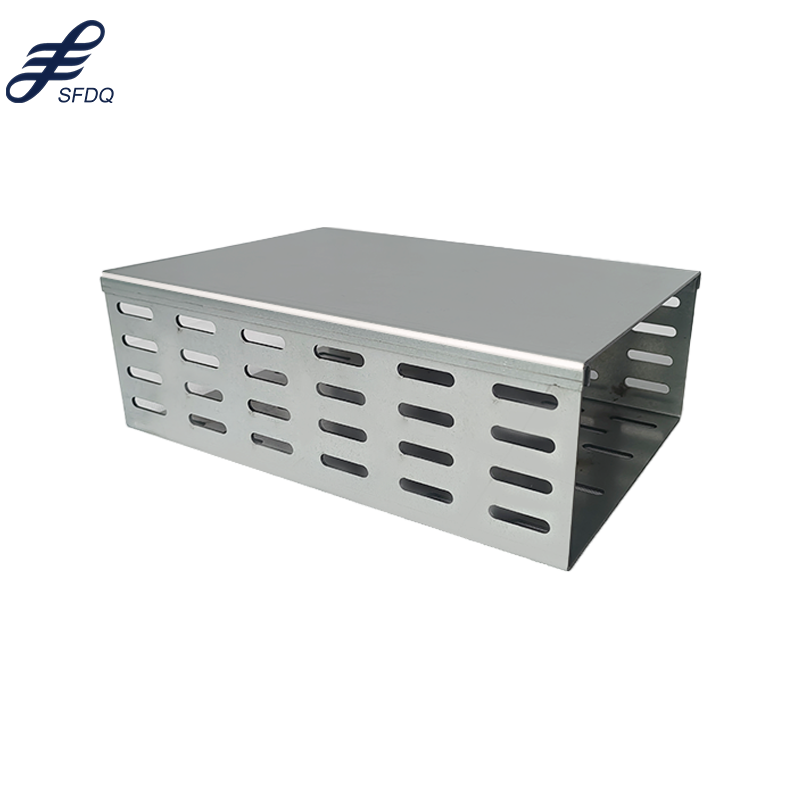
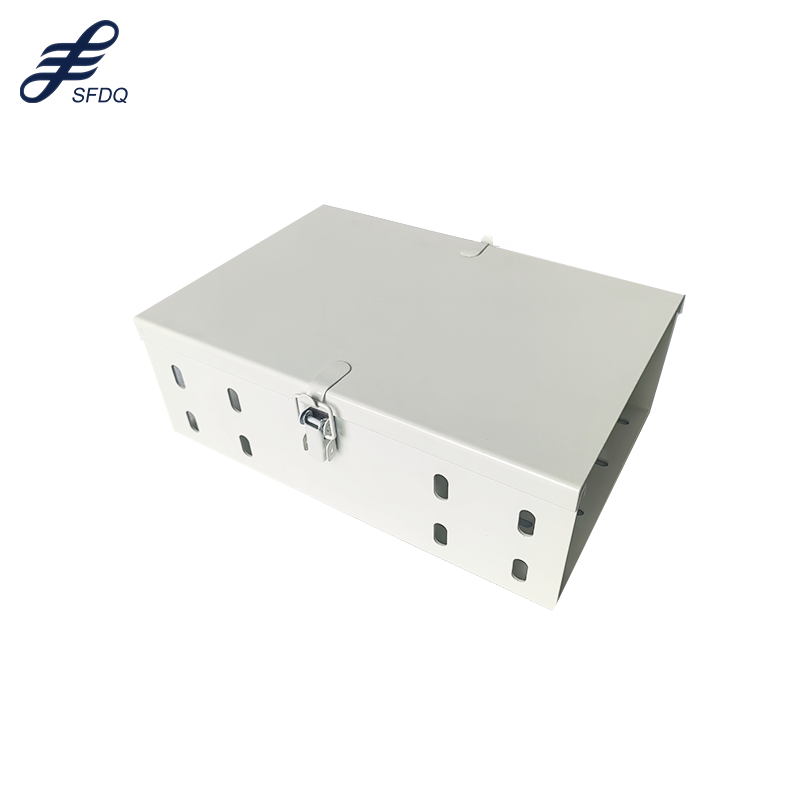
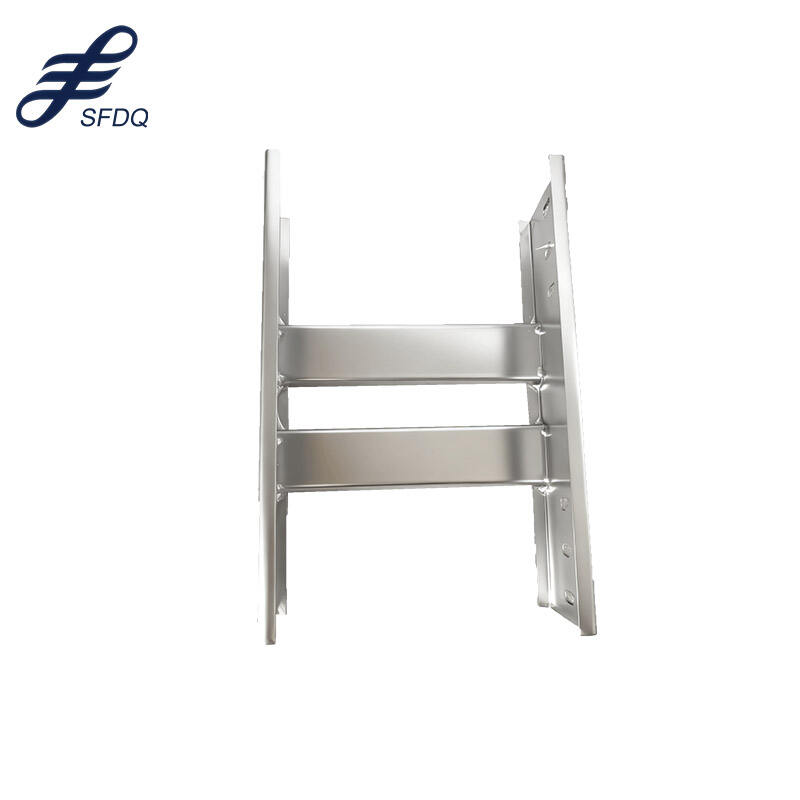
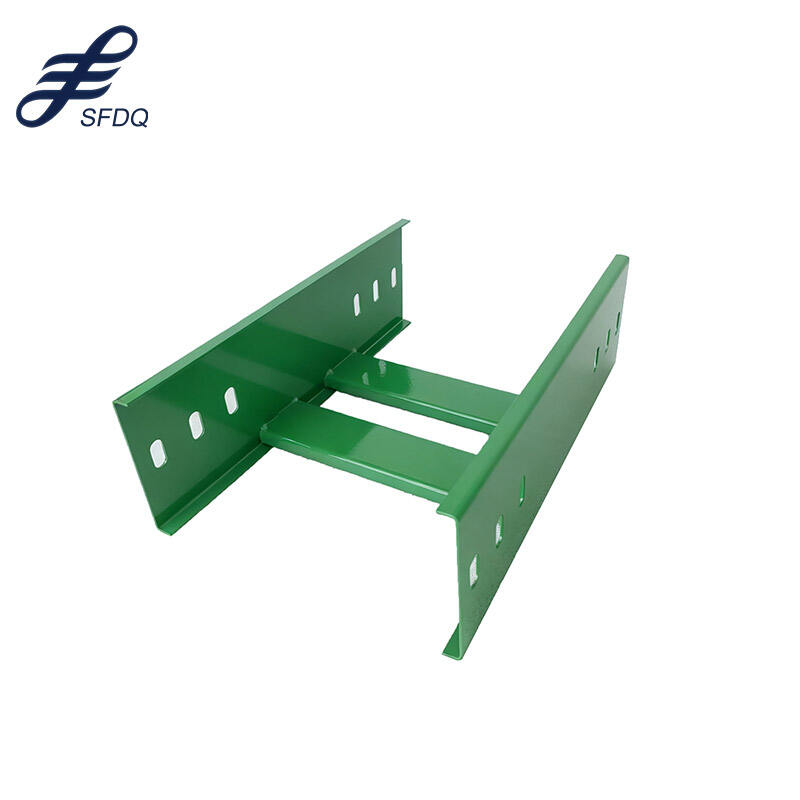
The 450mm cable ladder represents a fundamental infrastructure component designed to support and organize electrical cables in commercial, industrial, and residential applications. This cable management system features a width of 450 millimeters, providing substantial space for multiple cable runs while maintaining proper ventilation and accessibility. The 450mm cable ladder consists of two parallel side rails connected by regularly spaced rungs, creating a ladder-like structure that allows cables to rest securely while permitting airflow around them. The primary function of the 450mm cable ladder centers on cable organization and protection, preventing cables from becoming tangled or damaged during installation and maintenance procedures. The system facilitates easy cable identification and replacement, reducing downtime and maintenance costs for facility managers. Technological features of the 450mm cable ladder include corrosion-resistant materials such as galvanized steel, aluminum, or stainless steel construction, ensuring long-term durability in various environmental conditions. The ladder design incorporates smooth edges and rounded corners to prevent cable jacket damage during installation. Many 450mm cable ladder systems feature modular construction with standardized connection points, enabling seamless integration with other cable management components. The rung spacing typically follows industry standards, providing optimal cable support without excessive material usage. Applications for the 450mm cable ladder span across numerous industries including data centers, manufacturing facilities, power plants, commercial buildings, and telecommunications infrastructure. In data centers, the 450mm cable ladder supports high-density fiber optic and copper networking cables, maintaining proper bend radius requirements and facilitating heat dissipation. Industrial facilities utilize these systems for power distribution cables, control wiring, and instrumentation connections. The 450mm cable ladder proves particularly valuable in environments requiring frequent cable modifications or additions, as the open design allows technicians to easily access and reroute connections without removing entire sections of the support system.
 EN
EN