Ladder Type Tray Cable Management Systems - Superior Support and Organization Solutions

Get a Free Quote

Our representative will contact you soon.
Email
Name
Company Name
WhatsApp
Message
0/1000

ladder type tray

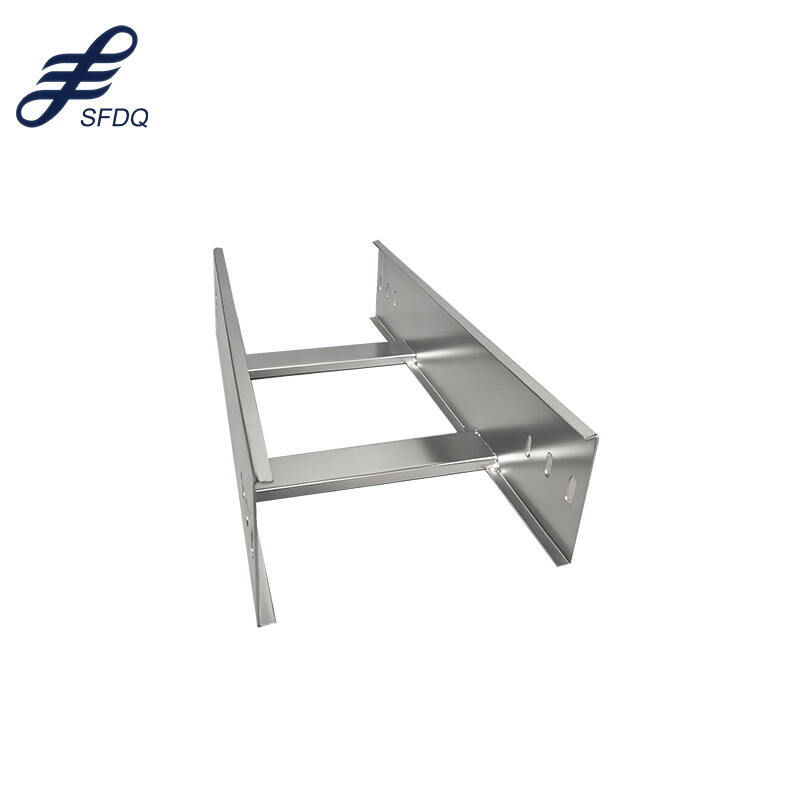
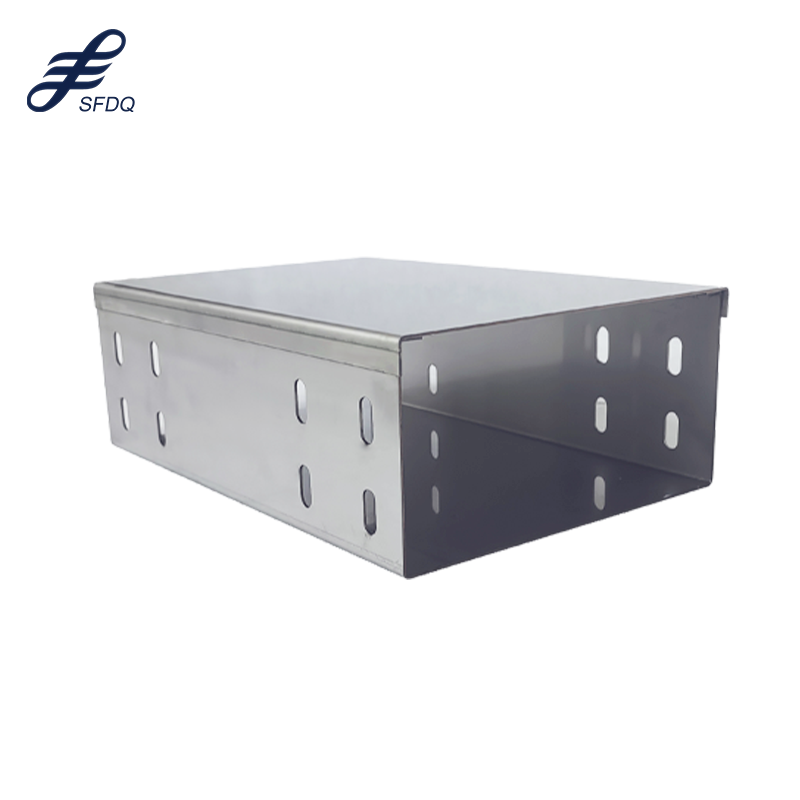
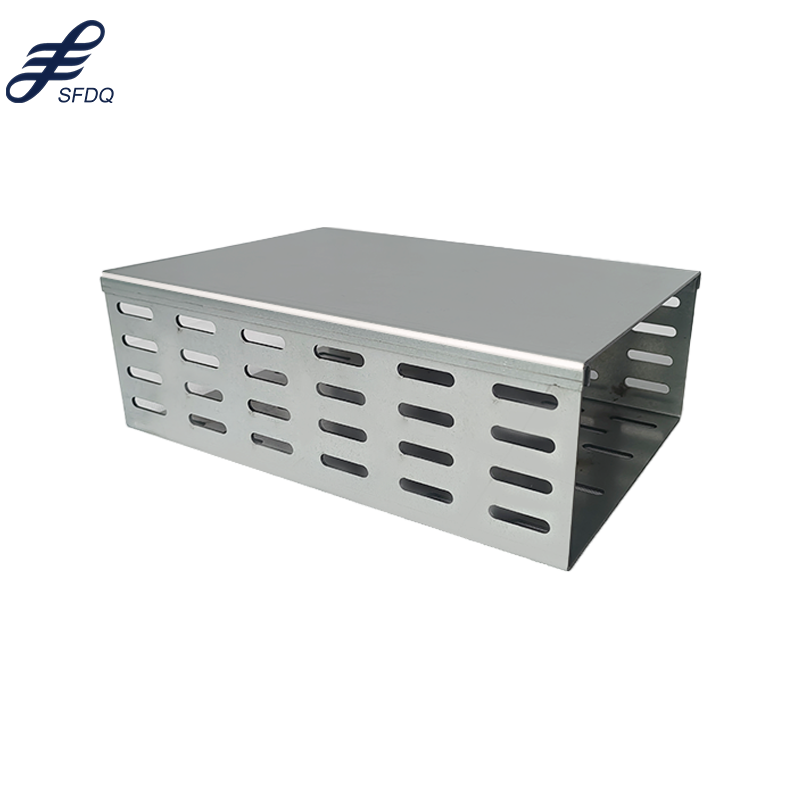
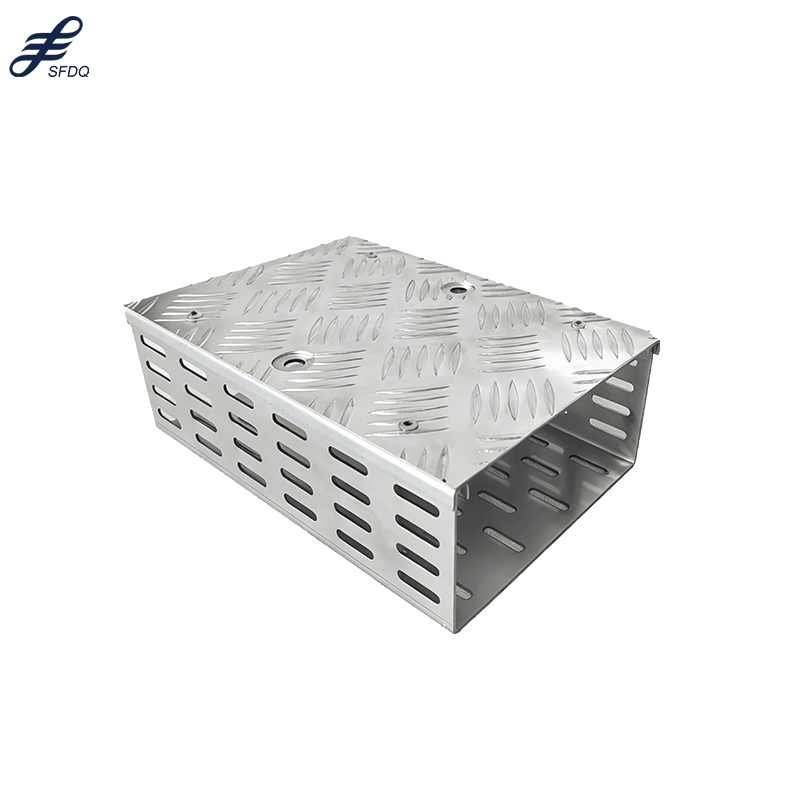
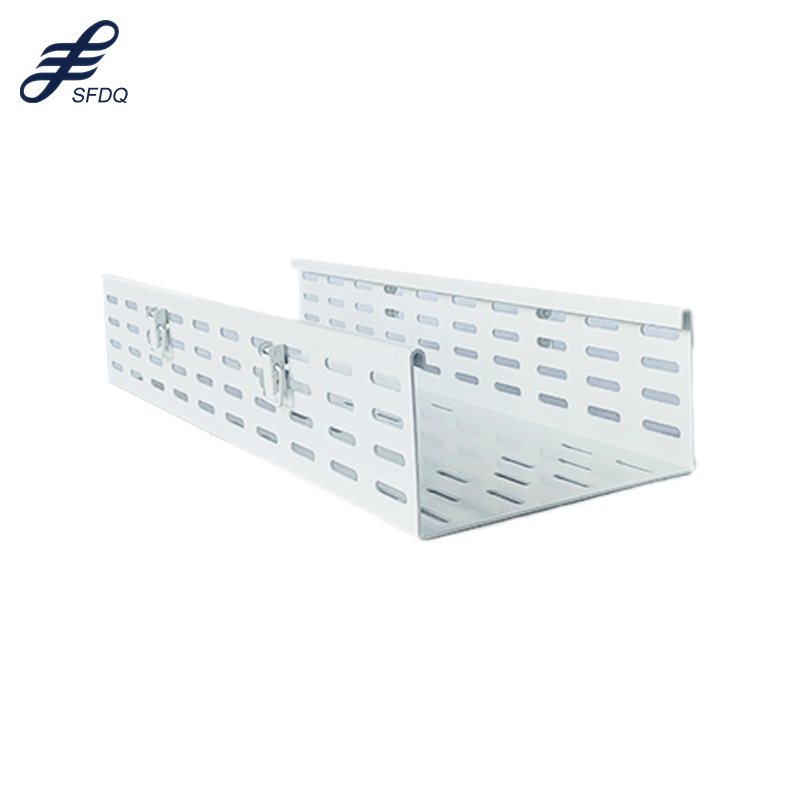
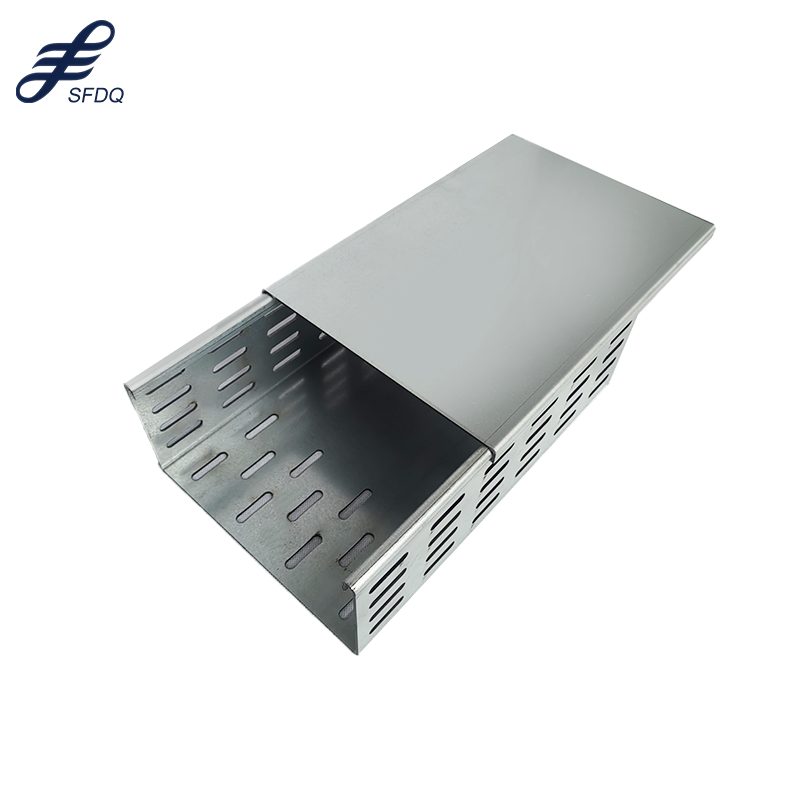
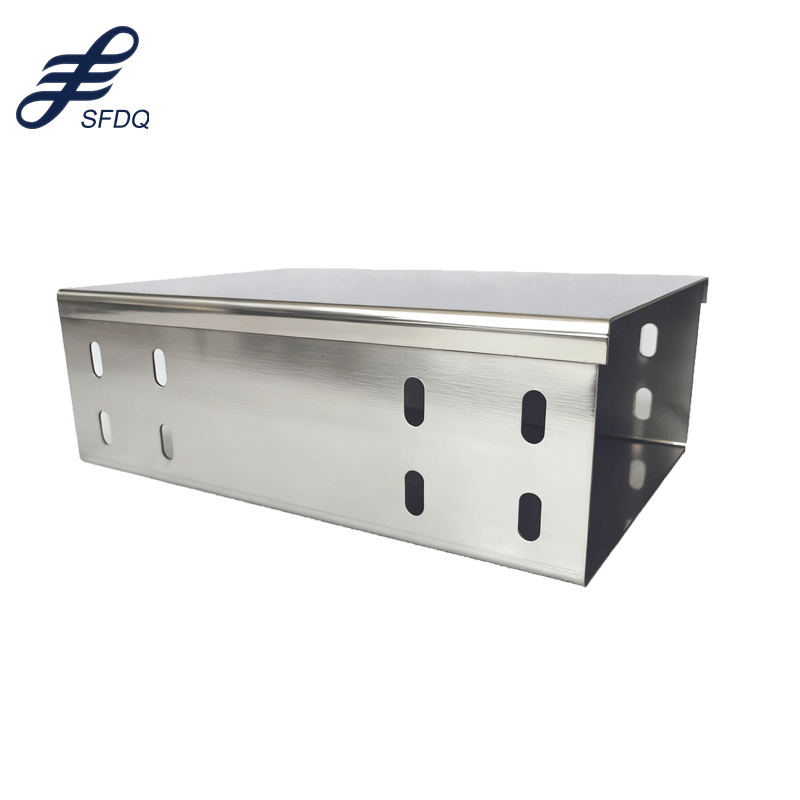
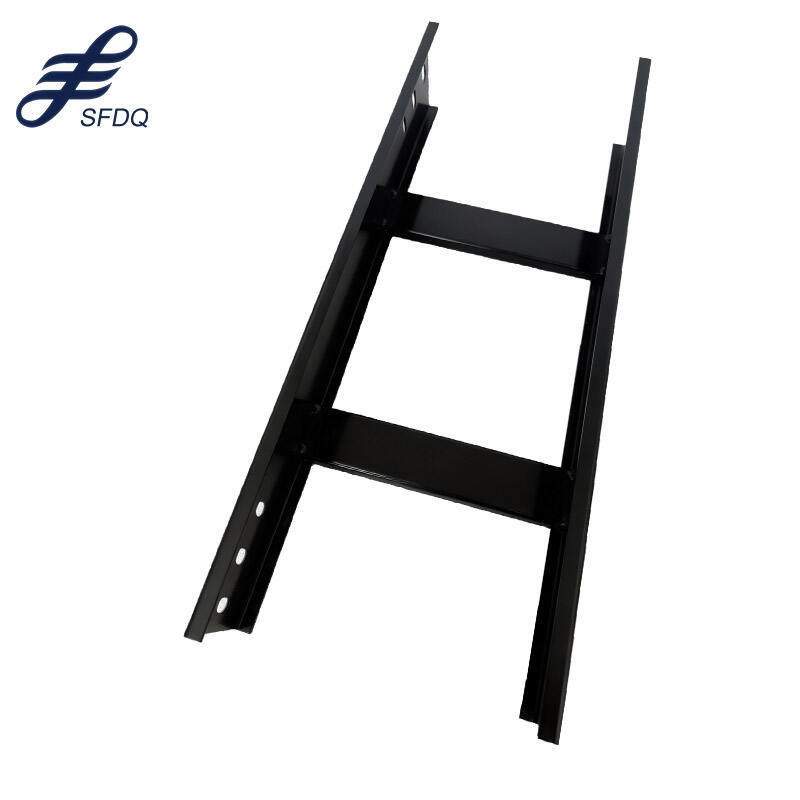
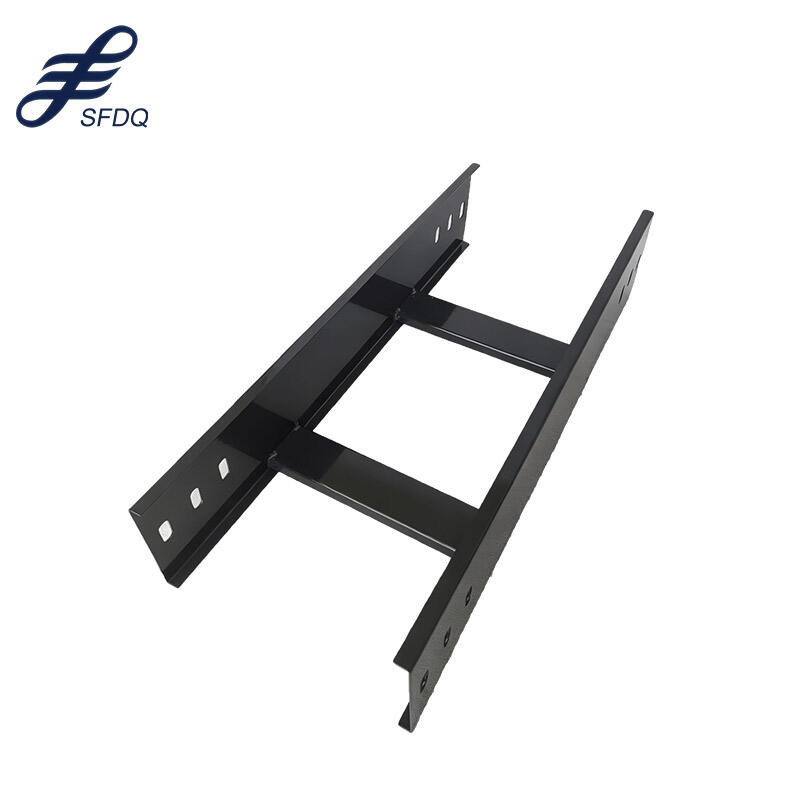
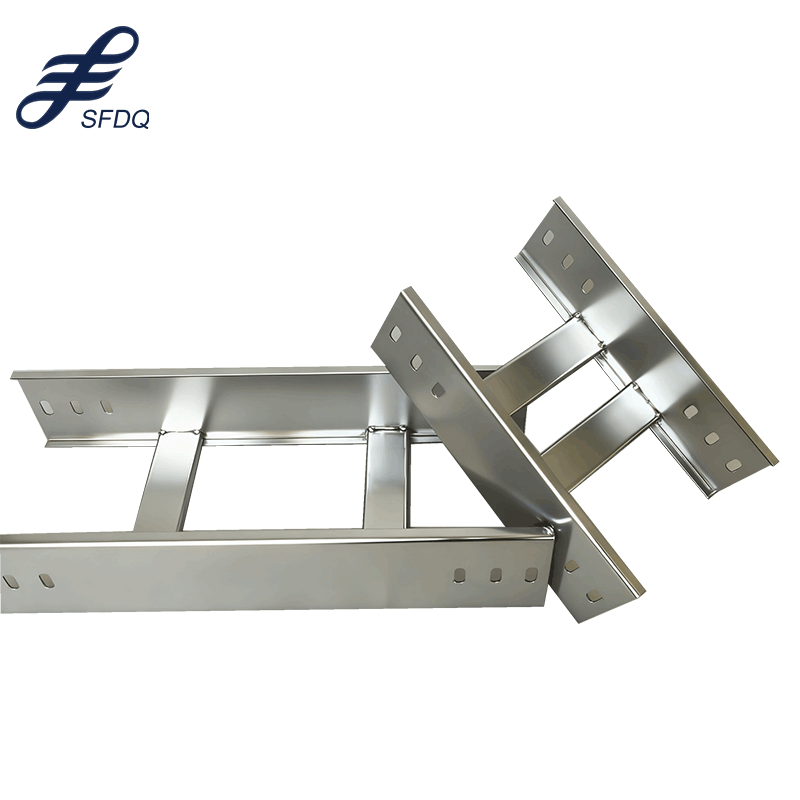
The ladder type tray represents a revolutionary advancement in cable management and electrical infrastructure systems, designed to provide superior support and organization for various types of cables and wiring systems. This innovative cable management solution features a distinctive ladder-like structure that consists of two parallel side rails connected by evenly spaced rungs, creating an open framework that resembles a traditional ladder. The ladder type tray system serves as a fundamental component in modern electrical installations, offering exceptional versatility and reliability for both indoor and outdoor applications. The primary function of the ladder type tray involves supporting and routing power cables, control cables, communication lines, and fiber optic cables throughout commercial, industrial, and residential facilities. This cable support system facilitates organized cable installation while maintaining proper separation between different cable types to prevent electromagnetic interference and ensure optimal performance. The technological features of the ladder type tray include robust construction materials such as galvanized steel, aluminum, or stainless steel, depending on environmental requirements and load specifications. The open design allows for excellent ventilation and heat dissipation, preventing cable overheating and extending the lifespan of electrical systems. The modular construction enables easy installation, modification, and expansion of cable routing systems as facility needs evolve. Applications for ladder type tray systems span across diverse industries including manufacturing facilities, data centers, hospitals, commercial buildings, renewable energy installations, and transportation infrastructure. The system accommodates various cable sizes and weights while providing secure mounting options for walls, ceilings, or support structures. The ladder type tray design incorporates standardized dimensions and connection methods, ensuring compatibility with other cable management components and accessories.

New Product Recommendations

The ladder type tray offers numerous practical advantages that make it an ideal choice for modern cable management applications. First, the open ladder design provides exceptional accessibility for cable installation and maintenance operations. Technicians can easily add, remove, or reroute cables without dismantling the entire tray system, significantly reducing labor costs and minimizing downtime during maintenance activities. This accessibility feature proves invaluable in facilities where frequent cable modifications are necessary, such as data centers and manufacturing plants where equipment configurations change regularly. The superior ventilation characteristics of the ladder type tray prevent cable overheating by allowing unrestricted airflow around cables. This natural cooling effect eliminates the need for additional cooling systems and reduces energy consumption while extending cable lifespan and improving overall system reliability. The open structure also facilitates easy visual inspection of cables, enabling quick identification of potential issues before they become serious problems. Cost-effectiveness represents another significant advantage of the ladder type tray system. The efficient material usage in the ladder design reduces manufacturing costs while maintaining structural integrity and load-bearing capacity. Installation costs remain lower compared to enclosed cable management systems because the ladder type tray requires fewer mounting points and support structures. Long-term maintenance costs decrease due to the system's durability and the ease of cable access for repairs or upgrades. The modular nature of ladder type tray systems provides exceptional flexibility for future expansion and reconfiguration. Facilities can easily extend cable routing paths or modify existing installations without replacing entire sections of the cable management system. This adaptability proves particularly beneficial in growing businesses where electrical infrastructure must evolve alongside operational requirements. The ladder type tray accommodates various cable types simultaneously while maintaining proper separation and organization. The standardized construction and universal mounting options ensure compatibility with existing infrastructure and other cable management components. Safety benefits include reduced fire hazards due to improved ventilation and the ability to quickly identify and address cable problems. The robust construction withstands environmental challenges while providing reliable long-term performance in demanding industrial environments.

Tips And Tricks

​Cable Tray: The Backbone of Efficient Cable Management - From SFDQ Factory

20

Nov

​Cable Tray: The Backbone of Efficient Cable Management - From SFDQ Factory

View More
Why Choose SFDQ’s Cable Tray?

20

Nov

Why Choose SFDQ’s Cable Tray?

View More
Unlock the Power of Factory Cable Trays with CE and ISO Certifications

20

Nov

Unlock the Power of Factory Cable Trays with CE and ISO Certifications

View More
SFDQ Participates in Saudi Exhibitions

05

Dec

SFDQ Participates in Saudi Exhibitions

Bringing High-Quality Cable Trays to Deepen Presence in the Middle East Infrastructure Market​
View More

Get a Free Quote

Our representative will contact you soon.
Email
Name
Company Name
WhatsApp
Message
0/1000

ladder type tray

Superior Load Capacity and Structural Integrity

Superior Load Capacity and Structural Integrity

The ladder type tray demonstrates exceptional load-bearing capabilities that surpass many alternative cable management solutions, making it the preferred choice for heavy-duty applications across various industries. The engineering behind the ladder type tray structure distributes weight evenly across multiple support points, creating a robust framework capable of supporting substantial cable loads without compromising structural integrity. The parallel side rails, constructed from high-grade materials such as galvanized steel or aluminum alloy, provide the primary load-bearing foundation while the strategically spaced rungs offer additional support and prevent cable sagging over long spans. This distributed load system allows the ladder type tray to accommodate dense cable installations without requiring frequent intermediate supports, reducing installation complexity and material costs. The structural design incorporates safety factors that exceed industry standards, ensuring reliable performance even under maximum rated loads. Quality manufacturing processes guarantee consistent material properties and dimensional accuracy, while advanced welding or forming techniques create secure connections between rails and rungs that maintain strength over extended service periods. The ladder type tray system resists deformation under load, maintaining proper cable support geometry that prevents stress concentration points that could damage cables or compromise system performance. Environmental factors such as temperature fluctuations, humidity, and corrosive atmospheres have minimal impact on the structural integrity of properly specified ladder type tray systems. The open design eliminates moisture accumulation points while corrosion-resistant coatings or material selection provide long-term protection against degradation. Regular inspection and maintenance procedures remain straightforward due to the accessible design, enabling facility managers to monitor structural condition and address any concerns before they affect system reliability. The ladder type tray construction methodology allows for customization of load ratings through material selection, rail dimensions, and rung spacing optimization to meet specific application requirements while maintaining cost-effectiveness and installation efficiency.
Enhanced Cable Organization and Management Efficiency

Enhanced Cable Organization and Management Efficiency

The ladder type tray excels in providing systematic cable organization that streamlines installation processes, improves maintenance efficiency, and ensures optimal cable performance throughout the system lifecycle. The open ladder structure creates natural segregation zones that allow technicians to group cables according to function, voltage level, or signal type while maintaining proper separation distances to prevent electromagnetic interference and comply with electrical codes. This organizational capability proves essential in complex installations where power cables, control circuits, communication lines, and fiber optic cables must coexist within the same routing path while maintaining signal integrity and safety requirements. The ladder type tray design facilitates the implementation of cable identification and labeling systems that remain visible and accessible throughout the installation. Cable ties, clips, and other securing devices attach easily to the rungs, providing multiple anchor points for proper cable support without creating stress concentrations that could damage cable jackets or internal conductors. The systematic approach to cable routing enabled by ladder type tray systems reduces installation time and minimizes errors that can occur with less organized cable management methods. Maintenance operations benefit significantly from the enhanced organization provided by ladder type tray installations. Technicians can quickly locate specific cables for testing, replacement, or modification without disrupting adjacent circuits or requiring extensive cable tracing procedures. The visual accessibility of cables within the ladder type tray system enables rapid fault diagnosis and reduces troubleshooting time during emergency repairs or routine maintenance activities. Future expansion and modification projects become more manageable when cables are properly organized within ladder type tray systems, as new circuits can be added systematically without compromising existing installations. The standardized spacing and mounting provisions of ladder type tray systems support the use of cable management accessories such as dividers, covers, and splice boxes that further enhance organization capabilities. Documentation and record-keeping improve when ladder type tray systems provide consistent reference points for cable routing diagrams and maintenance records, supporting comprehensive facility management practices that extend equipment life and improve operational reliability.
Versatile Installation Options and Environmental Adaptability

Versatile Installation Options and Environmental Adaptability

The ladder type tray system offers unparalleled installation versatility that accommodates diverse architectural constraints, environmental conditions, and project specifications while maintaining consistent performance and reliability standards. Installation flexibility begins with the comprehensive range of mounting options available for ladder type tray systems, including wall-mounted brackets, ceiling suspension systems, floor-standing supports, and integration with building structural elements. This adaptability allows designers and installers to optimize cable routing paths that minimize installation costs while providing efficient access for maintenance and future modifications. The modular construction of ladder type tray components enables custom configurations that navigate around obstacles, change elevation, and transition between different areas of a facility without compromising structural integrity or cable support quality. Straight sections, curves, tees, crosses, and reducers provide complete routing flexibility while maintaining consistent load ratings and installation standards. Environmental adaptability represents a crucial advantage of ladder type tray systems in challenging installation environments. Material selection options include standard galvanized steel for general applications, aluminum alloy for weight-sensitive installations, and stainless steel grades for corrosive environments such as chemical processing facilities, marine installations, and food processing plants. Specialized coatings and treatments extend the environmental resistance of ladder type tray systems for extreme temperature applications, outdoor installations exposed to weather conditions, and environments with specific cleanliness requirements. The open design of ladder type tray systems provides natural resistance to environmental challenges such as moisture accumulation, chemical exposure, and temperature cycling that can affect enclosed cable management systems. Installation in hazardous locations becomes feasible with properly rated ladder type tray systems that meet explosion-proof and intrinsically safe requirements while maintaining the accessibility and ventilation benefits of the open design. Seismic resistance capabilities allow ladder type tray installations in earthquake-prone regions through specialized mounting systems and flexible connections that accommodate building movement without compromising cable support or creating safety hazards. The ladder type tray system supports installation in virtually any orientation, including horizontal runs, vertical risers, and sloped sections that follow building geometry or process equipment layouts while maintaining proper cable support and accessibility for maintenance operations.
Inquiry Inquiry Email Email Tel Tel TopTop

Get a Free Quote

Our representative will contact you soon.
Email
Name
Company Name
WhatsApp
Message
0/1000