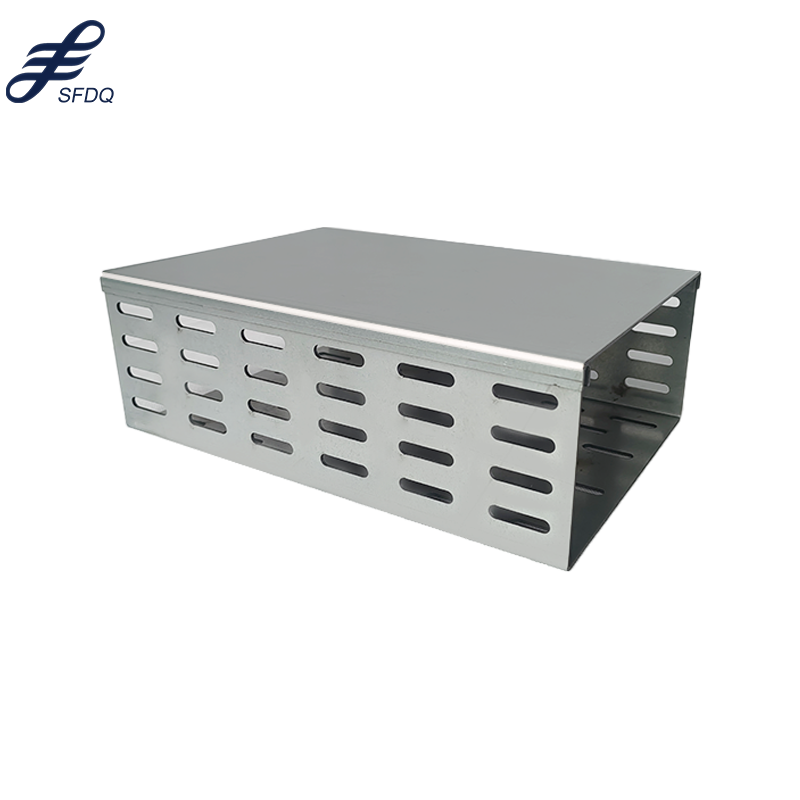
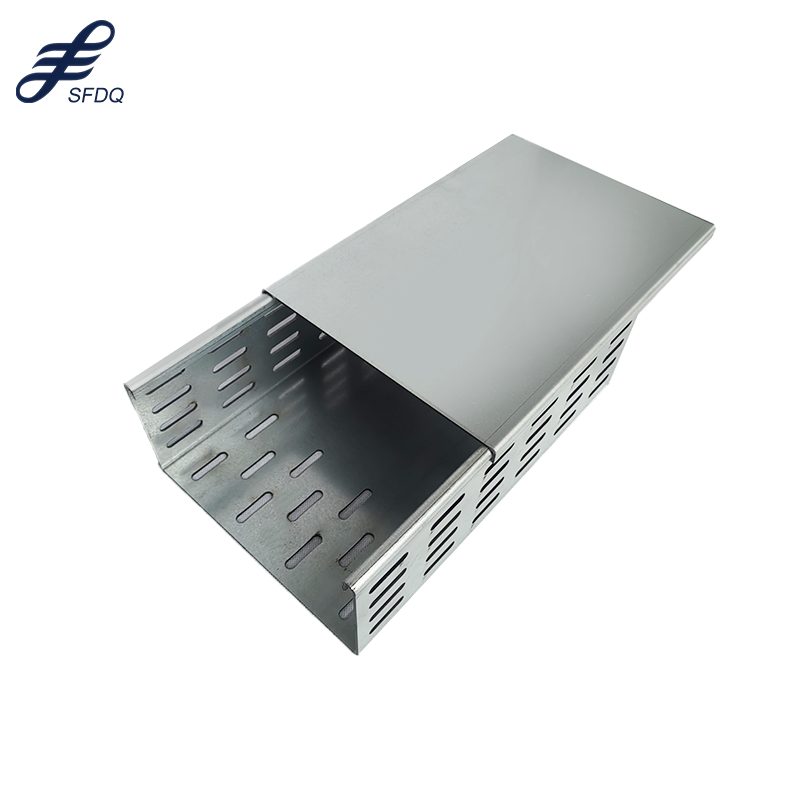
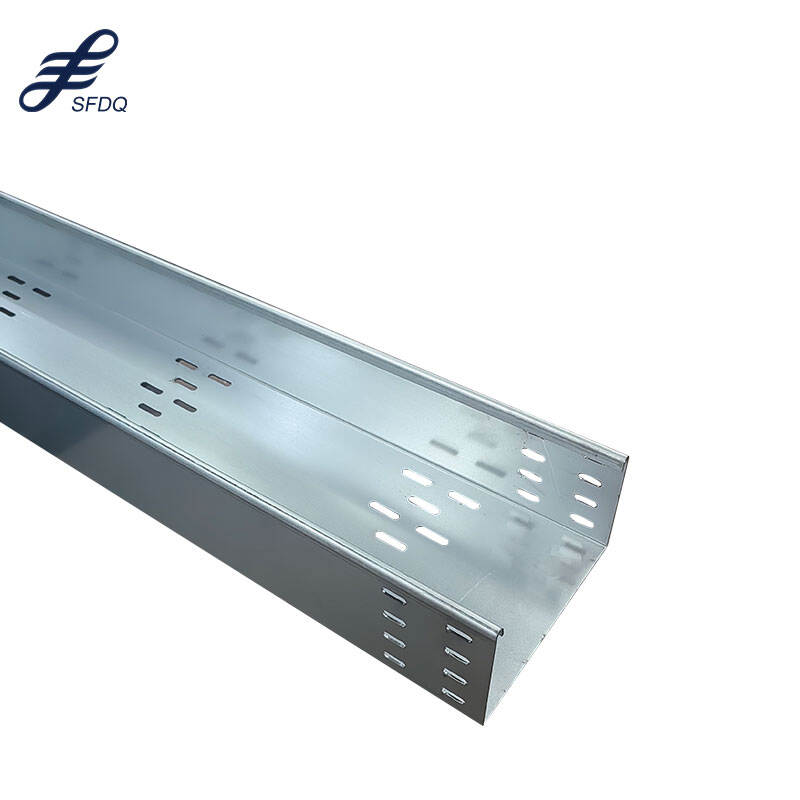
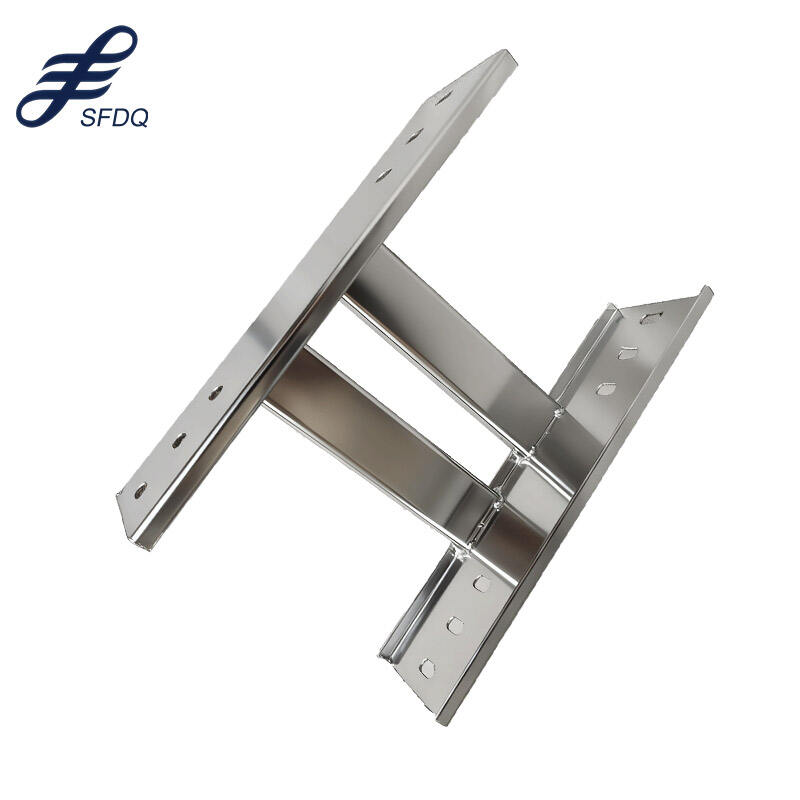
aluminum ladder cable tray
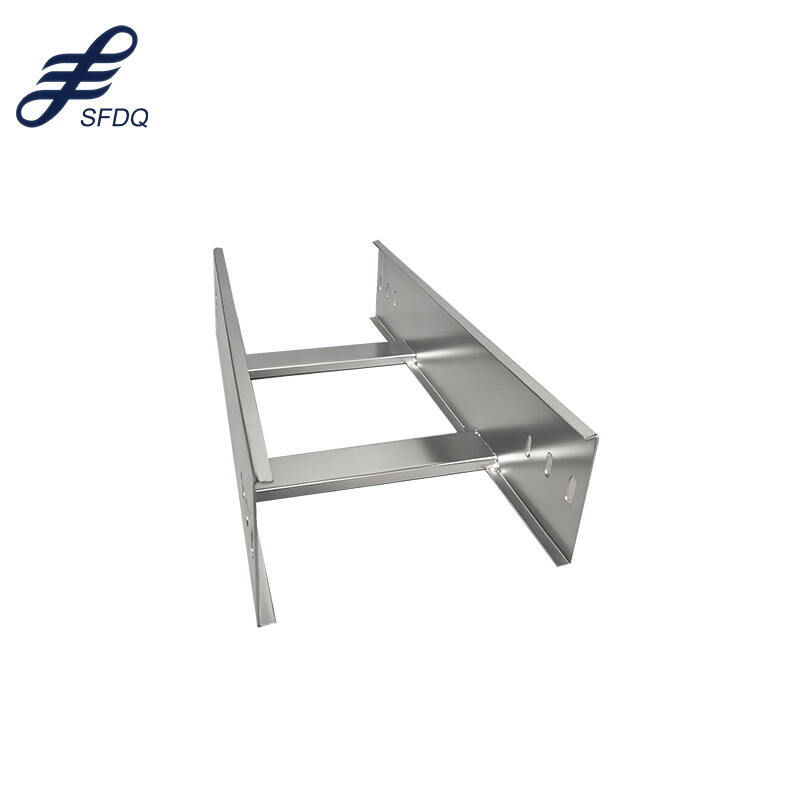
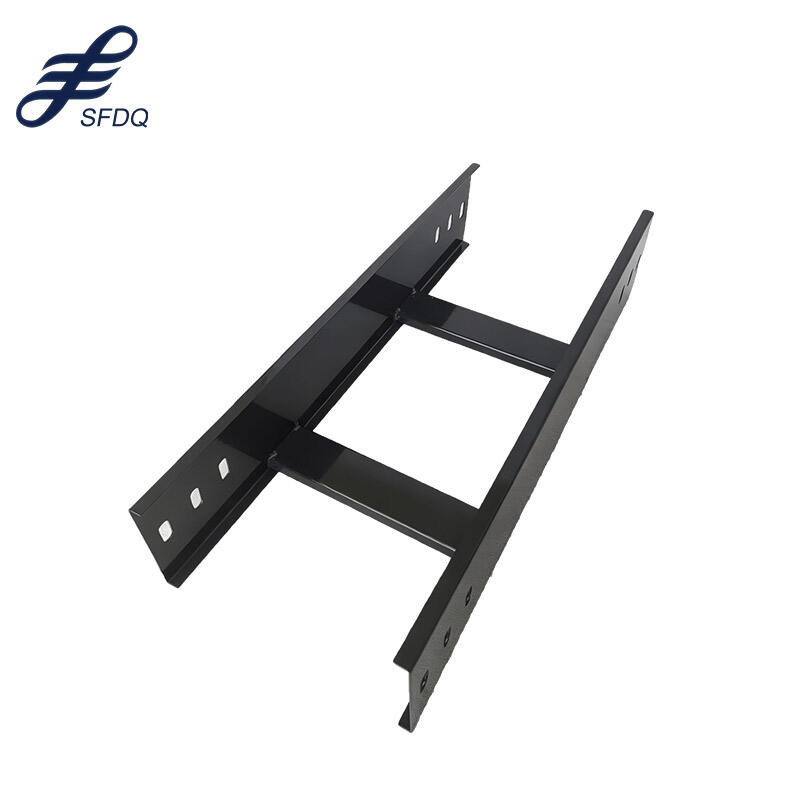
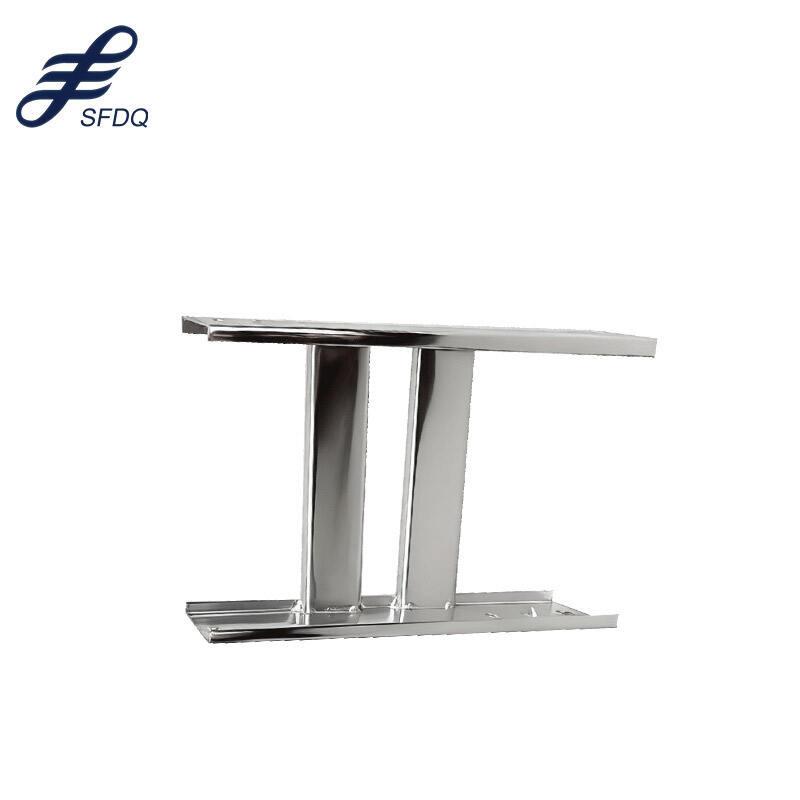
The aluminum ladder cable tray represents a sophisticated engineering solution designed to organize, support, and protect electrical cables in commercial, industrial, and residential installations. This innovative cable management system features a distinctive ladder-like construction with parallel rails connected by evenly spaced rungs, creating an open framework that facilitates superior cable routing and maintenance accessibility. The aluminum ladder cable tray serves as the backbone of modern electrical infrastructure, providing a reliable pathway for power, data, and communication cables while ensuring optimal performance and safety standards. The primary function of this cable management system centers on creating organized pathways for electrical conductors, preventing cable entanglement, reducing installation time, and enabling efficient troubleshooting procedures. The open design allows for natural air circulation around cables, preventing heat buildup that could compromise electrical performance or create safety hazards. Technological features include precision-engineered aluminum construction that delivers exceptional strength-to-weight ratios, corrosion resistance, and dimensional stability across varying environmental conditions. The modular design incorporates standardized components that enable seamless integration with existing electrical systems while accommodating future expansion requirements. Advanced manufacturing processes ensure consistent quality, precise tolerances, and reliable performance throughout the product lifecycle. Applications span diverse sectors including manufacturing facilities, data centers, office buildings, hospitals, educational institutions, and retail environments. The aluminum ladder cable tray excels in environments requiring high cable density, frequent modifications, or stringent cleanliness standards. Industrial applications benefit from the system's ability to handle heavy cable loads while maintaining accessibility for maintenance operations. Commercial installations utilize the tray's aesthetic appeal and space-efficient design to complement modern architectural requirements. The versatility of aluminum ladder cable tray systems makes them suitable for both indoor and outdoor applications, with proper protective coatings extending their utility to harsh environmental conditions.
 EN
EN