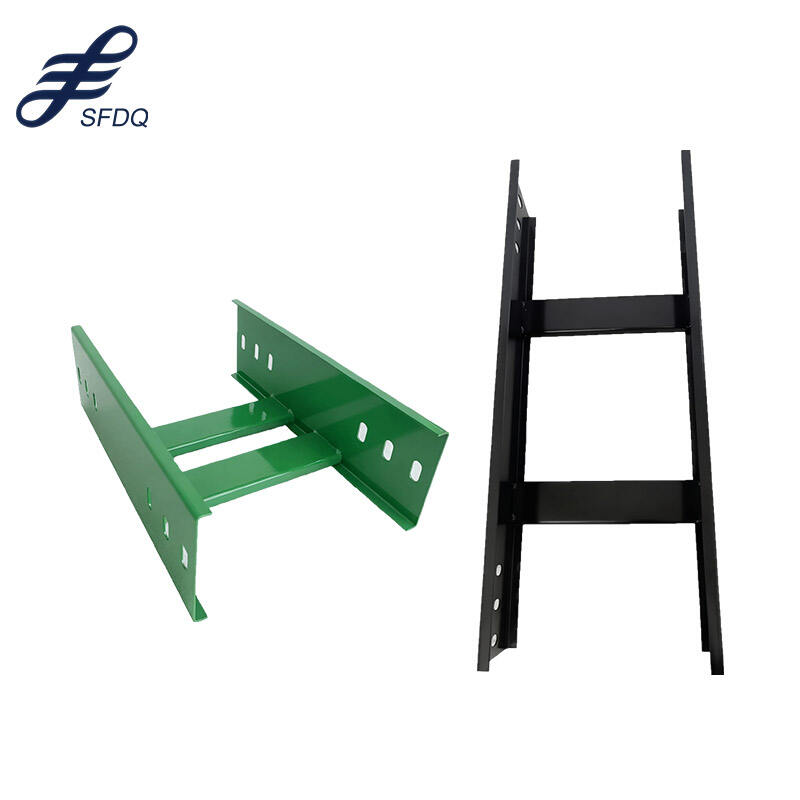
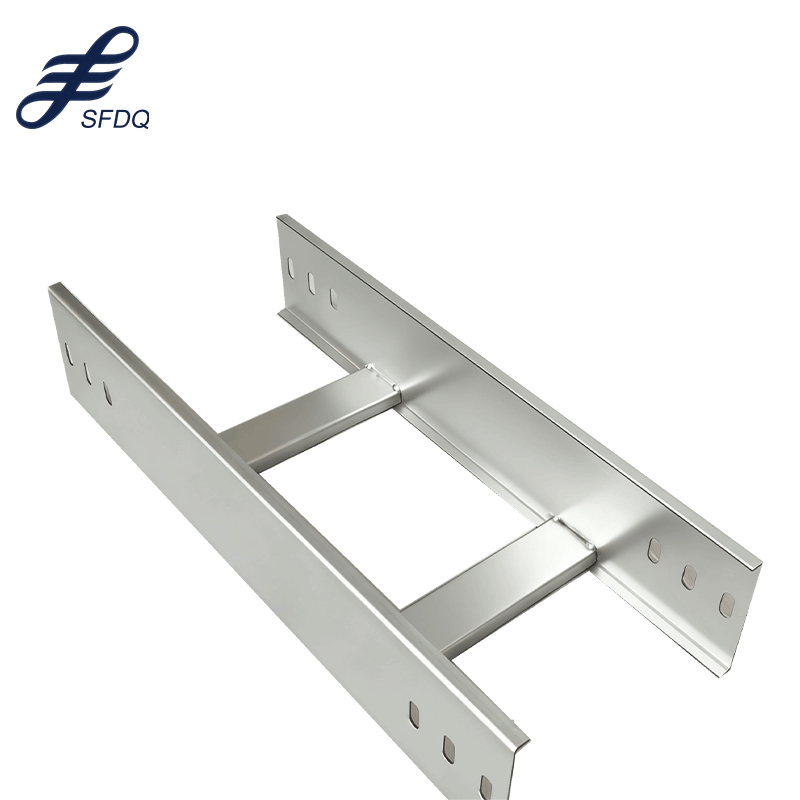
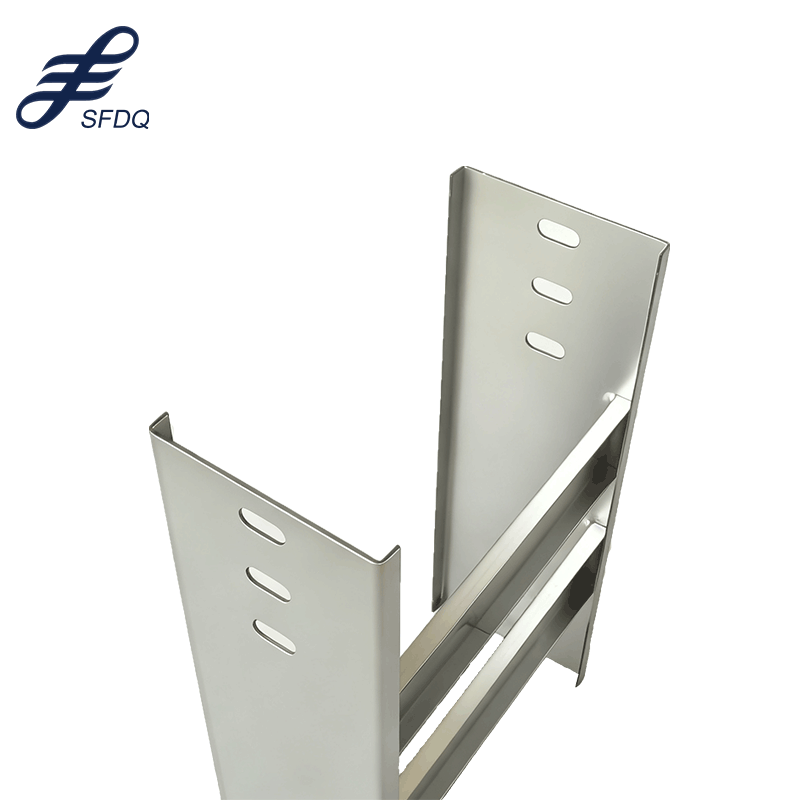
ladder rack tray
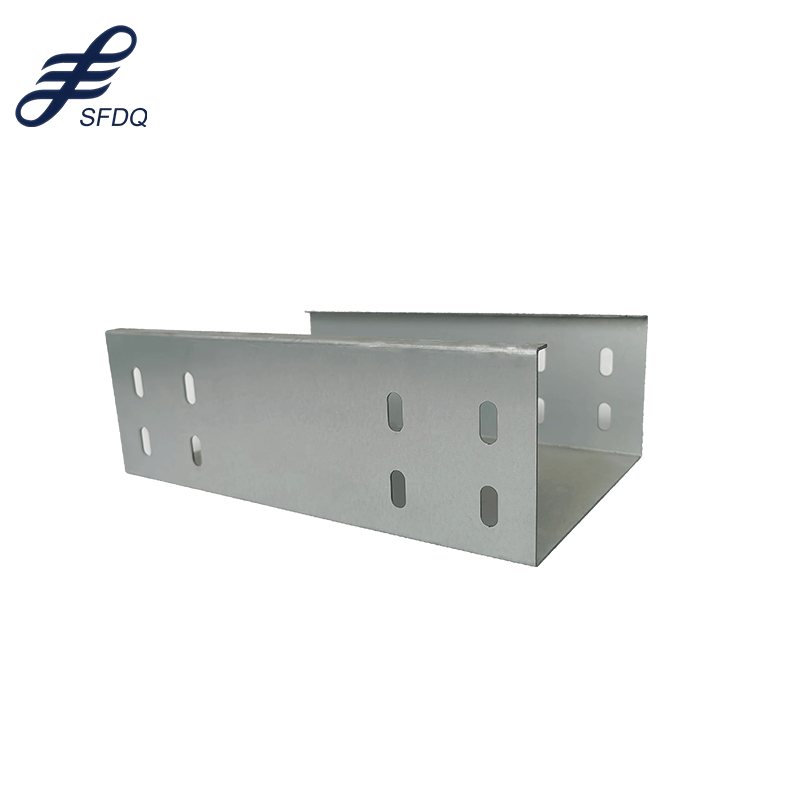
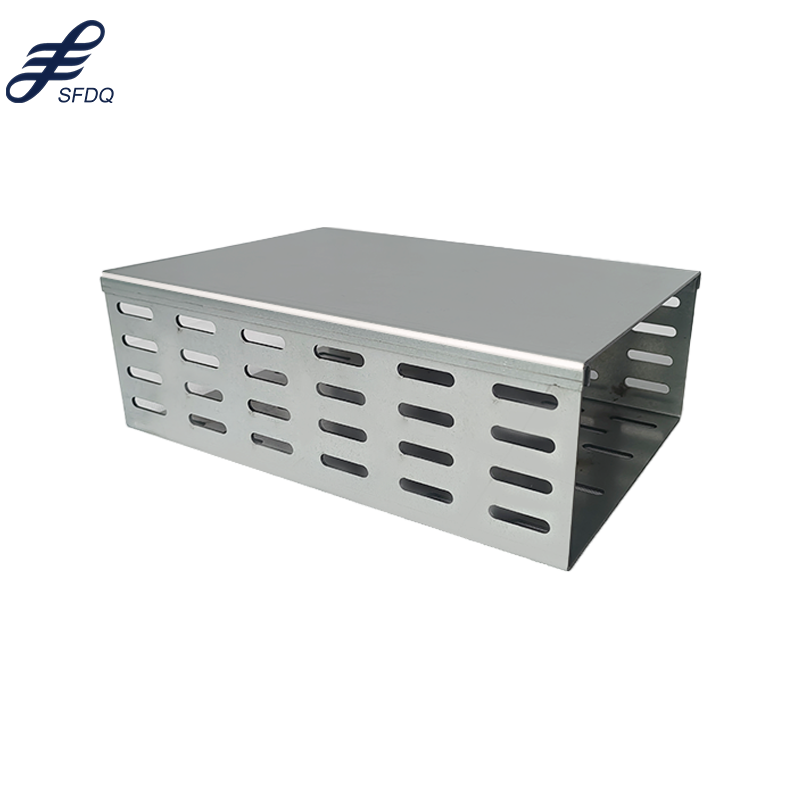
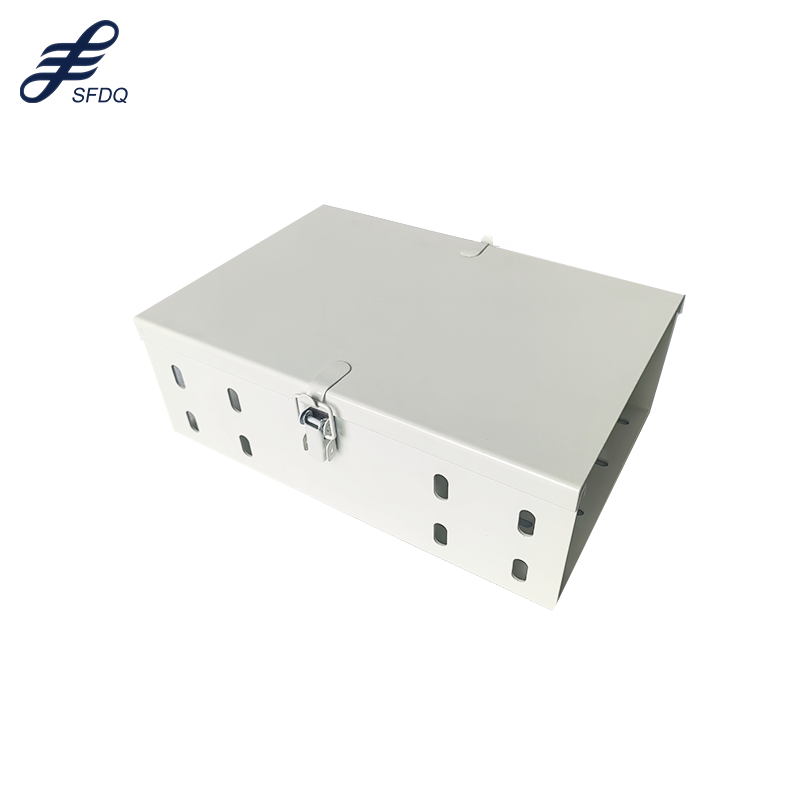
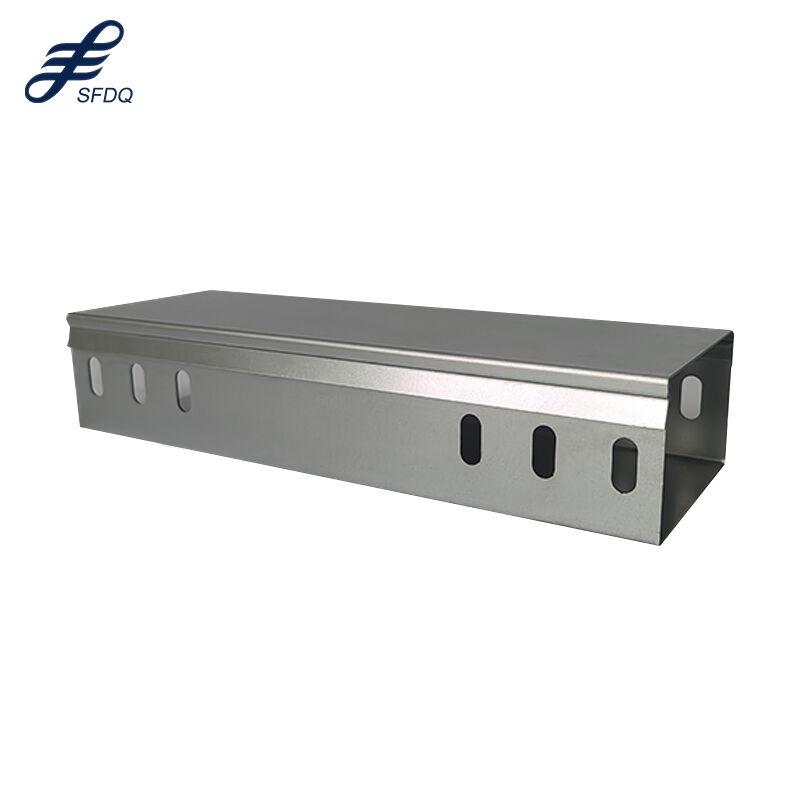
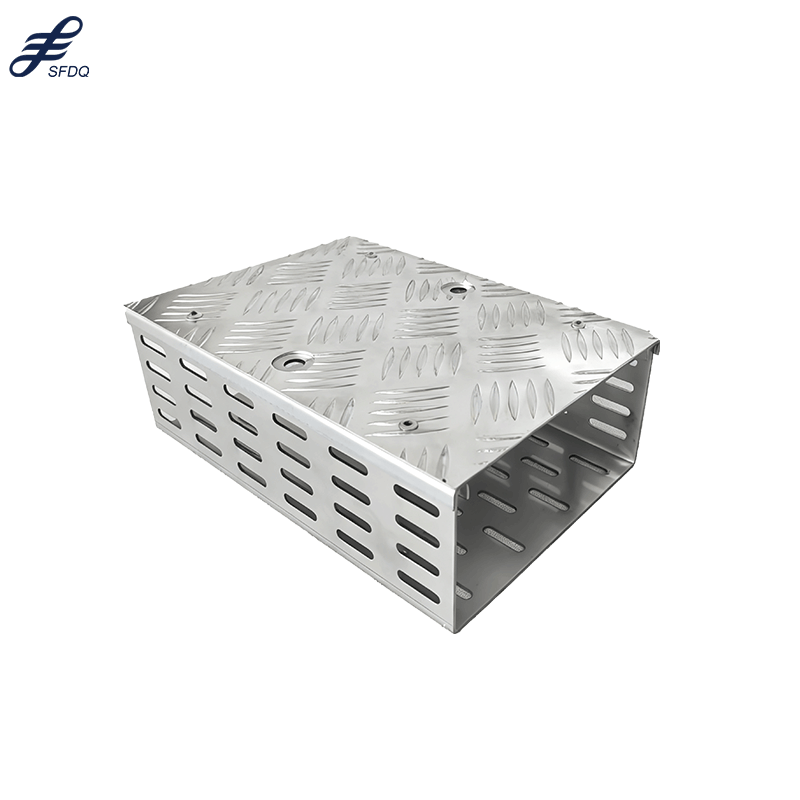
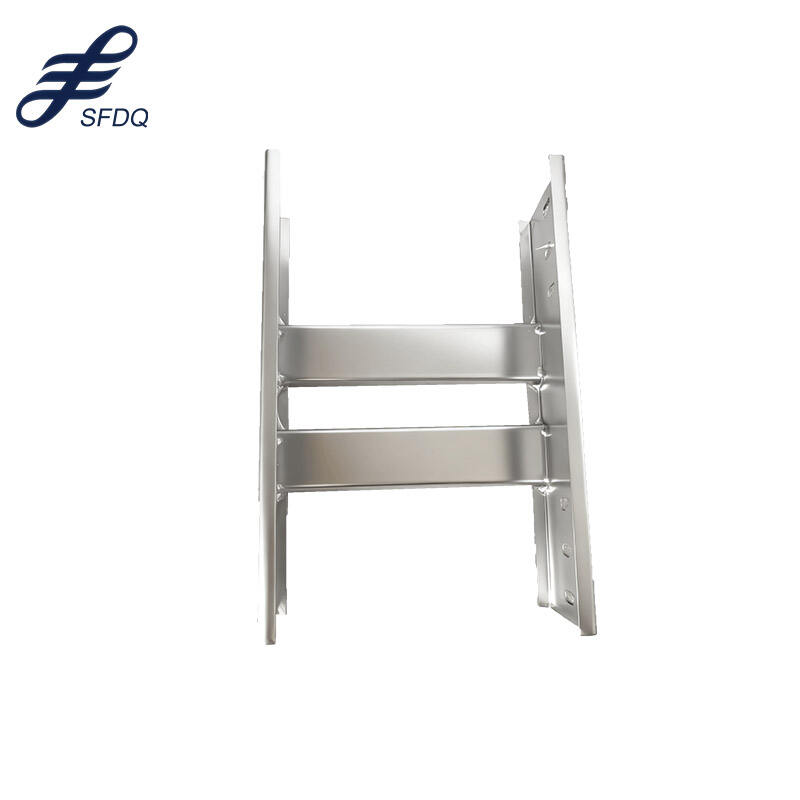
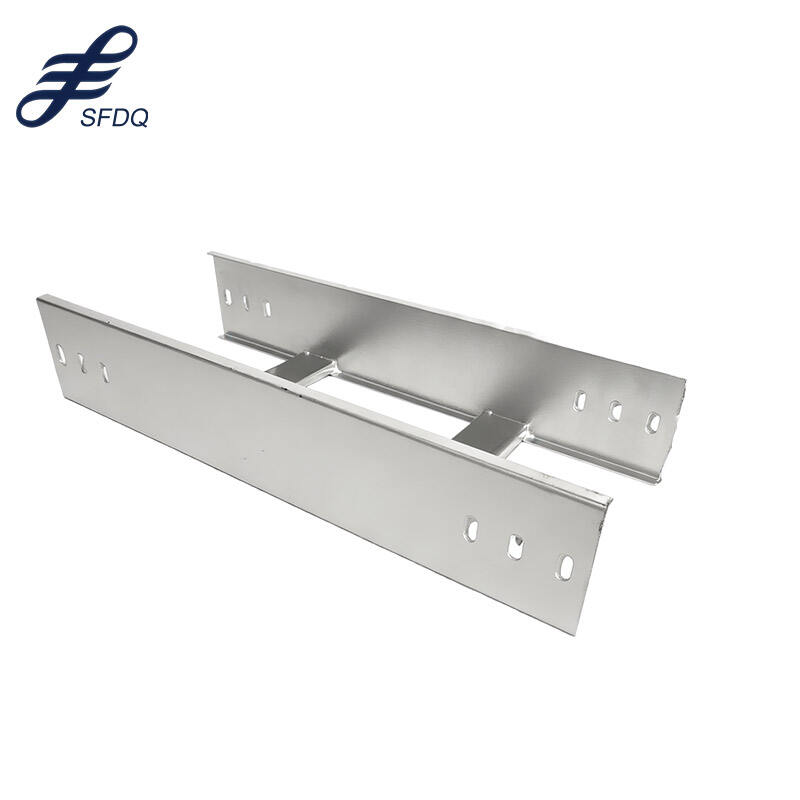
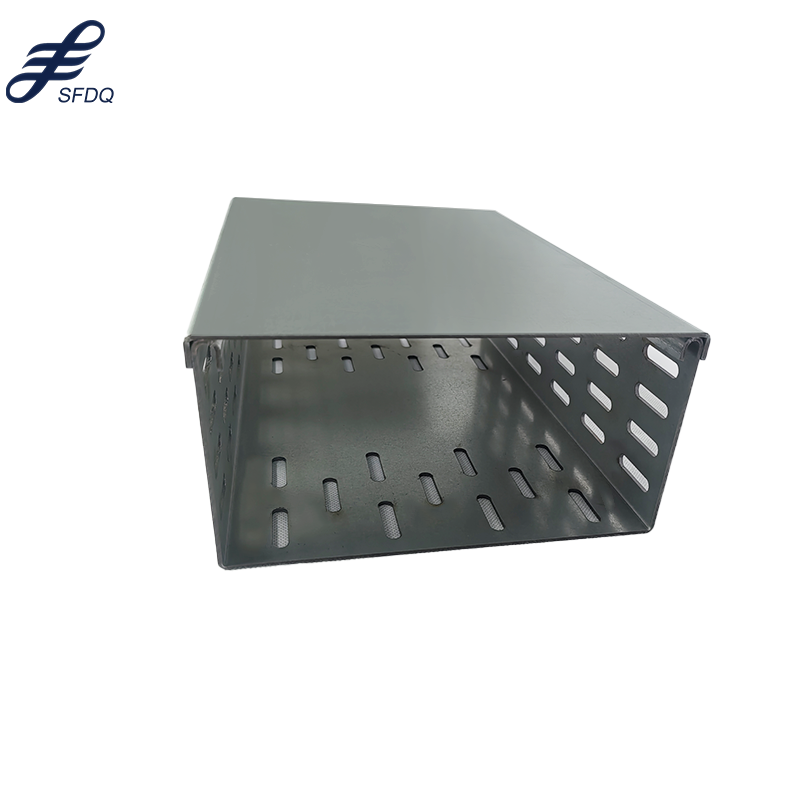
The ladder rack tray represents a revolutionary solution for cable management systems, designed to support and organize electrical cables, data lines, and communication wires in industrial, commercial, and residential settings. This innovative infrastructure component combines the structural integrity of traditional ladder racks with the enhanced functionality of integrated tray systems, creating a versatile platform for modern electrical installations. The ladder rack tray features a unique perforated or solid bottom design that provides continuous support for cables while maintaining excellent ventilation and accessibility. Its robust construction typically incorporates galvanized steel or aluminum materials, ensuring exceptional durability and corrosion resistance in various environmental conditions. The system utilizes a modular approach, allowing for easy customization and expansion as project requirements evolve. Key technological features include adjustable mounting brackets, flexible connection joints, and standardized dimensions that ensure compatibility with existing infrastructure components. The ladder rack tray supports various cable types, from heavy-duty power cables to delicate fiber optic lines, making it an ideal choice for diverse applications. Its design incorporates strategic ventilation openings that promote air circulation, preventing heat buildup and extending cable lifespan. The installation process is streamlined through innovative mounting mechanisms that reduce labor time and complexity. Advanced surface treatments provide superior protection against environmental factors such as moisture, chemicals, and temperature fluctuations. The ladder rack tray system accommodates both horizontal and vertical cable runs, offering maximum flexibility in routing configurations. Its load-bearing capacity exceeds industry standards, ensuring reliable performance even under heavy cable loads. The system integrates seamlessly with other cable management components, including conduits, junction boxes, and distribution panels, creating a comprehensive infrastructure solution that meets the demanding requirements of modern electrical installations.
 EN
EN