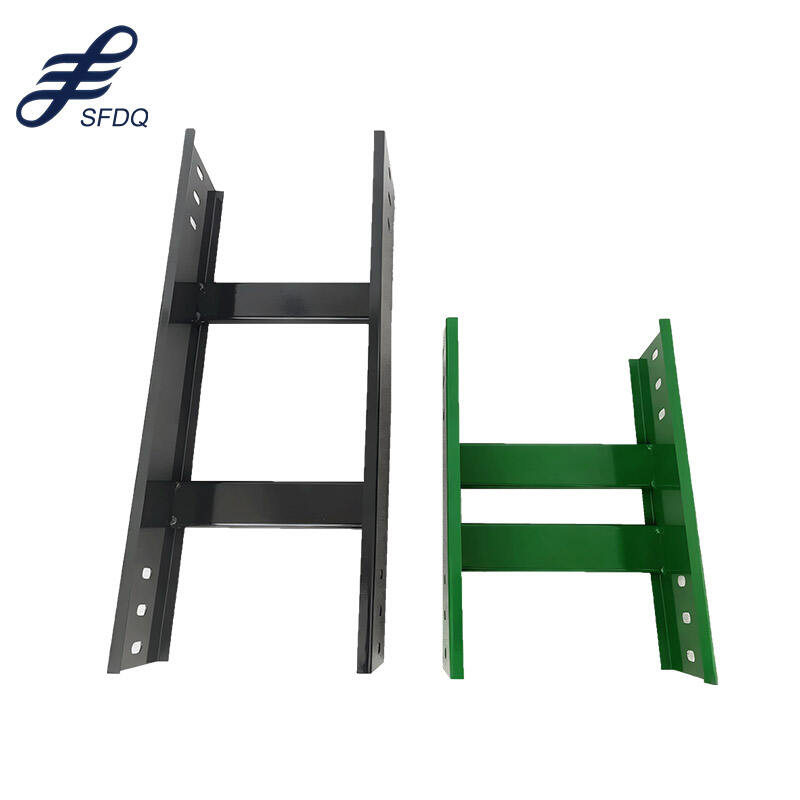
Versatile Installation Flexibility and Future Expansion Capabilities
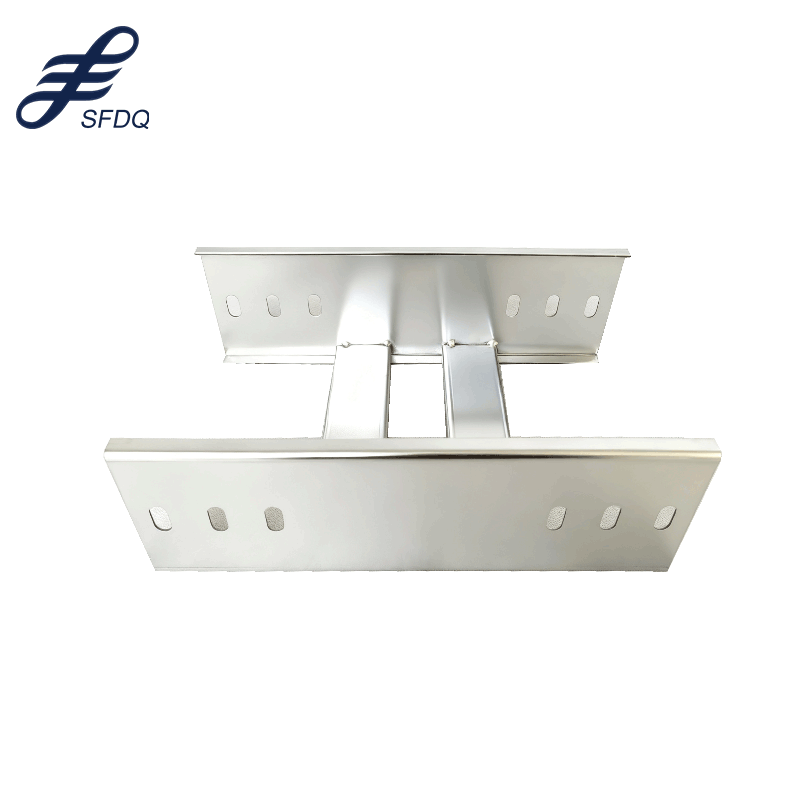
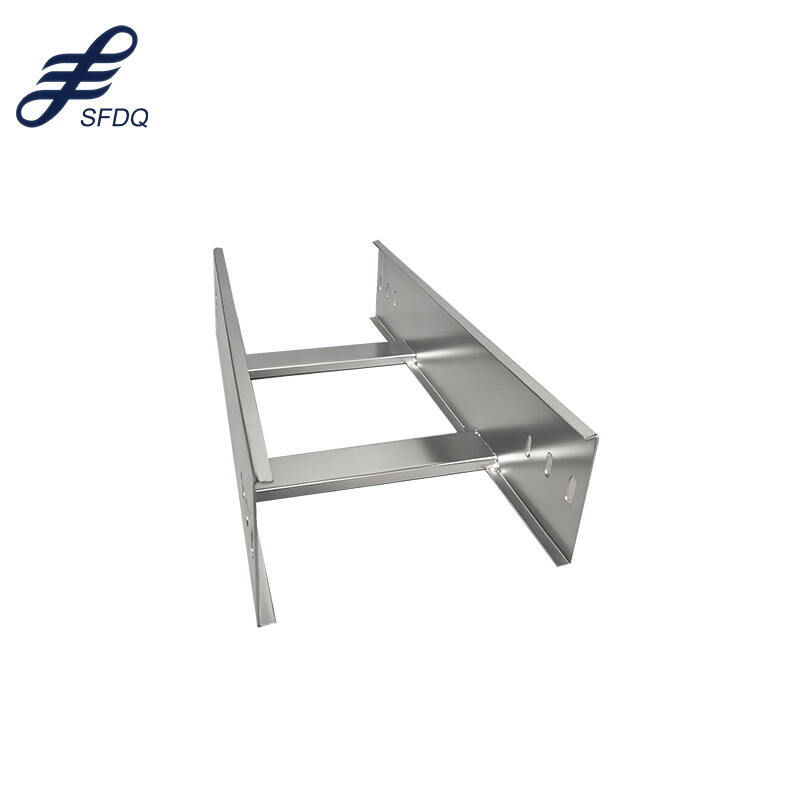
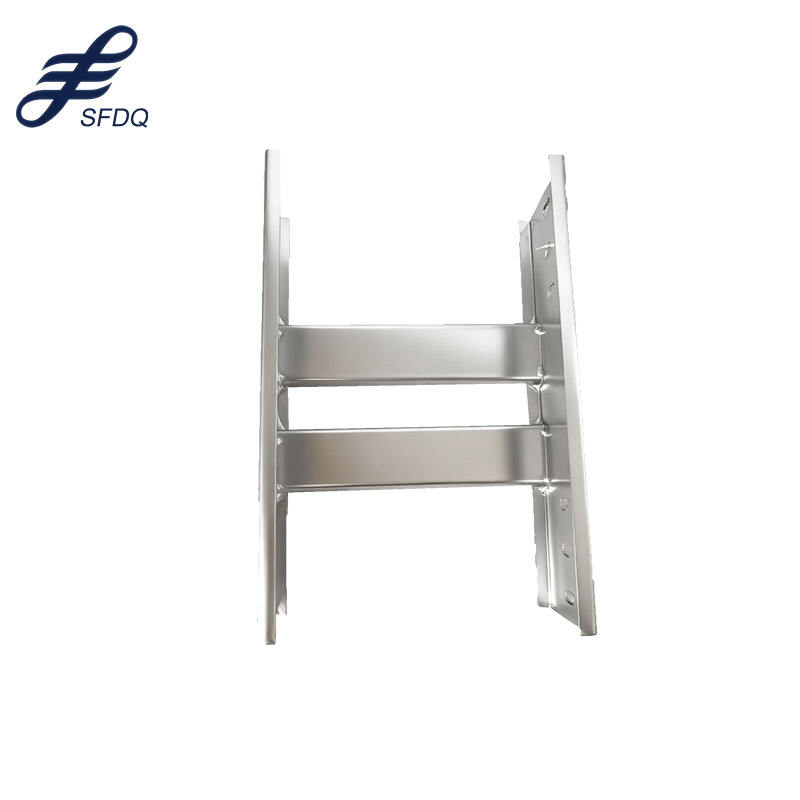
The 150mm ladder tray system offers unparalleled installation versatility through its modular design architecture that accommodates complex routing requirements while maintaining ease of installation and future modification capabilities. The standardized connection methods enable installers to create custom pathway configurations that navigate around architectural obstacles, mechanical equipment, and structural elements without compromising system integrity or cable protection. The comprehensive range of fittings, bends, tees, and transitions allows for seamless integration with existing infrastructure while providing optimal cable routing solutions for challenging installation environments. Expansion capabilities represent a significant advantage for growing facilities, as the 150mm ladder tray system can be easily extended or modified without disrupting existing cable installations or requiring major infrastructure changes. The modular approach enables phased installation strategies that align with project budgets and operational requirements, allowing facility managers to implement cable management solutions incrementally as needs develop. The standardized dimensions ensure compatibility with accessories and components from multiple manufacturers, providing procurement flexibility and competitive pricing opportunities throughout the project lifecycle. Installation teams benefit from the lightweight construction and ergonomic design features that reduce physical strain and safety risks associated with cable tray installation in elevated or confined spaces. The pre-engineered mounting systems simplify attachment to various structural materials including steel, concrete, and wood while ensuring secure, code-compliant installations. Field modifications can be accomplished using standard tools and techniques, eliminating the need for specialized equipment or extensive training programs. The 150mm ladder tray system supports diverse cable types simultaneously, including power, data, fiber optic, and control cables, reducing the need for separate management systems and associated installation costs. Future technology upgrades and cable additions integrate seamlessly into existing installations, protecting infrastructure investments while supporting evolving operational requirements in modern facilities.
 EN
EN