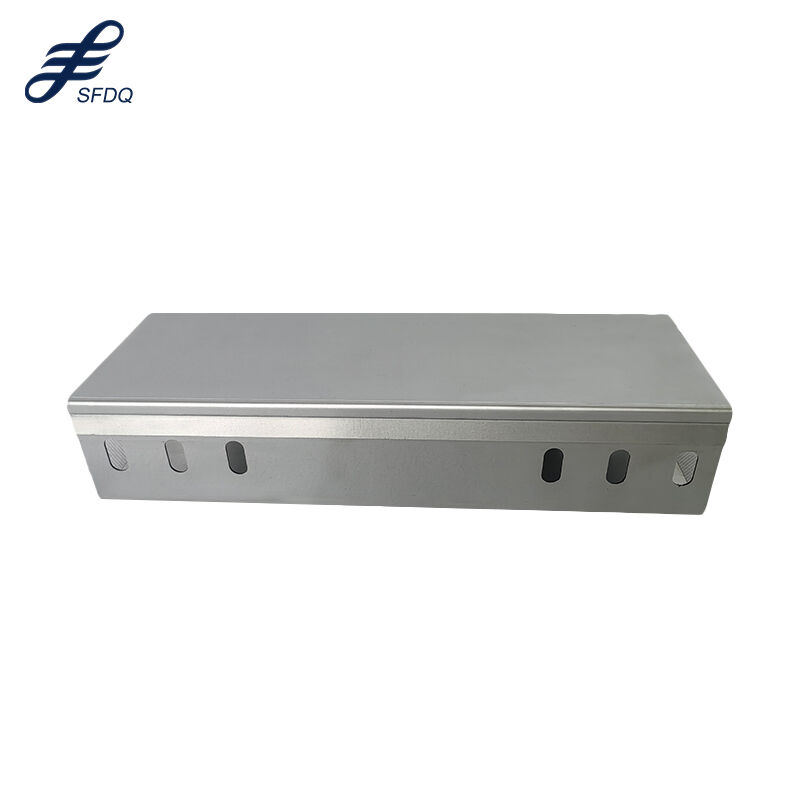
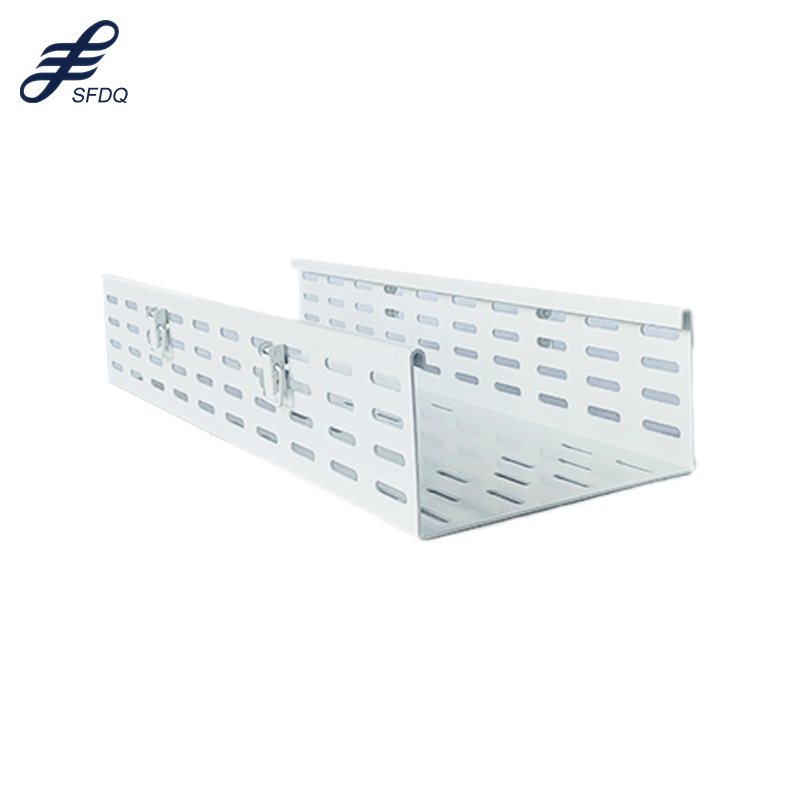
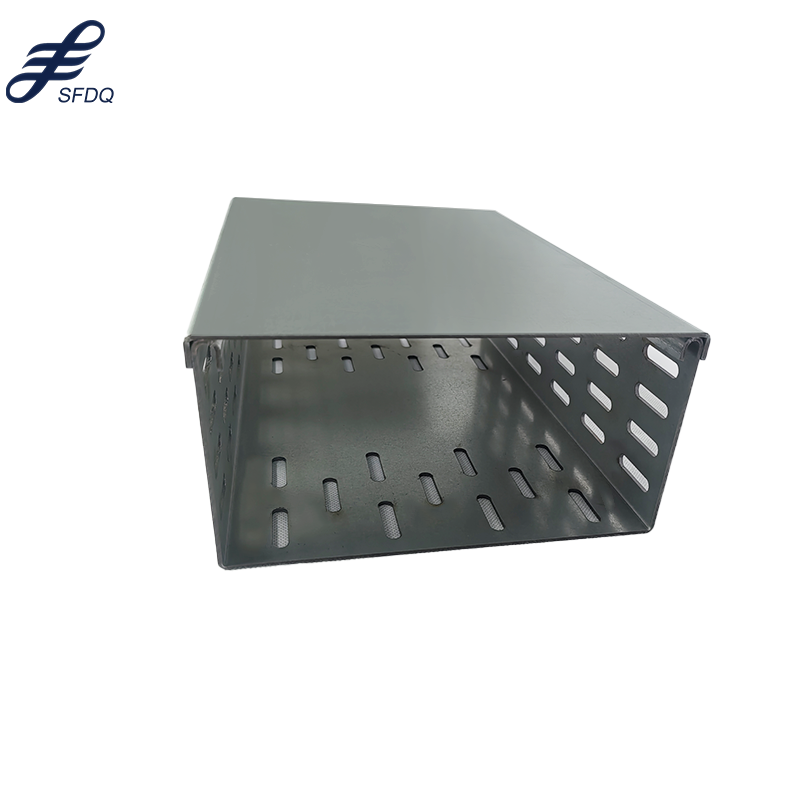
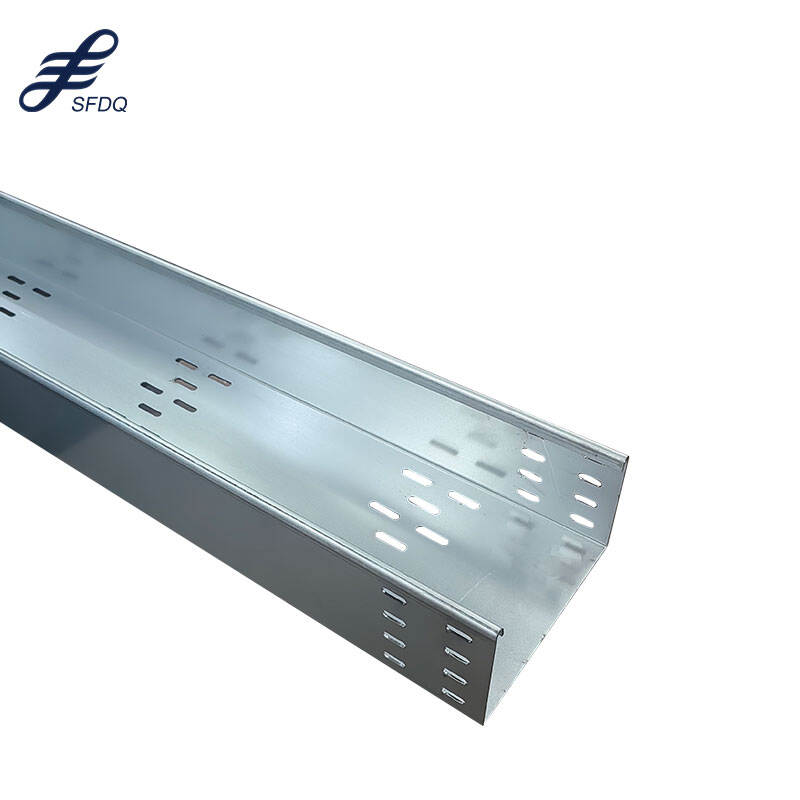
Ladder Tray Cable Solutions: Superior Performance, Flexibility & Cost-Effective Installation

Get a Free Quote

Our representative will contact you soon.
Email
Name
Company Name
WhatsApp
Message
0/1000

ladder tray cable

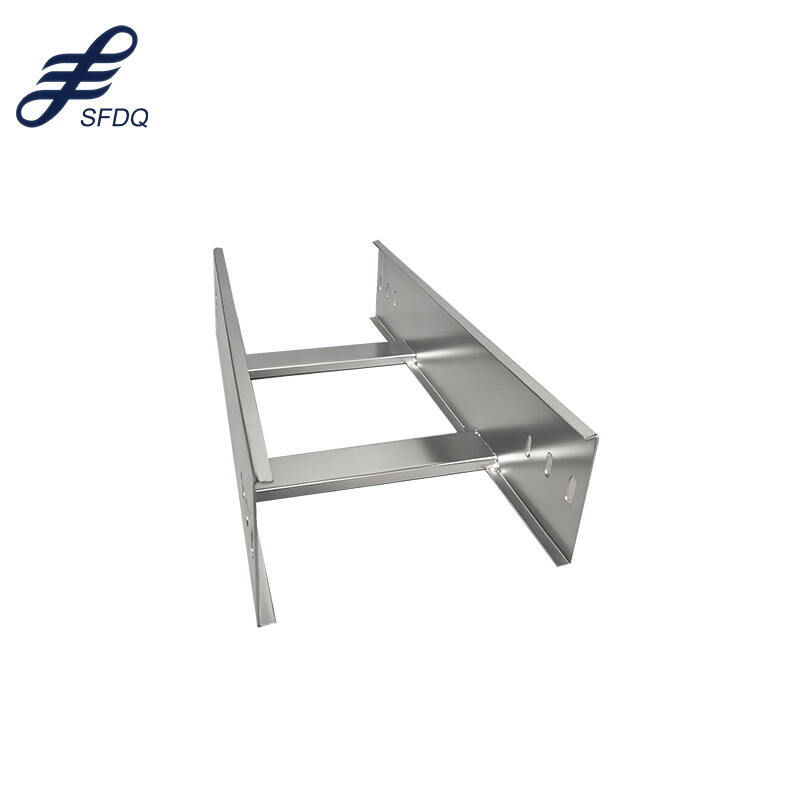
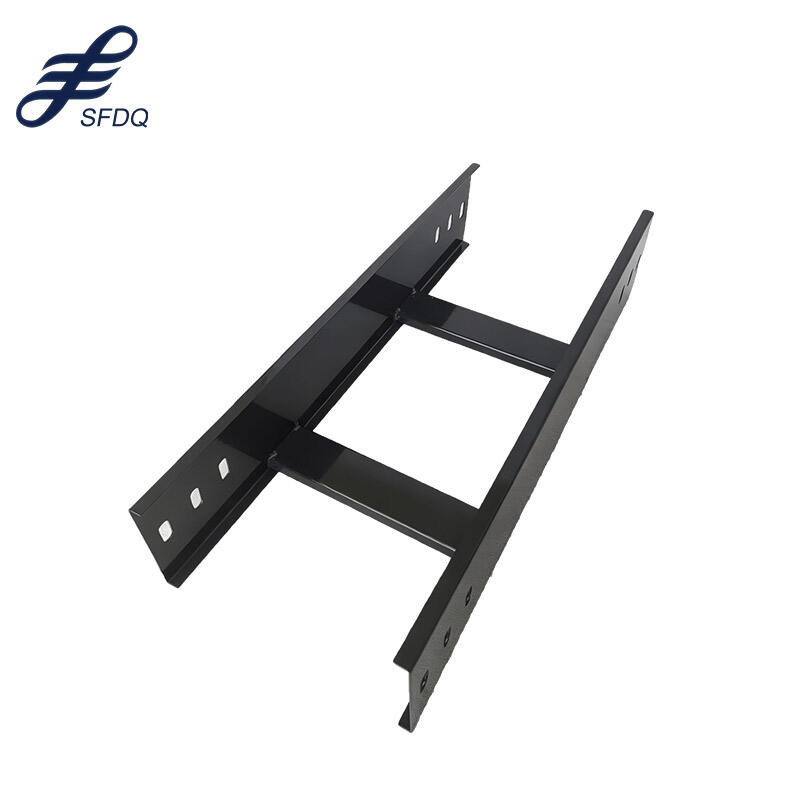
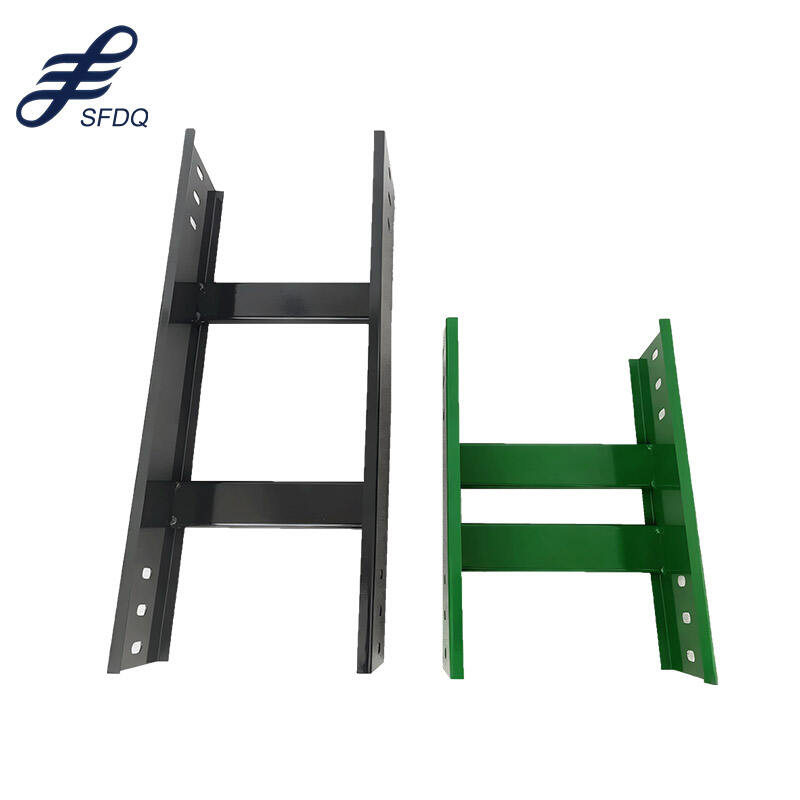
Ladder tray cable represents a sophisticated solution for modern electrical infrastructure, combining robust mechanical protection with exceptional flexibility for cable management systems. This specialized cable type integrates seamlessly with ladder-style cable tray installations, providing reliable power transmission and data communication across diverse industrial and commercial environments. The ladder tray cable features enhanced construction materials that resist environmental stressors while maintaining optimal electrical performance throughout extended operational periods. Engineering teams design these cables with specific characteristics that complement the open-rung structure of ladder trays, ensuring proper ventilation and heat dissipation during high-load operations. The cable's outer jacket incorporates flame-retardant compounds that meet stringent safety standards, while internal conductors utilize high-purity copper or aluminum alloys for superior conductivity. Advanced insulation materials protect against moisture intrusion, chemical exposure, and temperature fluctuations commonly encountered in industrial settings. The ladder tray cable supports various voltage ratings, from low-voltage control circuits to medium-voltage power distribution systems, making it versatile for multiple applications. Installation procedures become streamlined due to the cable's flexible design, which accommodates the angular transitions and directional changes inherent in ladder tray routing. Quality manufacturing processes ensure consistent dimensional tolerances that facilitate proper securing methods within tray systems. The cable's construction also considers electromagnetic interference shielding when required, protecting sensitive data transmission lines from external electrical noise. Maintenance accessibility improves significantly with ladder tray cable installations, as technicians can easily identify, inspect, and replace individual cables without disrupting entire cable bundles. This modular approach reduces downtime and maintenance costs while enhancing system reliability across critical infrastructure applications.

Popular Products

The ladder tray cable delivers substantial cost savings through reduced installation time and simplified maintenance procedures that benefit facility managers and electrical contractors alike. Installation crews can route these cables quickly through ladder tray systems without requiring complex pulling equipment or extensive conduit preparation, cutting labor costs by up to forty percent compared to traditional conduit installations. The open design of ladder trays allows natural air circulation around cables, preventing overheating issues that commonly plague enclosed cable management systems, thereby extending cable lifespan and reducing replacement frequency. Flexibility stands as a major advantage, enabling easy system modifications and expansions without major infrastructure changes or costly rewiring projects. The ladder tray cable's robust construction withstands harsh industrial environments, including exposure to chemicals, oils, and extreme temperatures, ensuring reliable operation in manufacturing plants, petrochemical facilities, and outdoor installations. Safety features integrated into the cable design include flame-retardant materials that slow fire propagation and low-smoke compounds that improve visibility during emergency evacuations. The modular nature of ladder tray installations allows selective cable replacement or upgrades without affecting adjacent circuits, minimizing operational disruptions in critical facilities. Electrical performance remains consistent throughout the cable's service life due to high-quality conductor materials and advanced insulation systems that maintain proper impedance characteristics and minimize signal degradation. The ladder tray cable supports higher current carrying capacity compared to cables installed in enclosed raceways because improved heat dissipation prevents derating factors typically applied in confined spaces. Inspection and testing procedures become more efficient since cables remain visible and accessible within the ladder tray framework, enabling proactive maintenance strategies that prevent unexpected failures. Environmental compliance improves as ladder tray cable installations reduce material waste and support sustainable building practices through their recyclable components and extended service life. The system's adaptability accommodates future technology upgrades and capacity expansions without requiring complete infrastructure replacement, protecting long-term investment value for facility owners.

Latest News

​Cable Tray: The Backbone of Efficient Cable Management - From SFDQ Factory

20

Nov

​Cable Tray: The Backbone of Efficient Cable Management - From SFDQ Factory

View More
Why Choose SFDQ’s Cable Tray?

20

Nov

Why Choose SFDQ’s Cable Tray?

View More
Unlock the Power of Factory Cable Trays with CE and ISO Certifications

20

Nov

Unlock the Power of Factory Cable Trays with CE and ISO Certifications

View More
SFDQ Participates in Saudi Exhibitions

05

Dec

SFDQ Participates in Saudi Exhibitions

Bringing High-Quality Cable Trays to Deepen Presence in the Middle East Infrastructure Market​
View More

Get a Free Quote

Our representative will contact you soon.
Email
Name
Company Name
WhatsApp
Message
0/1000

ladder tray cable

Superior Heat Dissipation and Current Carrying Capacity

Superior Heat Dissipation and Current Carrying Capacity

The exceptional thermal management capabilities of ladder tray cable systems revolutionize electrical installations by maximizing current carrying capacity while ensuring safe operating temperatures. Unlike cables confined within enclosed conduits or cable trays, ladder tray cable benefits from unrestricted airflow around each individual cable, creating optimal heat dissipation conditions that prevent dangerous temperature buildup. This enhanced cooling effect allows electrical engineers to specify smaller cable sizes for equivalent current loads, resulting in significant material cost savings and reduced installation complexity. The open-rung design of ladder trays promotes natural convection currents that continuously remove heat generated by electrical resistance, maintaining cable temperatures well below critical thresholds even during peak demand periods. Industrial facilities operating high-powered equipment particularly benefit from this thermal advantage, as motor circuits, transformer feeders, and large lighting systems can operate at full capacity without requiring oversized cables or additional cooling systems. The ladder tray cable's construction incorporates advanced insulation materials specifically formulated to withstand elevated temperatures while maintaining electrical integrity, ensuring long-term reliability even in demanding thermal environments. Temperature monitoring becomes more accurate and practical with ladder tray installations, as infrared thermography and contact temperature measurements can be performed easily during routine inspections. This accessibility enables predictive maintenance programs that identify potential overheating issues before they cause equipment failures or safety hazards. The improved heat dissipation also extends cable insulation life by reducing thermal stress that typically degrades polymer materials over time, resulting in lower lifecycle costs and improved system reliability. Manufacturing processes for ladder tray cable incorporate thermal modeling to optimize conductor sizing, insulation thickness, and jacket materials for maximum current carrying capacity within specific tray configurations. Quality control testing verifies thermal performance under various loading conditions, ensuring consistent performance across different installation environments and operational requirements.
Enhanced Accessibility and Maintenance Efficiency

Enhanced Accessibility and Maintenance Efficiency

Ladder tray cable installations provide unparalleled accessibility for maintenance operations, inspection procedures, and system modifications that dramatically reduce operational costs and improve facility uptime. The open architecture of ladder tray systems allows maintenance technicians to visually inspect cable conditions without removing protective covers or dismantling enclosed raceways, enabling early detection of potential problems such as insulation damage, connector loosening, or environmental degradation. This immediate accessibility translates into faster troubleshooting procedures when electrical faults occur, as technicians can quickly identify affected cables and isolate problems without extensive system shutdowns. Cable replacement procedures become significantly more efficient since individual cables can be removed and installed without disturbing adjacent circuits, minimizing the scope of maintenance outages and reducing associated production losses. The ladder tray cable's flexible design facilitates routing changes and system expansions that accommodate evolving facility requirements without major infrastructure modifications or costly rewiring projects. Documentation and labeling systems work more effectively with visible cable installations, as identification tags and circuit markers remain accessible for verification and updates throughout the system's operational life. Testing procedures for ladder tray cable systems require less preparation time and specialized equipment since test points remain accessible without cable pulling or temporary disconnections that complicate traditional enclosed installations. The maintenance advantages extend to emergency response scenarios where rapid cable repairs or temporary rerouting may be necessary to restore critical services, as ladder tray systems provide multiple routing options and easy access to connection points. Predictive maintenance programs achieve greater effectiveness with ladder tray cable installations because condition monitoring equipment can be deployed easily and measurement accuracy improves when cables remain visible and accessible for instrumentation attachment. Training requirements for maintenance personnel decrease since ladder tray cable systems use standardized installation methods and visible routing paths that simplify system understanding and troubleshooting procedures. Cost tracking and inventory management improve as cable quantities, types, and conditions can be verified through visual inspection without requiring detailed documentation searches or system drawings that may not reflect actual field conditions.
Exceptional Flexibility and Future-Proof Installation Design

Exceptional Flexibility and Future-Proof Installation Design

The inherent flexibility of ladder tray cable systems provides unprecedented adaptability for evolving electrical infrastructure needs, making them ideal for facilities that require frequent modifications, expansions, or technology upgrades. Unlike rigid conduit systems that lock cables into permanent routing paths, ladder tray cable installations accommodate dynamic facility changes through easily reconfigured cable routing and support structures that adapt to new equipment layouts or operational requirements. This flexibility proves invaluable in manufacturing environments where production line reconfigurations, equipment upgrades, or process modifications require electrical system adjustments without major construction projects or extended downtime periods. The ladder tray cable's design supports mixed cable types within the same tray system, allowing power, control, and communication cables to coexist with appropriate separation and shielding as required by electrical codes and industry standards. Installation crews benefit from the modular approach of ladder tray systems, as cable routing can be planned and executed in phases, accommodating project schedules and budget constraints while maintaining system functionality throughout construction periods. The flexibility extends to vertical and horizontal transitions where ladder tray cable easily navigates complex routing paths through buildings, around obstacles, and between different elevation levels without requiring specialized fittings or complex pulling procedures. Future capacity planning becomes more practical with ladder tray cable installations since additional circuits can be incorporated by expanding existing tray systems rather than installing entirely new raceways or cable paths that may not align with original infrastructure. Technology evolution in industrial automation, data communications, and power management finds accommodation within ladder tray cable systems that can incorporate new cable types and specifications without fundamental system redesign. The economic benefits of this flexibility compound over time as facilities avoid repeated infrastructure investments while maintaining the ability to implement technological improvements and operational optimizations. Engineering design processes benefit from the standardized components and predictable installation methods associated with ladder tray cable systems, reducing design complexity and improving project cost estimation accuracy. Regulatory compliance remains manageable as ladder tray cable installations can be modified to meet changing codes and standards without requiring complete system replacement, protecting long-term investment value while ensuring continued safety and performance standards.
Inquiry Inquiry Email Email Tel Tel TopTop

Get a Free Quote

Our representative will contact you soon.
Email
Name
Company Name
WhatsApp
Message
0/1000