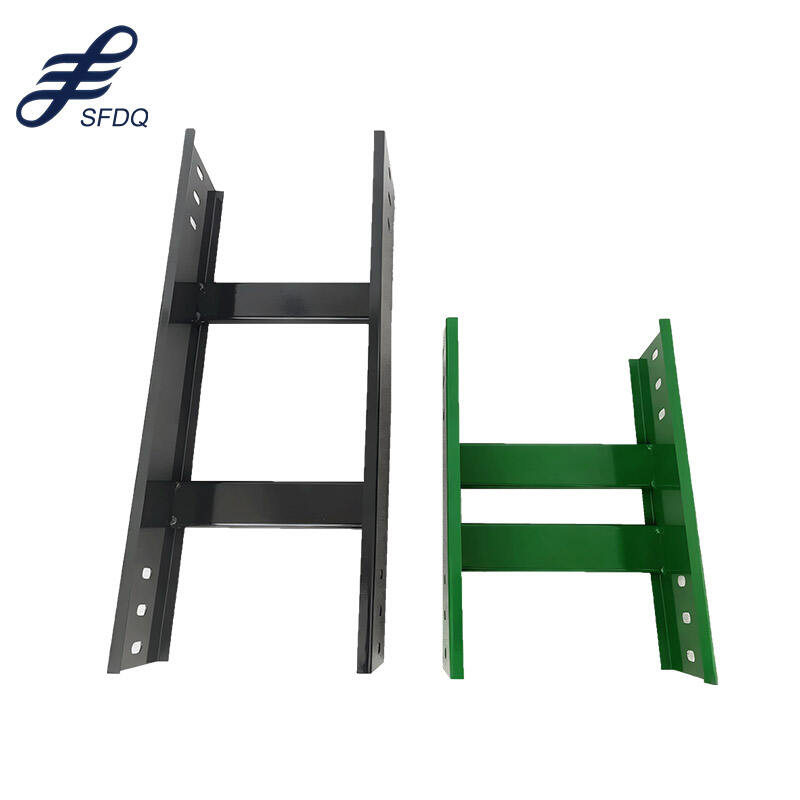
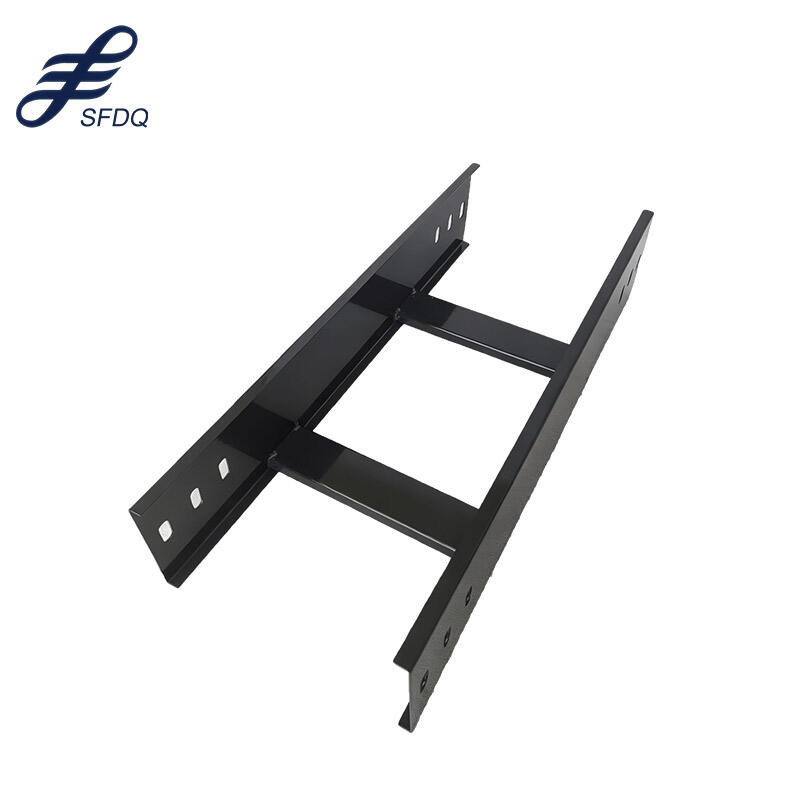
Superior Load Distribution and Structural Integrity
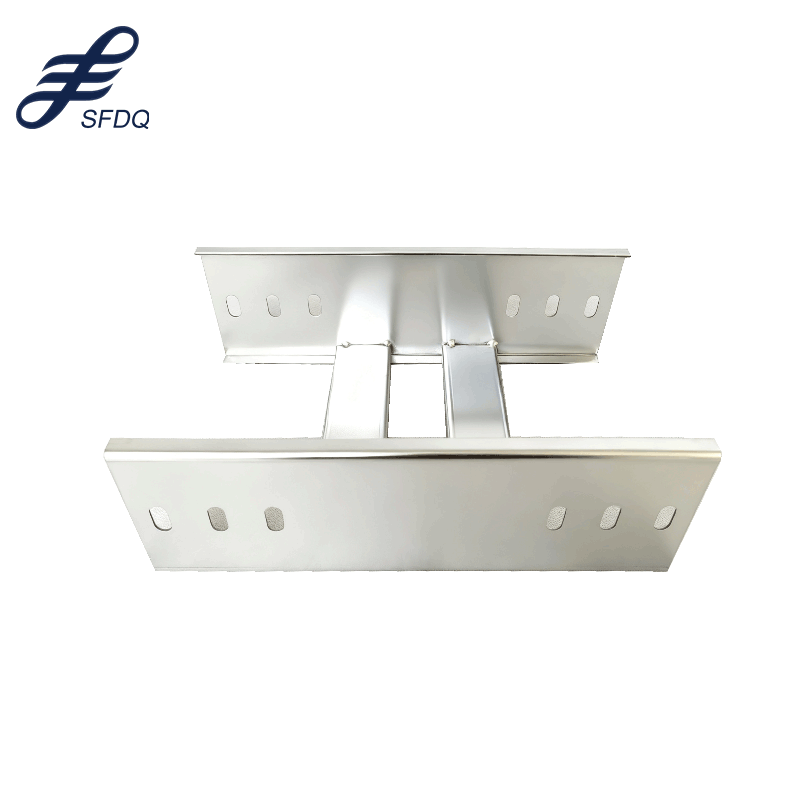
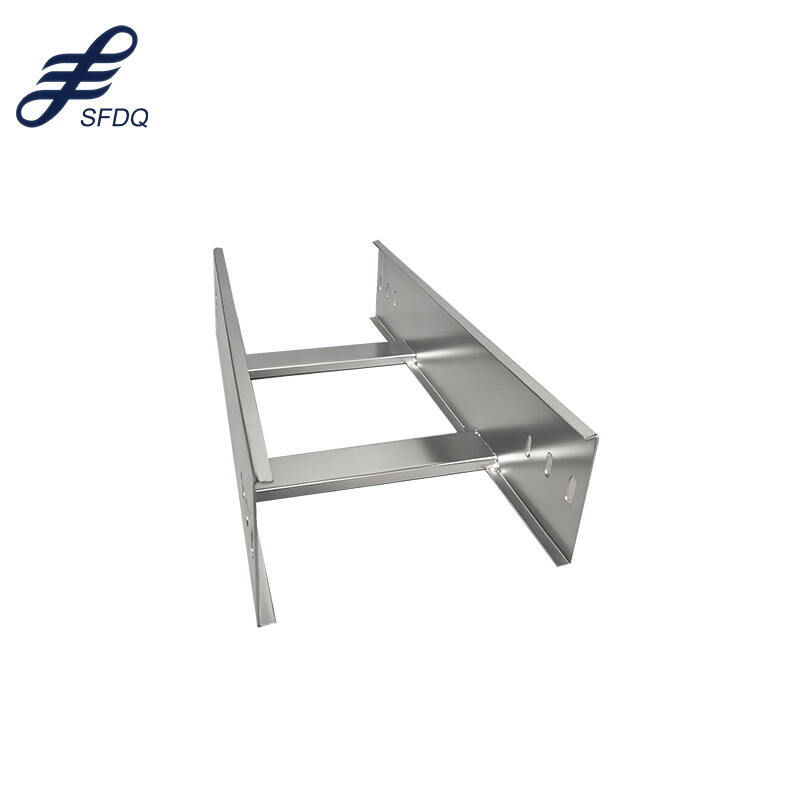
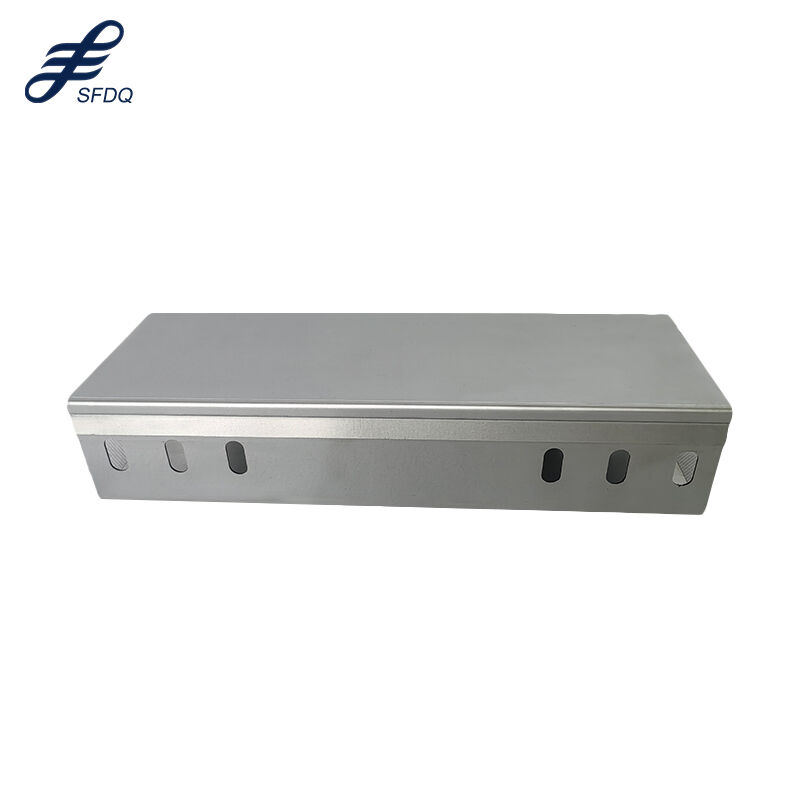
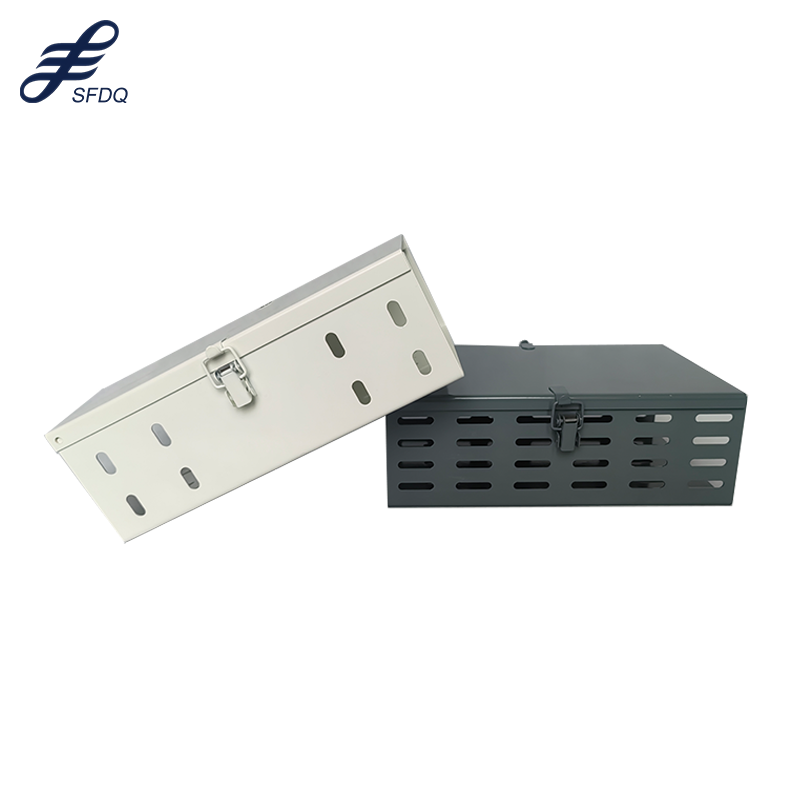
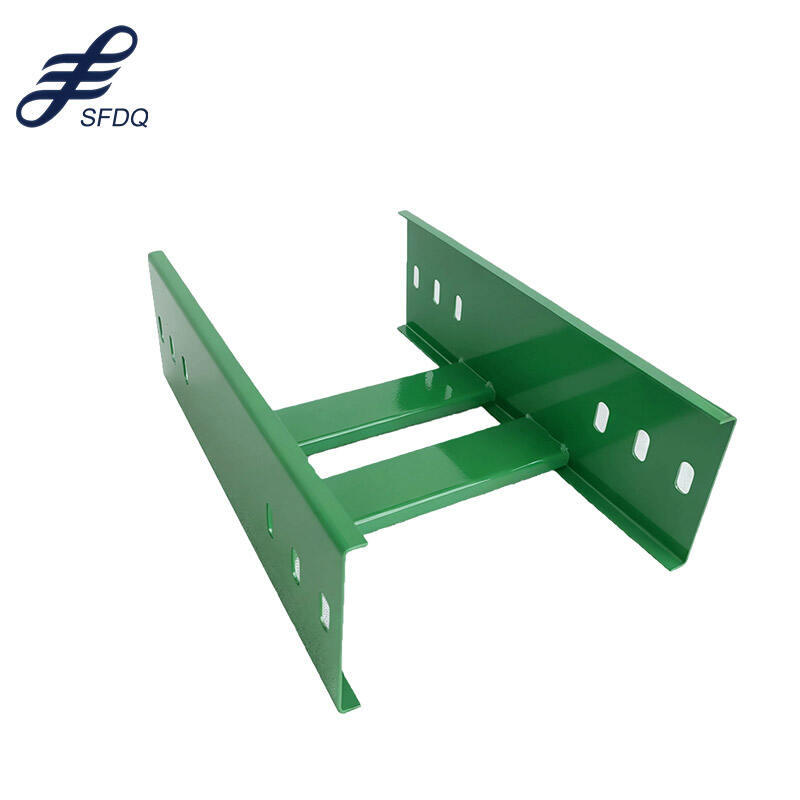
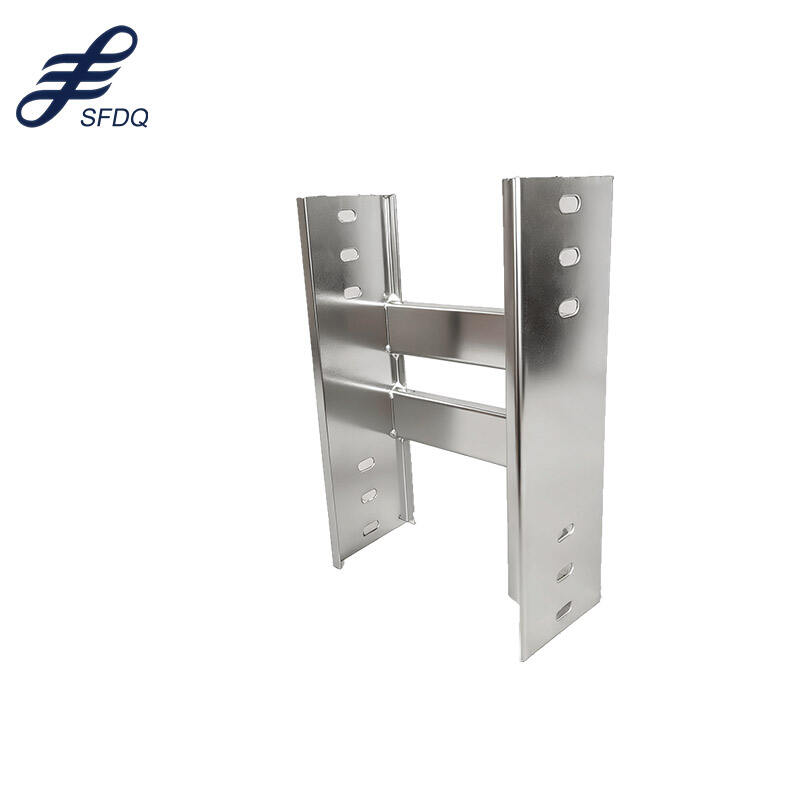
The 300mm ladder tray demonstrates exceptional structural engineering through its optimized rung spacing and reinforced side rail configuration, delivering unmatched load distribution capabilities that set industry benchmarks for cable support systems. The precisely calculated rung intervals, typically ranging from 150mm to 300mm depending on application requirements, create multiple support points that distribute cable weight evenly across the entire tray length, preventing stress concentrations that could lead to structural failure or cable damage. This distributed loading approach allows the 300mm ladder tray to support substantially heavier cable loads than narrower alternatives while maintaining deflection within acceptable engineering limits. The robust side rail construction, featuring rolled edges and reinforcement ribs, provides exceptional bending strength and torsional rigidity that ensures dimensional stability even under maximum rated loads. Advanced finite element analysis during the design phase optimizes material distribution to achieve maximum strength-to-weight ratios, resulting in a tray system that delivers superior performance without unnecessary material waste. The 300mm ladder tray's structural integrity extends beyond static load support to include dynamic loading scenarios, vibration resistance, and thermal expansion accommodation. Specialized connection hardware and joining methods maintain structural continuity across tray sections, creating seamless load paths that prevent weak points in extended installations. Quality manufacturing processes, including precision forming and welding techniques, ensure consistent dimensional accuracy and joint strength throughout the entire product line. The structural design accommodates various mounting configurations, including overhead suspension, wall mounting, and floor support applications, while maintaining rated load capacities. Comprehensive testing protocols verify structural performance under simulated real-world conditions, including cyclic loading, temperature variations, and environmental exposure scenarios. This rigorous approach to structural engineering makes the 300mm ladder tray suitable for critical infrastructure applications where failure is not an option, including power generation facilities, industrial process plants, and data centers requiring absolute reliability.
 EN
EN