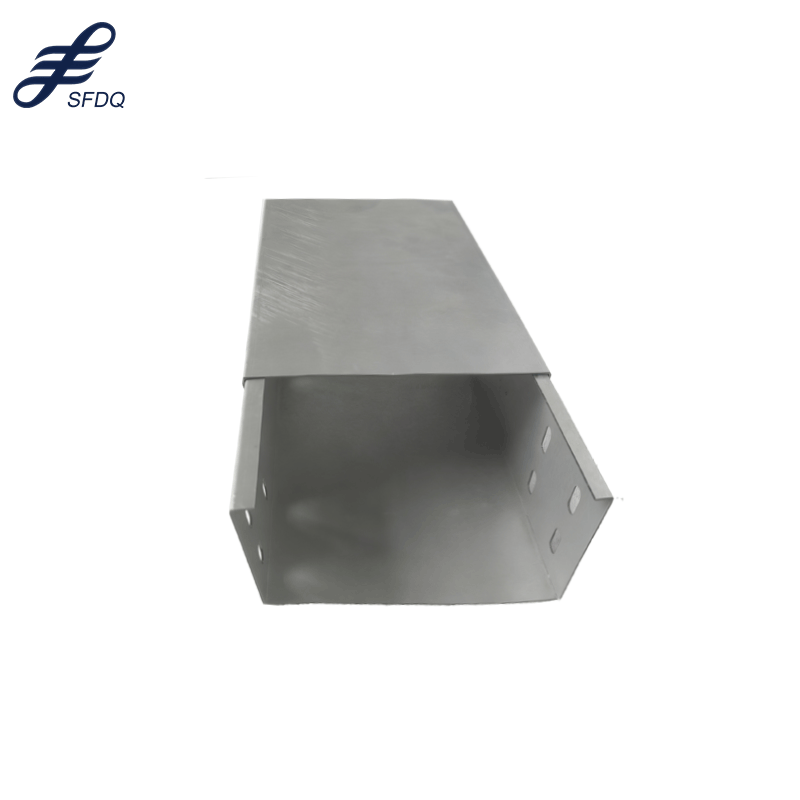
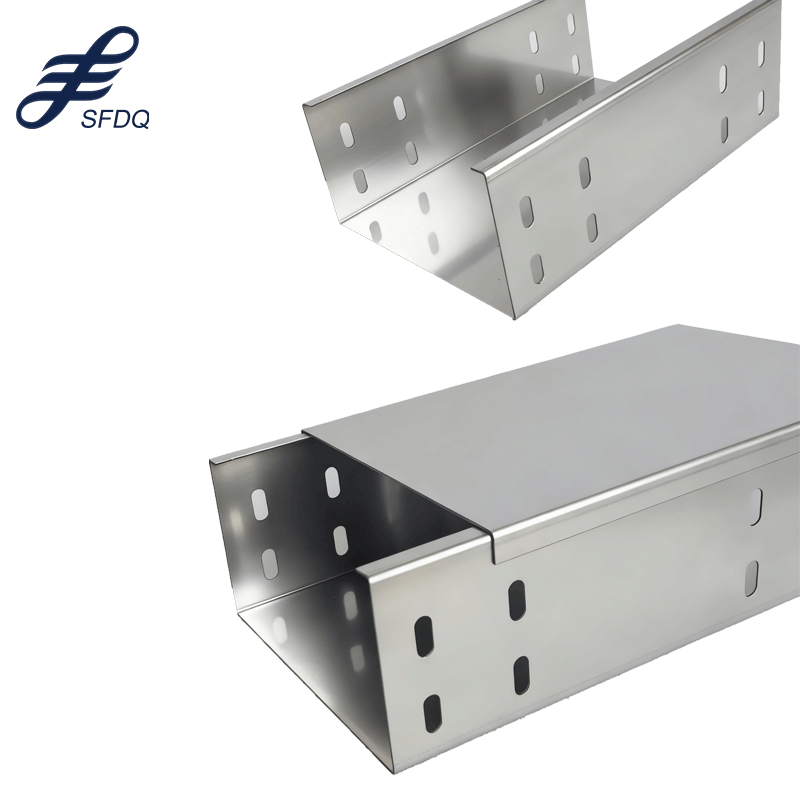
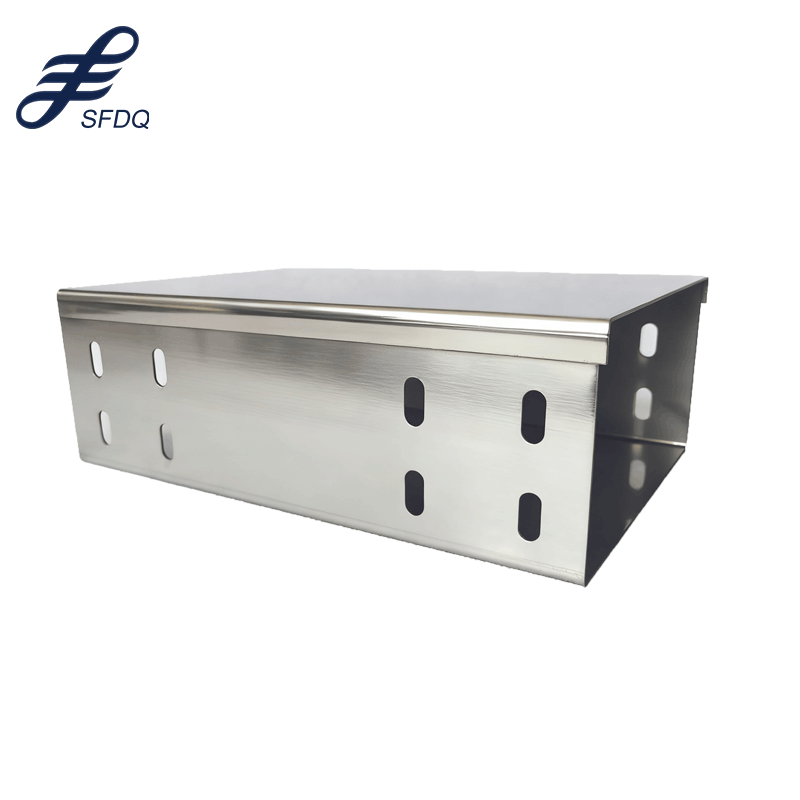
cable corner trunking
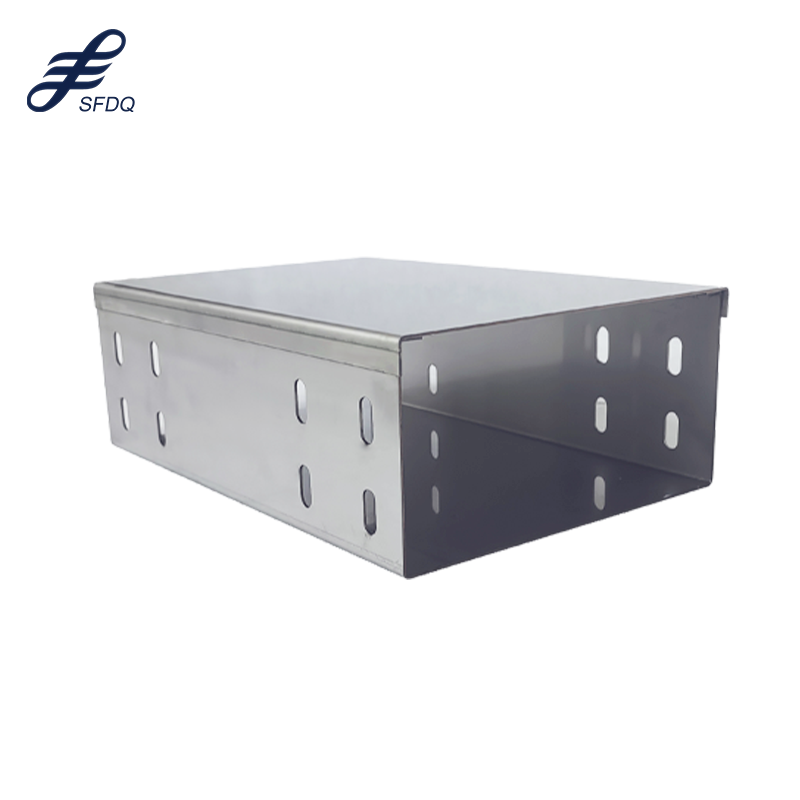
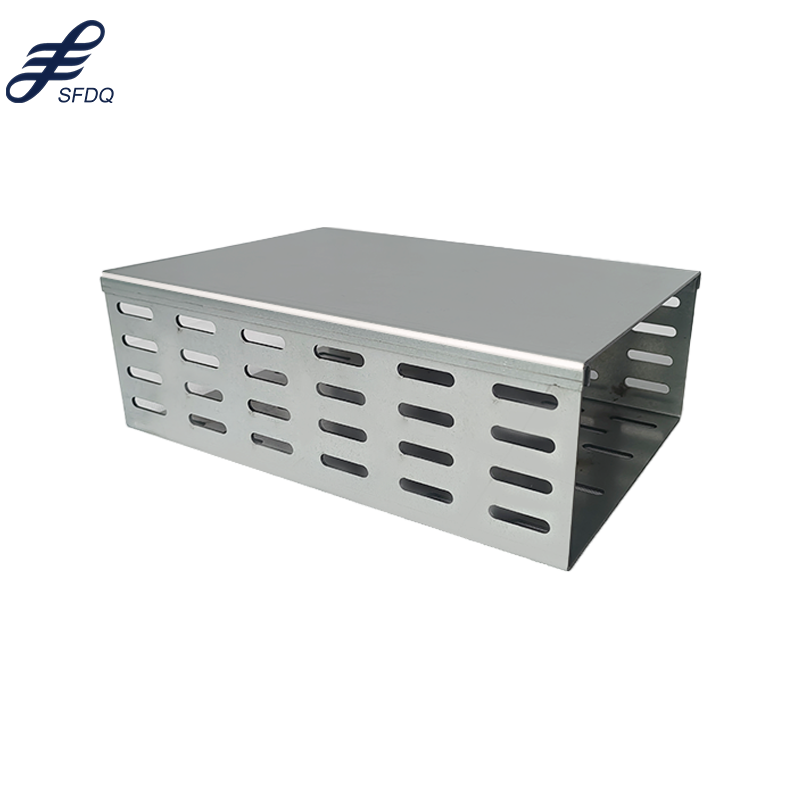
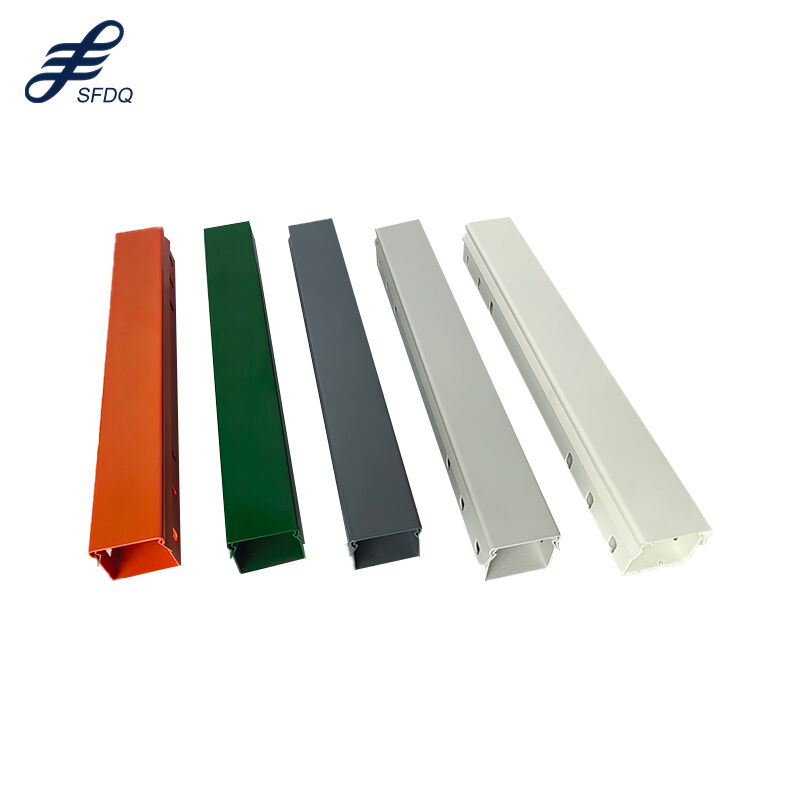
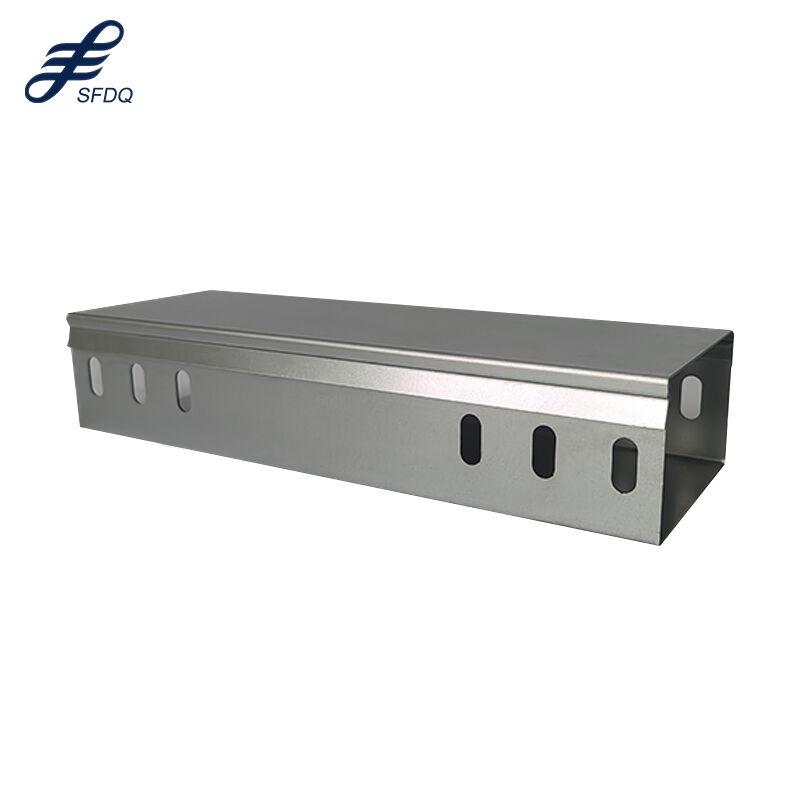
Cable corner trunking represents an essential electrical installation component designed to provide seamless cable management solutions at junction points where walls meet. This specialized trunking system serves multiple critical functions in both residential and commercial environments, ensuring electrical cables remain organized, protected, and aesthetically pleasing. The primary purpose of cable corner trunking involves creating a continuous pathway for electrical wiring while maintaining professional appearance standards. Modern cable corner trunking systems incorporate advanced design principles that address common installation challenges faced by electricians and facility managers. These systems typically feature interlocking mechanisms that create secure connections between straight trunking sections and corner pieces. The technological features of cable corner trunking include precision-molded components manufactured from high-grade materials such as rigid PVC or aluminum alloys. These materials provide excellent durability against environmental factors including temperature fluctuations, moisture exposure, and mechanical stress. The design incorporates smooth internal surfaces that prevent cable damage during installation and future maintenance procedures. Many systems feature removable covers that allow easy access for cable additions or modifications without disrupting existing installations. Cable corner trunking finds widespread application across various sectors including office buildings, retail spaces, educational institutions, healthcare facilities, and residential properties. In commercial settings, these systems manage power distribution cables, data transmission lines, and communication networks. The versatility extends to industrial environments where heavy-duty versions accommodate larger cable bundles and withstand harsh operating conditions. Installation flexibility represents another key technological feature, with systems designed to accommodate various wall angles and architectural configurations. The modular nature allows customization for specific project requirements while maintaining consistent visual appearance throughout the installation.
 EN
EN