cable trunking systems
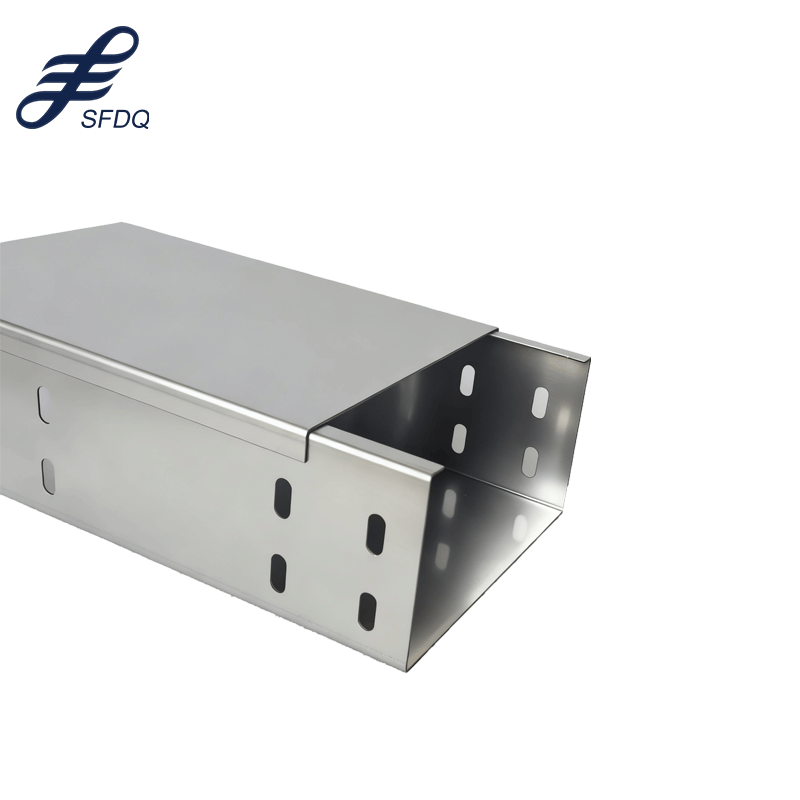
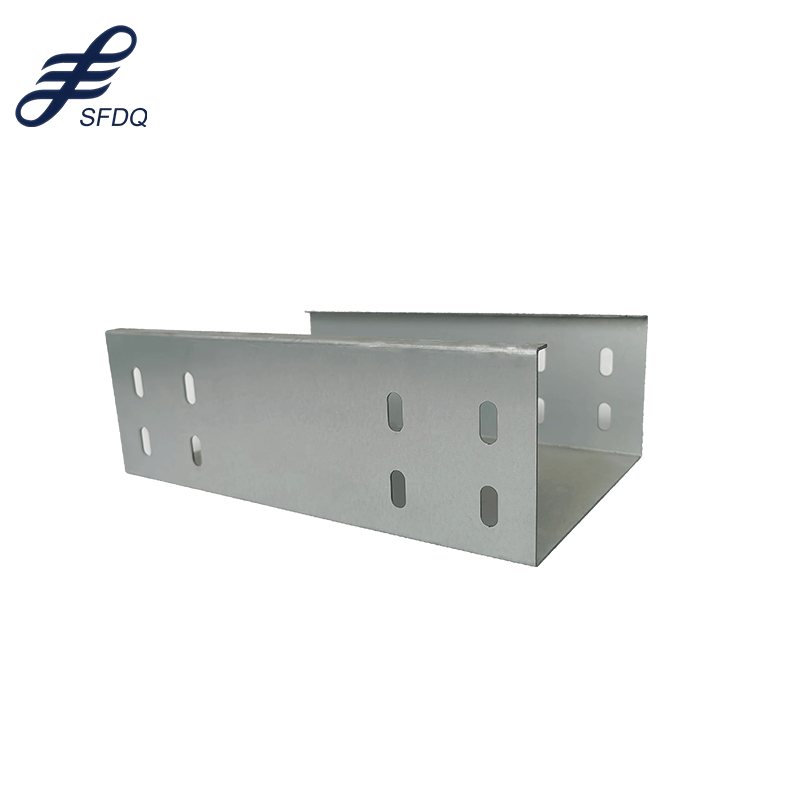
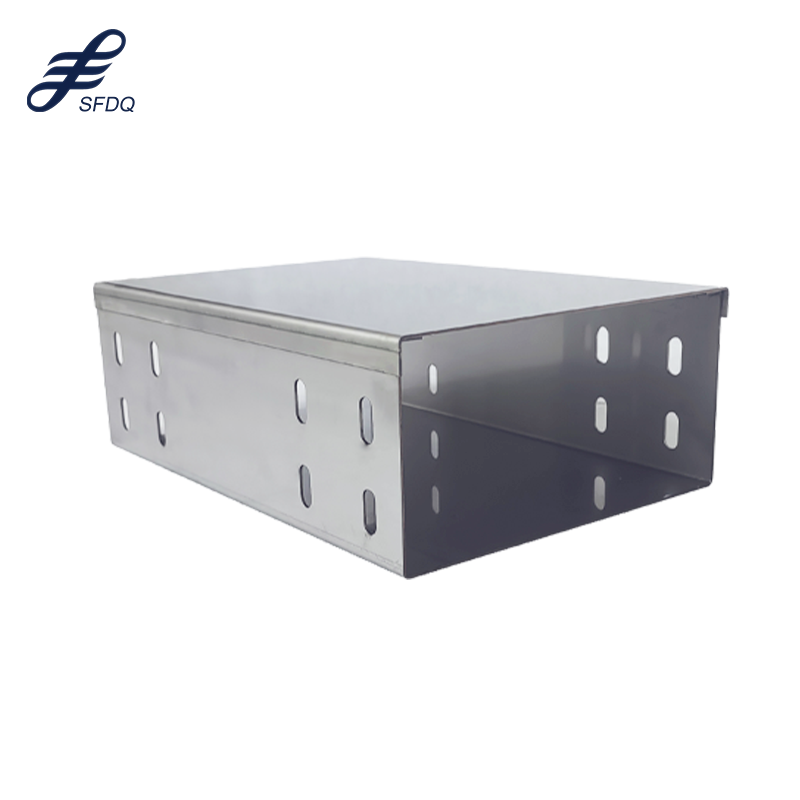
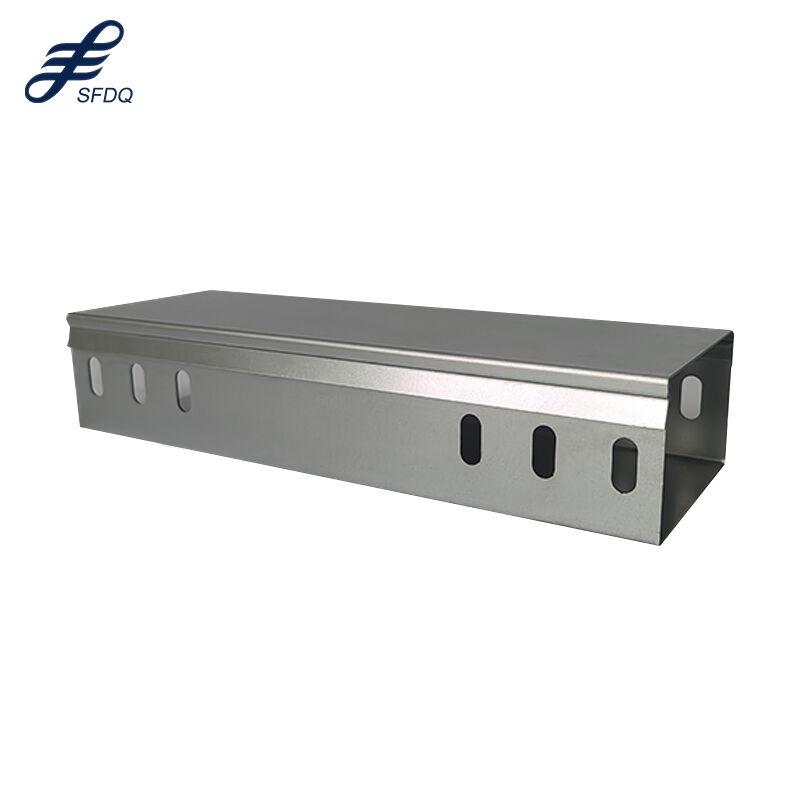
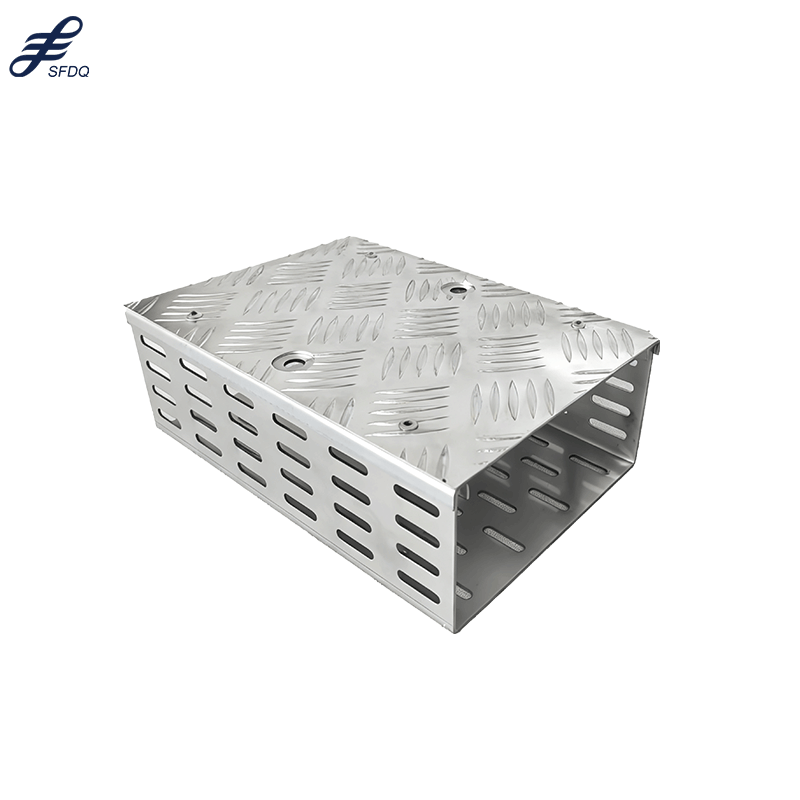
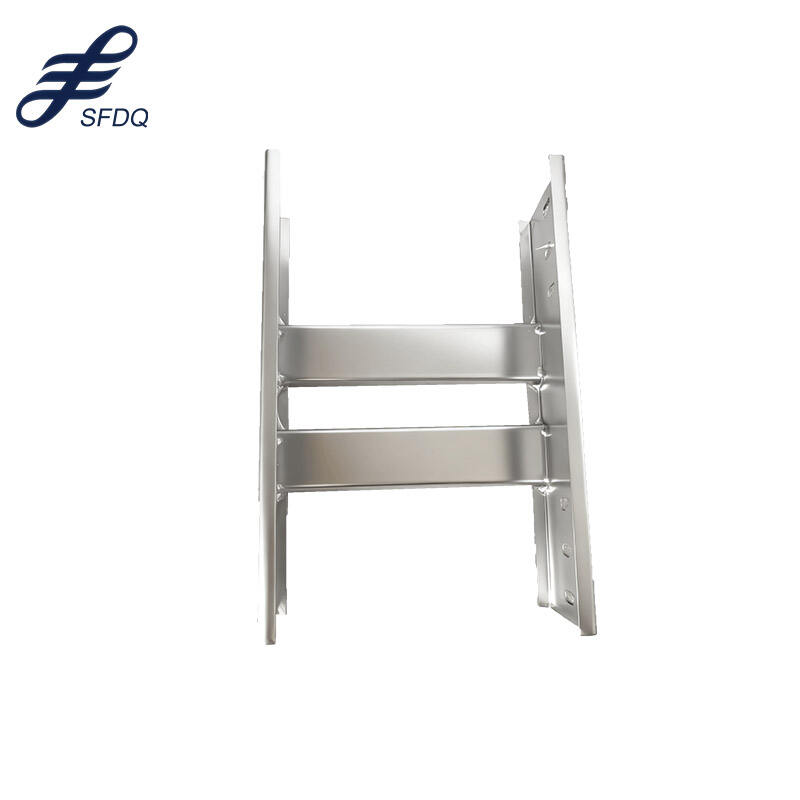
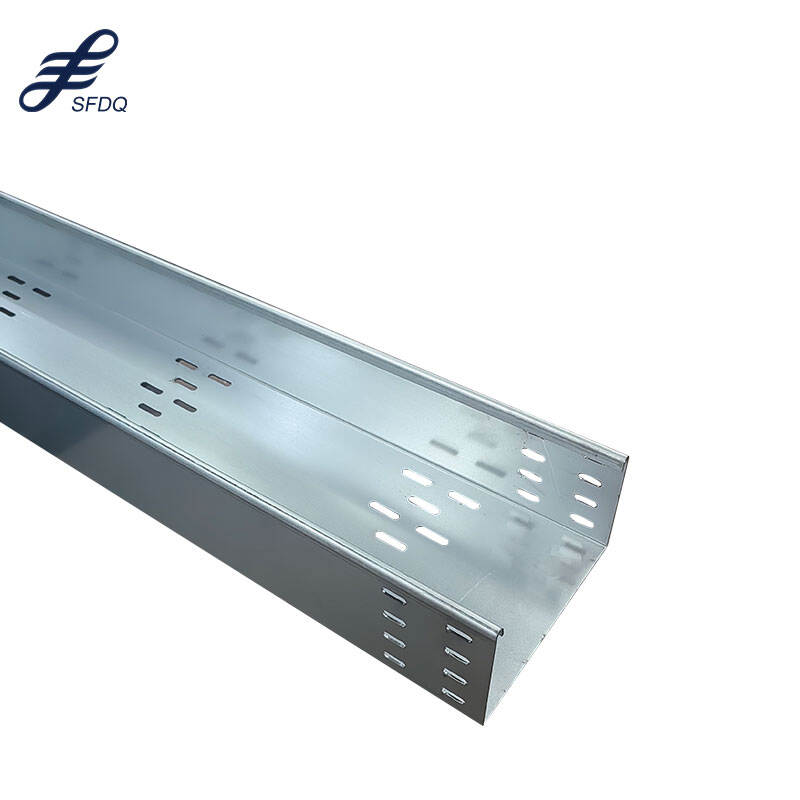
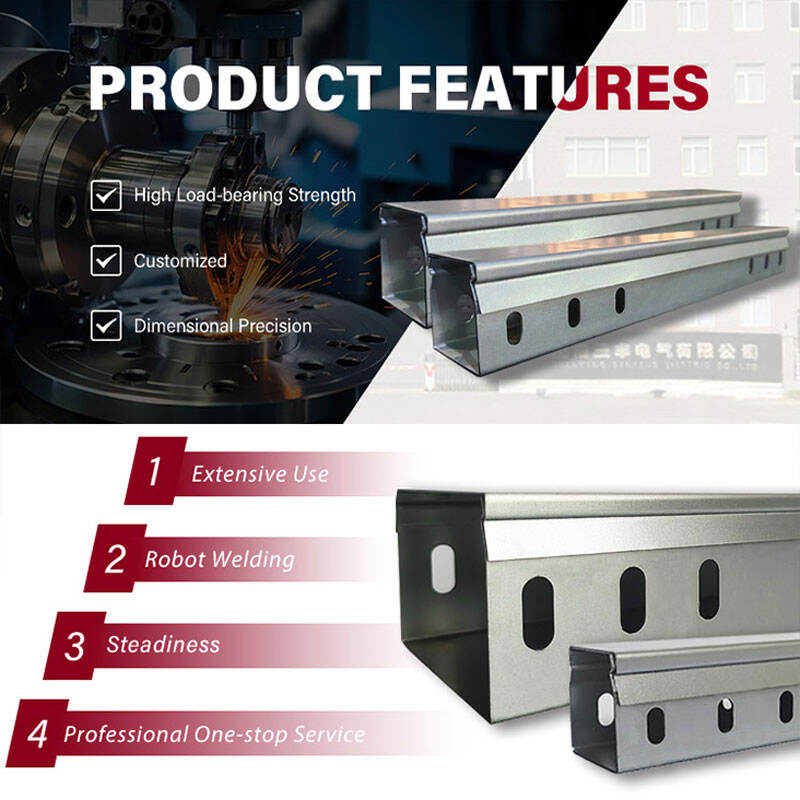
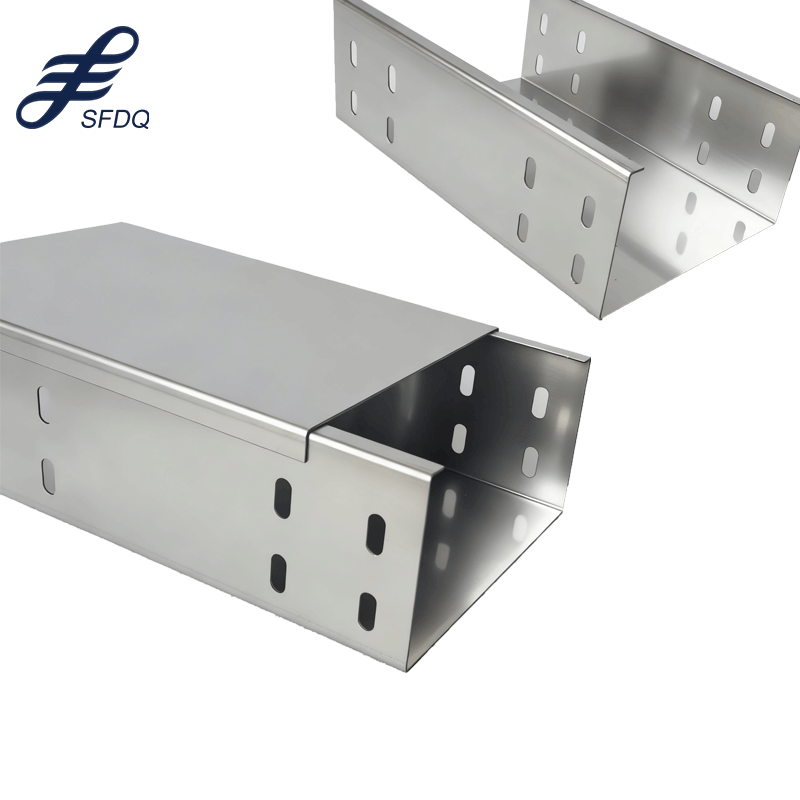
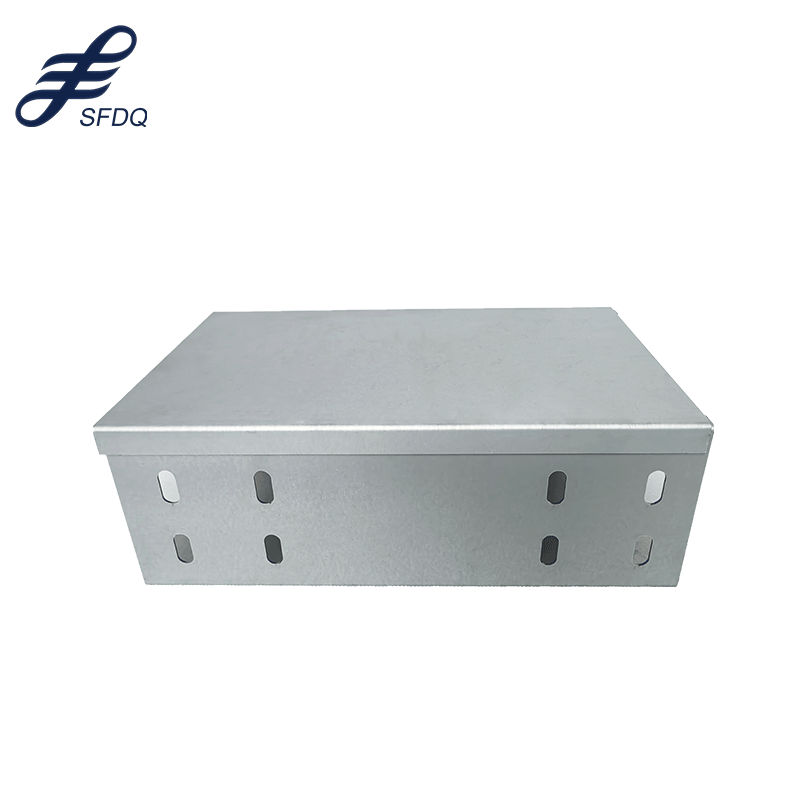
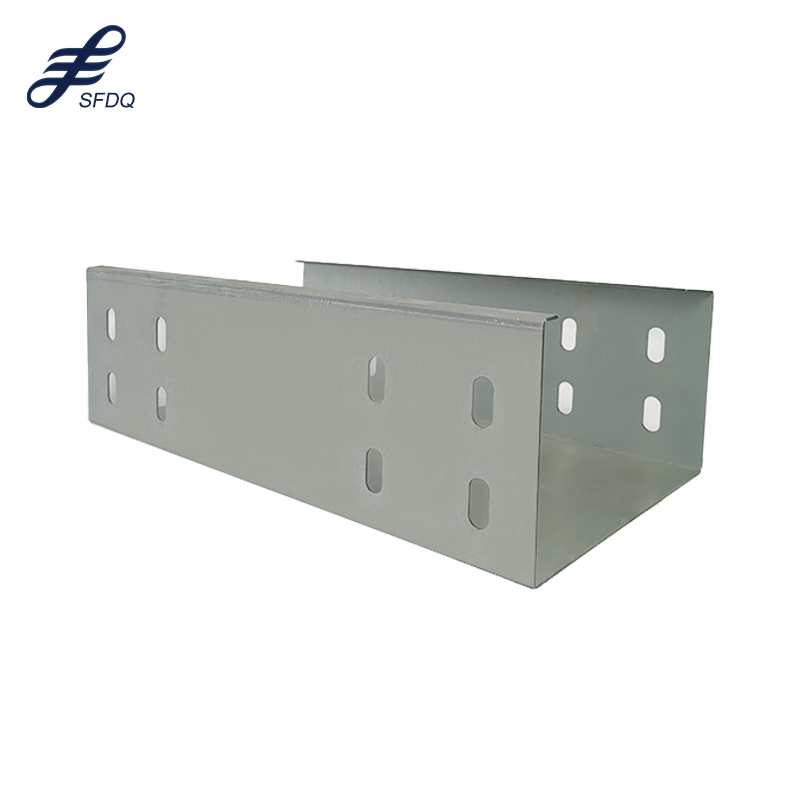
Cable trunking systems represent a sophisticated infrastructure solution designed to manage, protect, and organize electrical cables and wiring installations across various environments. These comprehensive systems consist of enclosed channels, typically manufactured from galvanized steel, aluminum, or high-grade plastic materials, which provide secure pathways for power and data cables throughout buildings and industrial facilities. The primary function of cable trunking systems involves creating organized routing pathways that maintain cable integrity while ensuring easy access for maintenance and future modifications. These systems effectively segregate different cable types, preventing electromagnetic interference and reducing fire hazards through proper compartmentalization. Modern cable trunking systems incorporate advanced features including modular designs that accommodate expansion requirements, integrated earthing provisions for electrical safety, and specialized compartments for different voltage levels. The technological sophistication extends to include removable covers with secure locking mechanisms, flexible joint connections for complex routing scenarios, and compatibility with various mounting configurations. Applications span across commercial buildings, manufacturing facilities, data centers, hospitals, educational institutions, and residential complexes where organized cable management proves essential. Industrial environments particularly benefit from these systems due to their robust construction and ability to withstand harsh conditions including moisture, dust, and temperature variations. The versatility of cable trunking systems allows for both surface-mounted and recessed installations, adapting to architectural requirements while maintaining functional effectiveness. These systems support diverse cable types including power distribution cables, communication networks, fire alarm systems, and security installations within a single integrated framework. The scalable nature of modern cable trunking systems enables future technology upgrades without requiring complete infrastructure overhauls, making them cost-effective long-term solutions for dynamic environments.
 EN
EN