Professional Cable Ladder and Cable Tray Systems - Superior Support Solutions for Electrical Infrastructure

Get a Free Quote

Our representative will contact you soon.
Email
Name
Company Name
WhatsApp
Message
0/1000

cable ladder and cable tray

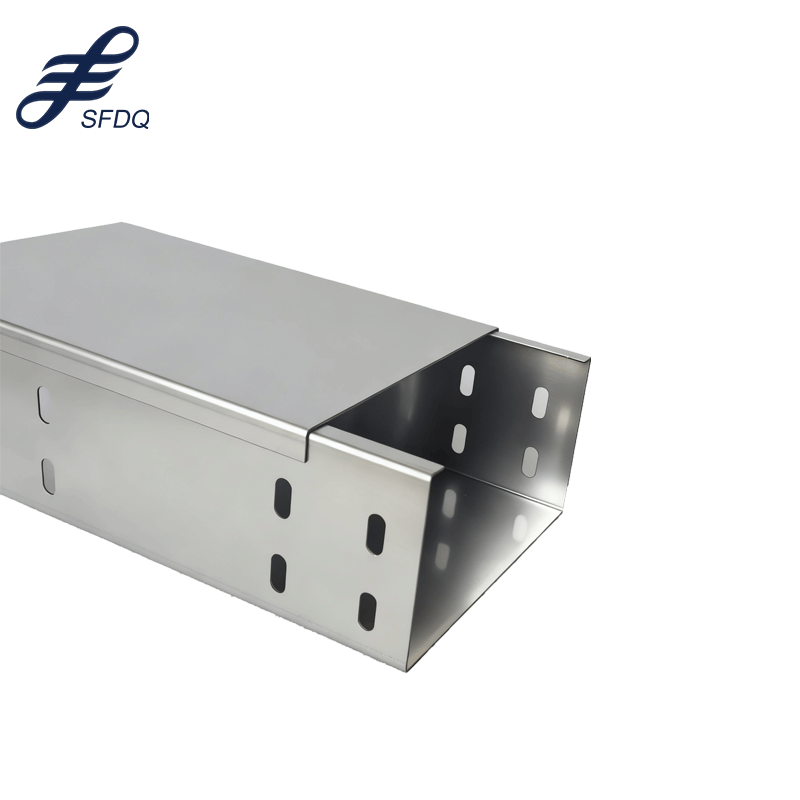
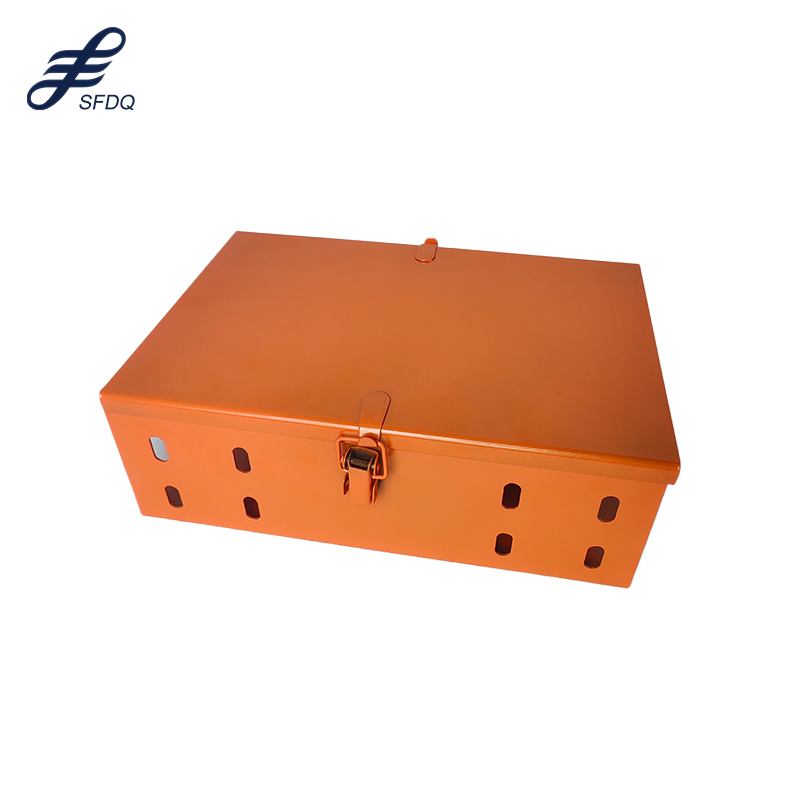
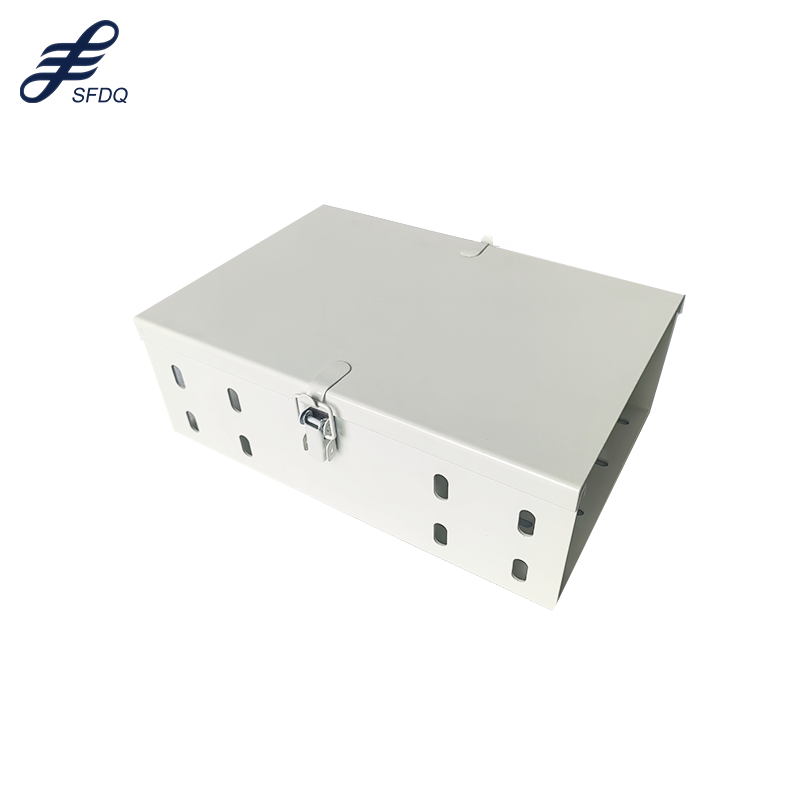
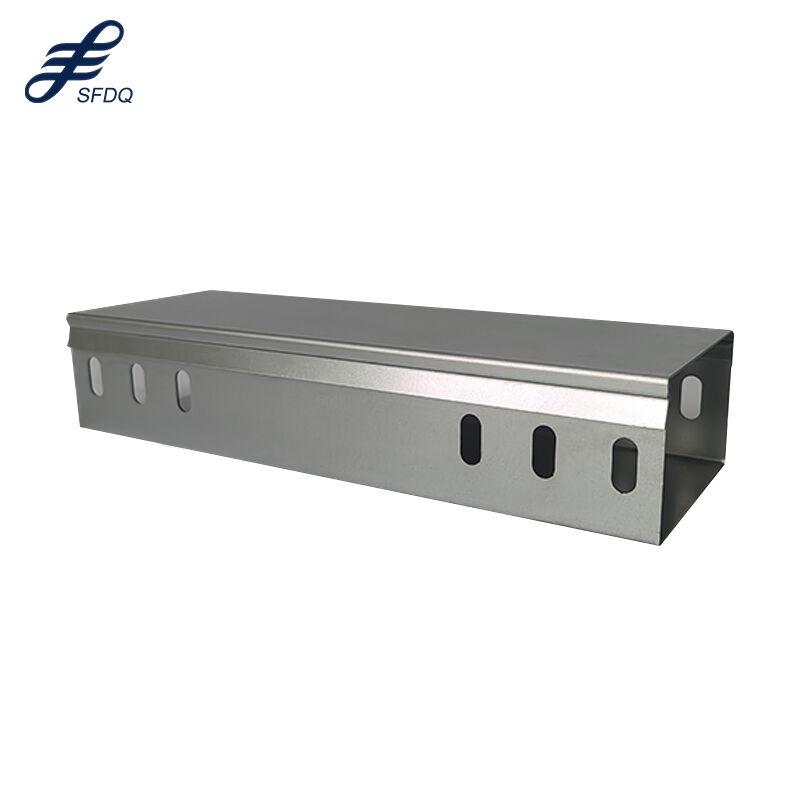
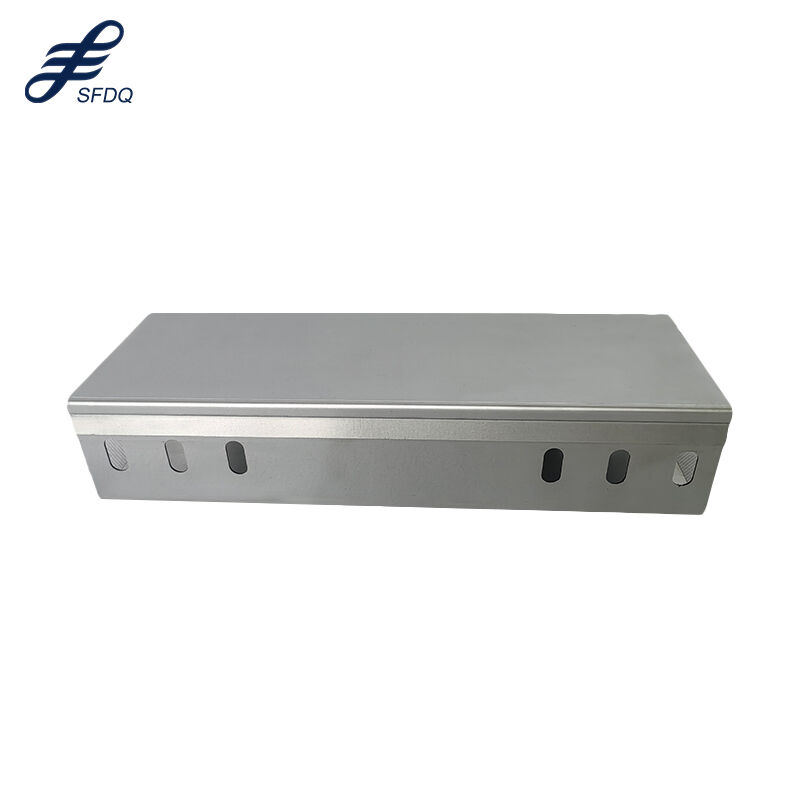
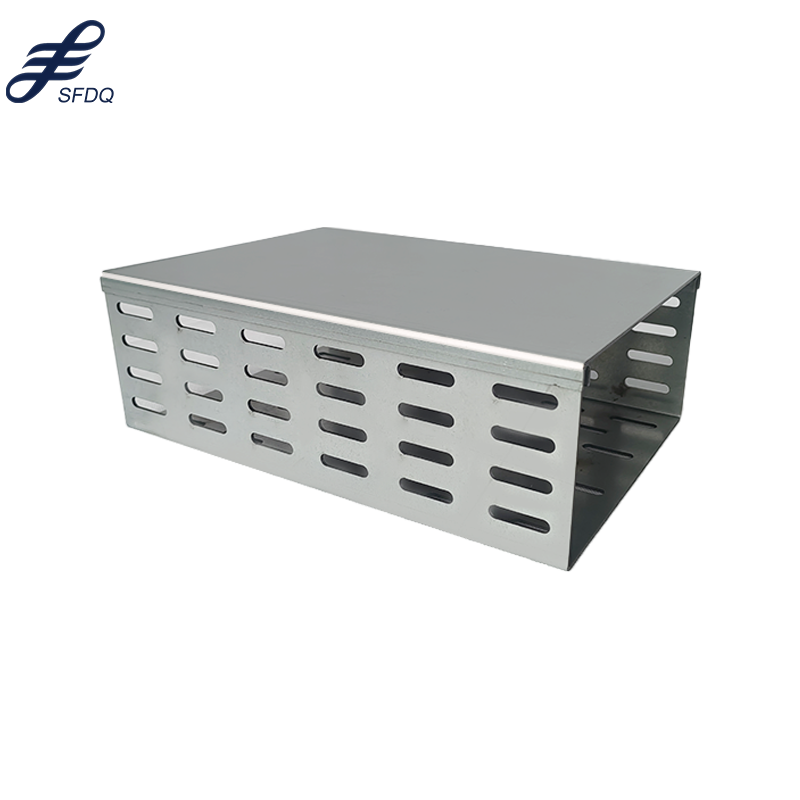
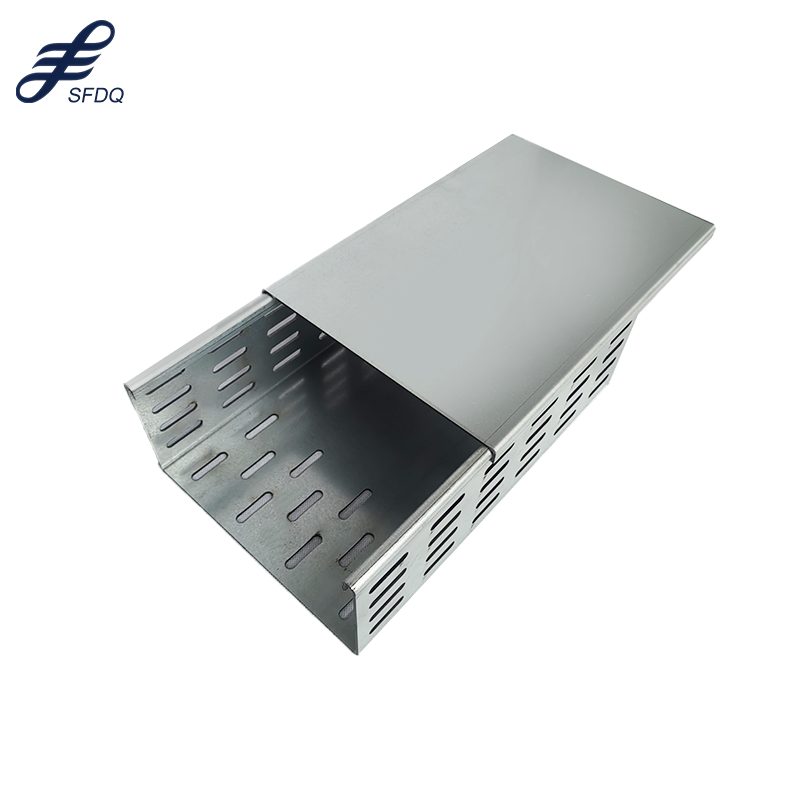
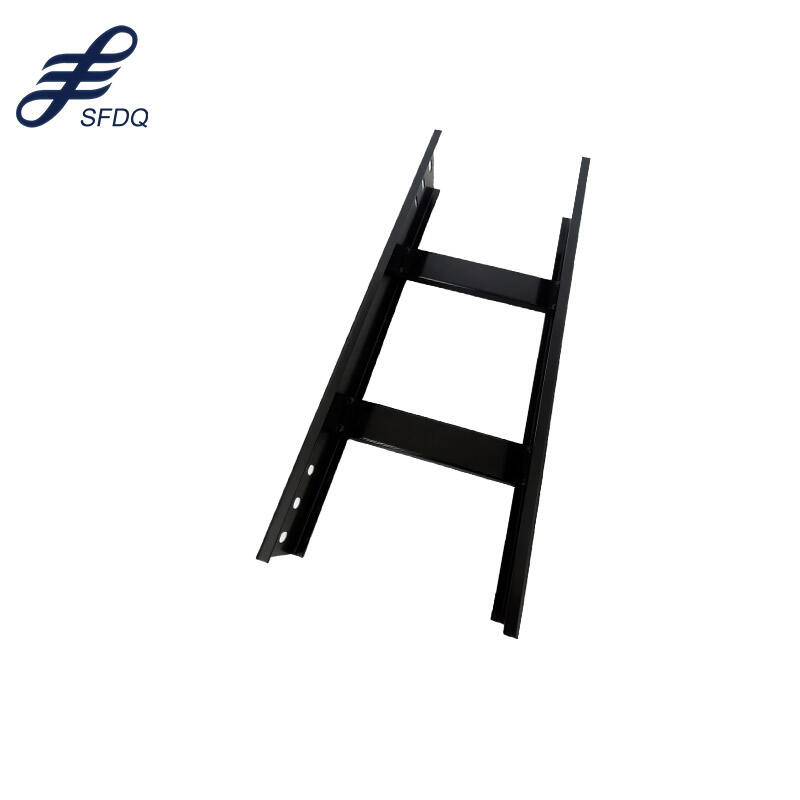
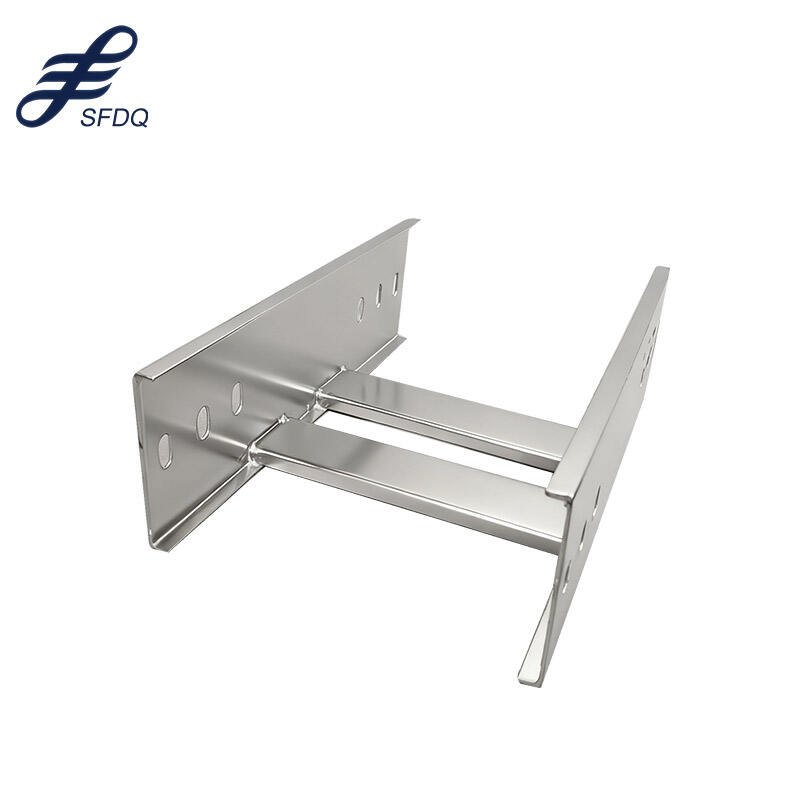
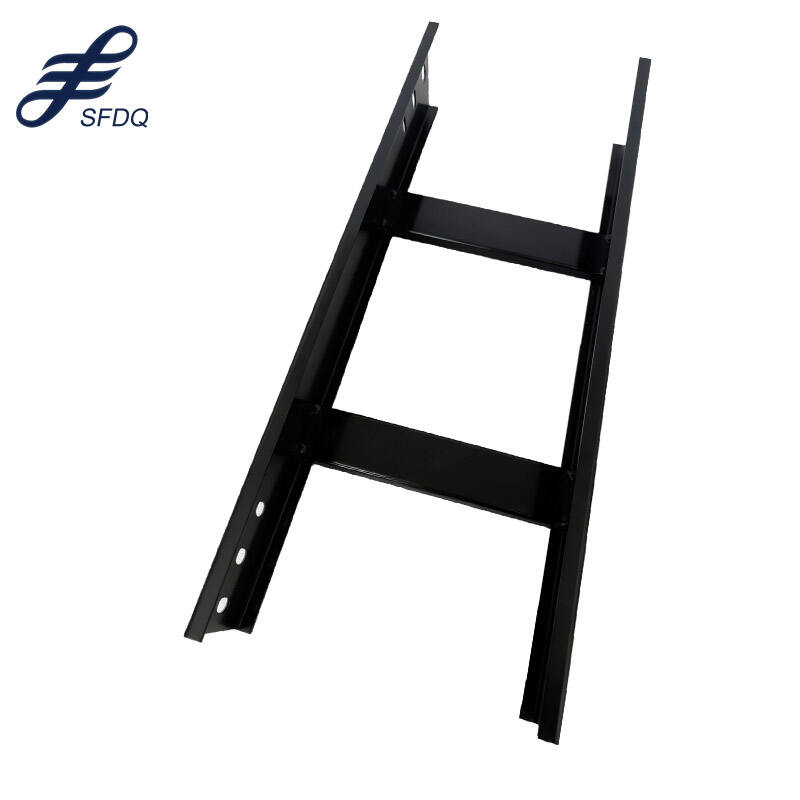
Cable ladder and cable tray systems represent essential infrastructure components designed to support, organize, and protect electrical cables and wiring throughout commercial, industrial, and residential buildings. These robust support systems serve as the backbone of modern electrical installations, providing a structured pathway for power distribution, data transmission, and communication cables. The primary function of cable ladder and cable tray systems involves creating an organized routing system that maintains proper cable separation, prevents electromagnetic interference, and ensures optimal airflow around electrical conductors. Cable ladder construction typically features parallel side rails connected by rungs or cross-bars, creating a ladder-like appearance that offers exceptional strength and ventilation capabilities. This open design allows easy cable installation, maintenance access, and superior heat dissipation compared to enclosed conduit systems. Cable tray systems encompass various configurations including perforated trays, solid bottom trays, and wire mesh designs, each tailored to specific installation requirements and environmental conditions. The technological features of cable ladder and cable tray systems include corrosion-resistant materials such as galvanized steel, aluminum, and stainless steel, ensuring long-term durability in harsh environments. Advanced coating technologies provide additional protection against moisture, chemicals, and extreme temperatures. Modern cable ladder and cable tray designs incorporate modular construction principles, enabling flexible configuration and easy expansion as electrical system requirements evolve. Applications for cable ladder and cable tray systems span across diverse industries including manufacturing facilities, data centers, hospitals, airports, commercial buildings, and power generation plants. These systems effectively manage high-voltage power cables, fiber optic networks, control wiring, and instrumentation cables while maintaining compliance with electrical codes and safety standards. The versatility of cable ladder and cable tray installations accommodates both indoor and outdoor environments, supporting overhead runs, underground installations, and wall-mounted configurations to meet specific project requirements and spatial constraints.

Popular Products

Cable ladder and cable tray systems deliver substantial cost savings compared to traditional conduit installations by reducing material expenses, labor time, and long-term maintenance requirements. These systems eliminate the need for multiple individual conduits, significantly decreasing installation complexity and project timelines. The open design of cable ladder configurations allows installers to route multiple cables simultaneously, reducing labor costs by up to sixty percent compared to conduit-based installations. Maintenance teams benefit from easy access to cables without dismantling extensive infrastructure, enabling quick troubleshooting, upgrades, and repairs that minimize system downtime. The superior ventilation provided by cable ladder and cable tray systems prevents heat buildup around electrical conductors, extending cable lifespan and reducing replacement costs over the system's operational life. Enhanced safety features include improved fire resistance, reduced arc flash risks, and better emergency access for maintenance personnel. Cable ladder and cable tray systems support higher cable densities while maintaining proper separation between different voltage levels and signal types, preventing electromagnetic interference that could compromise system performance. The modular design enables future expansion without major infrastructure modifications, protecting initial investments and accommodating growing electrical demands. Environmental benefits include reduced material waste, recyclable construction materials, and energy efficiency through improved cable performance. Cable ladder and cable tray installations provide superior earthquake resistance and structural stability compared to rigid conduit systems, making them ideal for seismic zones and high-vibration environments. The corrosion-resistant materials and protective coatings ensure reliable performance in corrosive atmospheres, coastal environments, and chemical processing facilities. Quality cable ladder and cable tray systems meet international standards and electrical codes, ensuring compliance with safety regulations and insurance requirements. The visual organization provided by these systems simplifies cable identification, reduces installation errors, and improves overall system documentation. Load distribution capabilities allow cable ladder and cable tray systems to support heavy cable runs over long spans without intermediate supports, reducing structural requirements and installation costs. The flexibility of cable ladder and cable tray routing accommodates complex building layouts, tight spaces, and architectural constraints while maintaining optimal cable performance and accessibility for future modifications.

Latest News

​Cable Tray: The Backbone of Efficient Cable Management - From SFDQ Factory

20

Nov

​Cable Tray: The Backbone of Efficient Cable Management - From SFDQ Factory

View More
Why Choose SFDQ’s Cable Tray?

20

Nov

Why Choose SFDQ’s Cable Tray?

View More
Unlock the Power of Factory Cable Trays with CE and ISO Certifications

20

Nov

Unlock the Power of Factory Cable Trays with CE and ISO Certifications

View More
SFDQ Participates in Saudi Exhibitions

05

Dec

SFDQ Participates in Saudi Exhibitions

Bringing High-Quality Cable Trays to Deepen Presence in the Middle East Infrastructure Market​
View More

Get a Free Quote

Our representative will contact you soon.
Email
Name
Company Name
WhatsApp
Message
0/1000

cable ladder and cable tray

Superior Load Capacity and Structural Integrity

Superior Load Capacity and Structural Integrity

Cable ladder and cable tray systems demonstrate exceptional load-bearing capabilities that surpass traditional cable management solutions, making them indispensable for heavy-duty electrical installations. The engineered design of cable ladder structures distributes weight evenly across multiple support points, enabling these systems to carry substantial cable loads over extended spans without sagging or structural compromise. High-quality cable ladder and cable tray systems can support loads exceeding 150 pounds per linear foot while maintaining structural integrity and safety margins required by electrical codes. The robust construction utilizes advanced materials and manufacturing techniques that create a rigid framework capable of withstanding dynamic loads, thermal expansion, and environmental stresses. Cable ladder systems feature reinforced side rails and precisely spaced rungs that create multiple load distribution points, preventing stress concentrations that could lead to system failure. This superior load capacity proves particularly valuable in industrial facilities, data centers, and power plants where massive cable bundles must be supported across long distances between structural supports. The structural integrity of cable ladder and cable tray installations remains consistent over decades of service, providing reliable support for evolving cable requirements without compromising safety or performance. Engineering calculations and load testing verify that cable ladder and cable tray systems exceed safety factors required by national electrical codes, ensuring compliance with stringent safety standards. The modular construction allows for strategic placement of additional supports when load requirements exceed standard configurations, providing flexibility for unique installation challenges. Installation teams benefit from the predictable load characteristics of cable ladder and cable tray systems, enabling accurate structural calculations and confident system design. The superior load capacity eliminates the need for excessive support structures, reducing installation costs and structural requirements while maintaining optimal cable support and protection.
Enhanced Ventilation and Thermal Management

Enhanced Ventilation and Thermal Management

Cable ladder and cable tray systems provide unmatched ventilation characteristics that significantly improve thermal management and cable performance compared to enclosed cable routing methods. The open architecture of cable ladder designs creates natural airflow channels that dissipate heat generated by electrical conductors, preventing dangerous temperature buildup that could compromise cable insulation and reduce system lifespan. Proper thermal management through cable ladder and cable tray ventilation maintains cable operating temperatures within manufacturer specifications, ensuring optimal electrical performance and extending cable service life by preventing thermal degradation. The strategic spacing of ladder rungs and perforated tray designs promotes convective cooling that removes heat from cable assemblies more effectively than solid-bottom trays or conduit systems. This enhanced cooling capability allows higher current-carrying capacity for power cables, enabling more efficient electrical system design and reducing the number of parallel conductors required for high-load applications. Cable ladder and cable tray ventilation becomes particularly critical in environments with elevated ambient temperatures, where traditional enclosed systems would require derating of cable ampacity. The improved heat dissipation provided by cable ladder configurations prevents hot spots that could trigger nuisance circuit breaker trips or cause premature cable failure. Data center installations benefit enormously from the thermal management capabilities of cable ladder and cable tray systems, where thousands of data cables generate substantial heat that must be efficiently removed to maintain system reliability. The natural ventilation created by cable ladder designs reduces the load on mechanical cooling systems, contributing to energy efficiency and operational cost savings. Fire safety improves significantly with enhanced ventilation, as the open design of cable ladder and cable tray systems prevents the accumulation of combustible gases and allows rapid heat dissipation in emergency situations. Engineering studies demonstrate that proper cable ladder and cable tray ventilation can reduce cable operating temperatures by fifteen to twenty-five degrees compared to enclosed routing methods, directly translating to improved system reliability and reduced maintenance requirements.
Exceptional Installation Flexibility and Future Adaptability

Exceptional Installation Flexibility and Future Adaptability

Cable ladder and cable tray systems offer unparalleled installation flexibility that adapts to complex architectural requirements, evolving electrical needs, and challenging environmental conditions. The modular design philosophy of cable ladder and cable tray components enables custom configurations that navigate around obstacles, accommodate irregular building layouts, and integrate seamlessly with existing infrastructure. Installation teams can easily modify cable ladder and cable tray routing during construction to accommodate last-minute design changes or unforeseen obstacles without compromising system integrity or requiring extensive rework. The standardized connection methods and component compatibility ensure that cable ladder and cable tray systems from reputable manufacturers integrate smoothly with accessories, fittings, and expansion components throughout the system lifecycle. This flexibility proves invaluable in renovation projects where cable ladder and cable tray installations must work around existing mechanical systems, structural elements, and architectural features. The ability to create custom bends, transitions, and support configurations allows cable ladder and cable tray systems to optimize cable routing while minimizing installation costs and construction delays. Future adaptability represents a crucial advantage of cable ladder and cable tray systems, as expanding electrical requirements can be accommodated without major infrastructure modifications or system replacement. The open design facilitates easy cable additions, removals, and replacements throughout the system's operational life, protecting initial infrastructure investments and reducing long-term ownership costs. Maintenance teams appreciate the accessibility provided by cable ladder and cable tray systems, enabling routine inspections, cable identification, and system modifications without dismantling surrounding infrastructure. The standardized mounting methods and support hardware simplify expansion planning and ensure compatibility with future system additions. Technology upgrades and electrical system modernization projects benefit from the inherent flexibility of cable ladder and cable tray installations, which can accommodate new cable types, different routing requirements, and increased capacity demands. The modular nature of cable ladder and cable tray systems supports phased construction approaches, allowing electrical infrastructure to be installed progressively as building construction advances, improving project scheduling and cash flow management.
Inquiry Inquiry Email Email Tel Tel TopTop

Get a Free Quote

Our representative will contact you soon.
Email
Name
Company Name
WhatsApp
Message
0/1000