Vertical Cable Ladder Systems - Premium Cable Management Solutions for Industrial and Commercial Applications

Get a Free Quote

Our representative will contact you soon.
Email
Name
Company Name
WhatsApp
Message
0/1000

vertical cable ladder

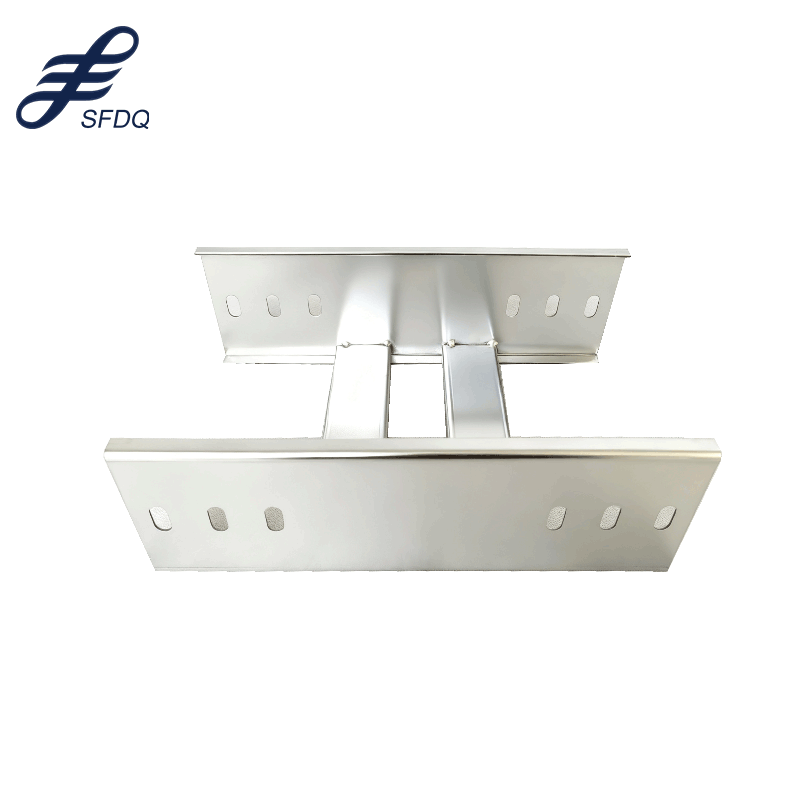
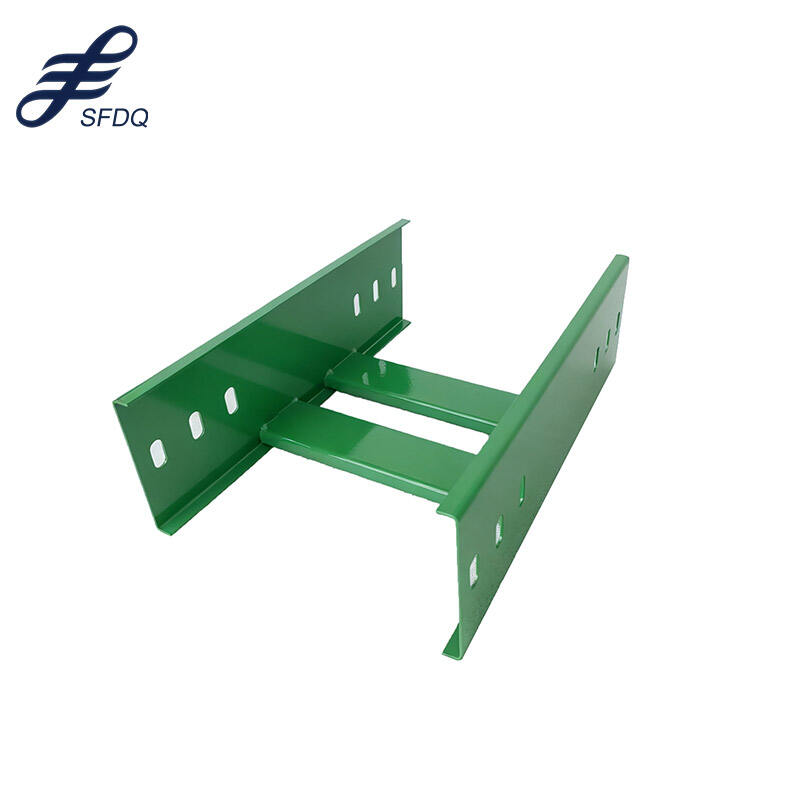
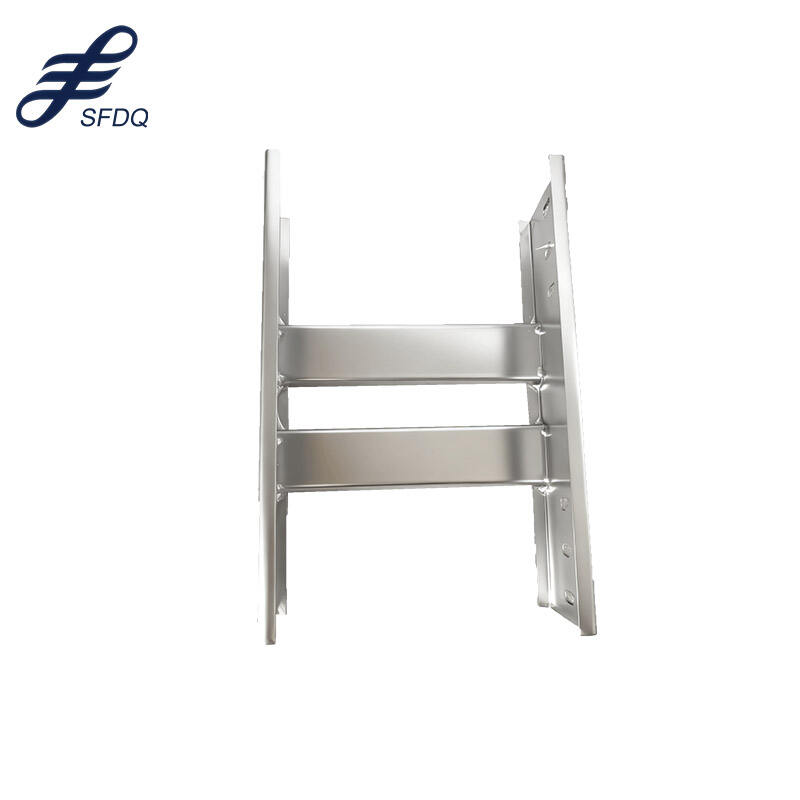
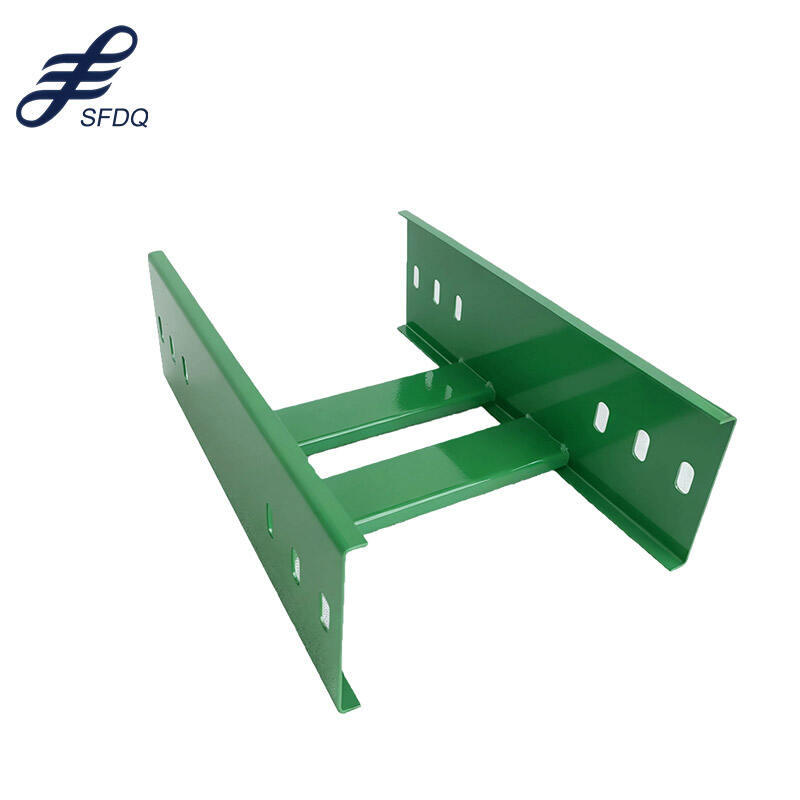
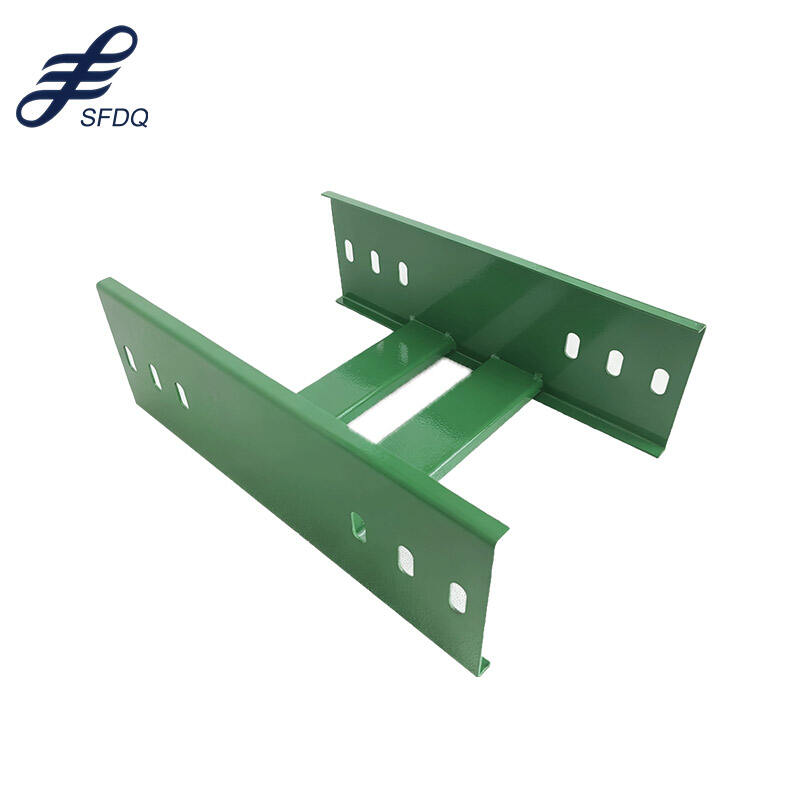
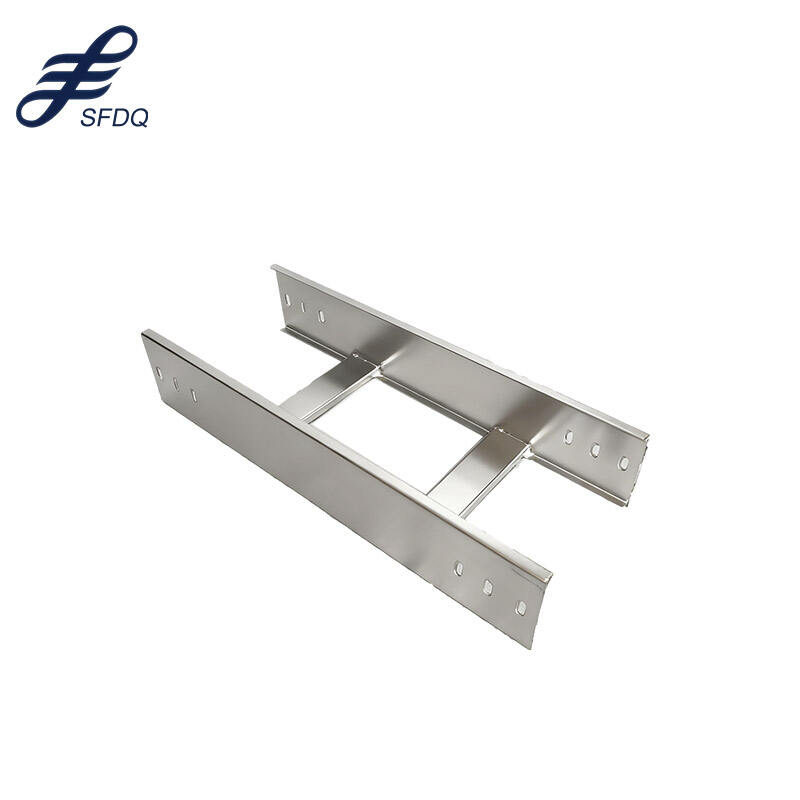
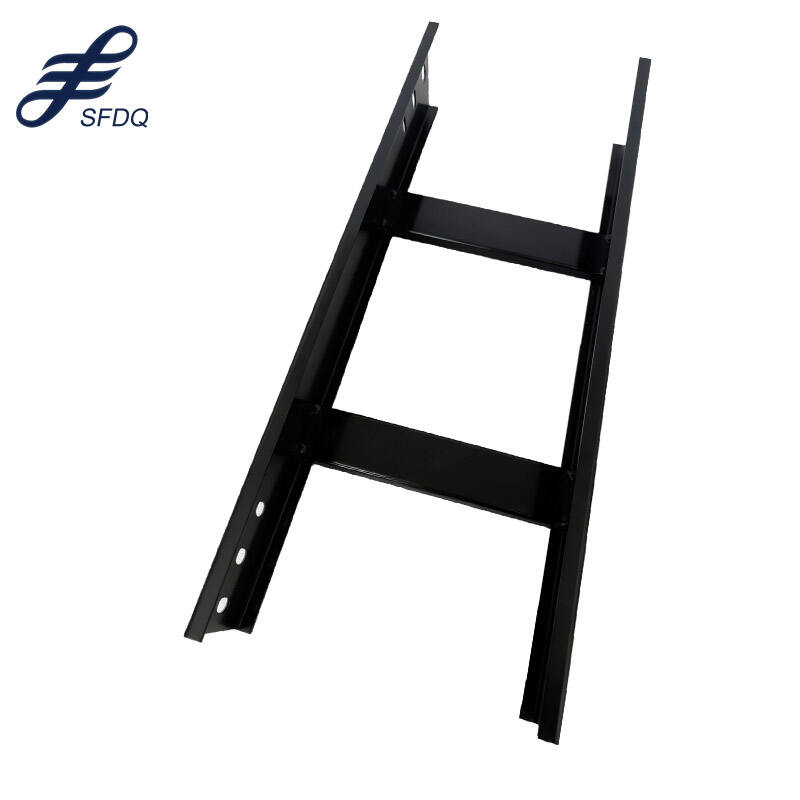
A vertical cable ladder represents an essential infrastructure component designed to provide organized cable management solutions in commercial, industrial, and residential applications. This structural system consists of parallel rails connected by rungs, creating a ladder-like framework that supports and routes electrical cables, data wires, and communication lines vertically through buildings and facilities. The vertical cable ladder construction typically features galvanized steel or aluminum materials, ensuring durability and corrosion resistance in various environmental conditions. These systems accommodate heavy cable loads while maintaining proper ventilation and accessibility for maintenance operations. The modular design allows for customizable configurations that adapt to specific project requirements and architectural constraints. Modern vertical cable ladder installations incorporate advanced engineering principles to optimize load distribution and structural integrity. The spacing between rungs follows industry standards to provide adequate support while allowing efficient cable installation and removal procedures. These systems integrate seamlessly with horizontal cable tray networks, creating comprehensive cable management infrastructures. The vertical cable ladder design facilitates natural air circulation around cables, preventing overheating issues that can compromise electrical safety and system performance. Installation procedures involve secure mounting to structural elements using specialized brackets and hardware designed to withstand dynamic loads and environmental stresses. Quality vertical cable ladder systems undergo rigorous testing to ensure compliance with electrical codes and safety regulations. The surface treatments applied to these systems provide long-term protection against corrosion, chemical exposure, and mechanical wear. These installations support various cable types including power distribution cables, control wiring, instrumentation lines, and fiber optic networks. The vertical cable ladder configuration enables organized segregation of different cable categories, reducing electromagnetic interference and simplifying troubleshooting procedures.

New Product Recommendations

The vertical cable ladder system delivers exceptional organizational benefits that streamline cable management processes across diverse applications. These systems significantly reduce installation time compared to traditional conduit methods, allowing technicians to route multiple cables simultaneously through a single pathway. The open design provides superior accessibility for maintenance personnel, enabling quick identification and replacement of individual cables without disturbing adjacent wiring systems. This accessibility translates directly into reduced downtime and lower maintenance costs over the system's operational lifetime. The robust construction of vertical cable ladder installations supports substantial cable weights while maintaining structural stability under dynamic loading conditions. This load-bearing capacity eliminates the need for additional support structures, reducing overall project costs and simplifying installation procedures. The modular nature of these systems allows for future expansion and modification without requiring complete reinstallation, providing excellent adaptability as facility requirements evolve. The vertical cable ladder design promotes optimal heat dissipation through enhanced air circulation around cable bundles, preventing thermal buildup that can degrade cable performance and create safety hazards. This thermal management capability extends cable lifespan and maintains system reliability under high-load conditions. The standardized dimensions and connection methods facilitate easy integration with existing infrastructure and ensure compatibility with various cable tray accessories. These systems offer superior cost-effectiveness compared to enclosed cable management solutions, providing equivalent functionality at a lower initial investment. The galvanized or coated finishes resist corrosion and environmental degradation, ensuring long-term performance with minimal maintenance requirements. The vertical cable ladder configuration enables efficient use of vertical space in buildings, maximizing cable routing capacity within limited areas. Installation crews can work more efficiently with these systems due to the straightforward assembly process and readily available components. The transparency of the ladder design allows visual inspection of cable conditions without removing covers or accessing enclosed spaces. These systems accommodate future cable additions without requiring structural modifications, supporting facility growth and technology upgrades. The standardized mounting hardware simplifies procurement and inventory management while ensuring reliable installation quality across multiple projects.

Latest News

​Cable Tray: The Backbone of Efficient Cable Management - From SFDQ Factory

20

Nov

​Cable Tray: The Backbone of Efficient Cable Management - From SFDQ Factory

View More
Why Choose SFDQ’s Cable Tray?

20

Nov

Why Choose SFDQ’s Cable Tray?

View More
Unlock the Power of Factory Cable Trays with CE and ISO Certifications

20

Nov

Unlock the Power of Factory Cable Trays with CE and ISO Certifications

View More
SFDQ Participates in Saudi Exhibitions

05

Dec

SFDQ Participates in Saudi Exhibitions

Bringing High-Quality Cable Trays to Deepen Presence in the Middle East Infrastructure Market​
View More

Get a Free Quote

Our representative will contact you soon.
Email
Name
Company Name
WhatsApp
Message
0/1000

vertical cable ladder

Superior Load-Bearing Capacity and Structural Integrity

Superior Load-Bearing Capacity and Structural Integrity

The vertical cable ladder system excels in providing exceptional load-bearing performance that surpasses conventional cable management alternatives. This outstanding structural capability stems from the engineered rail and rung configuration that distributes weight evenly across the entire framework. The parallel rails, constructed from high-strength galvanized steel or corrosion-resistant aluminum, create a robust backbone capable of supporting substantial cable loads without deflection or structural compromise. The strategic spacing of the rungs, typically ranging from 6 to 12 inches depending on application requirements, ensures optimal load distribution while maintaining the flexibility needed for various cable routing scenarios. This superior load capacity enables facility managers to consolidate multiple cable runs into a single vertical pathway, reducing the overall infrastructure footprint and simplifying building design requirements. The vertical cable ladder construction incorporates advanced metallurgical principles that enhance fatigue resistance and long-term structural stability. The welded or bolted connections between rails and rungs undergo rigorous quality control testing to ensure consistent performance under dynamic loading conditions. This structural integrity proves particularly valuable in industrial environments where vibration, thermal cycling, and mechanical stresses challenge cable management systems daily. The robust design eliminates concerns about cable sag or support failure that can plague lighter-duty alternatives. Installation teams benefit from the predictable load characteristics that simplify project planning and reduce the need for additional reinforcement structures. The inherent strength of the vertical cable ladder system provides confidence for engineers specifying heavy-duty applications such as power distribution networks, large data centers, and industrial automation systems. This load-bearing advantage translates into long-term cost savings by eliminating the need for frequent repairs or structural upgrades that may be required with less robust cable management solutions.
Enhanced Ventilation and Thermal Management Performance

Enhanced Ventilation and Thermal Management Performance

The vertical cable ladder design incorporates exceptional ventilation characteristics that fundamentally improve thermal management performance compared to enclosed cable management systems. The open ladder structure promotes natural convective air circulation around cable bundles, preventing the heat accumulation that can degrade cable performance and create safety hazards in electrical installations. This ventilation advantage becomes particularly critical in high-density cable applications where multiple circuits operate simultaneously at substantial current levels. The spacing between rungs creates ventilation channels that facilitate continuous airflow, effectively removing heat generated by cable operation and maintaining optimal operating temperatures. This thermal management capability extends cable service life by preventing insulation degradation and conductor overheating that can lead to premature failure and safety risks. The vertical cable ladder configuration enhances this ventilation effect through the stack effect principle, where heated air naturally rises through the system, creating continuous air movement that provides consistent cooling throughout the entire cable run. This passive cooling mechanism operates without energy consumption or mechanical assistance, providing reliable thermal management that reduces operating costs and environmental impact. The open design enables facility managers to implement additional cooling strategies when needed, such as forced air circulation or targeted cooling systems, without the restrictions imposed by enclosed cable management alternatives. The superior ventilation characteristics of the vertical cable ladder system prove particularly valuable in data centers, telecommunications facilities, and industrial plants where thermal management directly impacts system reliability and operational efficiency. This ventilation advantage also simplifies compliance with electrical codes and safety standards that specify maximum operating temperatures for various cable types. The enhanced heat dissipation capability allows for higher cable density installations while maintaining safe operating conditions, maximizing the utilization of available vertical space and reducing the overall infrastructure footprint required for cable management systems.
Exceptional Maintenance Accessibility and Serviceability Features

Exceptional Maintenance Accessibility and Serviceability Features

The vertical cable ladder system provides unparalleled maintenance accessibility that significantly reduces service costs and minimizes system downtime throughout the installation's operational lifetime. The open ladder design eliminates the barriers typically associated with enclosed cable management systems, allowing maintenance personnel to quickly identify, access, and service individual cables without disturbing adjacent installations. This accessibility advantage proves invaluable during routine inspections, cable additions, replacements, and troubleshooting procedures that are essential for maintaining reliable electrical and communication systems. The transparent structure of the vertical cable ladder enables visual inspection of cable conditions from multiple angles, facilitating early detection of potential issues such as insulation damage, connector problems, or cable stress conditions. This visual accessibility allows maintenance teams to implement proactive service strategies that prevent failures before they impact system operations. The ladder configuration provides multiple access points along the vertical run, enabling technicians to reach specific cable sections without the need for extensive disassembly procedures required by enclosed systems. This selective access capability reduces maintenance time and labor costs while minimizing the risk of disturbing properly functioning cables during service operations. The vertical cable ladder design accommodates standard maintenance tools and equipment without requiring specialized access hardware or custom procedures. Technicians can perform cable installation, removal, and testing procedures efficiently using conventional tools and techniques, reducing training requirements and improving service quality consistency. The structural stability of the system supports maintenance personnel and equipment safely during service operations, enhancing workplace safety and reducing liability concerns. The standardized design facilitates the use of mobile maintenance platforms and lifting equipment, enabling safe access to cables at various heights within the vertical run. This maintenance-friendly design translates into reduced lifecycle costs through lower labor requirements, shorter service intervals, and improved repair quality that extends overall system reliability and performance throughout the installation's operational life.
Inquiry Inquiry Email Email Tel Tel TopTop

Get a Free Quote

Our representative will contact you soon.
Email
Name
Company Name
WhatsApp
Message
0/1000