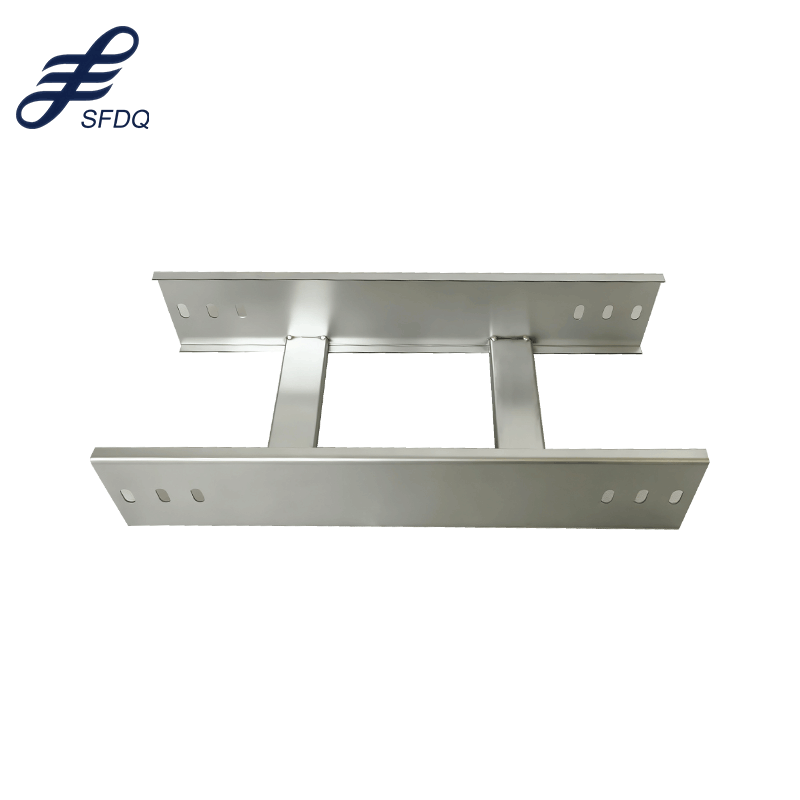
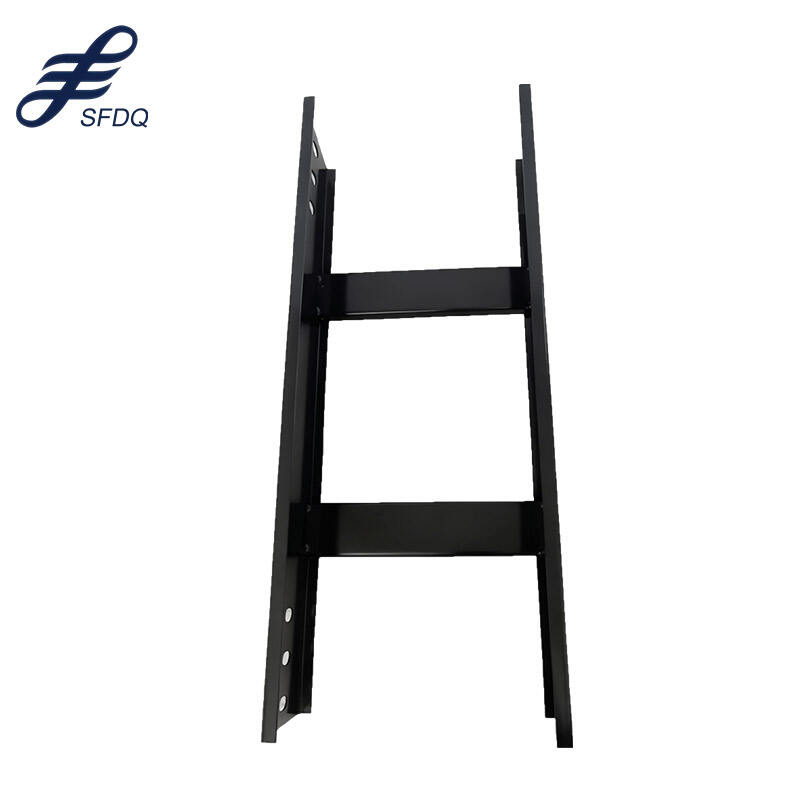
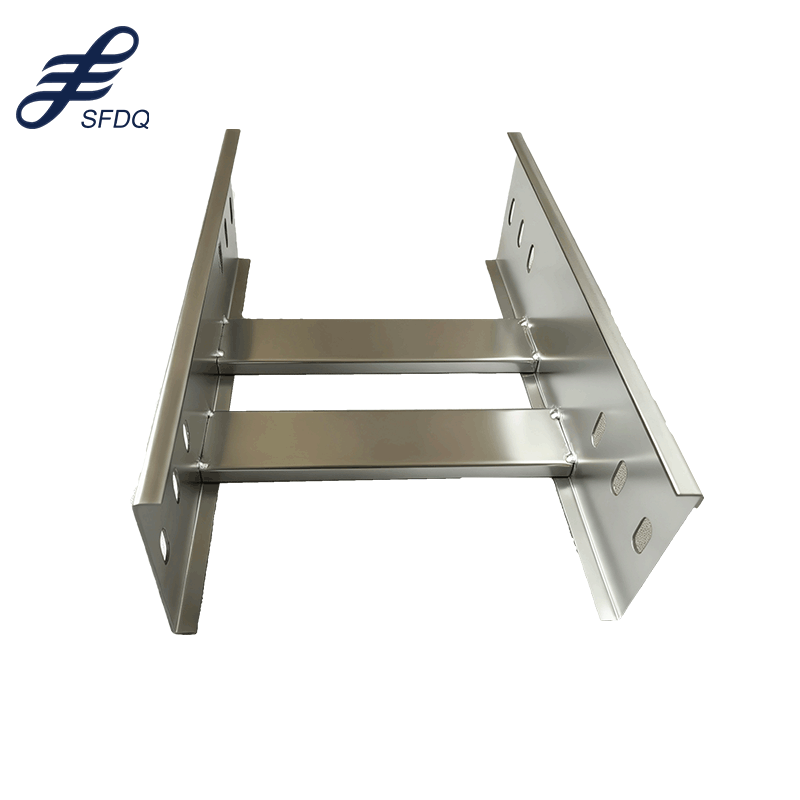
galvanized cable ladder
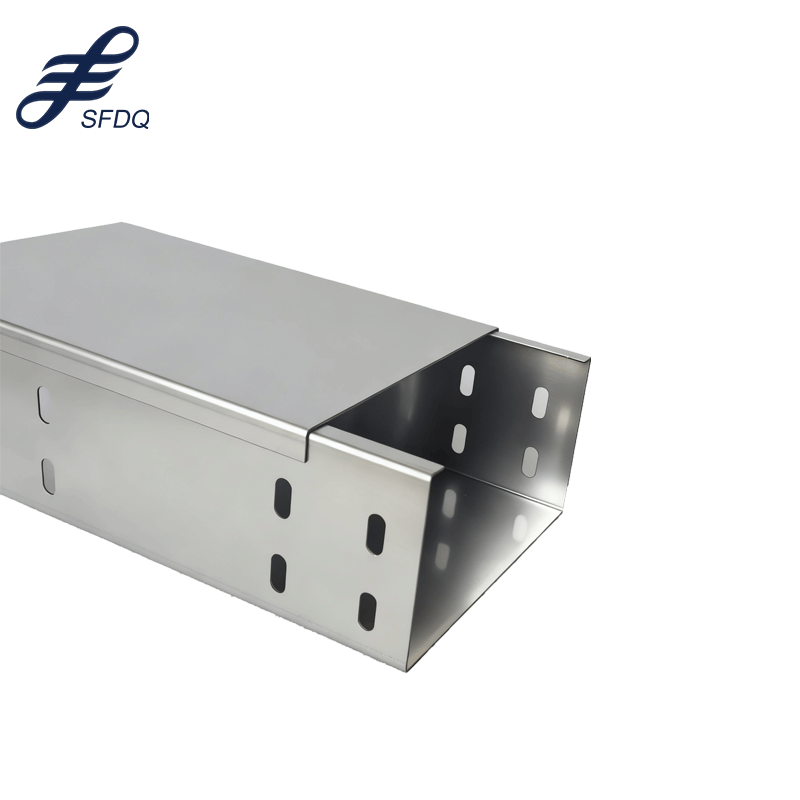
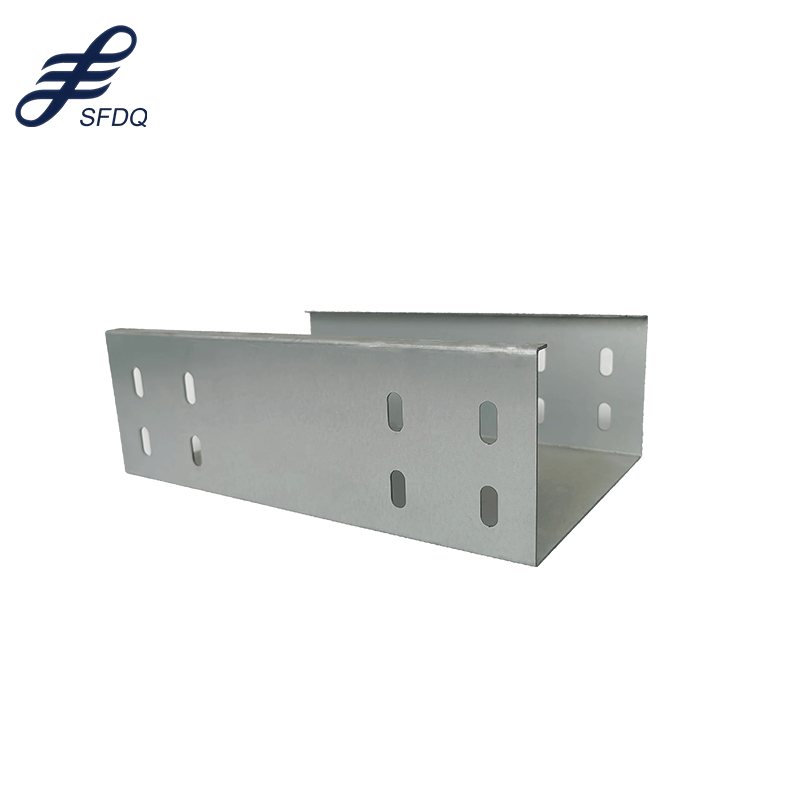
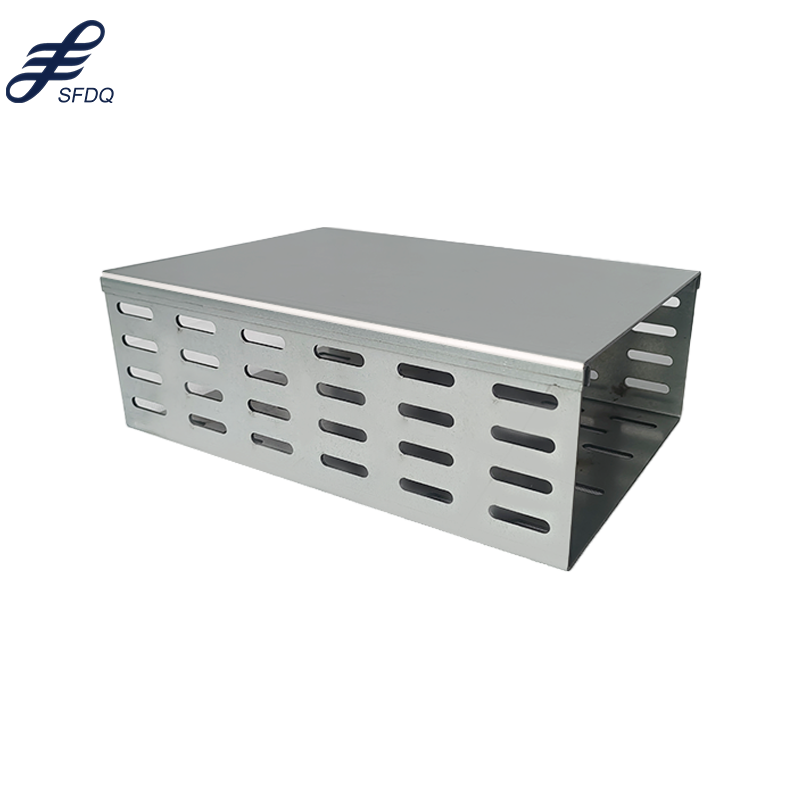
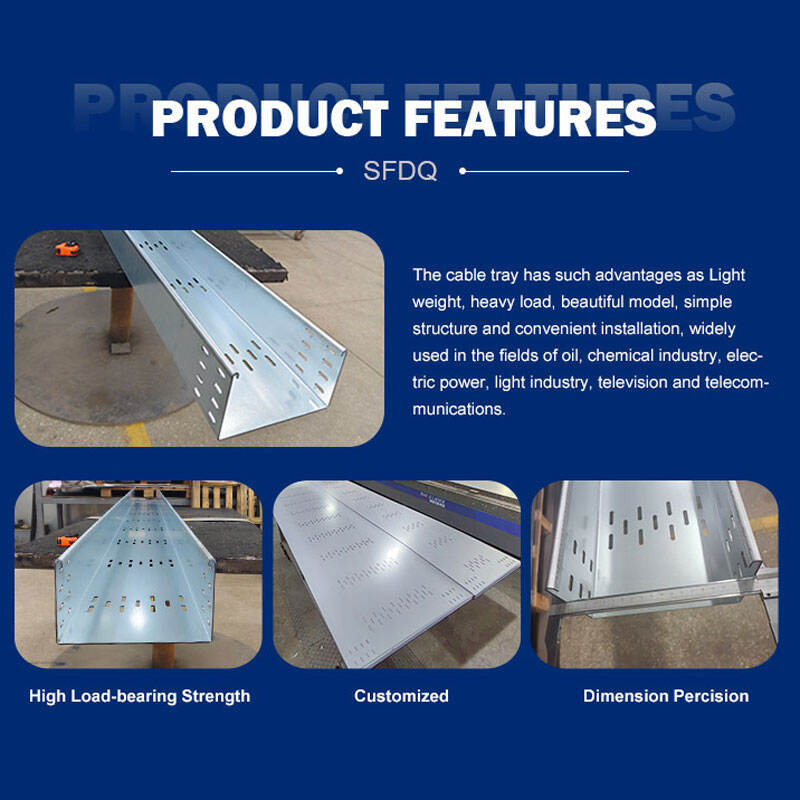
A galvanized cable ladder represents a sophisticated cable management solution engineered to support, organize, and protect electrical cables in commercial, industrial, and residential installations. This robust infrastructure component consists of parallel rails connected by rungs, creating a ladder-like structure that provides secure pathways for cable routing. The galvanization process involves coating the steel construction with a protective zinc layer, delivering exceptional corrosion resistance and extended service life. The galvanized cable ladder system functions as a backbone for electrical infrastructure, enabling systematic cable organization while maintaining accessibility for maintenance and future expansions. Its primary purpose centers on creating safe, code-compliant pathways that prevent cable damage from environmental factors, mechanical stress, and electrical interference. The technological framework incorporates precision-engineered mounting systems, adjustable configurations, and modular components that adapt to diverse installation requirements. Modern galvanized cable ladder designs feature optimized load distribution mechanisms, ensuring structural integrity under varying weight conditions. The ventilation properties inherent in the open-rung design facilitate heat dissipation, preventing cable overheating and maintaining optimal performance. Installation versatility allows horizontal, vertical, and angled positioning, accommodating complex routing scenarios in buildings, data centers, manufacturing facilities, and outdoor environments. The galvanized cable ladder construction typically utilizes high-grade steel materials that undergo rigorous quality testing to meet industry standards and safety regulations. Advanced manufacturing processes ensure dimensional accuracy, consistent performance, and reliable long-term operation. These systems integrate seamlessly with existing infrastructure while providing expansion capabilities for future electrical needs. The standardized dimensions and connection methods simplify procurement, installation, and maintenance procedures, reducing overall project costs and timeline requirements.
 EN
EN