cable tray and ladder
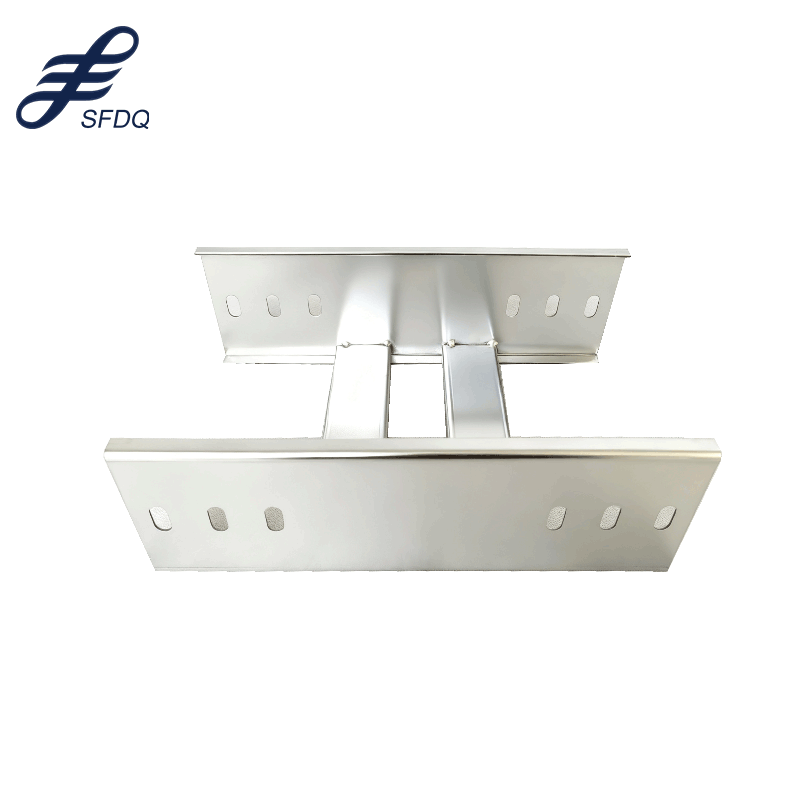
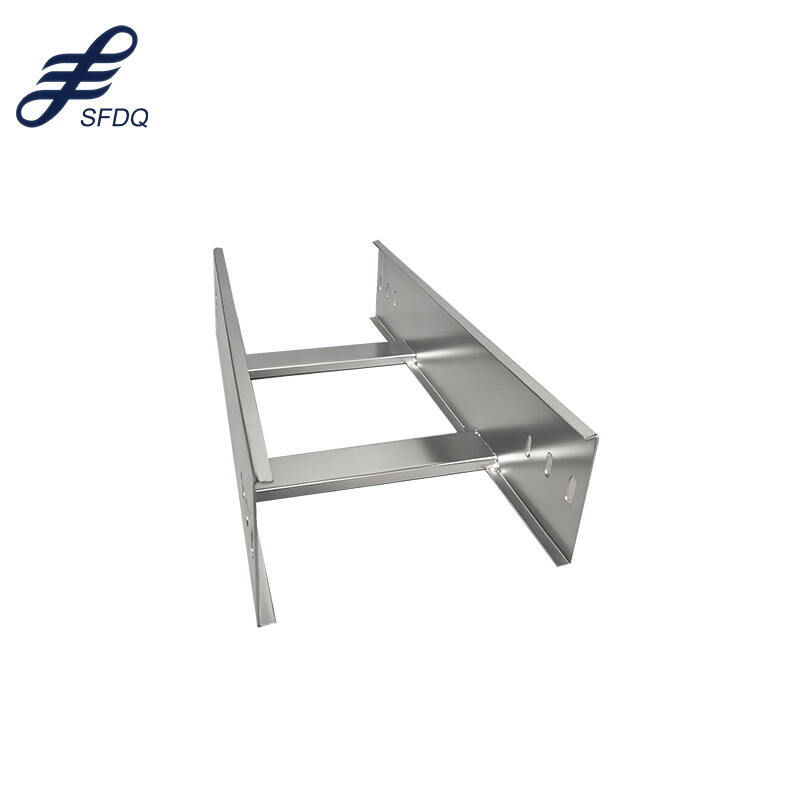
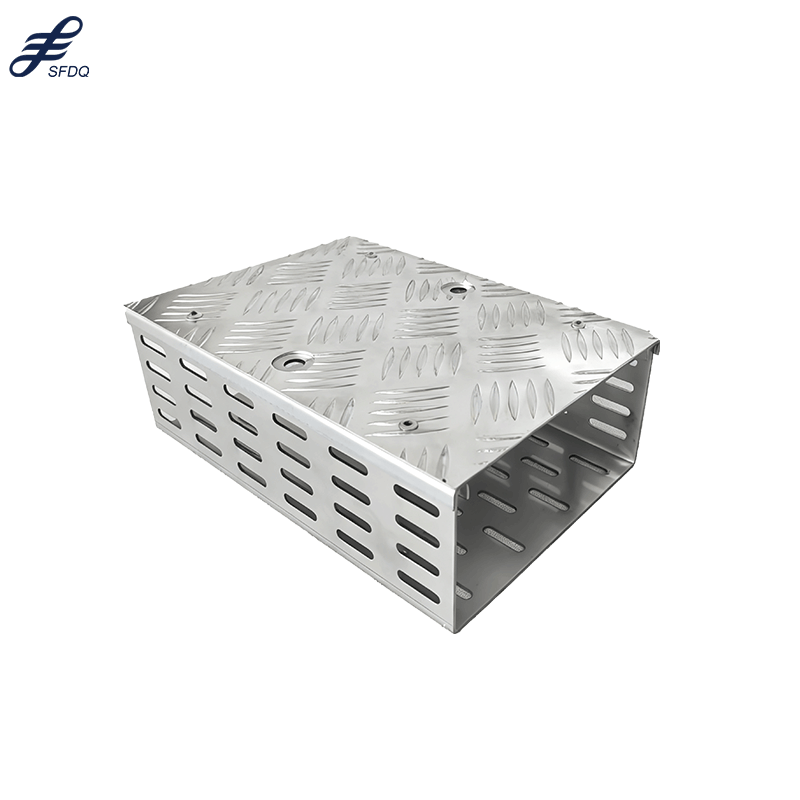
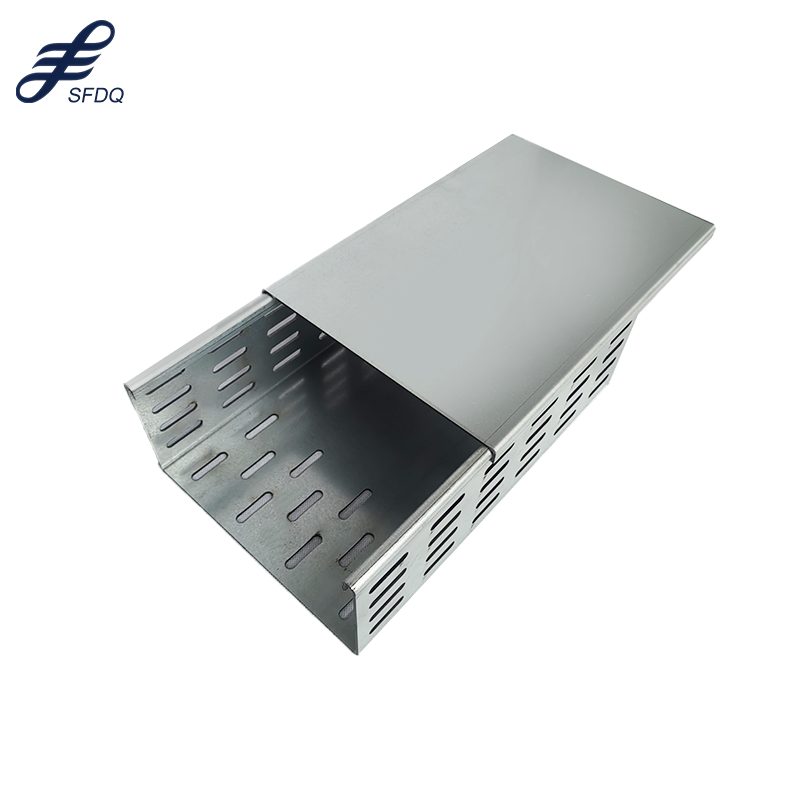
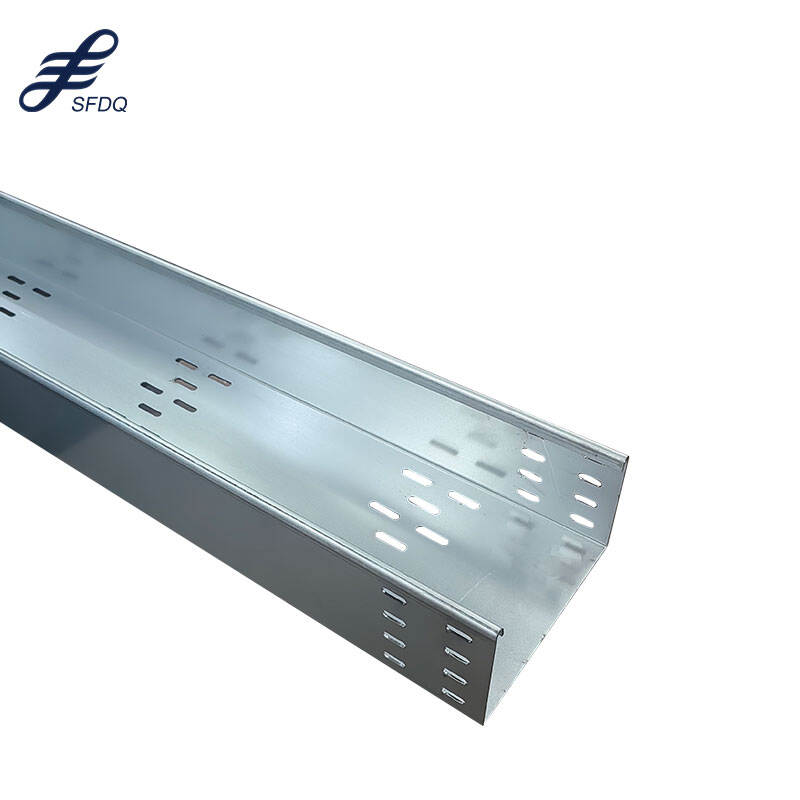
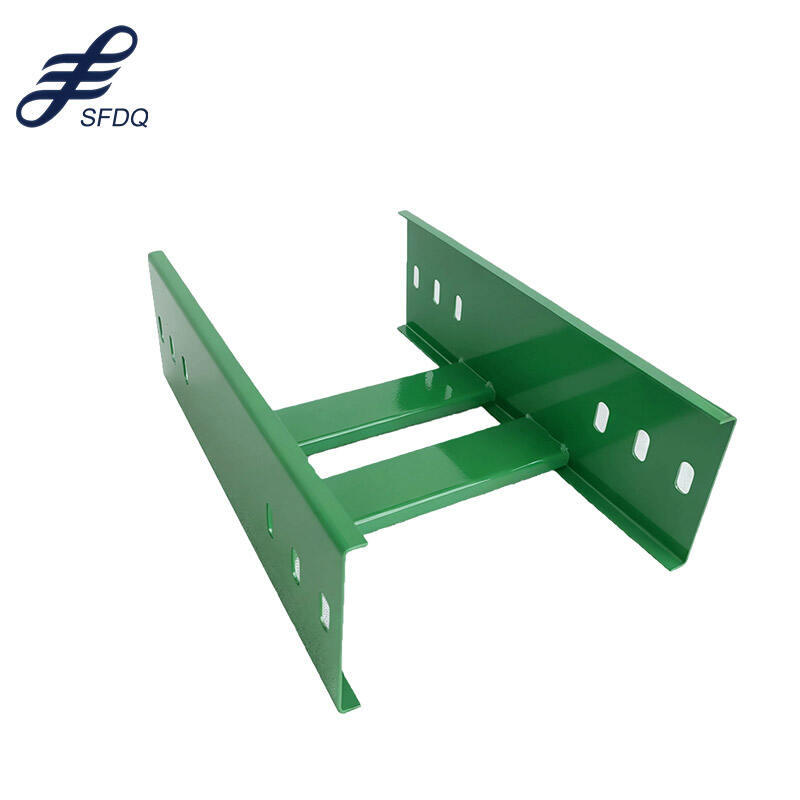
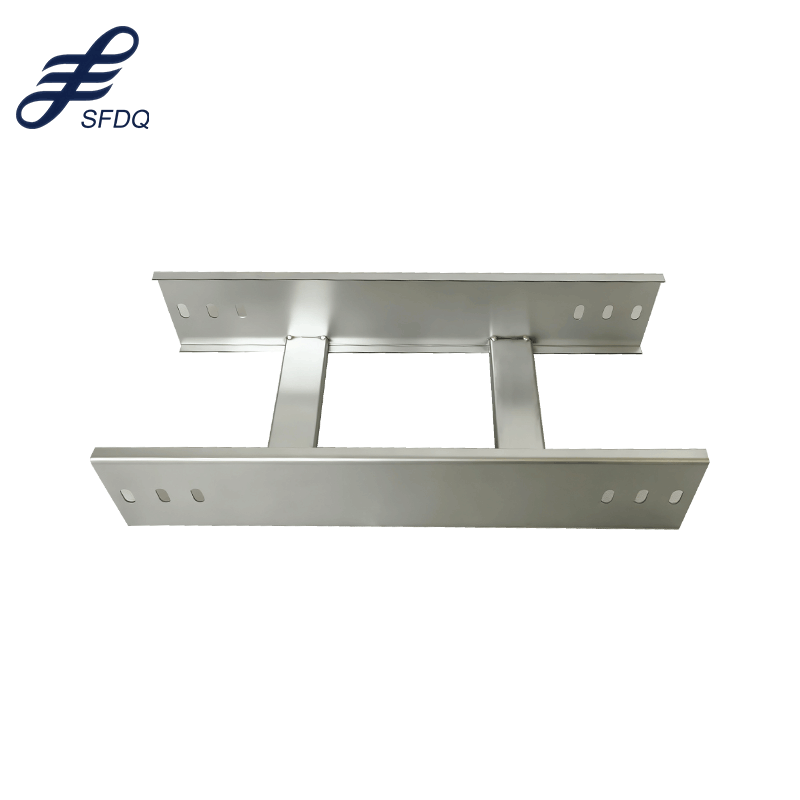
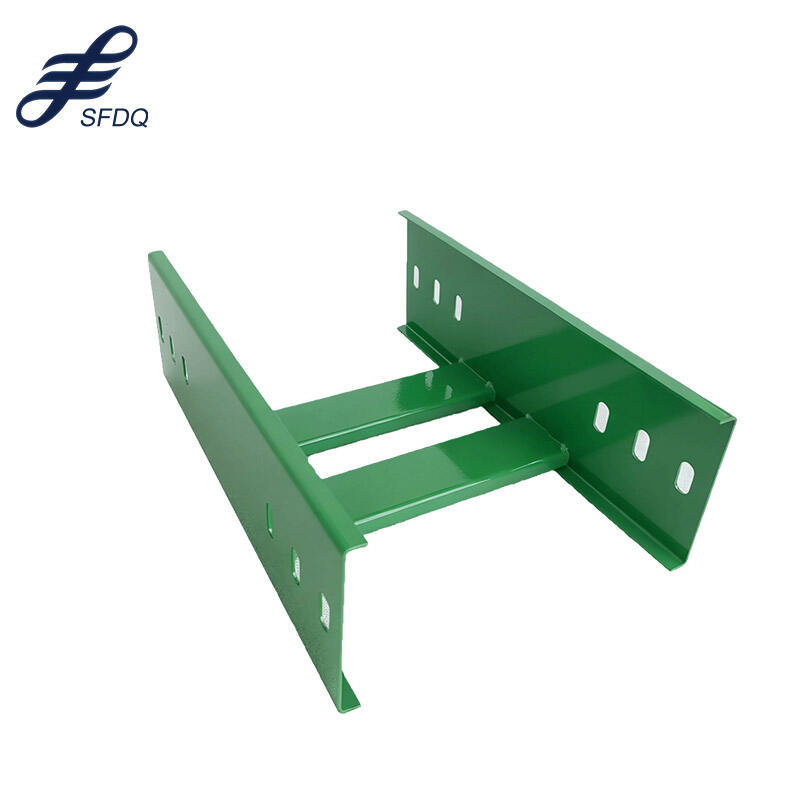
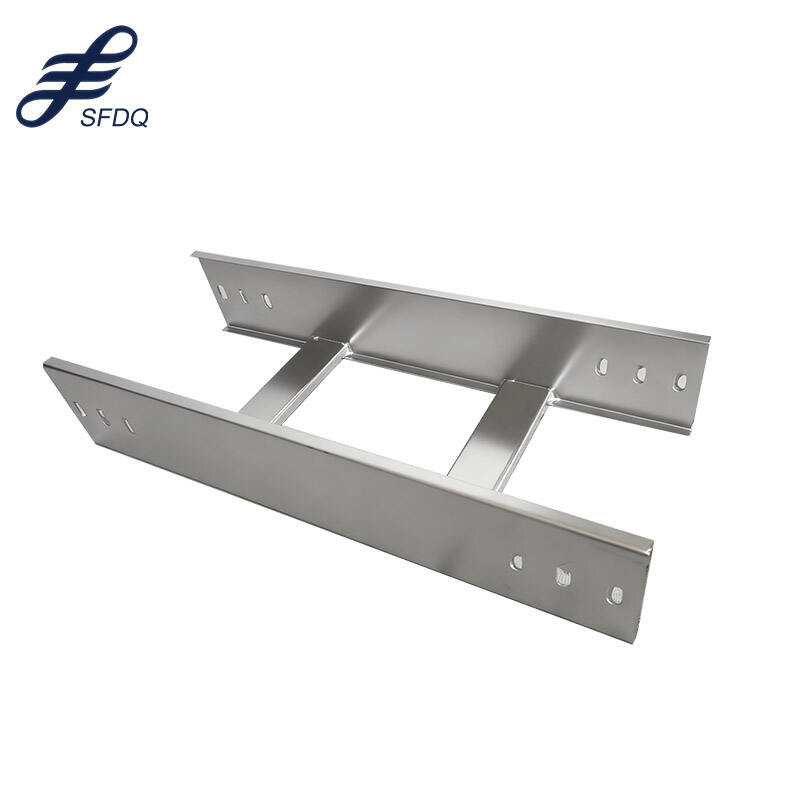
Cable tray and ladder systems represent essential infrastructure components in modern electrical installations, serving as the backbone for organized cable management across industrial, commercial, and institutional facilities. These robust support structures provide a systematic approach to routing power, control, and communication cables throughout buildings and industrial complexes. The cable tray and ladder design features an open framework construction that allows for efficient cable installation, maintenance, and heat dissipation. Manufacturing typically involves high-grade steel, aluminum, or fiberglass materials, ensuring exceptional durability and corrosion resistance. The ladder-style configuration consists of two parallel side rails connected by evenly spaced rungs, creating a sturdy pathway for cable routing. This design enables technicians to easily access individual cables for inspection, modification, or replacement without disrupting the entire installation. Cable tray and ladder systems accommodate various cable types, including power cables, fiber optic cables, and control wiring, making them versatile solutions for diverse electrical applications. The modular design allows for customizable configurations, enabling engineers to create complex routing paths that navigate around obstacles and through different building sections. Installation flexibility represents a key technological feature, as these systems can be mounted to walls, ceilings, or supported by standalone structures. The open design promotes natural ventilation, preventing cable overheating and extending operational lifespan. Load-bearing capacity varies based on construction materials and dimensions, with heavy-duty cable tray and ladder systems supporting substantial cable bundles. Surface treatments such as galvanization or powder coating provide additional protection against environmental factors. Modern cable tray and ladder systems comply with international safety standards and electrical codes, ensuring reliable performance in demanding environments while facilitating future expansion and system modifications.
 EN
EN