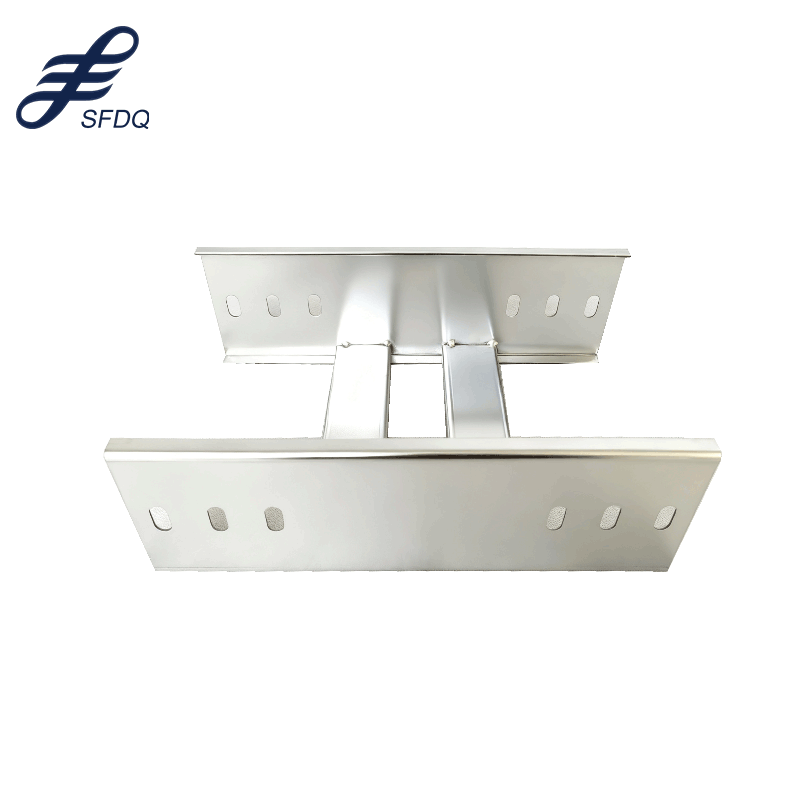
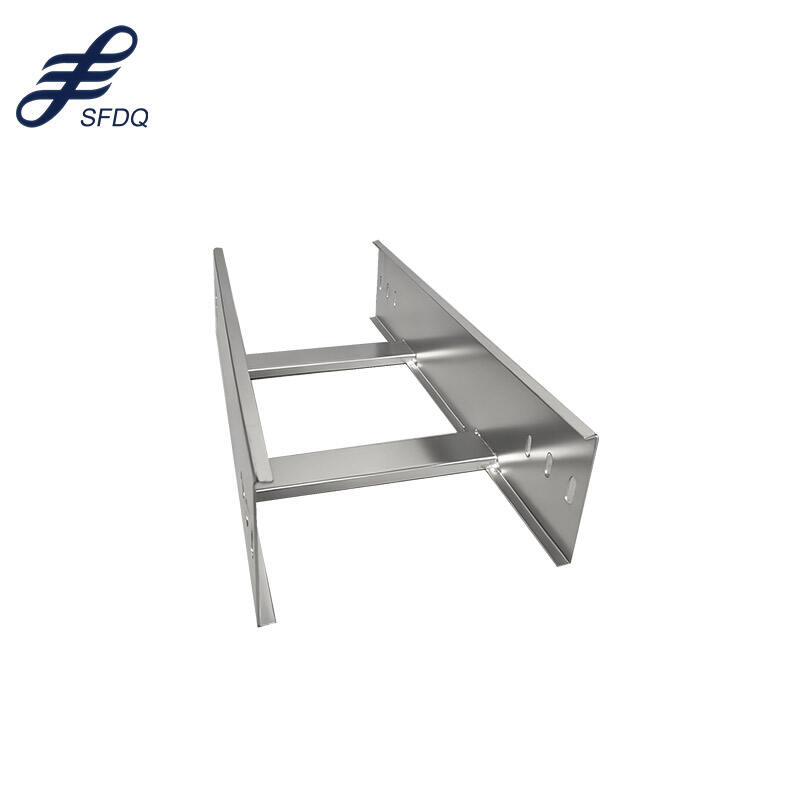
cable ladder price list
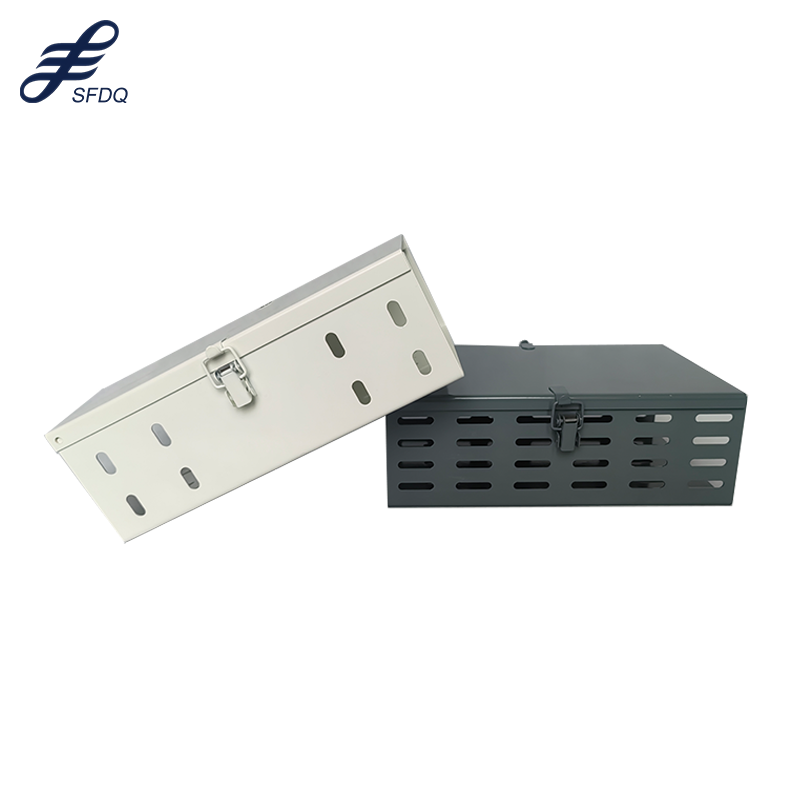
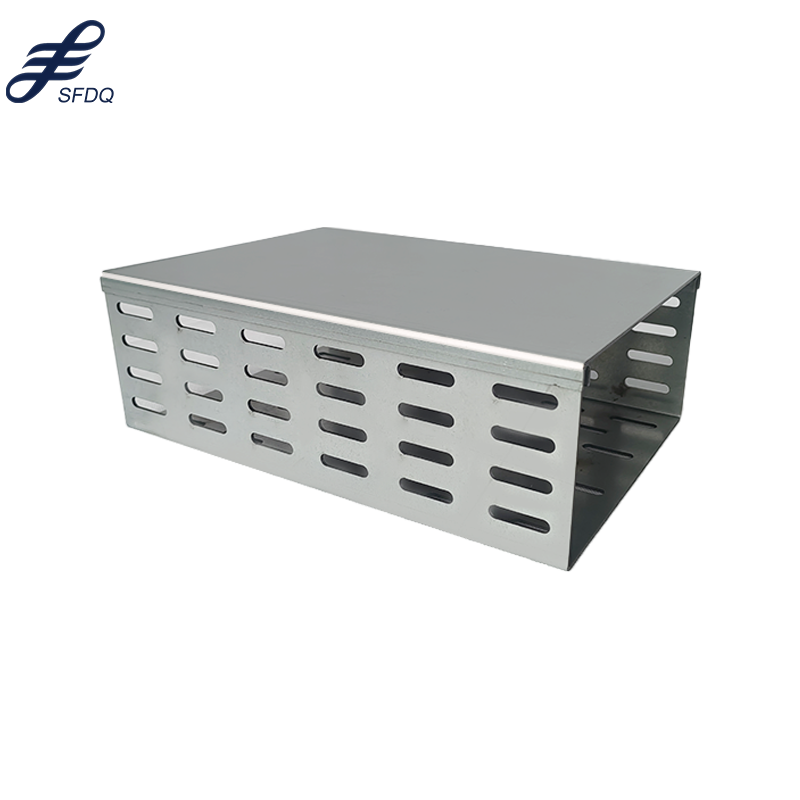
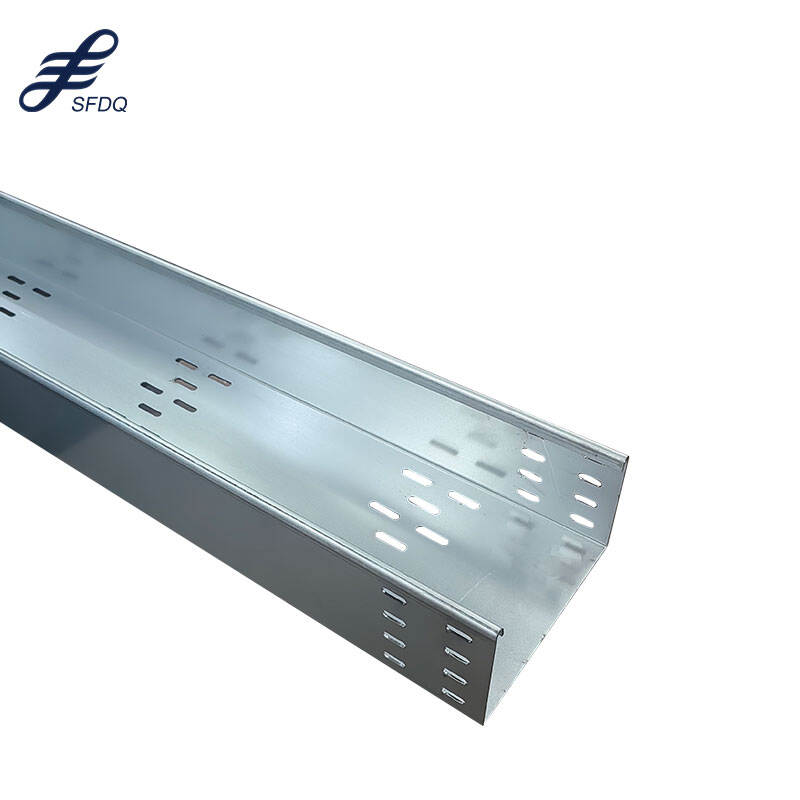
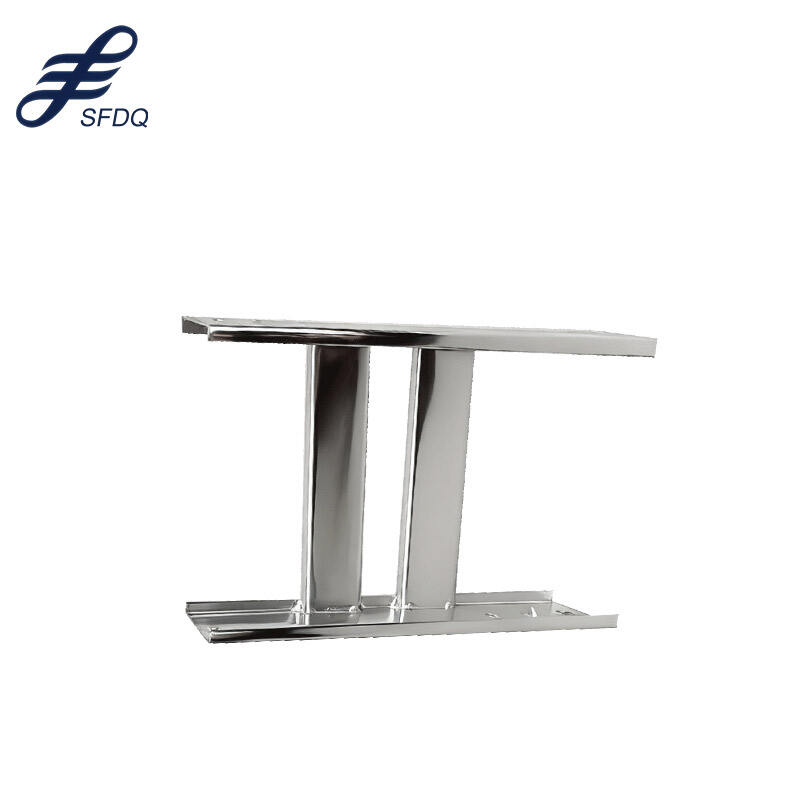
A cable ladder price list serves as an essential resource for electrical contractors, facility managers, and construction professionals seeking to understand the comprehensive costs associated with cable management infrastructure. This detailed pricing guide encompasses various models, sizes, and specifications of cable ladders, providing transparency in budgeting for electrical installation projects. Cable ladders are robust support systems designed to organize, protect, and route electrical cables in commercial, industrial, and residential environments. The cable ladder price list typically includes straight sections, curves, tees, crosses, and specialized accessories that form complete cable management solutions. These systems feature galvanized steel or aluminum construction, offering exceptional durability and corrosion resistance. The pricing structure reflects different load capacities, ranging from light-duty applications supporting standard power cables to heavy-duty configurations handling substantial cable loads in industrial facilities. Width options commonly span from 150mm to 900mm, accommodating diverse installation requirements. The cable ladder price list incorporates various surface treatments including hot-dip galvanizing, powder coating, and stainless steel options to meet specific environmental conditions. Installation accessories such as wall brackets, suspension kits, and joining hardware are itemized separately, enabling accurate project cost estimation. Professional-grade cable ladders featured in these price lists comply with international standards including IEC, NEMA, and local electrical codes. The pricing reflects engineering excellence, manufacturing precision, and quality assurance testing that ensures long-term reliability. Modern cable ladder systems support fiber optic cables, control wiring, and high-voltage power distribution while maintaining proper cable separation and ventilation. The cable ladder price list serves as a valuable tool for comparing manufacturers, specifications, and total ownership costs, helping decision-makers select optimal solutions for their specific applications and budget constraints.
 EN
EN