Versatile Installation and Configuration Options
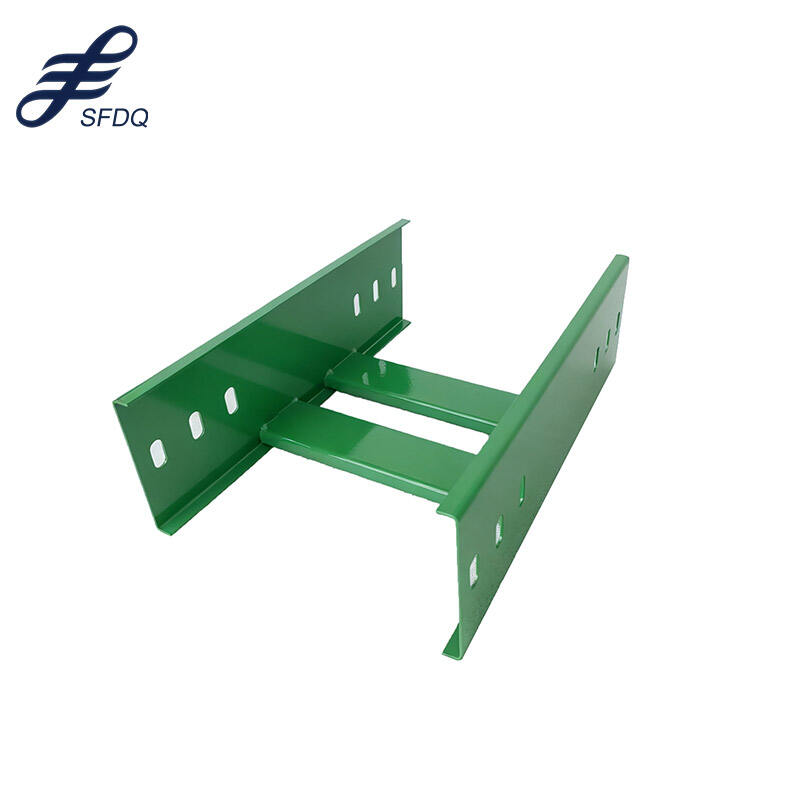
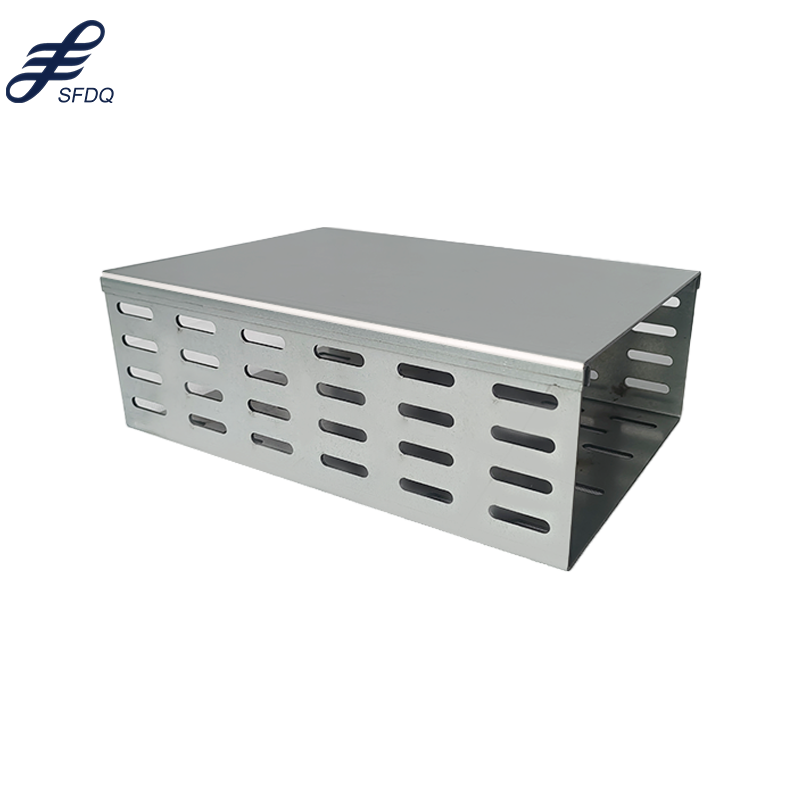
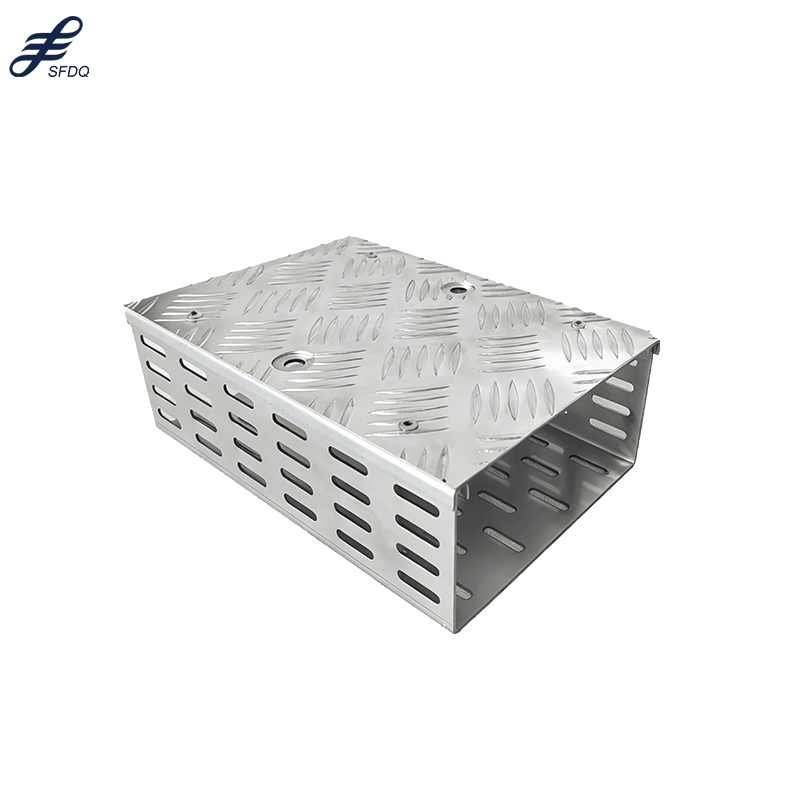
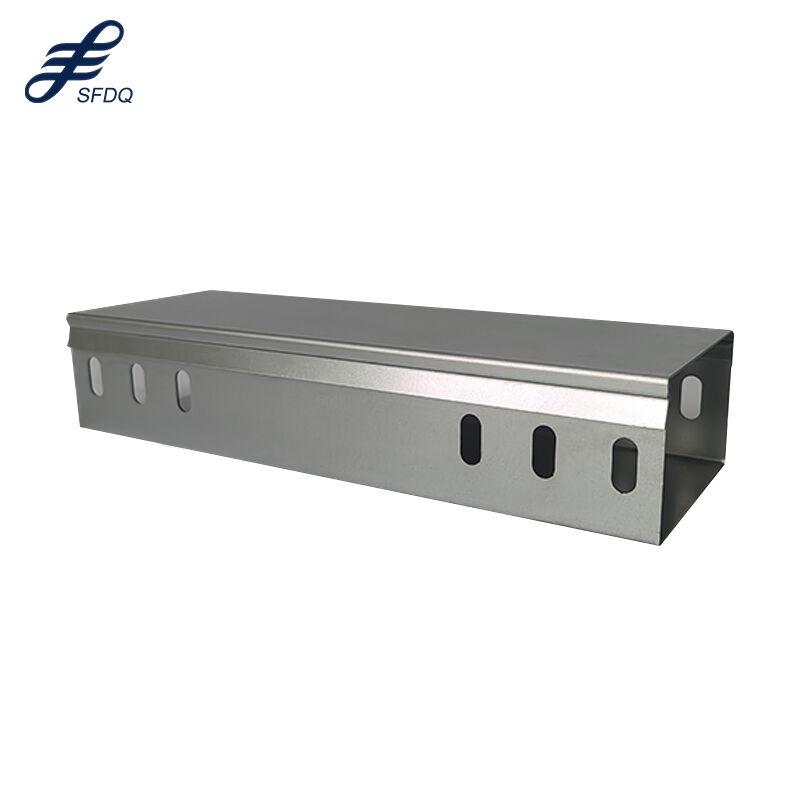
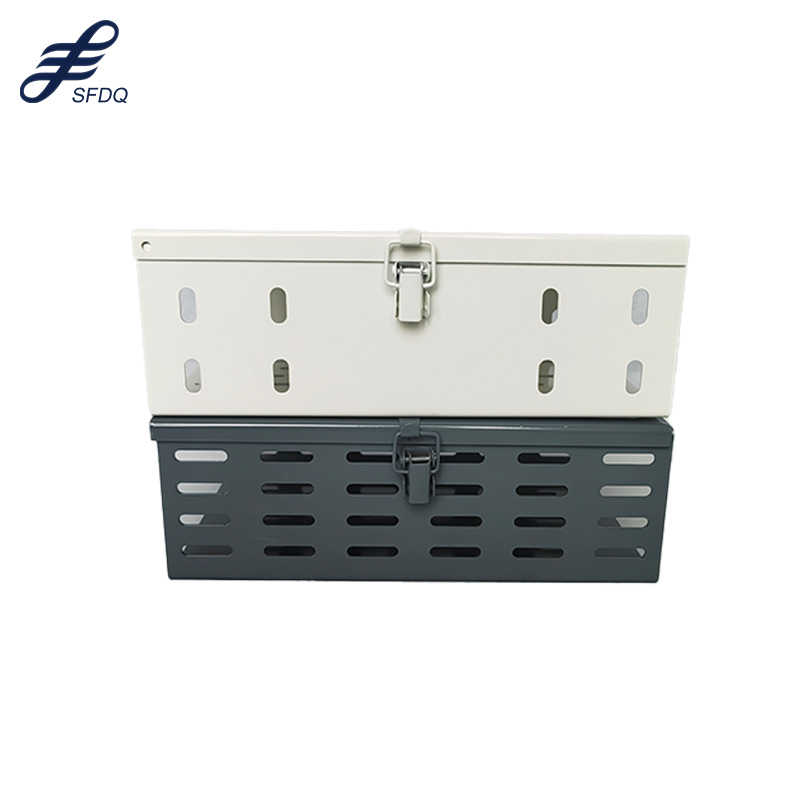
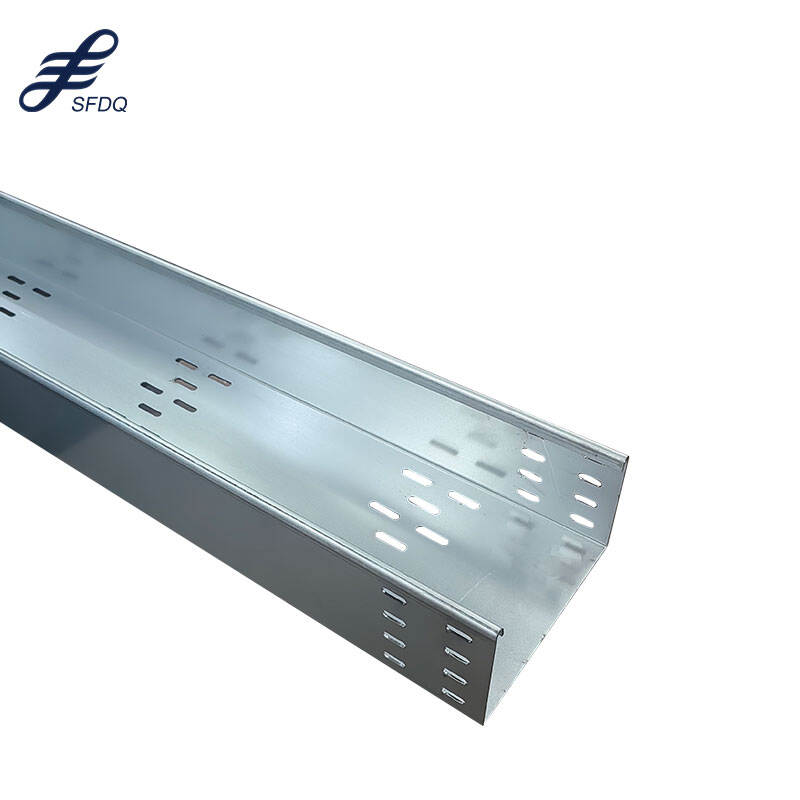
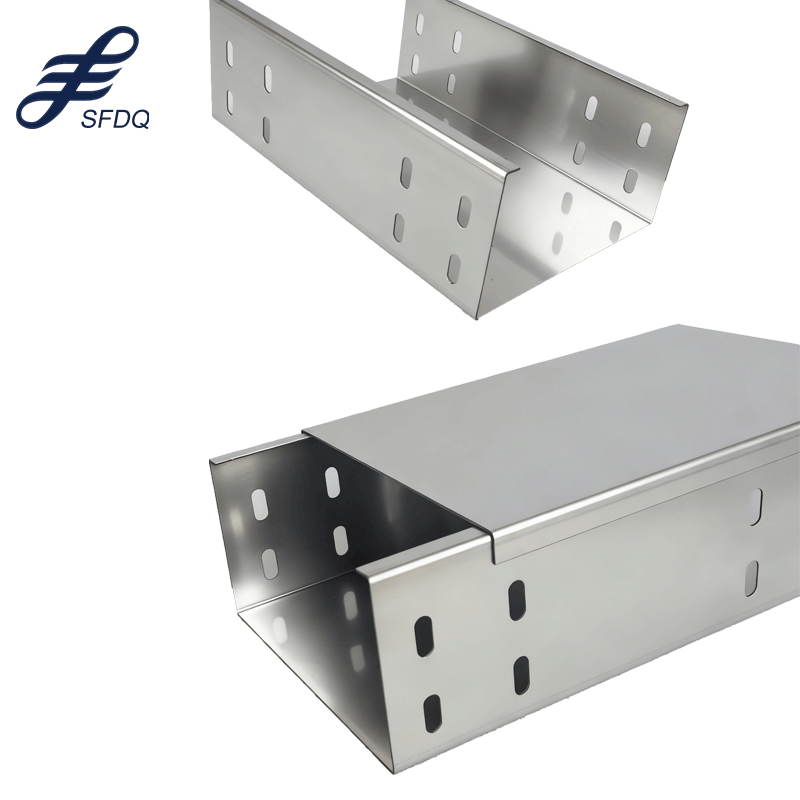
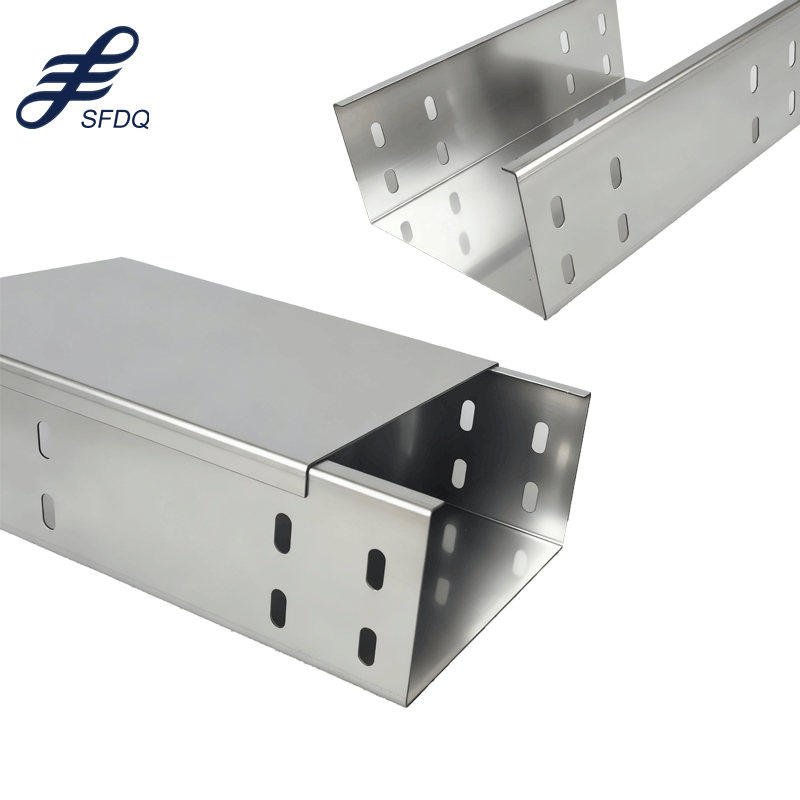
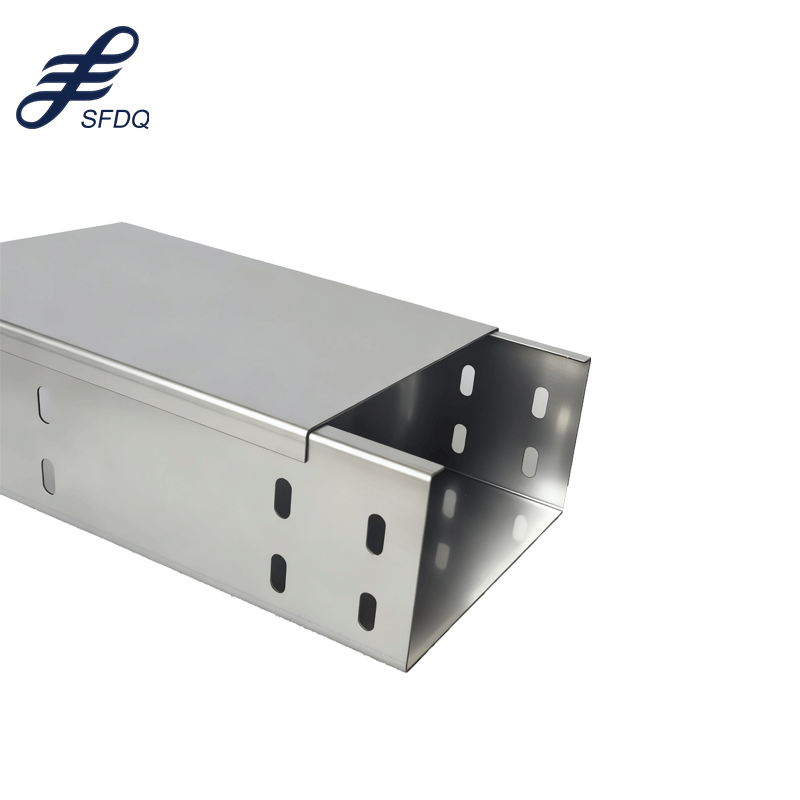
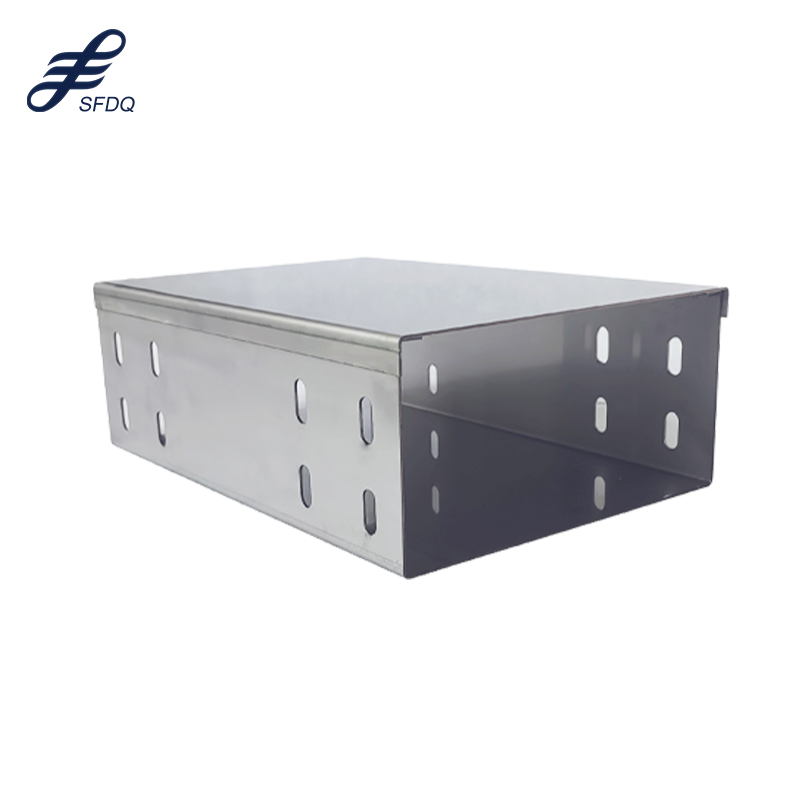
The cable tray ss offers unparalleled installation versatility and configuration flexibility that adapts to virtually any architectural requirement or infrastructure challenge. This adaptability stems from the modular design philosophy that enables custom configurations using standardized components, allowing engineers and installers to create complex cable routing solutions that conform to unique building layouts, equipment arrangements, and spatial constraints. The system accommodates horizontal runs, vertical risers, direction changes, elevation transitions, and branching configurations with seamless integration between different pathway sections. Standard components include straight sections, elbows, tees, reducers, and custom fabricated pieces that can be combined to create sophisticated three-dimensional cable management networks. The cable tray ss supports multiple mounting methods including wall brackets, ceiling suspension systems, floor-mounted supports, and structural attachments, providing installation flexibility that accommodates both new construction and retrofit applications. Quick-connect joining systems eliminate the need for field welding or complex assembly procedures, reducing installation time and labor costs while ensuring reliable mechanical connections. The modular approach facilitates future system modifications and expansions without requiring extensive reconstruction or service interruptions, making cable tray ss an ideal choice for facilities that anticipate growth or reconfiguration requirements. Customization capabilities extend to specialized applications such as cleanroom installations, where smooth surfaces and crevice-free designs prevent contamination accumulation, or hazardous area applications where specific material certifications and construction details ensure compliance with safety regulations. The cable tray ss accommodates various cable separation requirements, enabling simultaneous routing of power circuits, control wiring, and communication cables with appropriate spacing and isolation barriers. Ventilation options including perforated bottoms, ladder configurations, and open-mesh designs provide optimal thermal management for different cable types and loading conditions. The installation versatility extends to challenging environments such as underground tunnels, outdoor exposed installations, or high-temperature industrial processes where standard cable management systems would fail to provide adequate service life or performance reliability.
 EN
EN