Advanced Weather Resistance and Environmental Durability
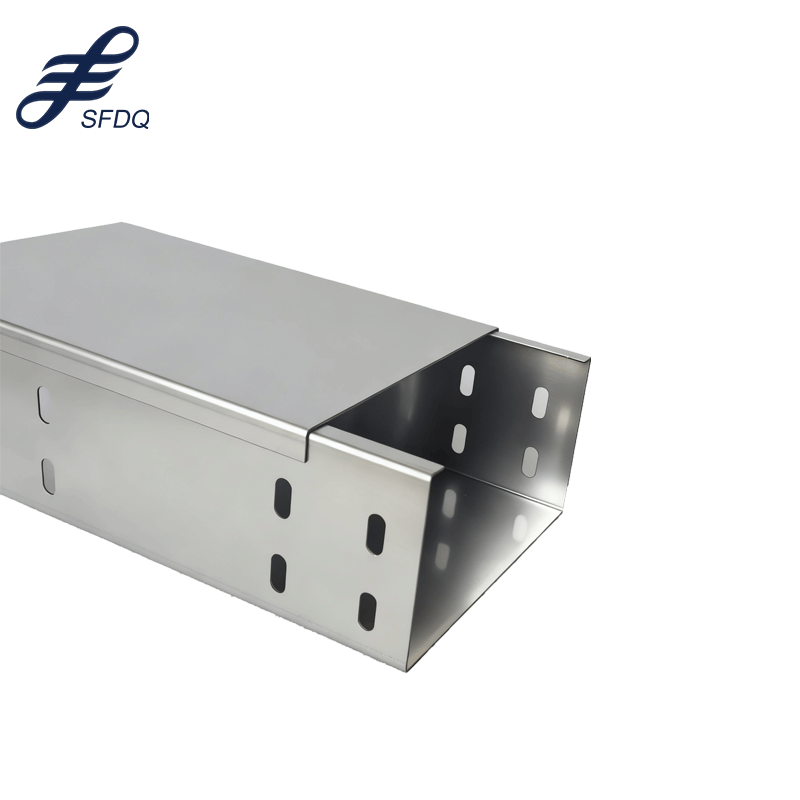
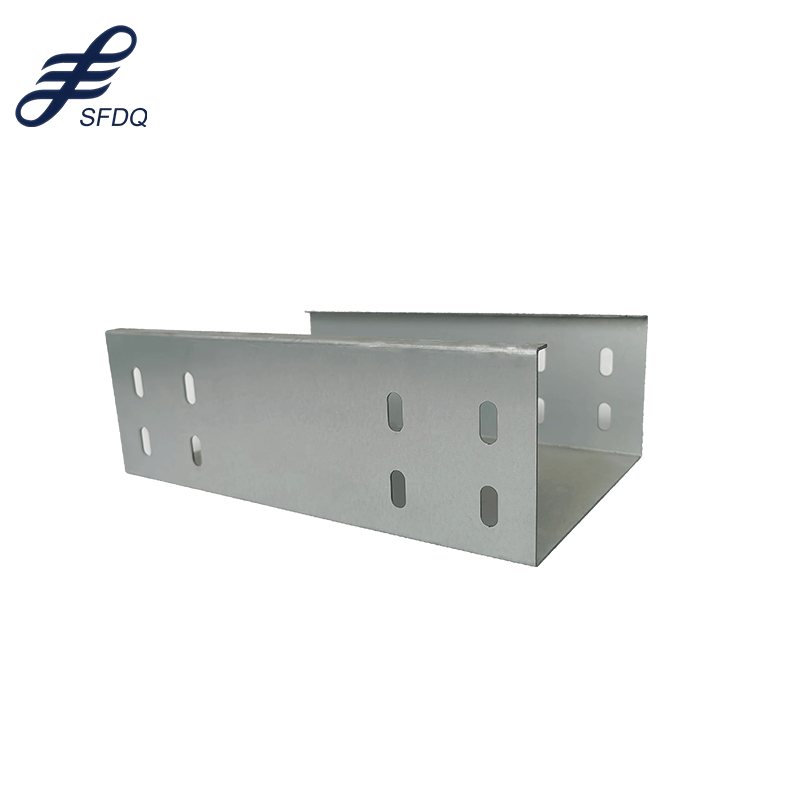
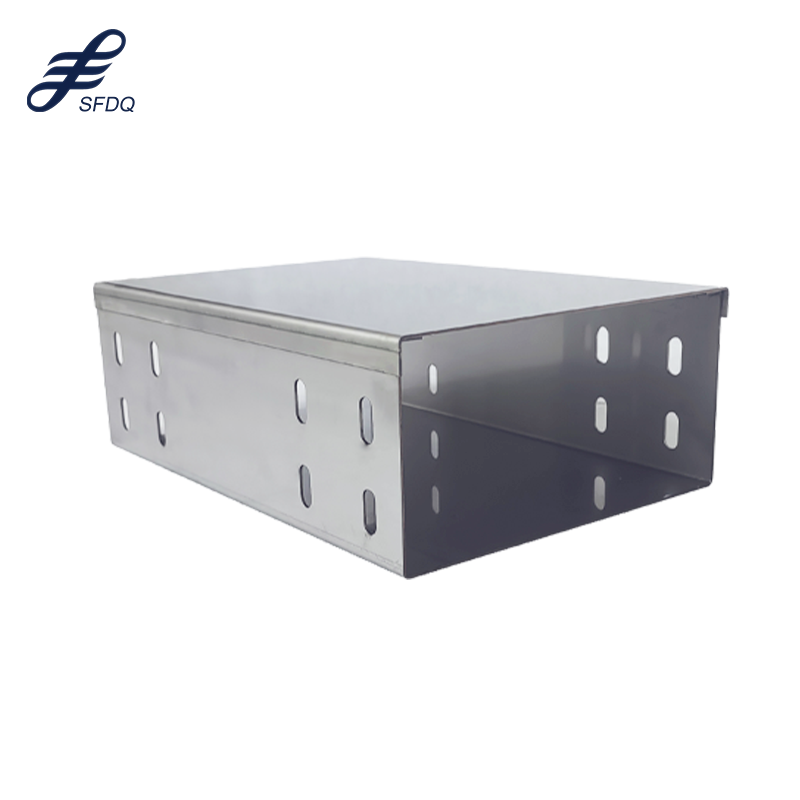
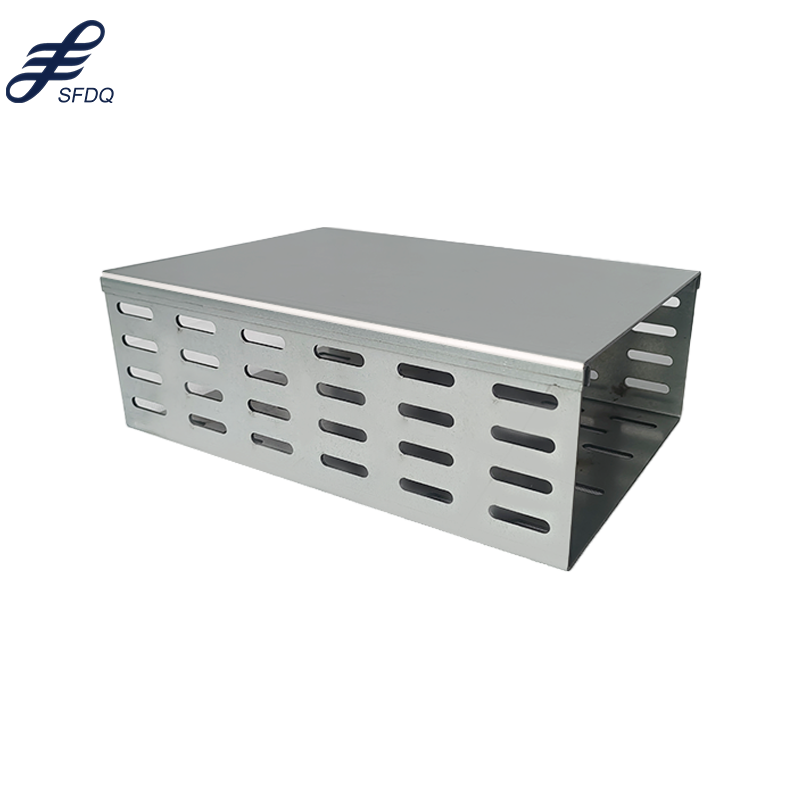
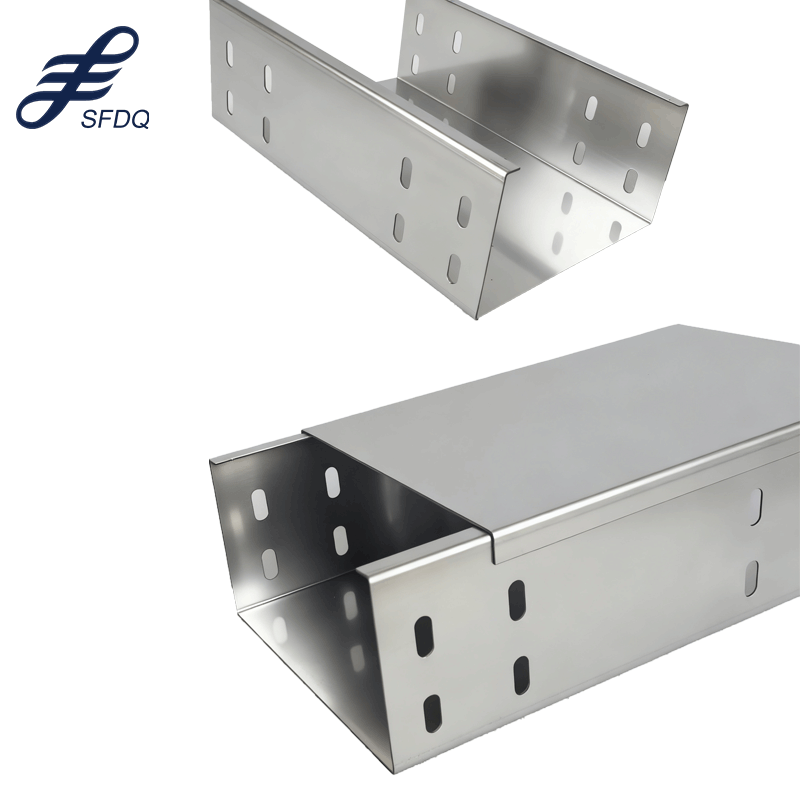
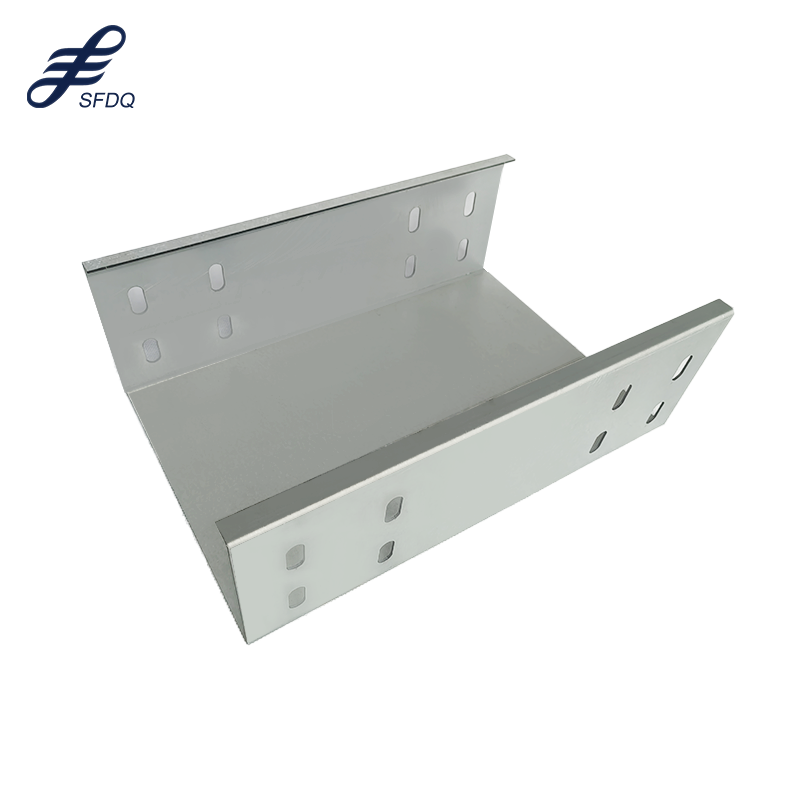
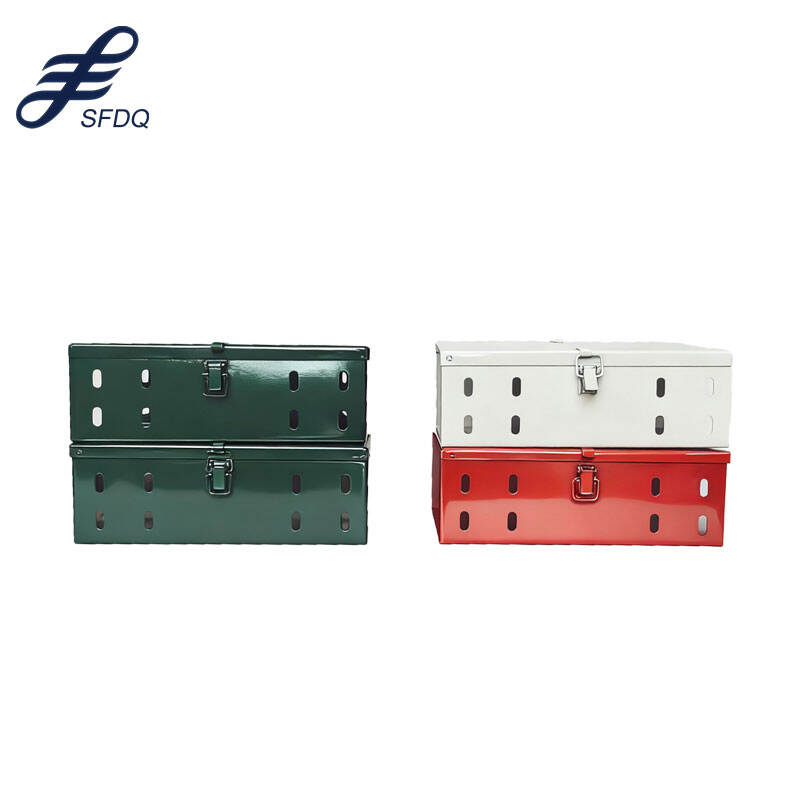
Cable trunking covers designed with superior weather resistance capabilities deliver unmatched environmental protection that ensures reliable electrical system performance across diverse climatic conditions and challenging outdoor applications. These robust covers incorporate UV-stabilized materials that resist degradation from prolonged sun exposure, preventing the brittleness, cracking, and color fading that commonly affect inferior protective products over time. Advanced polymer formulations used in premium cable trunking covers maintain flexibility and impact resistance even in extreme temperature variations, from scorching summer heat to freezing winter conditions that would compromise lesser quality alternatives. Moisture protection represents a critical advantage of weatherproof cable trunking covers, as sealed designs prevent water infiltration that could cause dangerous short circuits, corrosion, and insulation breakdown in electrical systems. The gasket systems and overlapping joint configurations of professional-grade covers create watertight seals that withstand driving rain, snow accumulation, and high-humidity environments without compromising internal cable protection. Chemical resistance properties of industrial-grade cable trunking covers enable safe installation in environments exposed to corrosive substances, cleaning agents, and atmospheric pollutants that would rapidly deteriorate standard materials. This chemical immunity proves essential for manufacturing facilities, food processing plants, and laboratory environments where regular sanitization procedures involve harsh chemicals that must not compromise electrical safety systems. Impact resistance engineering ensures that cable trunking covers maintain protective integrity despite mechanical stress from foot traffic, vehicle contact, and accidental impacts that occur in busy industrial and commercial environments. The structural stability of quality covers prevents deformation and damage that could create gaps or weak points where environmental hazards might penetrate and threaten cable integrity. Long-term cost savings result from the extended service life of weather-resistant cable trunking covers, as their durability eliminates frequent replacement cycles and reduces maintenance expenses associated with environmental damage to electrical infrastructure.
 EN
EN