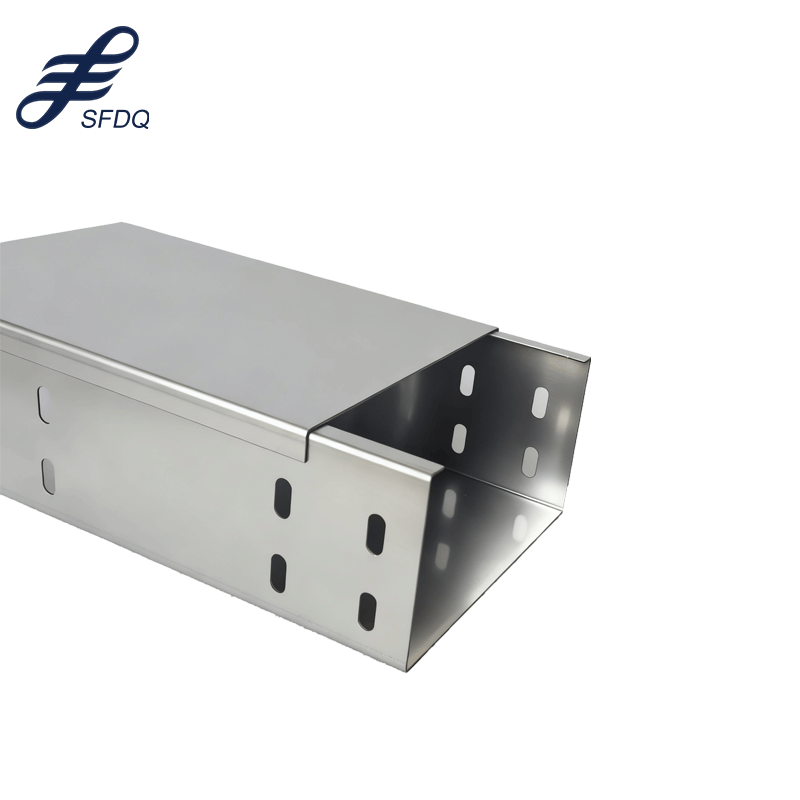
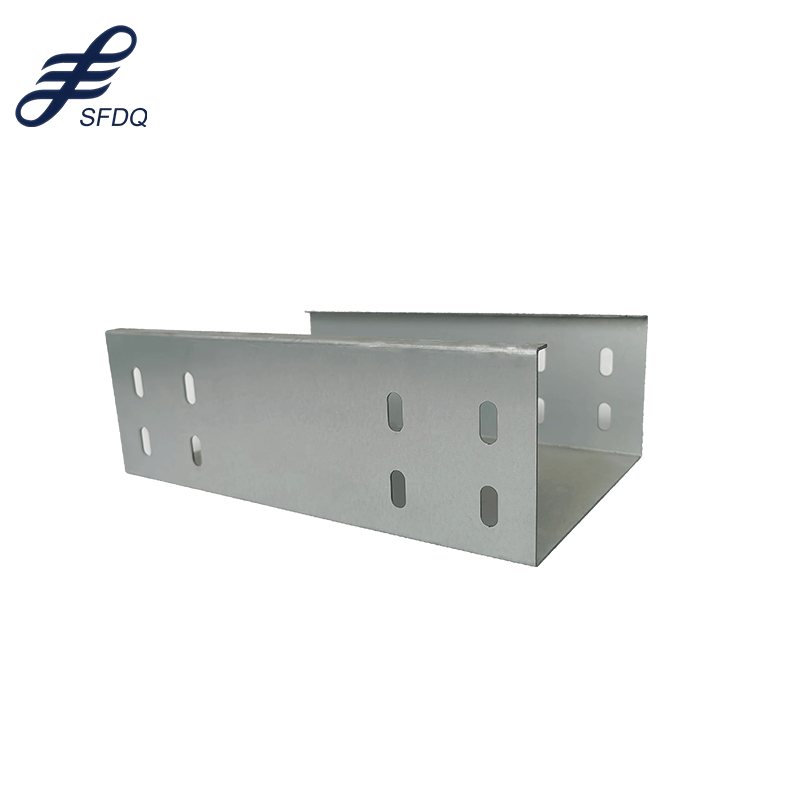
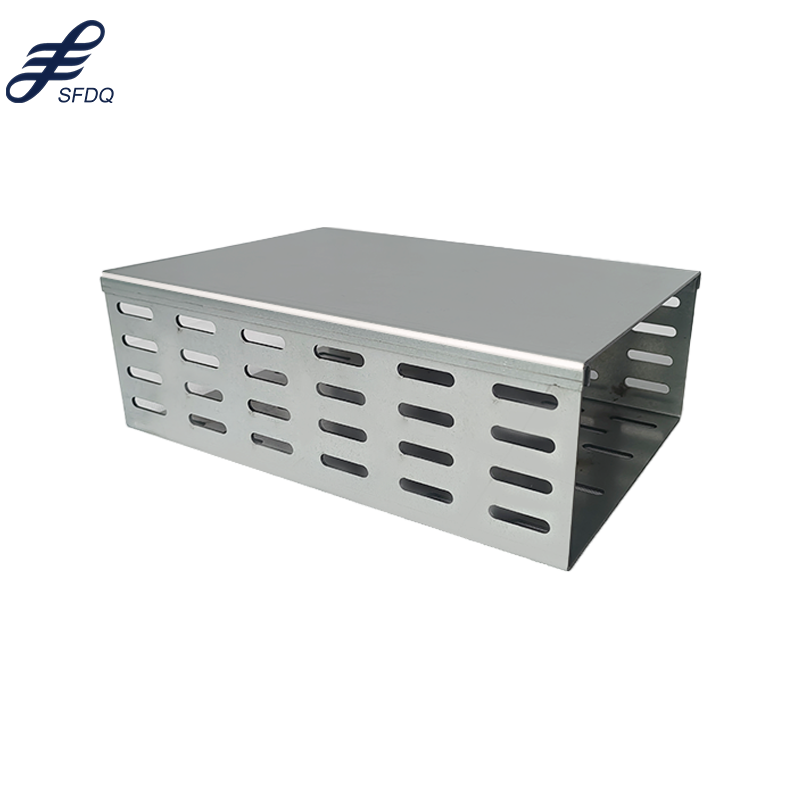
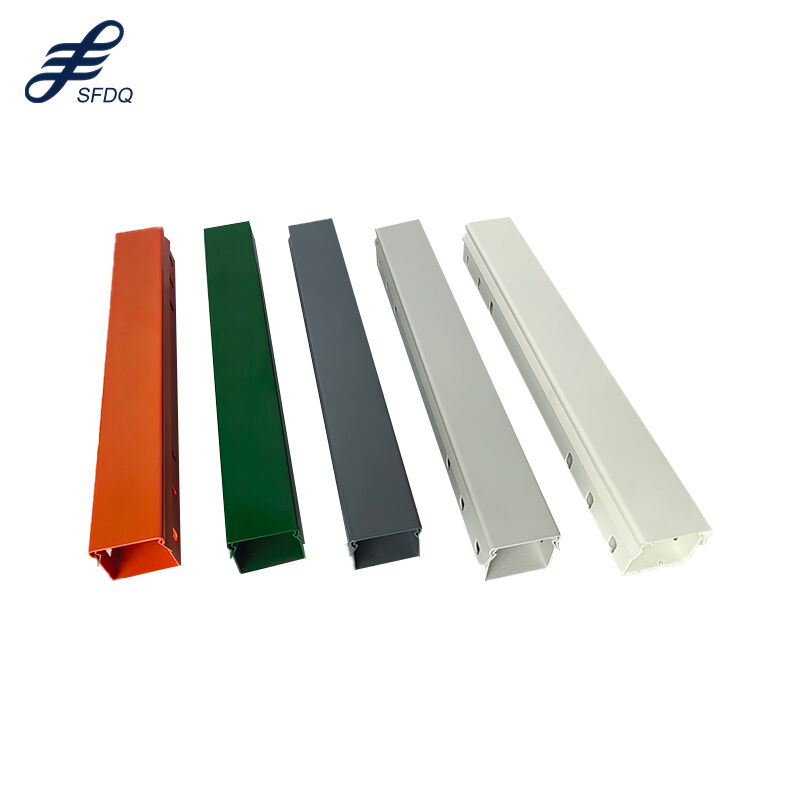
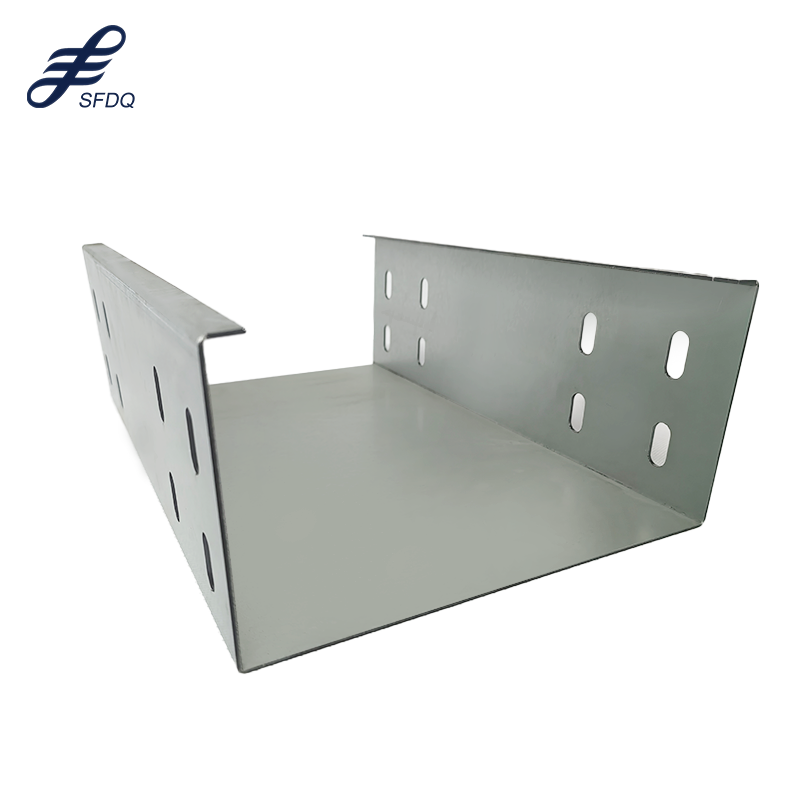
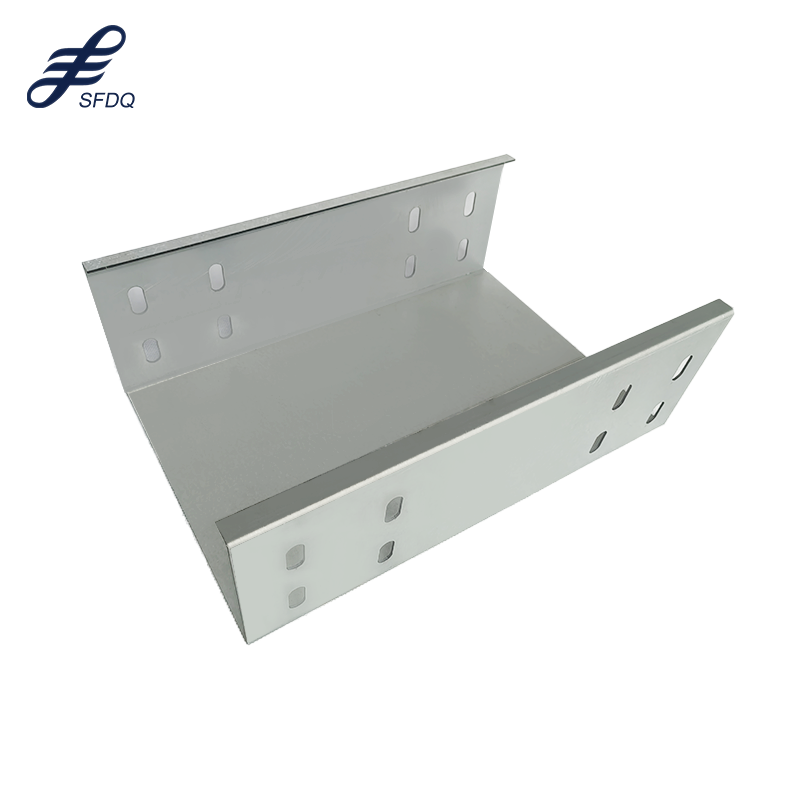
trunking cable cover
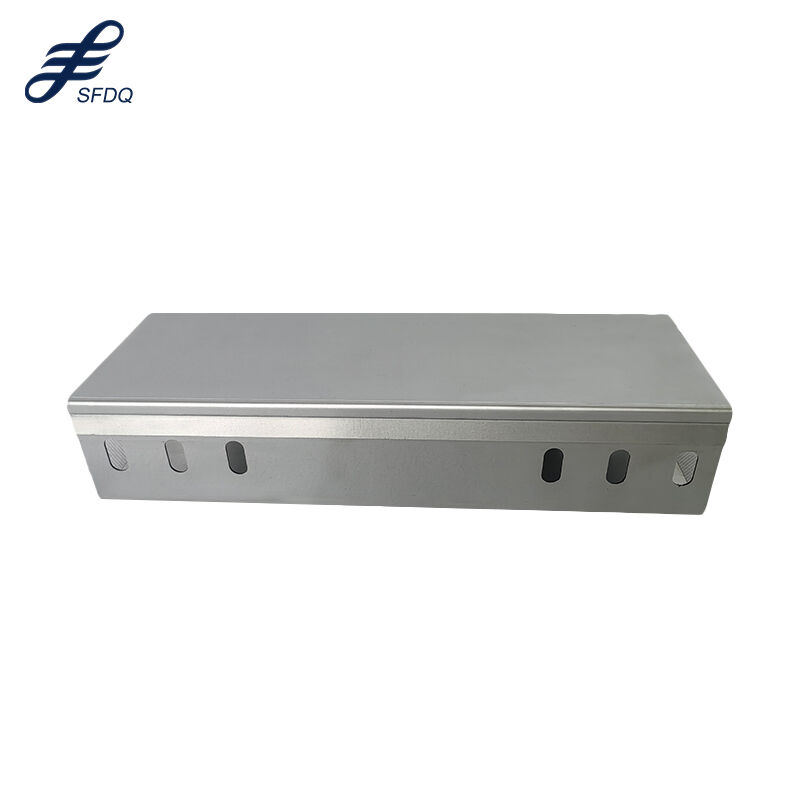
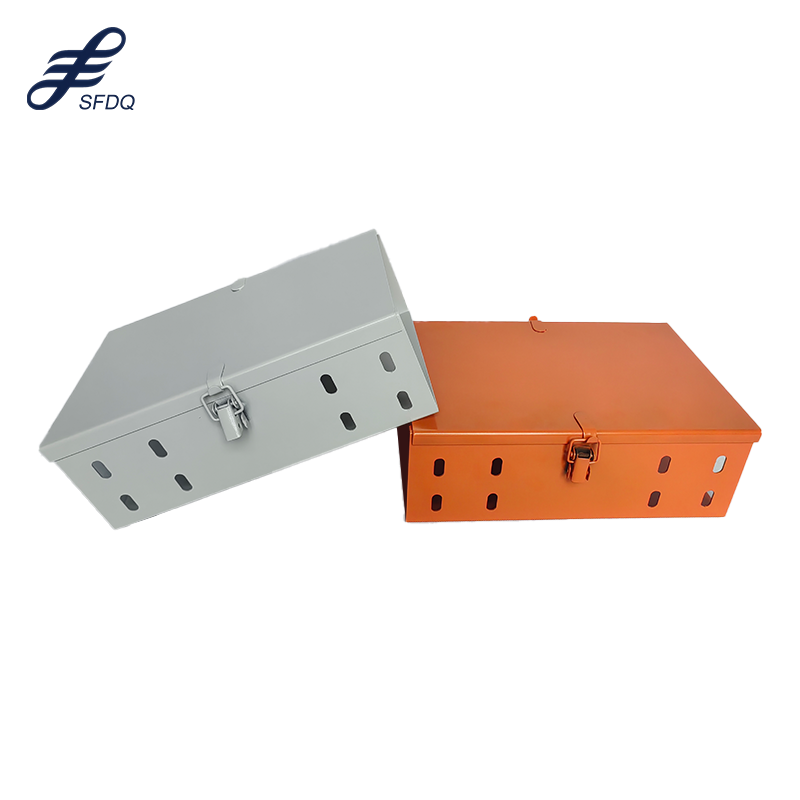
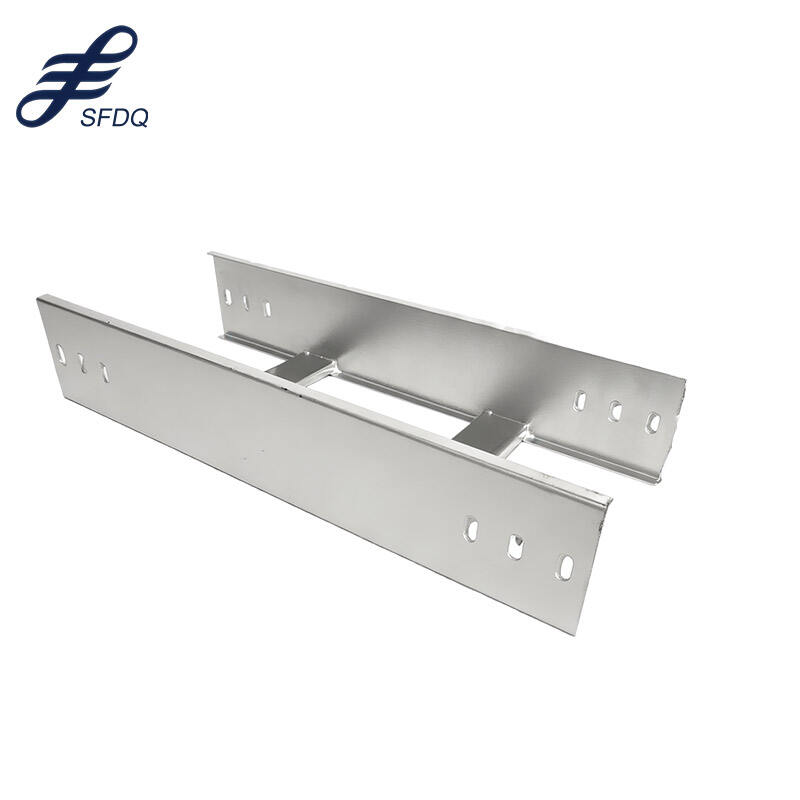
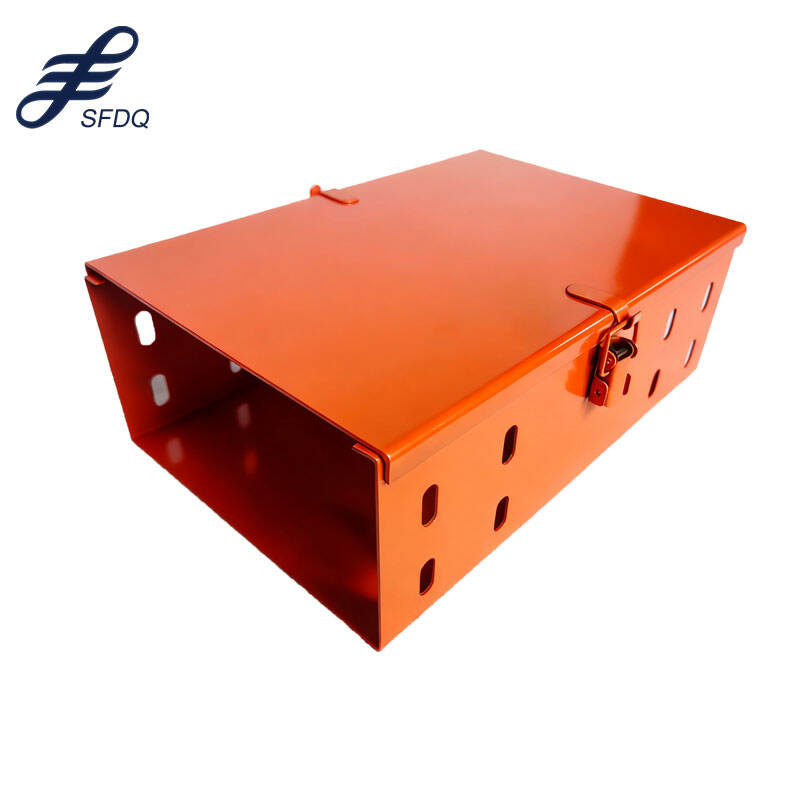
The trunking cable cover represents a sophisticated solution for organizing and protecting electrical cables in both residential and commercial environments. This essential infrastructure component serves as a protective housing system that shields cables from physical damage, environmental hazards, and unauthorized access while maintaining clean aesthetic standards. Modern trunking cable cover systems incorporate advanced materials and engineering principles to deliver superior performance across diverse applications. The primary function of a trunking cable cover involves creating secure pathways for electrical wiring, data cables, and communication lines. These covers effectively compartmentalize different cable types, preventing electromagnetic interference and ensuring optimal signal transmission. The technological features of contemporary trunking cable cover designs include fire-resistant materials, anti-static properties, and modular construction elements that facilitate easy installation and maintenance procedures. Manufacturing processes utilize high-grade polymers, aluminum alloys, and steel composites to achieve exceptional durability and longevity. The trunking cable cover system accommodates various cable dimensions and configurations through adjustable internal dividers and expandable sections. Applications span across office buildings, manufacturing facilities, healthcare institutions, educational establishments, and residential complexes. In industrial settings, the trunking cable cover provides critical protection against harsh environmental conditions including moisture, chemicals, and mechanical stress. Data centers rely heavily on specialized trunking cable cover solutions to manage extensive network infrastructures while maintaining proper ventilation and accessibility. The modular design philosophy enables seamless integration with existing building structures and allows for future expansion requirements. Advanced trunking cable cover products feature snap-fit assembly mechanisms, color-coding systems for easy identification, and compatibility with standard mounting hardware. The surface finishes range from powder-coated metals to textured plastics, offering both functional performance and visual appeal. Environmental considerations drive the development of recyclable trunking cable cover materials that minimize ecological impact while delivering robust protection capabilities.
 EN
EN