distribution cabinet
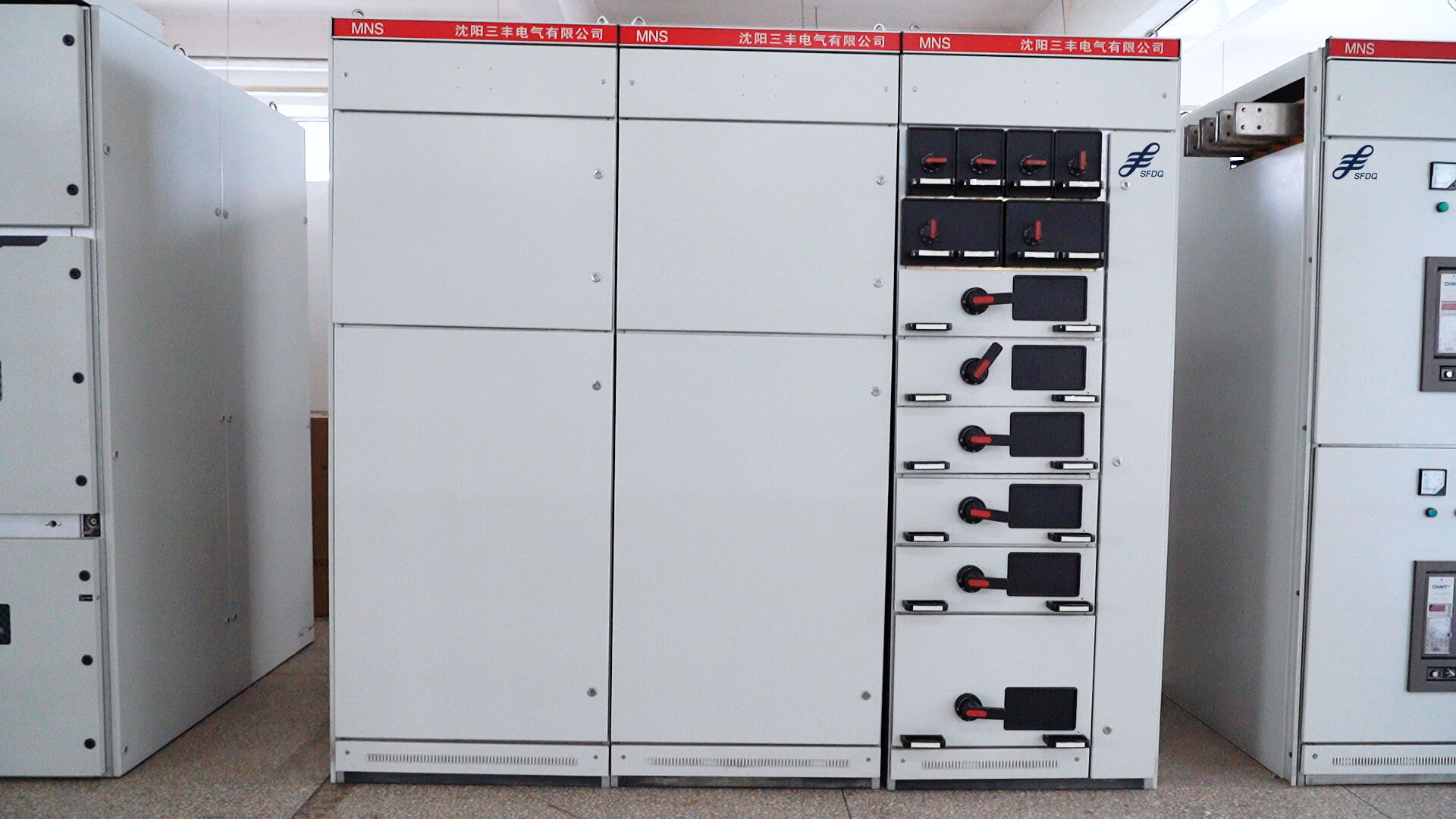
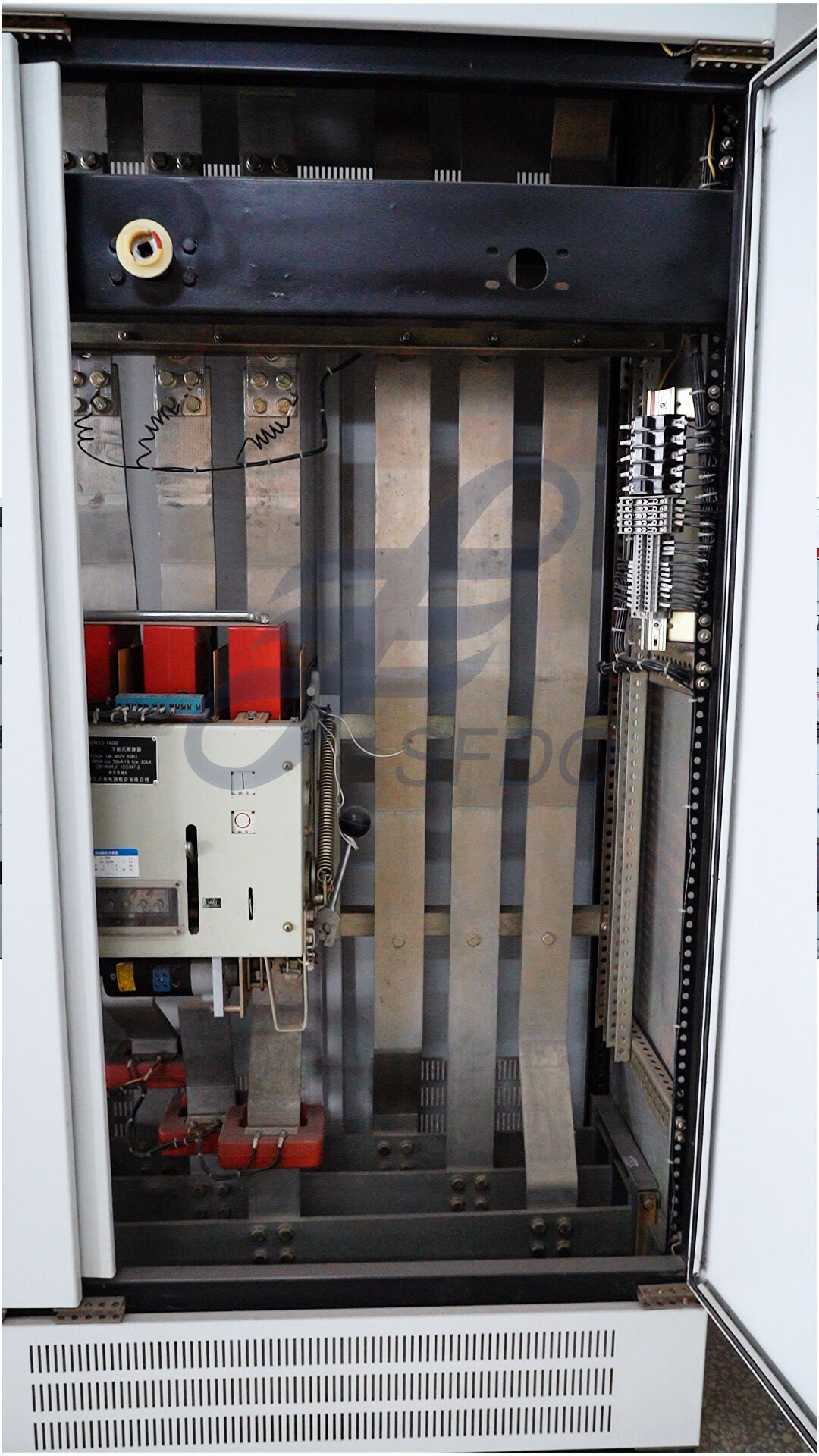
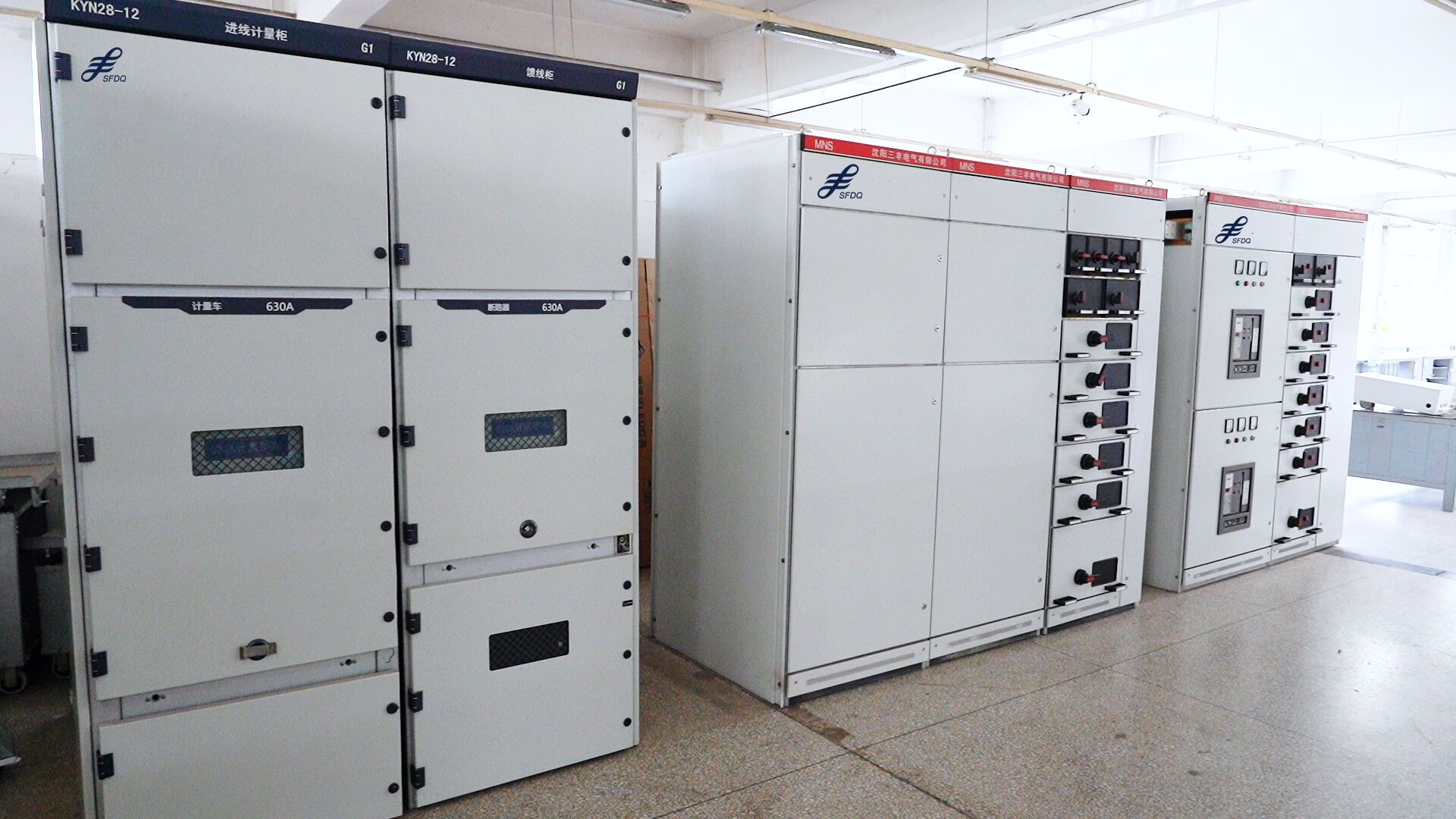
A distribution cabinet serves as the central nervous system for electrical power distribution in commercial, industrial, and residential buildings. This essential electrical equipment functions as a critical control hub that manages the flow of electricity from main power sources to various circuits throughout a facility. The distribution cabinet houses circuit breakers, fuses, switches, and other protective devices that ensure safe and efficient power distribution across multiple electrical loads. Modern distribution cabinets incorporate advanced monitoring systems, smart controls, and digital interfaces that provide real-time data about electrical consumption and system performance. The cabinet typically features a robust metal enclosure designed to protect internal components from environmental factors while providing easy access for maintenance and upgrades. Key technological features include modular design elements that allow for flexible configuration based on specific power requirements, integrated surge protection systems that safeguard connected equipment from voltage spikes, and comprehensive monitoring capabilities that track electrical parameters such as voltage, current, and power factor. The distribution cabinet also incorporates safety mechanisms including ground fault protection, arc fault detection, and emergency shutdown capabilities. Applications span across diverse sectors including manufacturing facilities, office buildings, data centers, hospitals, educational institutions, and residential complexes. In industrial settings, distribution cabinets manage high-voltage power distribution for heavy machinery and production equipment. Commercial buildings rely on these systems for lighting, HVAC systems, and office equipment power supply. Data centers utilize specialized distribution cabinets to ensure uninterrupted power supply to critical server infrastructure. The cabinet's design accommodates various voltage levels and current ratings to meet specific application requirements while maintaining compliance with electrical safety standards and regulations.
 EN
EN