Power Distribution Cabinet Solutions: Advanced Electrical Distribution Systems for Commercial and Industrial Applications

Get a Free Quote

Our representative will contact you soon.
Email
Name
Company Name
WhatsApp
Message
0/1000

power distribution cabinet

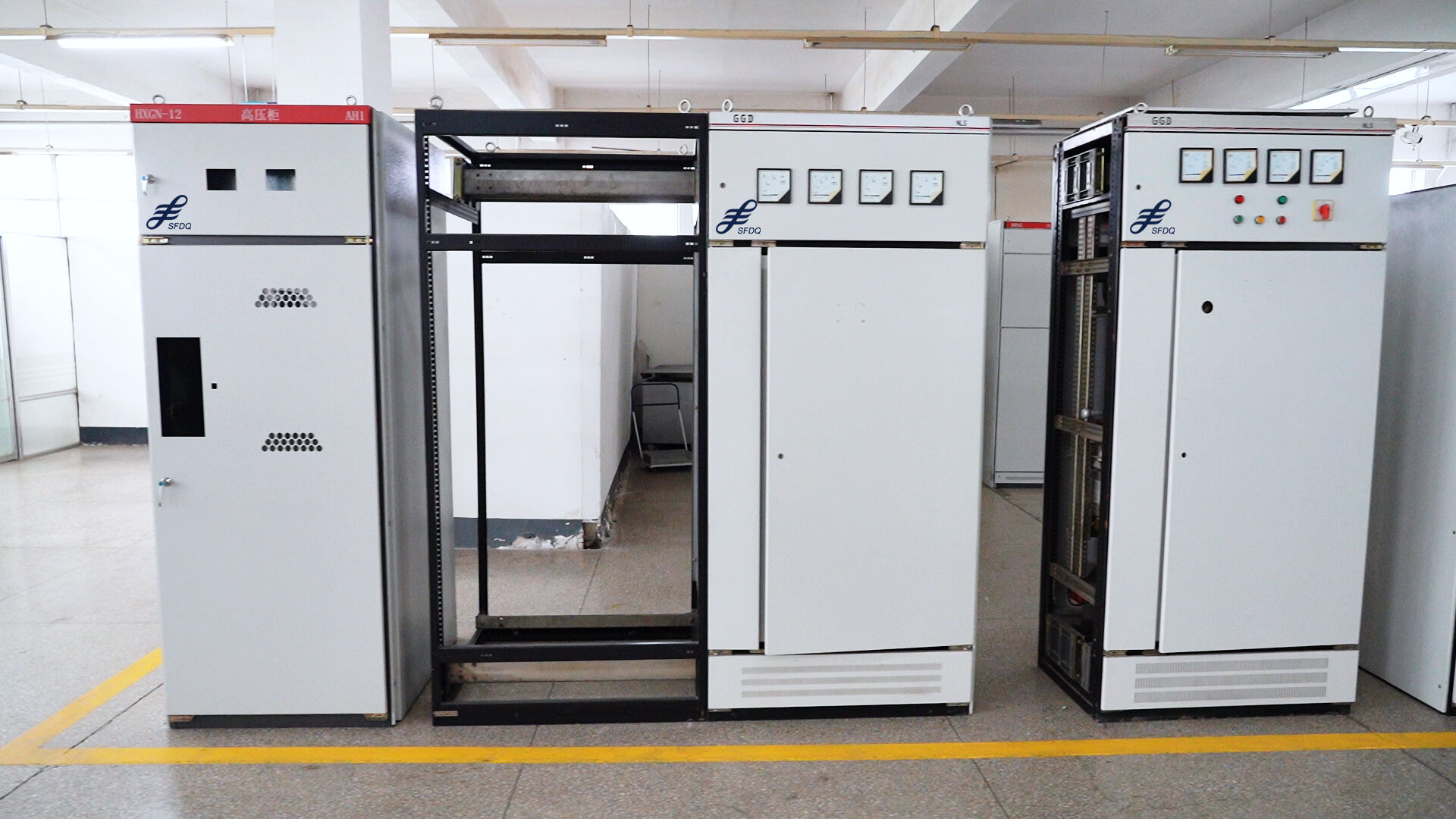
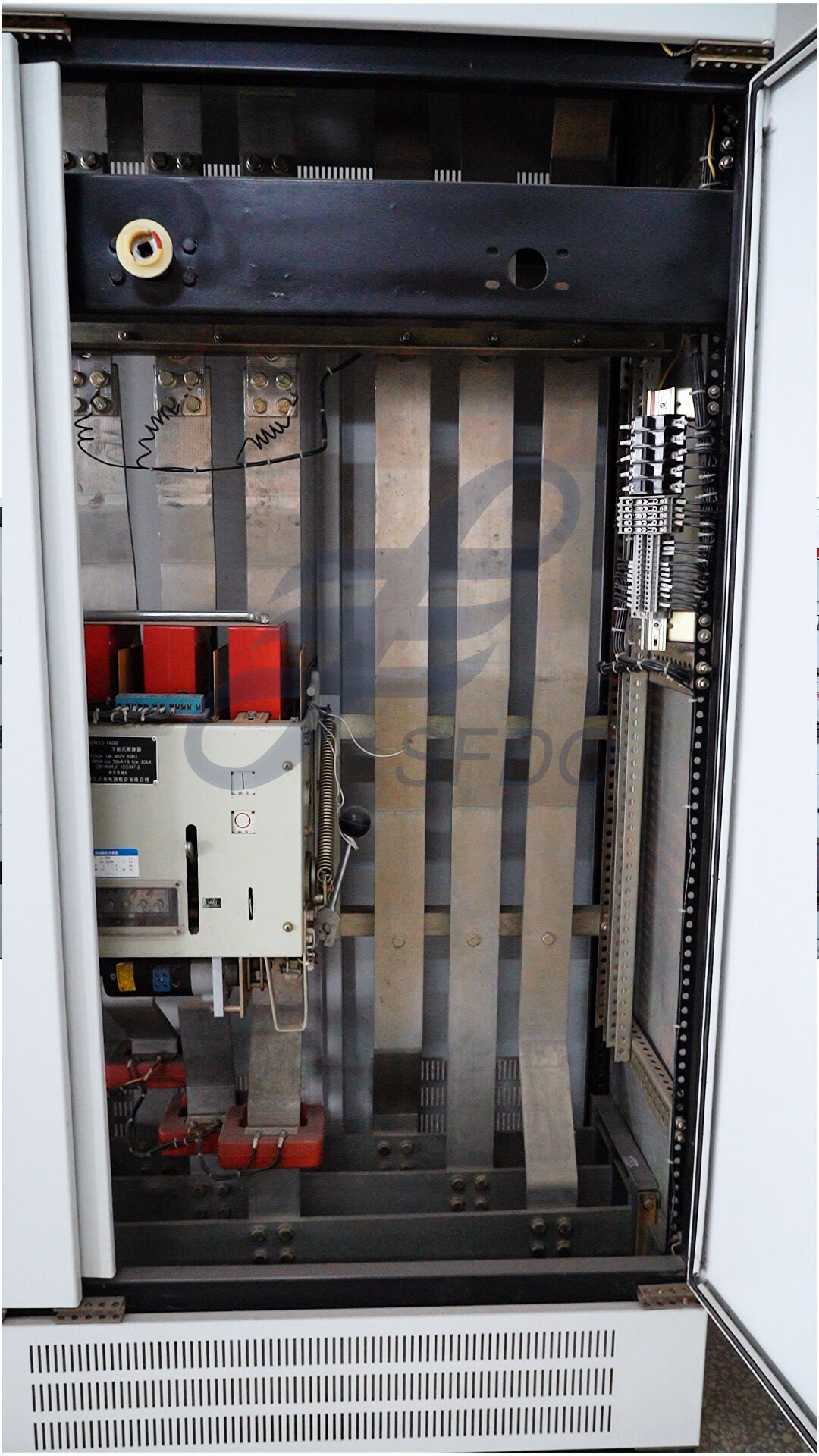
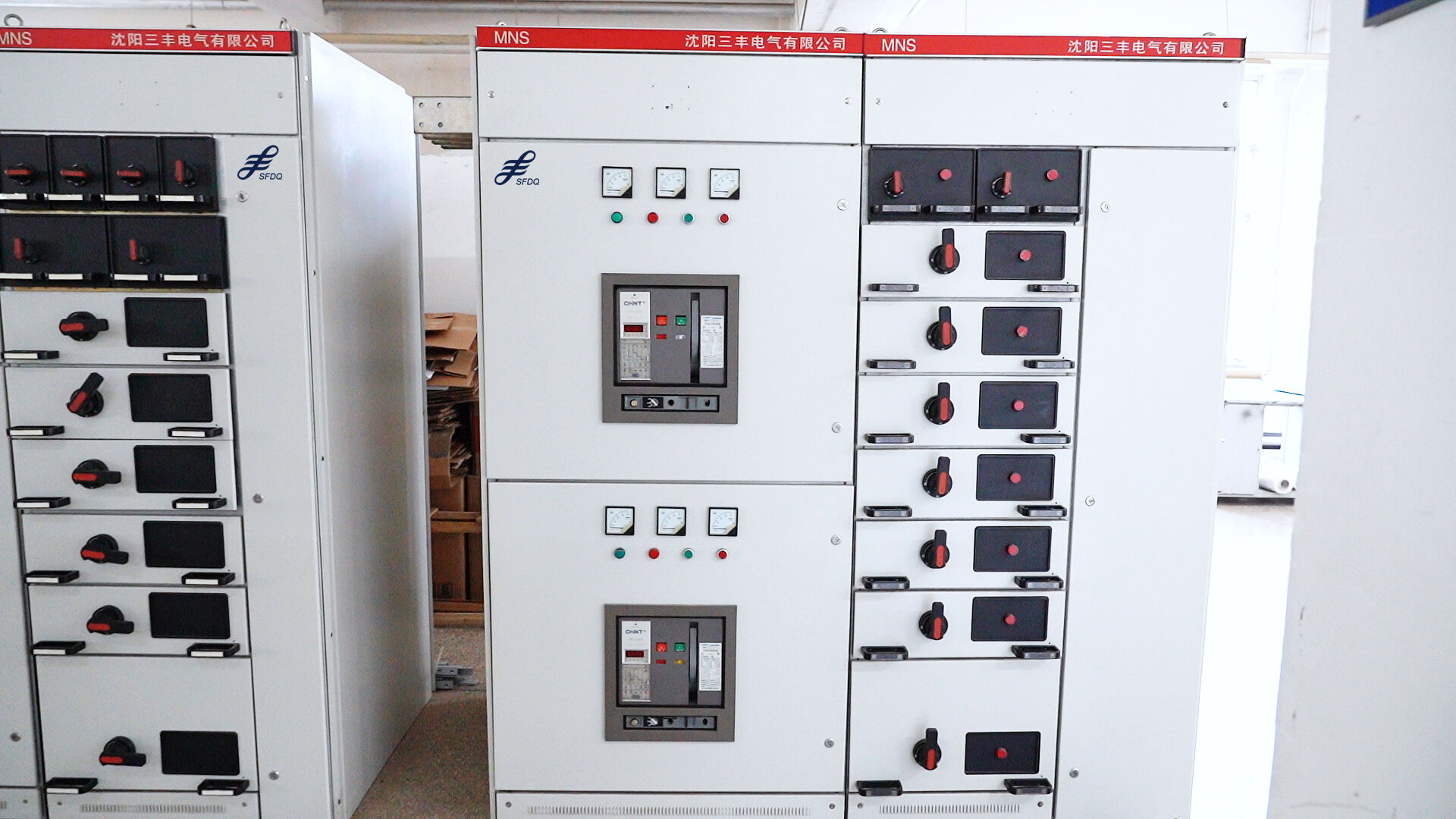
A power distribution cabinet serves as the central nervous system of electrical infrastructure, managing and controlling the flow of electricity throughout residential, commercial, and industrial facilities. This essential equipment functions as a critical intermediary between the main power source and various electrical loads, ensuring safe and efficient distribution of electrical energy to connected systems and devices. The power distribution cabinet houses multiple circuit breakers, switches, meters, and protective devices within a robust enclosure designed to withstand environmental challenges and operational demands. Modern power distribution cabinets incorporate advanced monitoring systems that provide real-time data on electrical parameters such as voltage, current, power consumption, and system performance. These sophisticated units feature modular designs that allow for easy customization and expansion based on specific application requirements. The cabinet's intelligent control systems enable automatic switching operations, load balancing, and fault detection capabilities that enhance overall system reliability. Safety remains paramount in power distribution cabinet design, with multiple layers of protection including ground fault protection, overcurrent protection, and arc fault detection systems. The cabinet's construction typically includes fire-resistant materials, proper ventilation systems, and secure locking mechanisms to prevent unauthorized access. Integration capabilities allow power distribution cabinets to communicate with building management systems, SCADA networks, and remote monitoring platforms, providing operators with comprehensive visibility into electrical system performance. Environmental considerations drive the development of energy-efficient power distribution cabinets that minimize power losses and reduce operational costs. These units support various communication protocols and can interface with renewable energy sources, energy storage systems, and smart grid technologies. The modular architecture of modern power distribution cabinets facilitates maintenance procedures while ensuring minimal system downtime during service operations.

New Product Recommendations

Power distribution cabinets deliver exceptional value through enhanced electrical system safety, providing multiple protective mechanisms that prevent equipment damage and ensure personnel protection during normal operations and emergency situations. These robust systems significantly reduce the risk of electrical accidents by incorporating ground fault circuit interrupters, arc fault protection, and comprehensive overcurrent protection features that automatically disconnect power when dangerous conditions arise. The centralized control approach offered by power distribution cabinets streamlines electrical system management, allowing facility managers to monitor and control multiple circuits from a single location rather than accessing numerous individual panels throughout a building or facility. This consolidation reduces maintenance time, simplifies troubleshooting procedures, and improves overall operational efficiency while minimizing the need for specialized technical personnel to manage electrical systems. Cost savings represent a major advantage of implementing power distribution cabinets, as these systems optimize energy consumption through intelligent load management and power factor correction capabilities that reduce utility bills and improve overall system efficiency. The modular design philosophy enables organizations to scale their electrical infrastructure incrementally, adding capacity as needed without requiring complete system replacements or extensive rewiring projects. Advanced monitoring capabilities within power distribution cabinets provide valuable insights into energy usage patterns, helping facility managers identify opportunities for additional cost savings and efficiency improvements. The reliability benefits of power distribution cabinets extend beyond basic power delivery, as these systems include redundancy features and automatic backup switching capabilities that ensure continuous operation even when primary power sources experience interruptions. Remote monitoring and control capabilities eliminate the need for constant on-site supervision, enabling facility managers to oversee electrical systems from anywhere while receiving instant notifications about system status changes or potential issues. The standardized design and installation procedures associated with power distribution cabinets reduce project implementation time and minimize disruption to existing operations during installation or upgrade projects. Environmental benefits emerge from the energy efficiency improvements and reduced waste associated with optimized electrical distribution systems that minimize power losses and extend equipment lifespan through proper protection and management protocols.

Practical Tips

The Innovation Process at a Cable Tray Manufacturer

15

Apr

The Innovation Process at a Cable Tray Manufacturer

The innovation process at a cable tray manufacturer represents a complex ecosystem of research, development, and continuous improvement that drives the evolution of electrical infrastructure solutions. Modern cable tray manufacturer operations must b...
View More
Why Use Stainless Steel Cable Trays?

17

Apr

Why Use Stainless Steel Cable Trays?

Stainless steel cable trays have become the preferred choice for electrical infrastructure in demanding industrial environments where durability, corrosion resistance, and long-term reliability are paramount. The decision to implement a stainless ste...
View More
Grades of Stainless Steel for Cable Trays (304 vs 316)

24

Apr

Grades of Stainless Steel for Cable Trays (304 vs 316)

The selection of stainless steel grades for industrial cable management systems represents a critical decision that directly impacts performance, longevity, and operational costs. When specifying a stainless steel cable tray for your project, underst...
View More
Selecting Tray Cable for Industrial Power

06

May

Selecting Tray Cable for Industrial Power

Selecting the right tray cable for industrial power applications requires understanding specific performance requirements, environmental conditions, and installation constraints. Industrial facilities depend on reliable power distribution systems whe...
View More

Get a Free Quote

Our representative will contact you soon.
Email
Name
Company Name
WhatsApp
Message
0/1000

power distribution cabinet

Advanced Smart Grid Integration and Communication Capabilities

Advanced Smart Grid Integration and Communication Capabilities

Power distribution cabinets equipped with cutting-edge communication technologies represent the forefront of electrical infrastructure evolution, enabling seamless integration with smart grid systems and Internet of Things platforms that transform traditional electrical distribution into intelligent, responsive networks. These sophisticated cabinets incorporate multiple communication protocols including Modbus, DNP3, IEC 61850, and Ethernet-based systems that facilitate real-time data exchange with utility companies, building management systems, and remote monitoring centers. The integration capabilities extend beyond simple data transmission, encompassing advanced analytics that process electrical parameters in real-time to optimize system performance and predict maintenance requirements before equipment failures occur. Smart grid connectivity allows power distribution cabinets to participate in demand response programs, automatically adjusting electrical loads during peak consumption periods to reduce utility costs and support grid stability initiatives. The communication infrastructure within these cabinets supports bidirectional power flow management, essential for facilities incorporating renewable energy sources such as solar panels or wind generators that can feed excess power back into the electrical grid. Advanced cybersecurity features protect these communication channels from unauthorized access and cyber threats, implementing encryption protocols and secure authentication mechanisms that safeguard critical infrastructure components. The data analytics capabilities embedded within smart power distribution cabinets provide facility managers with comprehensive insights into energy consumption patterns, power quality metrics, and system efficiency trends that support informed decision-making regarding electrical system optimization and expansion planning. Cloud-based monitoring platforms accessible through these communication systems enable remote troubleshooting and system optimization, reducing the need for on-site technical visits and minimizing system downtime when issues arise. The interoperability features ensure compatibility with existing building automation systems and future technology upgrades, protecting investment value while providing flexibility for evolving operational requirements and regulatory compliance standards.
Comprehensive Safety and Protection Systems

Comprehensive Safety and Protection Systems

The multi-layered safety architecture integrated within modern power distribution cabinets establishes an unparalleled level of protection for both personnel and equipment, incorporating redundant safety mechanisms that exceed industry standards and regulatory requirements for electrical system protection. These comprehensive protection systems begin with advanced arc fault detection technology that monitors electrical signatures continuously, instantly identifying dangerous arcing conditions that could lead to electrical fires or equipment damage, and automatically interrupting power flow within milliseconds of detection. Ground fault protection circuits provide an additional safety layer by monitoring current imbalances that indicate potentially hazardous ground faults, immediately disconnecting affected circuits to prevent electrical shock hazards and equipment damage. The cabinet's physical design incorporates multiple safety features including reinforced enclosures constructed from fire-resistant materials that contain potential electrical faults and prevent fire propagation to surrounding areas. Emergency shutdown systems provide immediate power disconnection capabilities through clearly marked, easily accessible emergency stops that allow rapid system isolation during emergency situations. The protection coordination within power distribution cabinets ensures that protective devices operate in proper sequence, isolating only the affected circuit sections while maintaining power to unaffected areas, thereby minimizing operational disruption during fault conditions. Advanced monitoring systems continuously track electrical parameters including voltage variations, current imbalances, harmonic distortion, and power factor deviations, providing early warning indicators of potential system problems before they develop into serious safety hazards. Personnel protection features include interlocked access panels that prevent cabinet opening while energized, warning labels and indicators that clearly identify hazardous areas, and proper grounding systems that eliminate dangerous voltage potentials on cabinet surfaces. The integration of modern protective relays provides sophisticated fault analysis capabilities that not only protect system components but also generate detailed fault reports that assist maintenance personnel in identifying and correcting underlying system problems that could compromise safety or reliability.
Energy Efficiency and Environmental Sustainability Features

Energy Efficiency and Environmental Sustainability Features

Contemporary power distribution cabinets incorporate sophisticated energy management technologies that deliver substantial environmental benefits while reducing operational costs through optimized electrical system performance and reduced energy consumption across all connected loads and systems. These innovative cabinets feature intelligent load management systems that continuously monitor power demand patterns and automatically redistribute electrical loads to minimize peak demand charges and optimize overall system efficiency throughout daily operational cycles. Power factor correction capabilities integrated within the distribution cabinet automatically compensate for reactive power consumption, improving overall system efficiency and reducing utility costs while decreasing the environmental impact associated with electricity generation and transmission. The energy monitoring systems provide detailed consumption analytics that enable facility managers to identify energy waste sources and implement targeted efficiency improvements that reduce carbon footprint and support corporate sustainability initiatives. Harmonic filtering technologies eliminate power quality issues that cause equipment inefficiency and premature failure, extending equipment lifespan and reducing electronic waste while improving overall system performance and reliability. The cabinet's design incorporates low-loss components and efficient cooling systems that minimize internal energy consumption while maintaining optimal operating temperatures for all electrical components. Smart scheduling capabilities allow the power distribution cabinet to automatically manage non-essential electrical loads during peak demand periods, reducing overall facility energy consumption and supporting grid stability during high-demand situations. Integration with renewable energy sources enables the power distribution cabinet to optimize the utilization of clean energy while seamlessly managing the transition between renewable sources and traditional grid power based on availability and cost considerations. The environmental monitoring features track carbon footprint metrics and provide detailed reports on energy usage patterns that support corporate sustainability reporting requirements and environmental compliance initiatives. Advanced power management algorithms continuously optimize electrical distribution to minimize transmission losses and improve overall system efficiency, reducing the environmental impact associated with electricity generation while delivering measurable cost savings through reduced utility consumption and demand charges.
Inquiry Inquiry Email Email Tel Tel TopTop

Get a Free Quote

Our representative will contact you soon.
Email
Name
Company Name
WhatsApp
Message
0/1000