electrical distribution cabinet
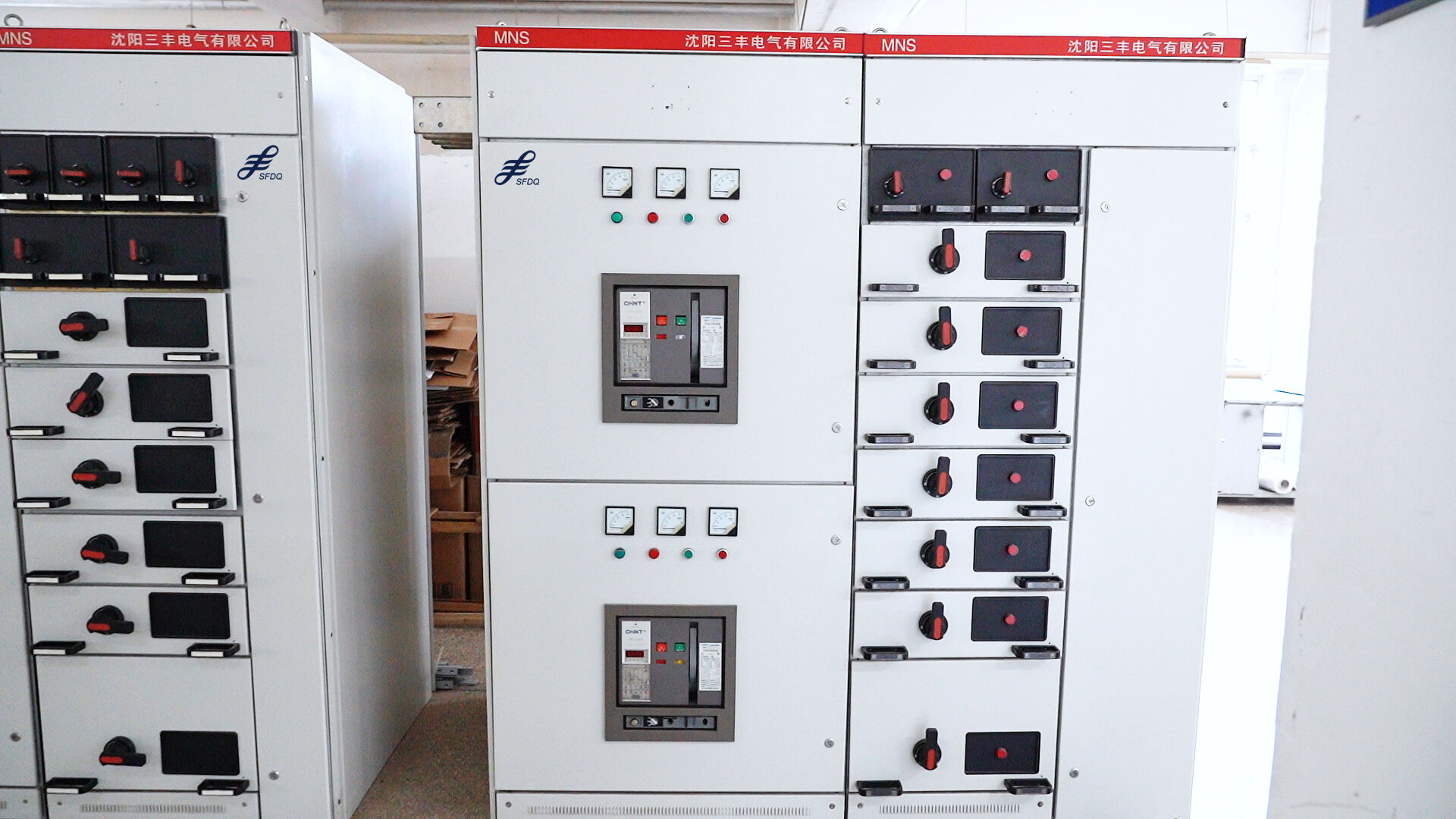
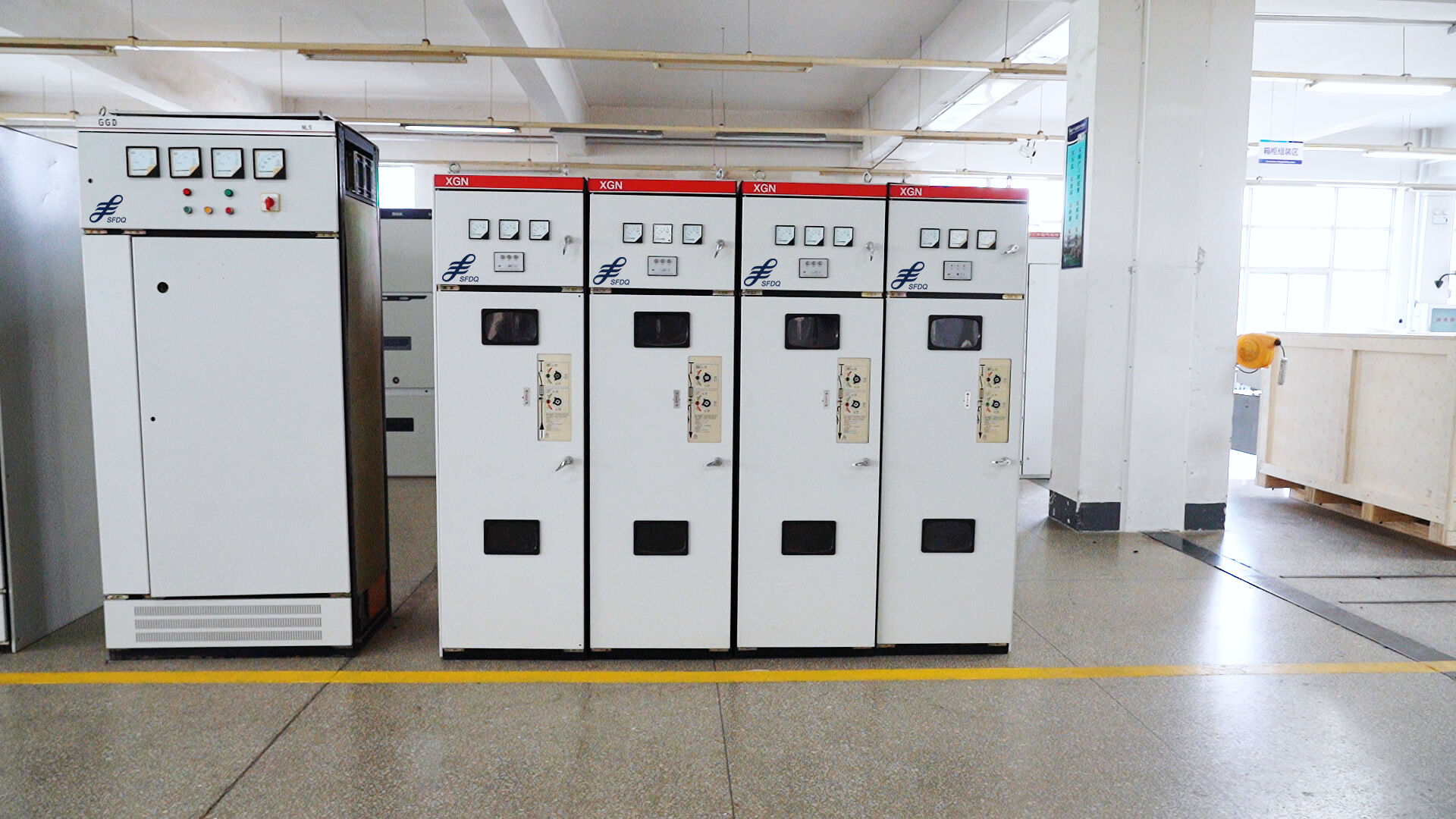
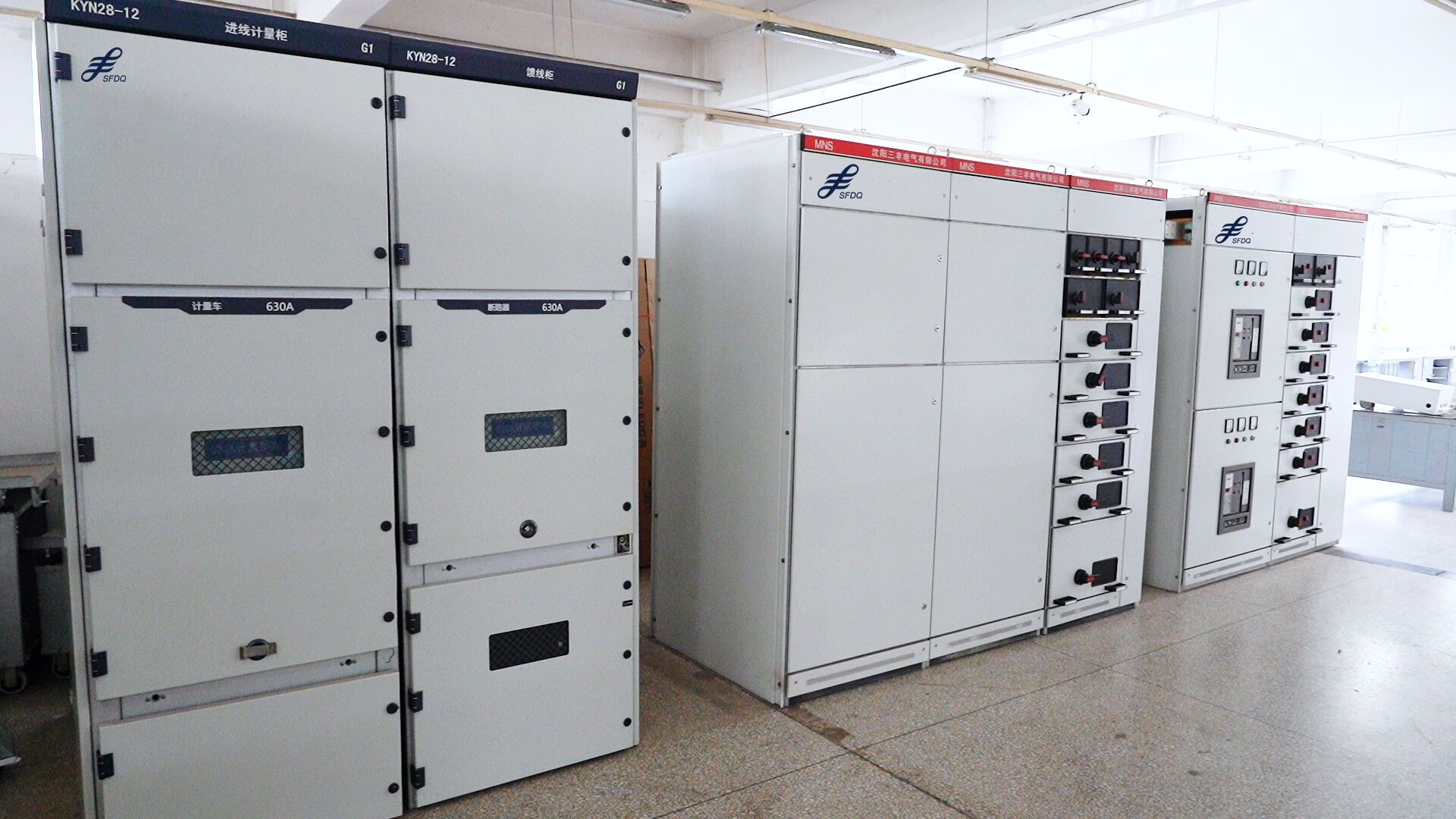
An electrical distribution cabinet serves as the central hub for managing and distributing electrical power throughout residential, commercial, and industrial facilities. This essential piece of electrical infrastructure acts as the primary control point where incoming electrical supply gets divided into multiple circuits to power various equipment, lighting systems, and electrical loads. The electrical distribution cabinet contains circuit breakers, fuses, switches, and other protective devices that ensure safe power distribution while preventing electrical hazards such as overloads, short circuits, and electrical fires. Modern electrical distribution cabinets incorporate advanced monitoring systems that provide real-time data on power consumption, voltage levels, and system performance. These cabinets feature robust construction materials, typically steel or aluminum enclosures, designed to withstand harsh environmental conditions while providing adequate protection for internal components. The modular design of contemporary electrical distribution cabinets allows for easy expansion and modification as electrical requirements change over time. Smart technology integration enables remote monitoring and control capabilities, allowing facility managers to optimize energy usage and identify potential issues before they become costly problems. Safety features include proper grounding systems, arc fault protection, and emergency shutdown capabilities that comply with international electrical standards and regulations. The electrical distribution cabinet also incorporates labeling systems and clear circuit identification to facilitate maintenance and troubleshooting procedures. Energy efficiency features such as power factor correction and load balancing help reduce operational costs while maximizing system reliability. Installation flexibility allows these cabinets to be mounted in various configurations, including wall-mounted, floor-standing, or pole-mounted arrangements depending on specific application requirements and space constraints.
 EN
EN