Superior Environmental Protection and Weather Resistance
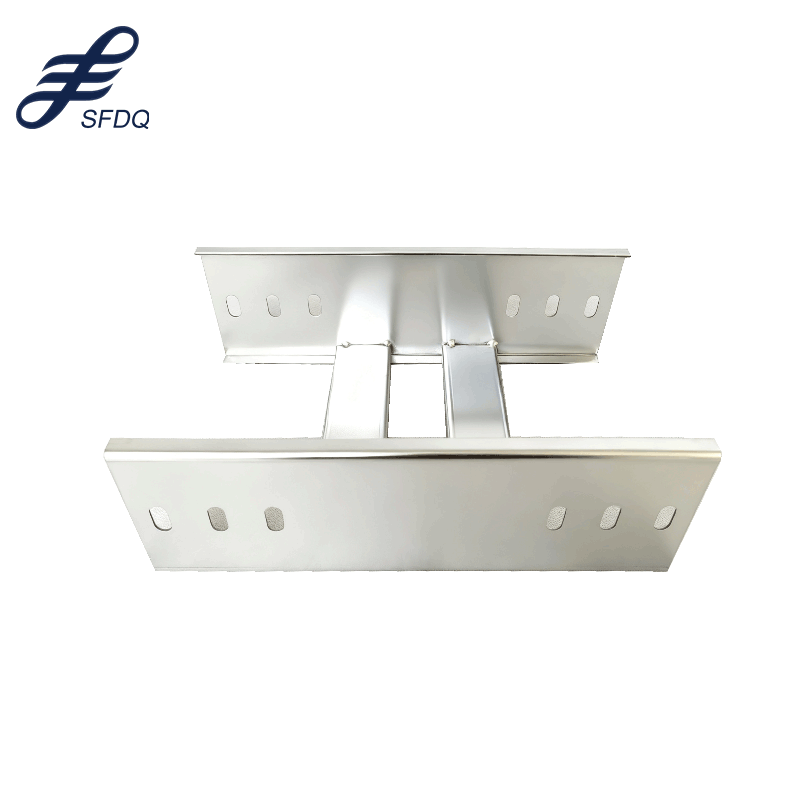
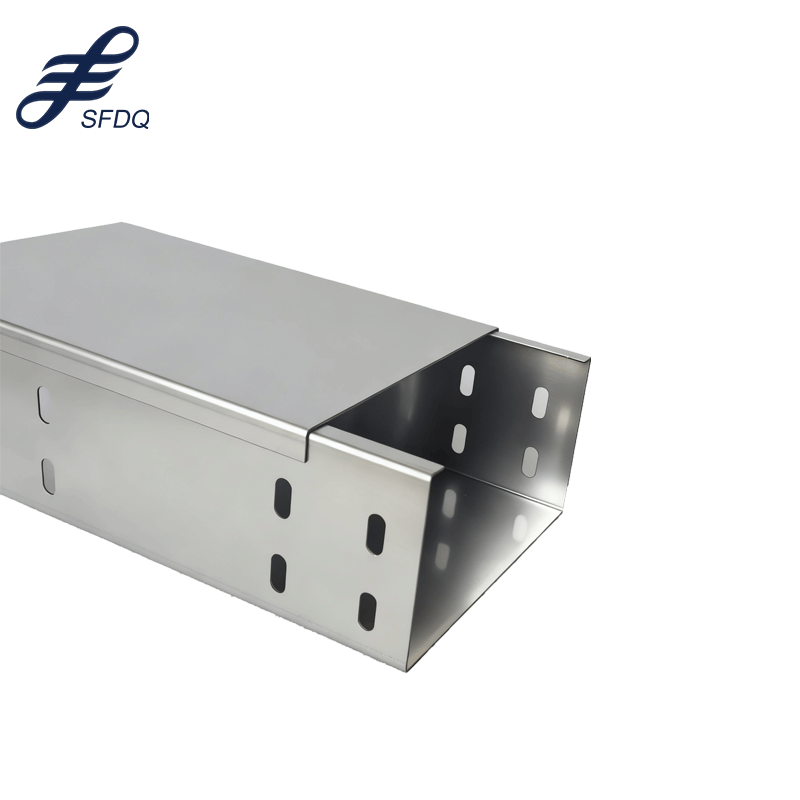
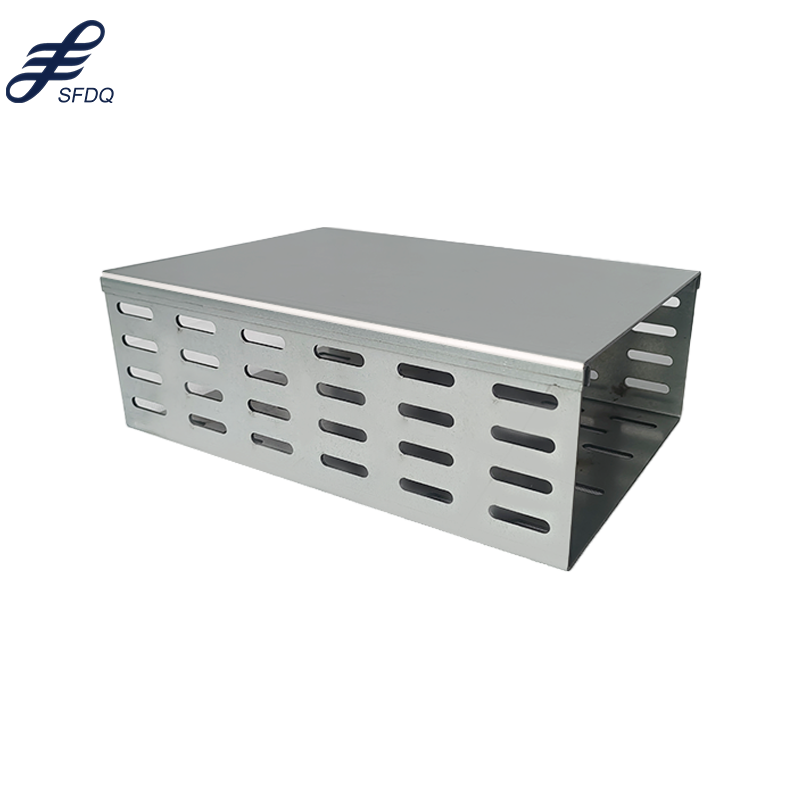
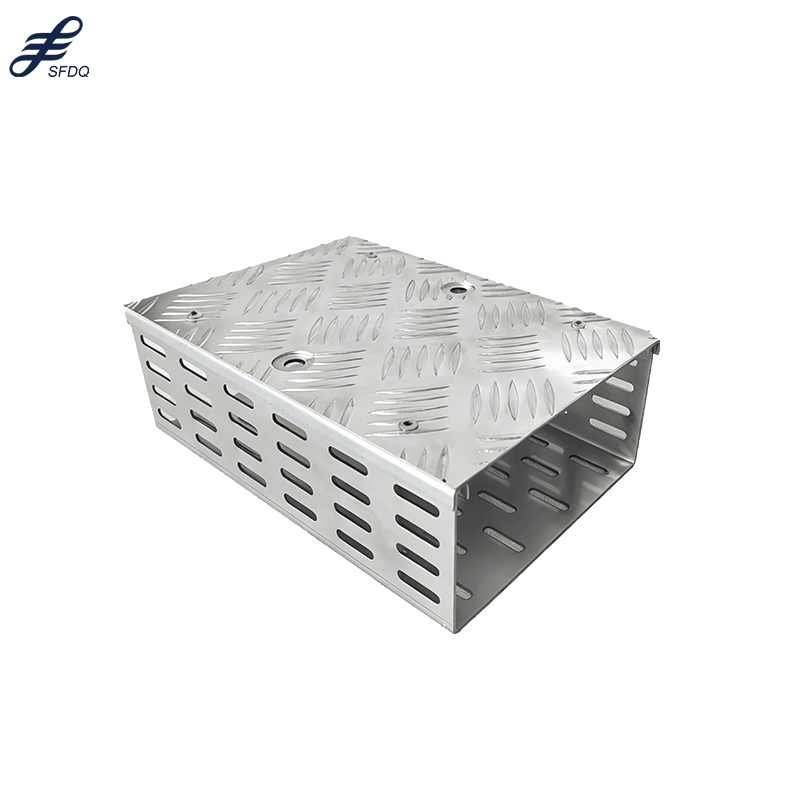
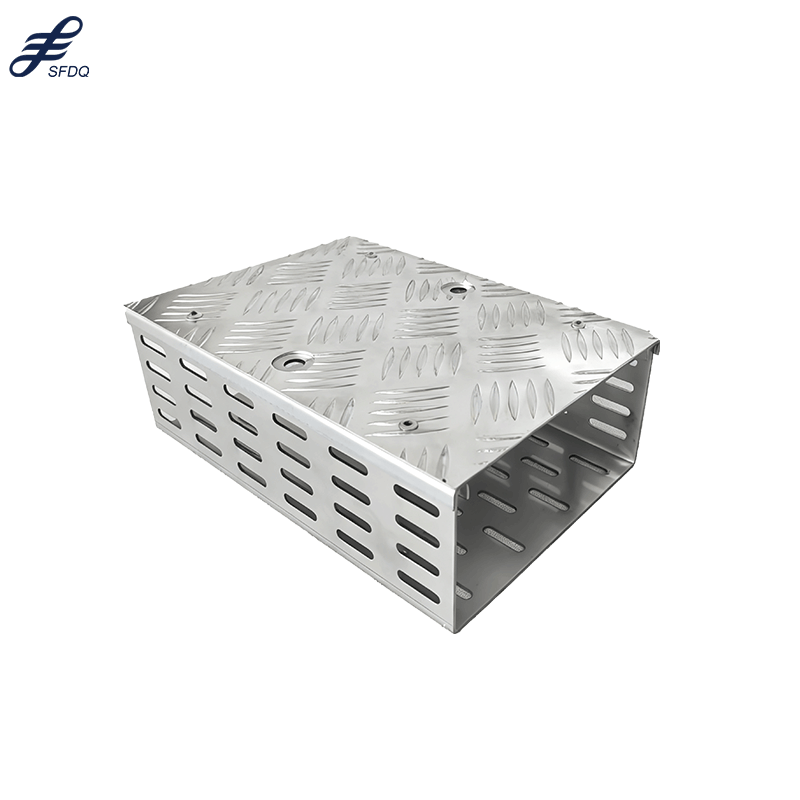
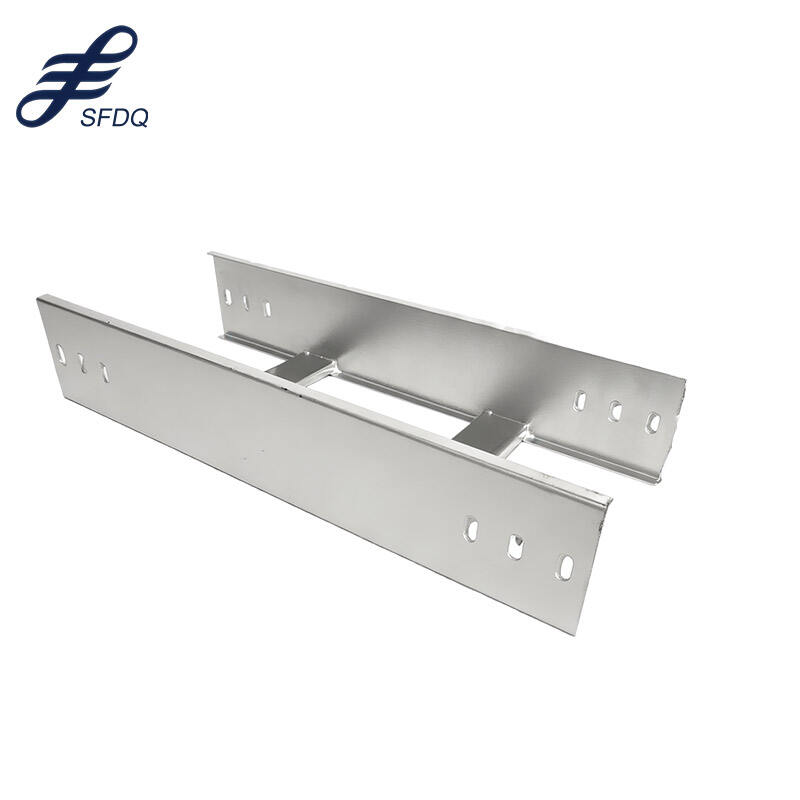
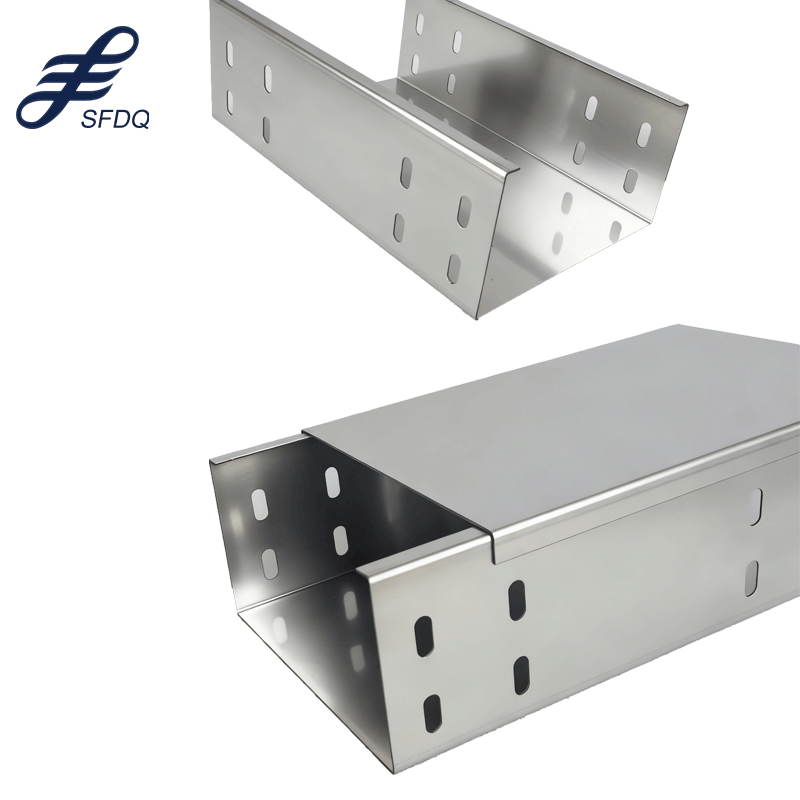
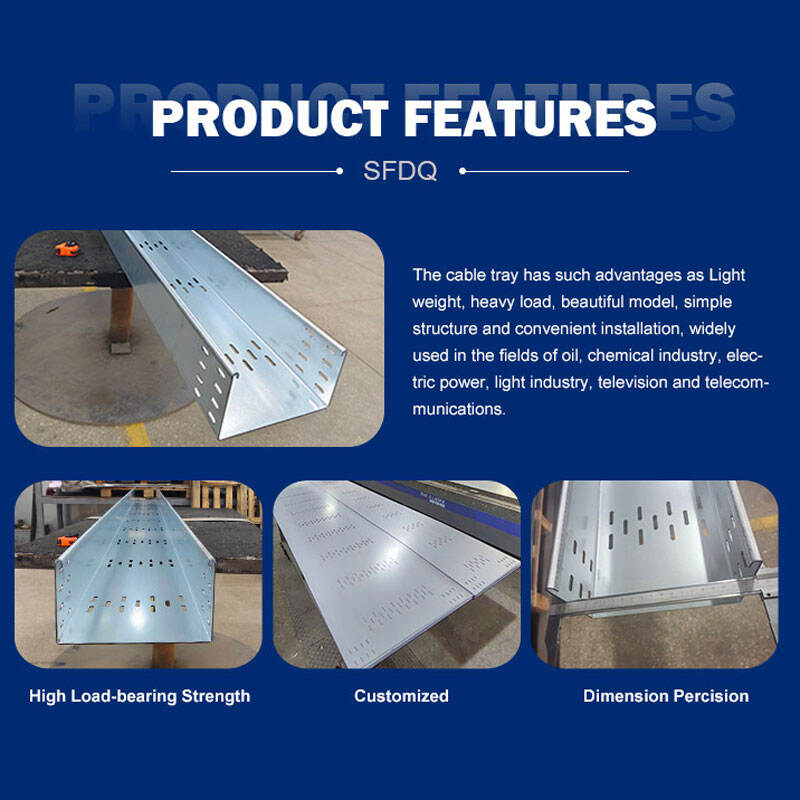
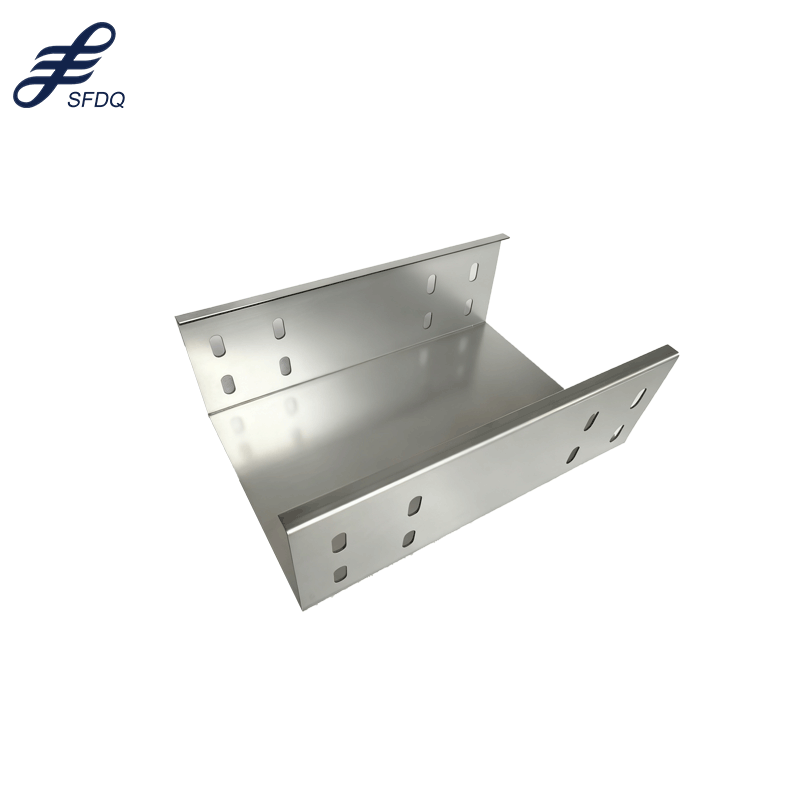
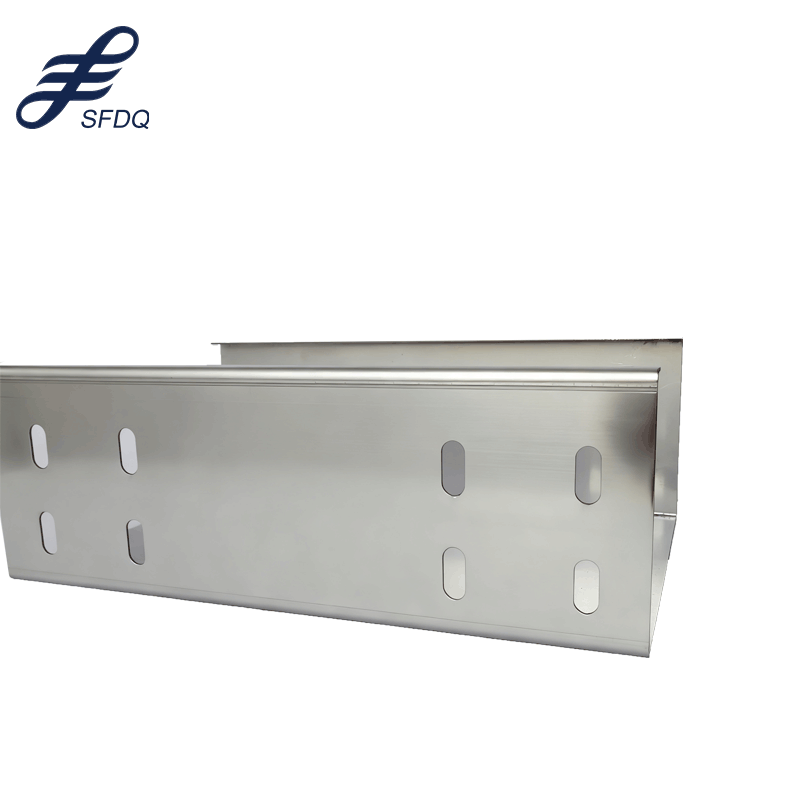
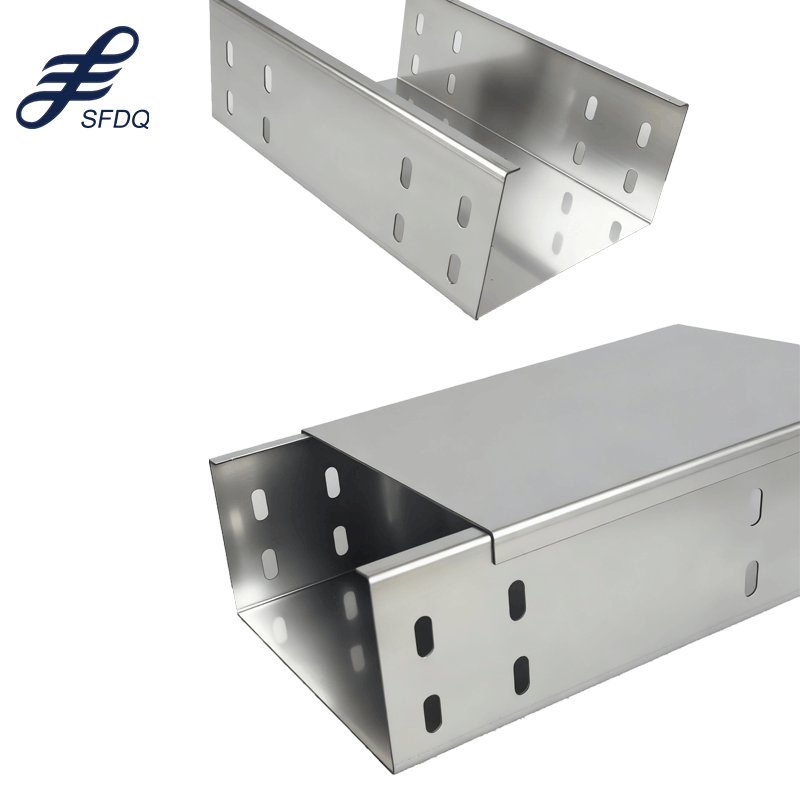
External electrical trunking systems excel in providing unmatched environmental protection that safeguards electrical infrastructure against harsh weather conditions, chemical exposure, and physical damage. The advanced material composition includes corrosion-resistant aluminum alloys, galvanized steel with protective coatings, and engineered thermoplastics that withstand extreme temperature fluctuations ranging from minus forty to plus eighty degrees Celsius. This robust construction prevents degradation from ultraviolet radiation, acid rain, salt spray in coastal environments, and industrial pollutants that typically damage exposed electrical systems. The sophisticated sealing technology incorporates multiple gasket layers and weatherproof joints that achieve IP65 or higher ingress protection ratings, completely blocking moisture, dust, and debris penetration. Advanced drainage systems within the external electrical trunking channels prevent water accumulation while allowing thermal expansion and contraction without compromising seal integrity. The fire-resistant properties meet stringent international standards including IEC and UL certifications, ensuring that the trunking system will not propagate flames or emit toxic gases during fire incidents. Chemical resistance testing validates performance in aggressive industrial environments where exposure to acids, alkalis, oils, and solvents is common. The impact resistance specifications exceed requirements for high-traffic areas where mechanical damage from vehicles, equipment, or accidental contact could occur. Expansion joint design accommodates building movement and thermal cycling without creating stress points that could compromise system integrity. The protective value extends beyond immediate hazard prevention to long-term cost savings through reduced cable replacement, decreased maintenance interventions, and extended system operational life. Quality assurance protocols include accelerated aging tests, salt spray exposure trials, and thermal shock evaluations that validate twenty-five year minimum service life expectations. The environmental protection capabilities of external electrical trunking make it indispensable for critical infrastructure applications including hospitals, data centers, manufacturing facilities, and transportation systems where electrical system reliability directly impacts operational continuity and safety.
 EN
EN