Complete Guide to Cable Trunking Types: Benefits, Applications & Selection Tips

Get a Free Quote

Our representative will contact you soon.
Email
Name
Company Name
WhatsApp
Message
0/1000

cable trunking types

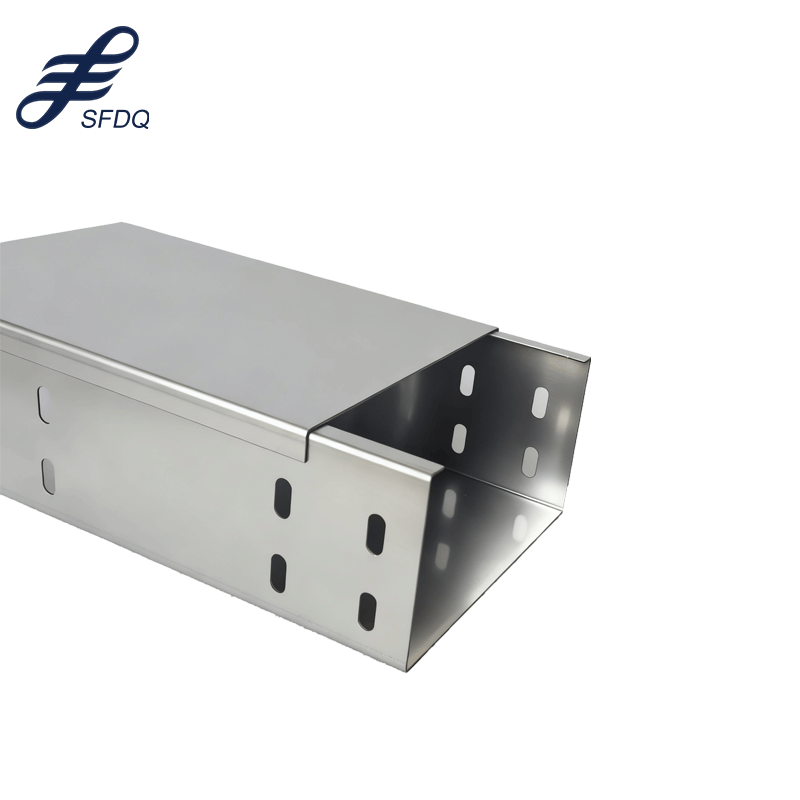
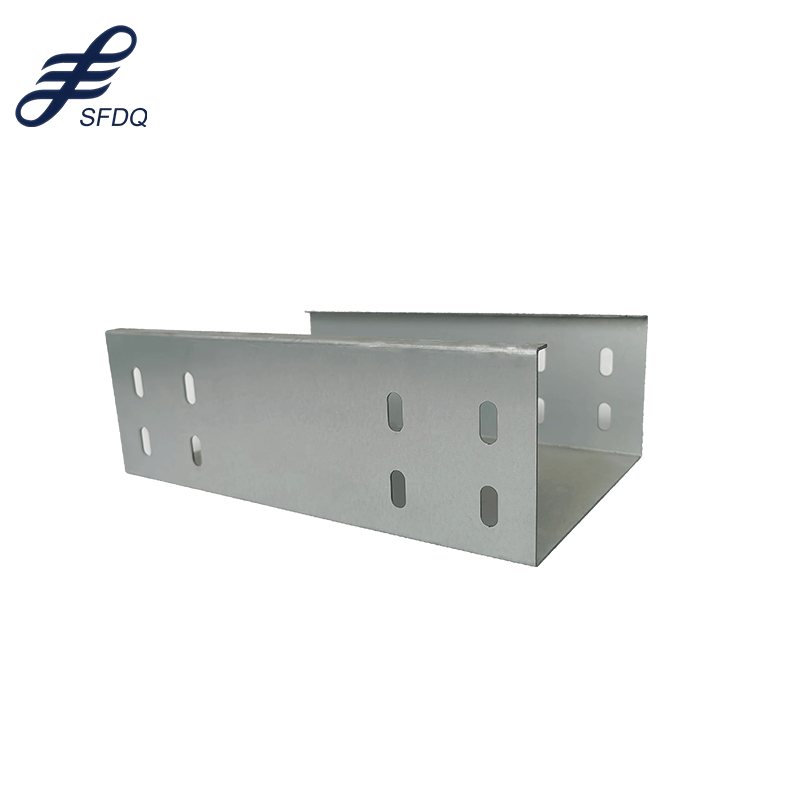
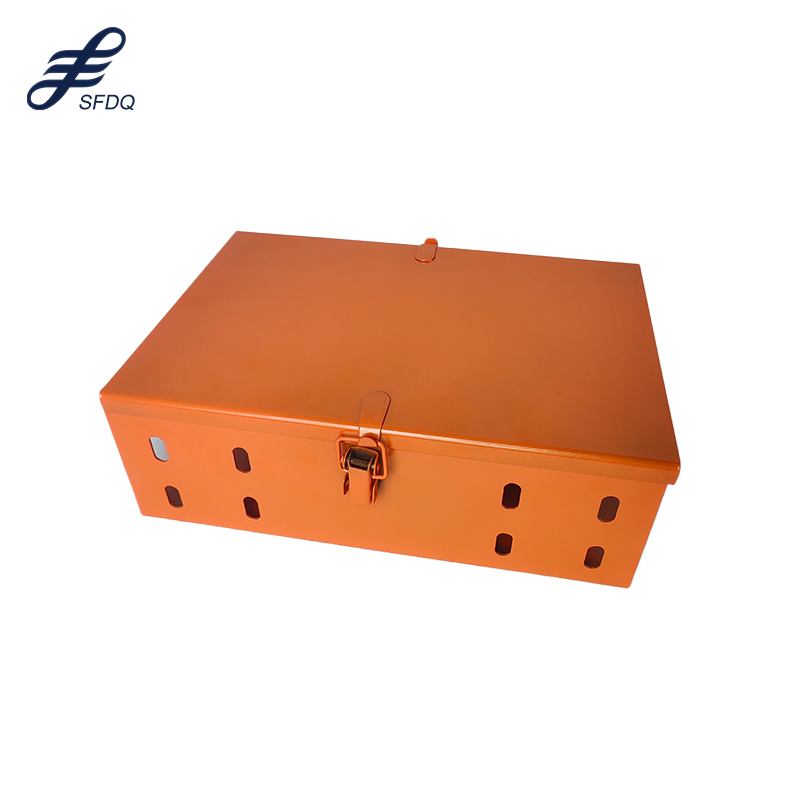
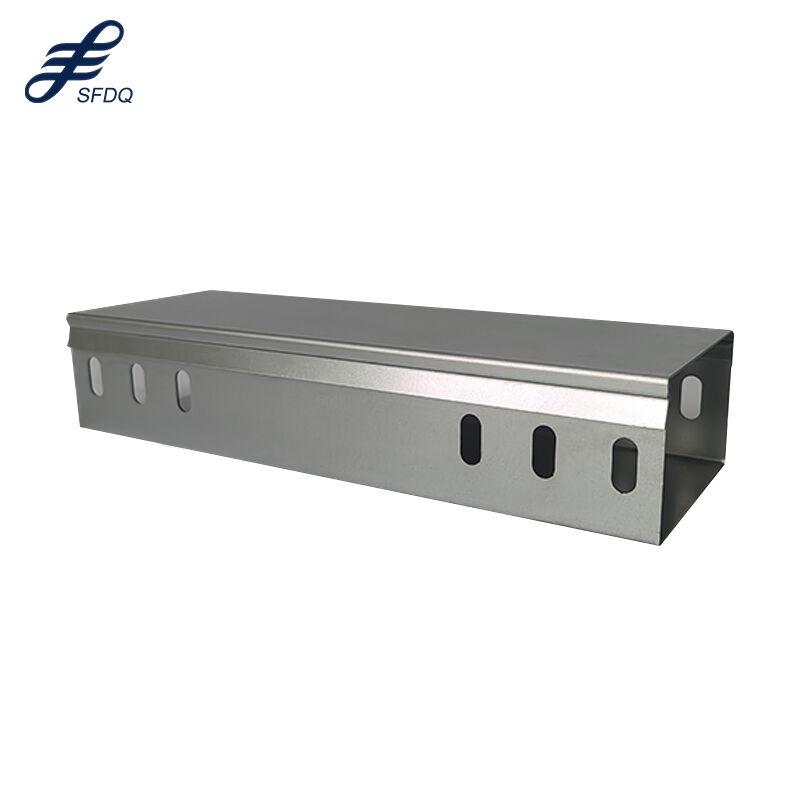
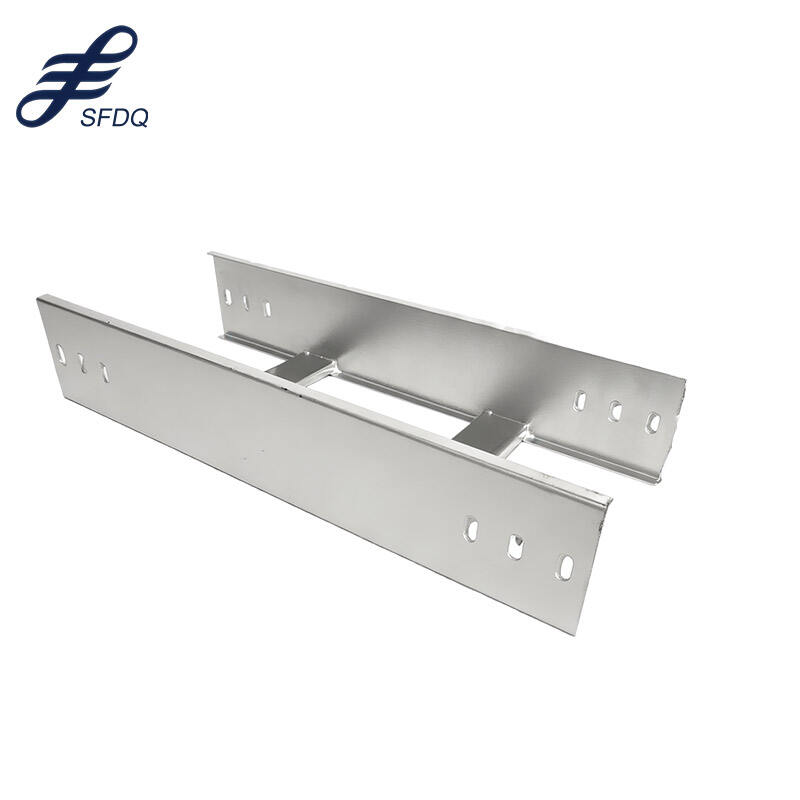
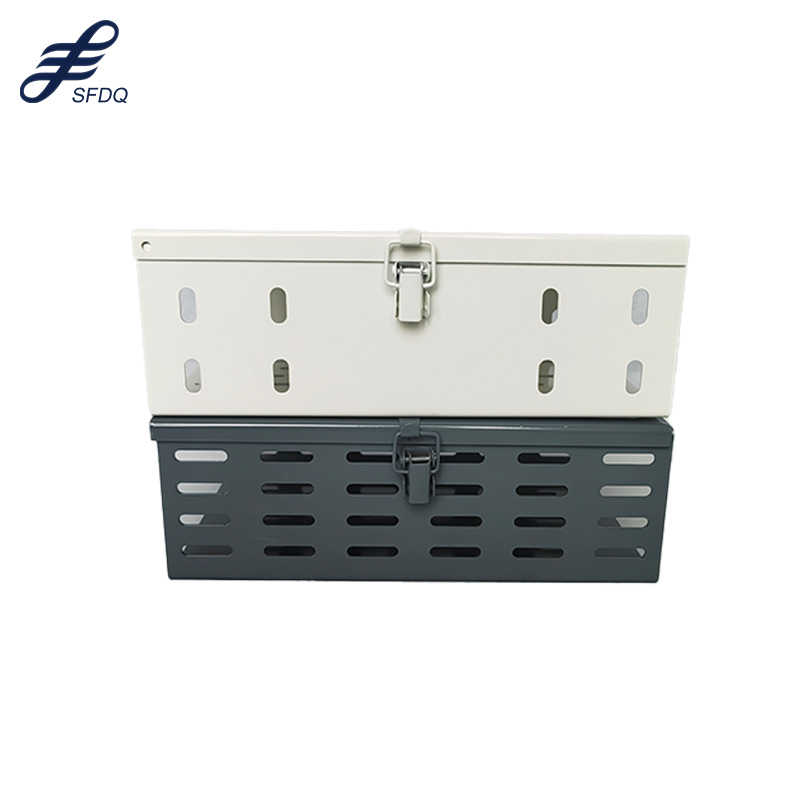
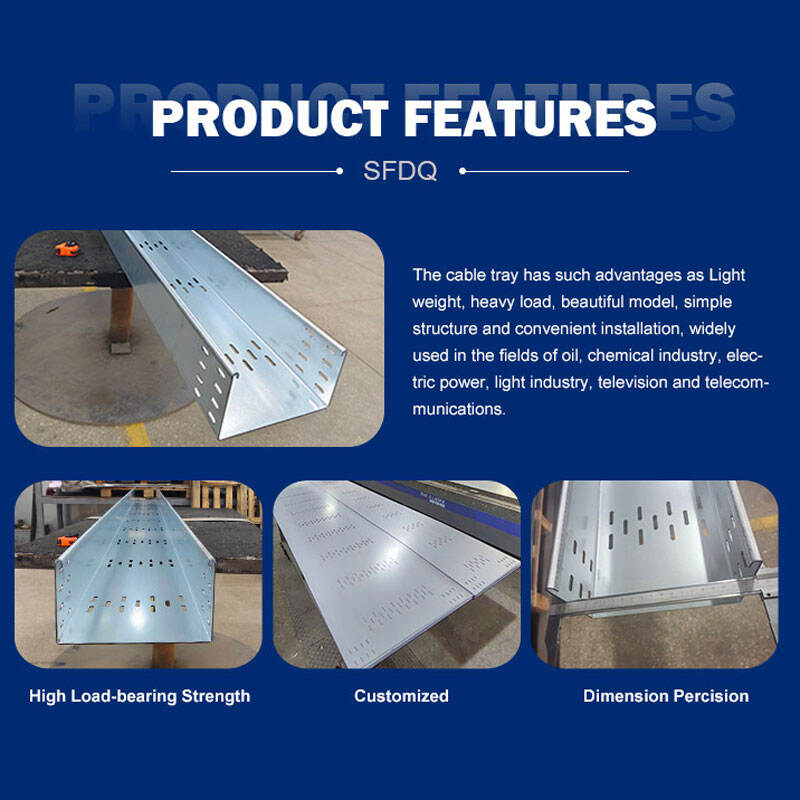
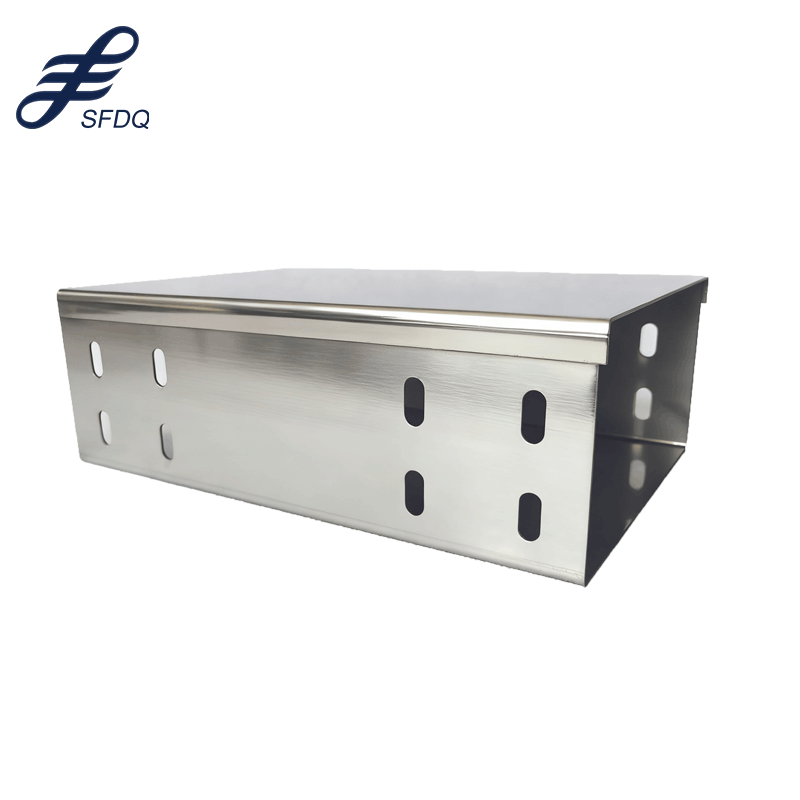
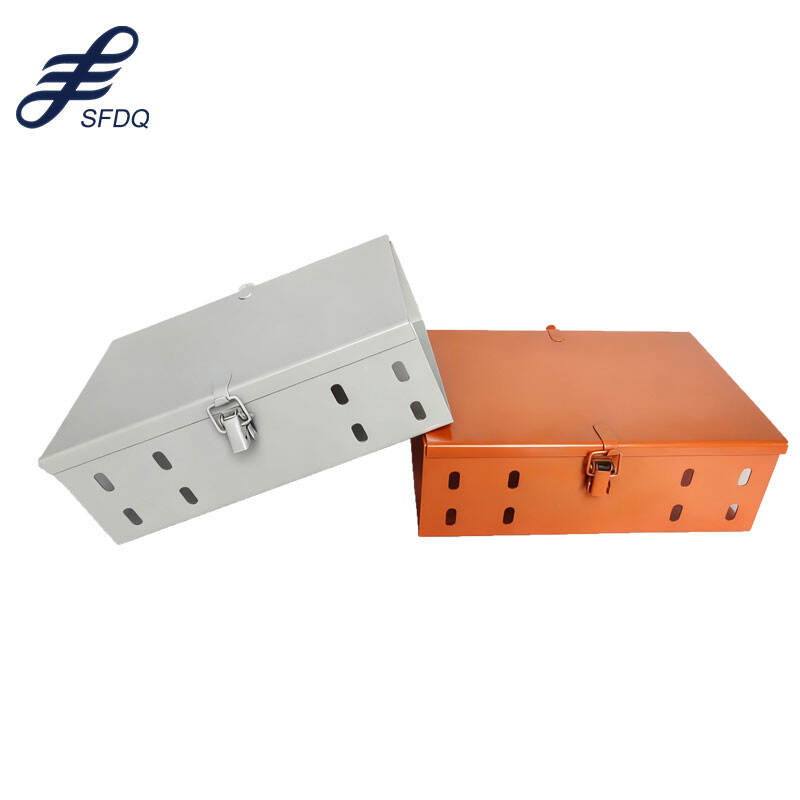
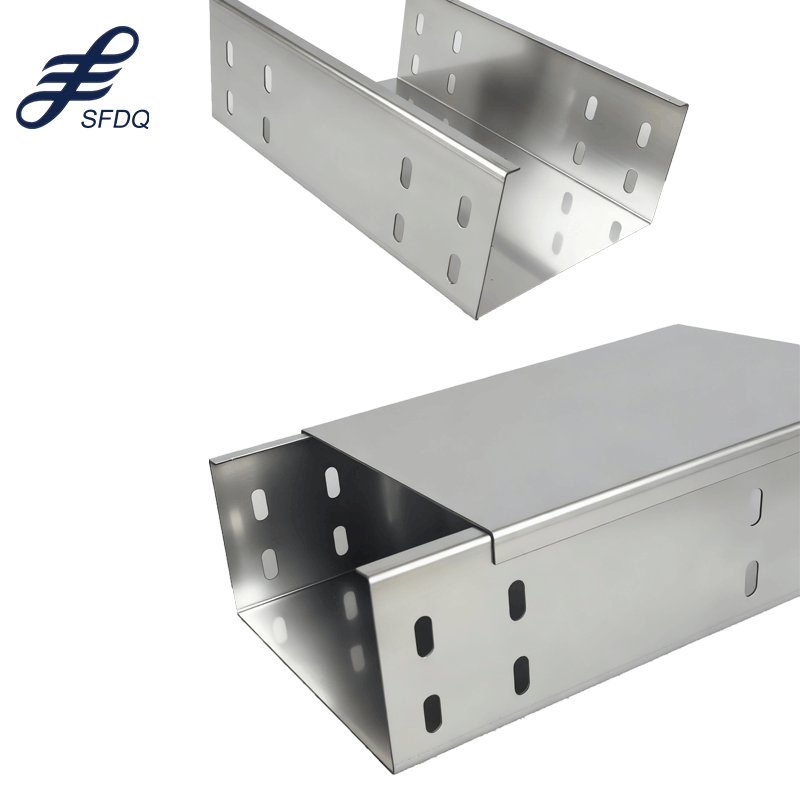
Cable trunking types represent essential infrastructure solutions designed to organize, protect, and manage electrical cables in commercial, industrial, and residential environments. These versatile systems serve multiple critical functions including cable protection from physical damage, environmental hazards, and electromagnetic interference. The primary technological features of cable trunking types encompass modular construction, fire-resistant materials, and compartmentalized designs that facilitate efficient cable routing and future modifications. Modern cable trunking types incorporate advanced materials such as galvanized steel, aluminum alloys, and high-grade plastics that provide superior durability and corrosion resistance. The compartmentalized structure allows for systematic separation of power cables, data cables, and communication lines, preventing cross-interference and maintaining signal integrity. Various cable trunking types include perforated trunking for enhanced ventilation, solid trunking for maximum protection, and flexible trunking for complex routing requirements. Applications span across data centers, manufacturing facilities, office buildings, hospitals, and educational institutions where reliable cable management is paramount. The scalable nature of cable trunking types enables seamless expansion as infrastructure needs evolve, making them ideal for growing businesses and dynamic environments. Installation flexibility represents another key advantage, as these systems accommodate both surface-mounted and suspended configurations. Cable trunking types also incorporate safety features such as rounded edges, secure locking mechanisms, and compliance with international electrical standards. The aesthetic appeal of modern cable trunking types ensures they blend seamlessly with architectural designs while maintaining functional excellence. Regular maintenance becomes simplified through easily accessible panels and removable covers, reducing downtime and operational costs. These comprehensive cable management solutions continue evolving with technological advancements, incorporating smart monitoring capabilities and enhanced environmental resistance.

New Product Releases

Cable trunking types deliver substantial operational benefits that directly impact productivity, safety, and cost-effectiveness in electrical installations. The organized cable management provided by cable trunking types significantly reduces troubleshooting time when maintenance issues arise, allowing technicians to quickly identify and access specific cables without disrupting entire systems. Enhanced safety stands as a primary advantage, as cable trunking types eliminate exposed wiring hazards and reduce fire risks through proper containment and fire-rated materials. The modular design of modern cable trunking types facilitates effortless system modifications and expansions, enabling businesses to adapt their electrical infrastructure without costly rewiring projects. Improved air circulation through ventilated cable trunking types prevents overheating issues that commonly plague bundled cables, extending equipment lifespan and reducing replacement costs. The professional appearance achieved through cable trunking types enhances workplace aesthetics while meeting regulatory compliance requirements across various industries. Installation efficiency increases dramatically when using cable trunking types, as pre-fabricated components and standardized mounting systems reduce labor hours and project timelines. Protection against environmental factors such as moisture, dust, and chemical exposure ensures cable integrity in challenging industrial environments, minimizing costly downtime and repairs. Cable trunking types provide excellent electromagnetic shielding, preventing signal interference that can disrupt sensitive electronic equipment and data transmission systems. The compartmentalized structure of advanced cable trunking types enables efficient cable categorization, simplifying inventory management and future modifications. Cost savings accumulate over time through reduced maintenance requirements, extended cable life, and improved system reliability provided by quality cable trunking types. Flexibility in routing options allows cable trunking types to accommodate complex architectural layouts while maintaining optimal cable organization. The standardized dimensions of cable trunking types ensure compatibility with various accessories and mounting hardware, streamlining procurement and installation processes. These comprehensive advantages make cable trunking types indispensable components in modern electrical infrastructure planning and implementation.

Practical Tips

​Cable Tray: The Backbone of Efficient Cable Management - From SFDQ Factory

20

Nov

​Cable Tray: The Backbone of Efficient Cable Management - From SFDQ Factory

View More
Why Choose SFDQ’s Cable Tray?

20

Nov

Why Choose SFDQ’s Cable Tray?

View More
Unlock the Power of Factory Cable Trays with CE and ISO Certifications

20

Nov

Unlock the Power of Factory Cable Trays with CE and ISO Certifications

View More
SFDQ Participates in Saudi Exhibitions

05

Dec

SFDQ Participates in Saudi Exhibitions

Bringing High-Quality Cable Trays to Deepen Presence in the Middle East Infrastructure Market​
View More

Get a Free Quote

Our representative will contact you soon.
Email
Name
Company Name
WhatsApp
Message
0/1000

cable trunking types

Superior Protection and Safety Features

Superior Protection and Safety Features

Cable trunking types excel in providing comprehensive protection that safeguards both personnel and electrical systems from potential hazards and environmental threats. The robust construction materials used in quality cable trunking types, including galvanized steel and flame-retardant plastics, create an impenetrable barrier against physical damage from impact, vibration, and accidental contact. This protection extends beyond mere physical shielding, as advanced cable trunking types incorporate fire-resistant properties that prevent flame propagation and contain electrical fires within designated compartments. The enclosed design eliminates dangerous exposed wiring situations that pose electrocution risks in workplace environments, making cable trunking types essential for maintaining occupational safety standards. Electromagnetic interference protection represents another critical safety aspect, as properly grounded cable trunking types create effective Faraday cages that prevent signal corruption and equipment malfunction. The secure mounting systems integrated into cable trunking types ensure structural integrity even under seismic stress or building movement, maintaining cable protection during adverse conditions. Ingress protection ratings of modern cable trunking types guarantee resistance against moisture, dust, and chemical exposure, preserving cable insulation and preventing short circuits that could result in equipment damage or fire hazards. The smooth internal surfaces and rounded edges of quality cable trunking types prevent cable jacket damage during installation and maintenance activities, maintaining electrical safety and system reliability. Compartmentalization features allow cable trunking types to segregate different voltage levels and cable types, preventing dangerous cross-connections and maintaining isolation between power and data circuits. Regular inspection capabilities through removable covers enable proactive maintenance and hazard identification, allowing facility managers to address potential issues before they escalate into safety concerns. These comprehensive protection and safety features make cable trunking types invaluable investments for organizations prioritizing personnel safety and system reliability.
Exceptional Flexibility and Scalability

Exceptional Flexibility and Scalability

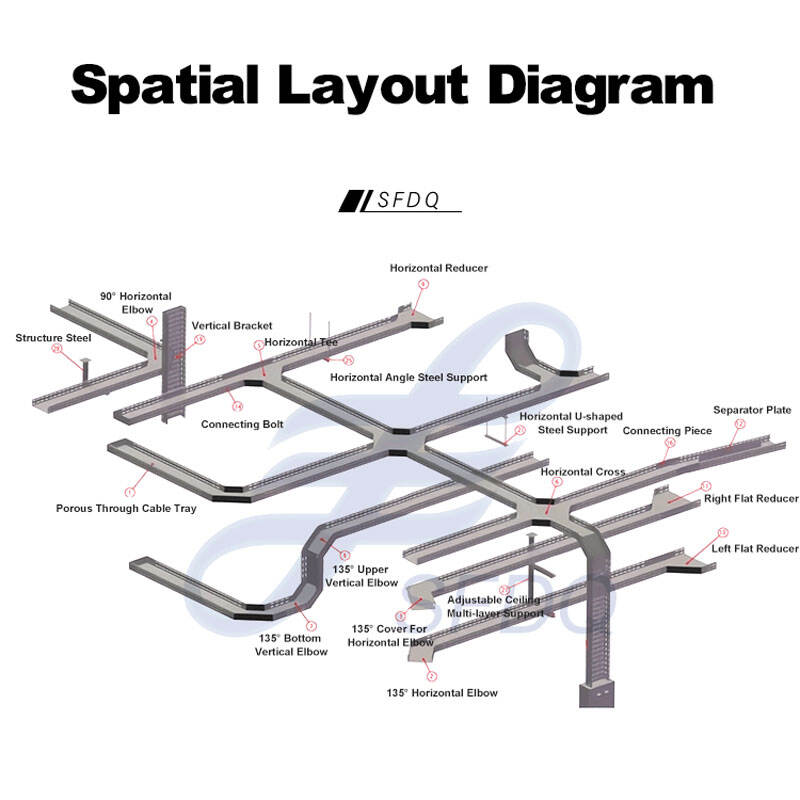
The modular architecture inherent in modern cable trunking types provides unmatched flexibility that accommodates evolving infrastructure requirements and complex installation challenges across diverse environments. This adaptability stems from standardized component systems that allow cable trunking types to be configured in virtually unlimited combinations, including straight runs, corners, tees, and custom angles that perfectly match architectural specifications. The scalable nature of cable trunking types enables seamless capacity expansion without requiring complete system replacement, allowing organizations to add new circuits and cables as their operational needs grow. Removable covers and hinged access panels built into cable trunking types facilitate effortless cable additions, modifications, and maintenance procedures without disrupting existing installations or requiring specialized tools. The compatibility between different manufacturers' cable trunking types ensures procurement flexibility and prevents vendor lock-in situations that could limit future expansion options. Adjustable mounting systems integrated into cable trunking types accommodate various structural requirements, including suspended installations, wall mounting, and floor-standing configurations that adapt to diverse architectural constraints. The modular approach enables cable trunking types to incorporate specialized accessories such as dividers, cable supports, and junction boxes that enhance functionality without compromising system integrity. Future-proofing capabilities represent a significant advantage, as cable trunking types can accommodate emerging cable technologies and increased capacity requirements without necessitating infrastructure overhauls. The standardized dimensions of cable trunking types ensure consistent cable bend radius requirements across the entire installation, maintaining signal integrity and preventing cable stress that could lead to premature failures. Installation flexibility allows cable trunking types to be retrofitted into existing buildings with minimal structural modifications, reducing renovation costs and project complexity. This exceptional flexibility and scalability make cable trunking types ideal solutions for dynamic environments where infrastructure requirements frequently change and long-term adaptability is essential for operational success.
Cost-Effective Long-Term Value

Cost-Effective Long-Term Value

Cable trunking types represent exceptional long-term investments that deliver substantial cost savings through reduced maintenance requirements, extended equipment lifecycles, and improved operational efficiency across facility lifecycles. The initial investment in quality cable trunking types pays dividends through decreased installation labor costs, as pre-fabricated components and standardized mounting systems significantly reduce project timelines compared to traditional cable management methods. The protective environment created by cable trunking types extends cable lifespan by preventing environmental damage, mechanical stress, and electromagnetic interference that commonly cause premature cable failures and costly replacement projects. Maintenance efficiency improves dramatically with cable trunking types, as organized cable layouts and accessible covers enable technicians to complete troubleshooting and repairs in significantly less time, reducing labor costs and minimizing system downtime. The modular nature of cable trunking types eliminates the need for complete system replacement during capacity upgrades, allowing organizations to add new circuits incrementally rather than undertaking costly infrastructure overhauls. Energy efficiency benefits emerge from proper cable organization within cable trunking types, as improved air circulation prevents overheating that increases power consumption and reduces equipment efficiency. The standardized components used in cable trunking types simplify inventory management and reduce procurement costs through bulk purchasing opportunities and interchangeable parts availability. Compliance with electrical codes and standards becomes effortless with properly installed cable trunking types, avoiding costly retrofitting requirements and regulatory penalties that can impact project budgets. The professional appearance maintained by cable trunking types enhances property values and creates positive impressions for clients and stakeholders, contributing to business success and reputation management. Insurance benefits often apply to facilities utilizing proper cable management through cable trunking types, as reduced fire risks and improved safety standards can lower premium costs. These comprehensive cost-effectiveness factors make cable trunking types smart financial choices that continue delivering value throughout their extended service lives, supporting long-term business objectives and operational excellence.
Inquiry Inquiry Email Email Tel Tel TopTop

Get a Free Quote

Our representative will contact you soon.
Email
Name
Company Name
WhatsApp
Message
0/1000