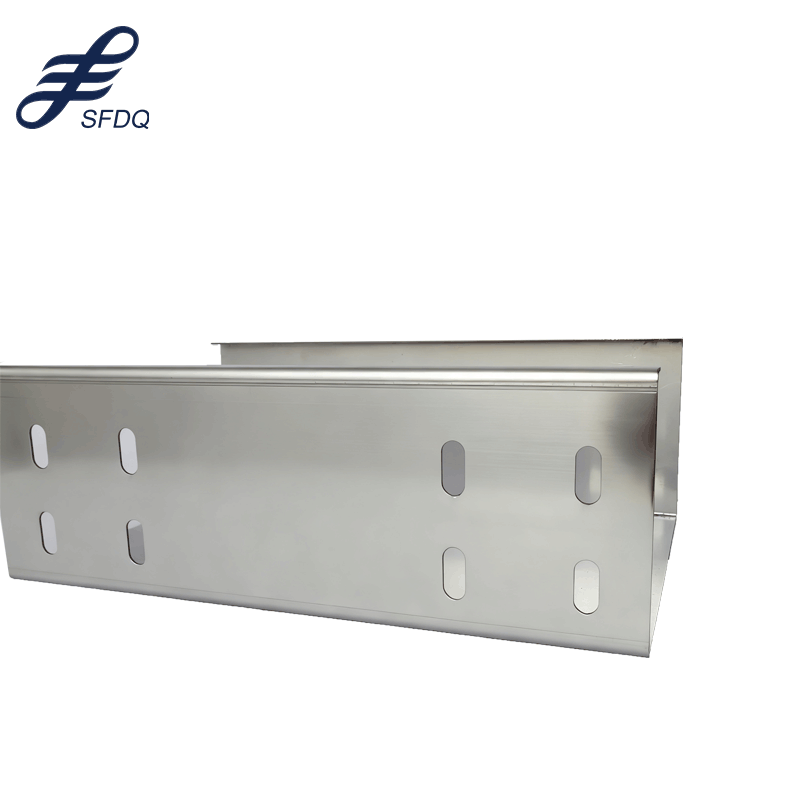
office cable trunking
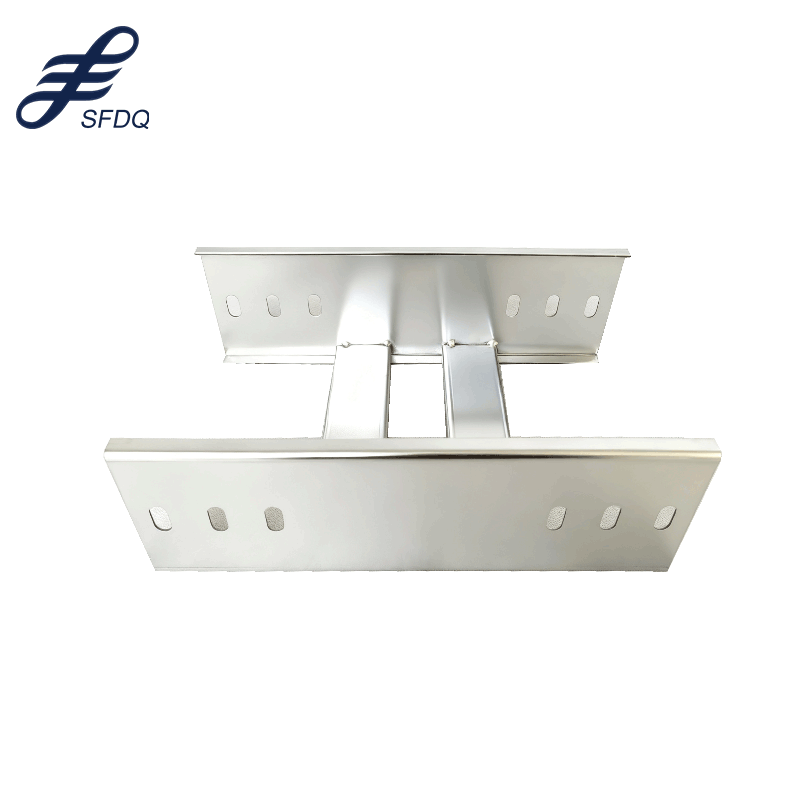
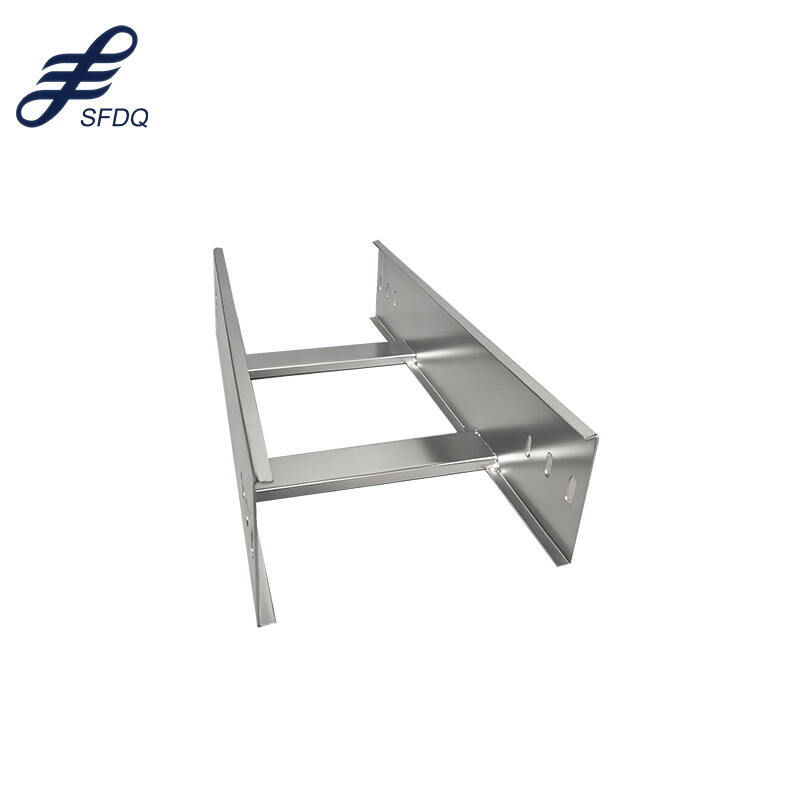
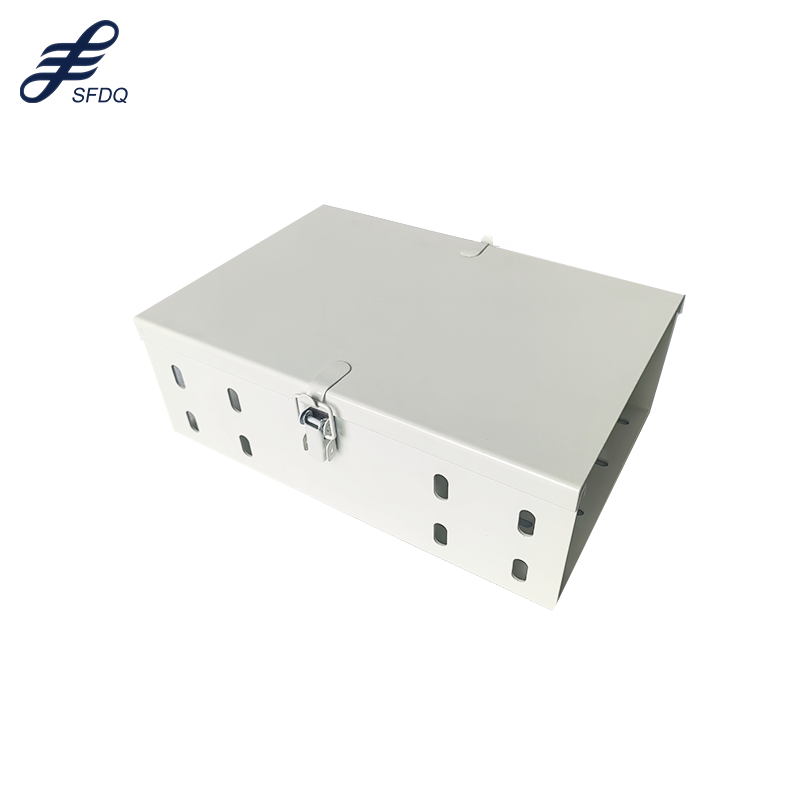
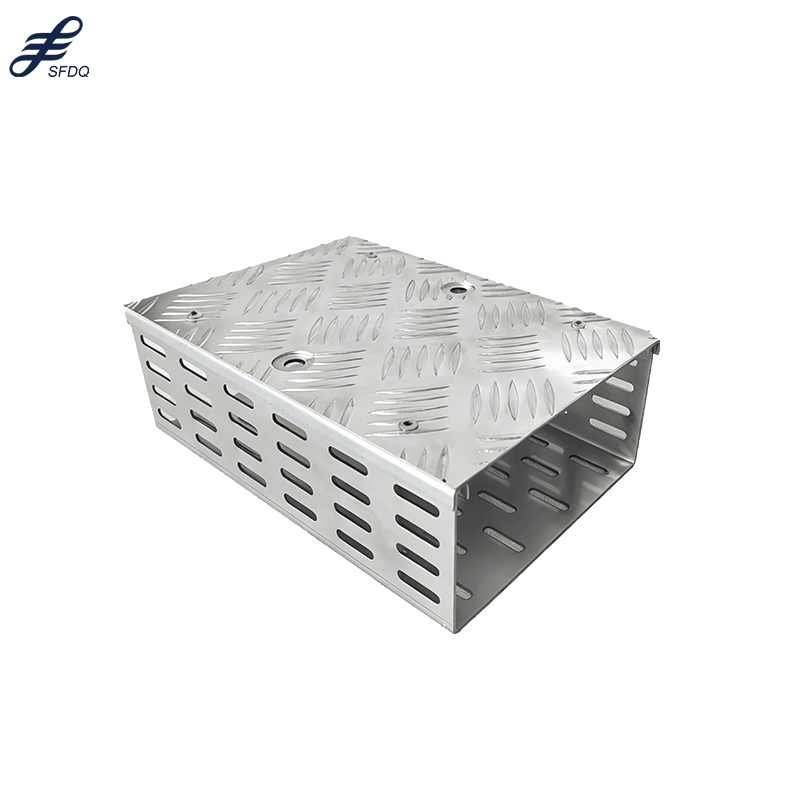
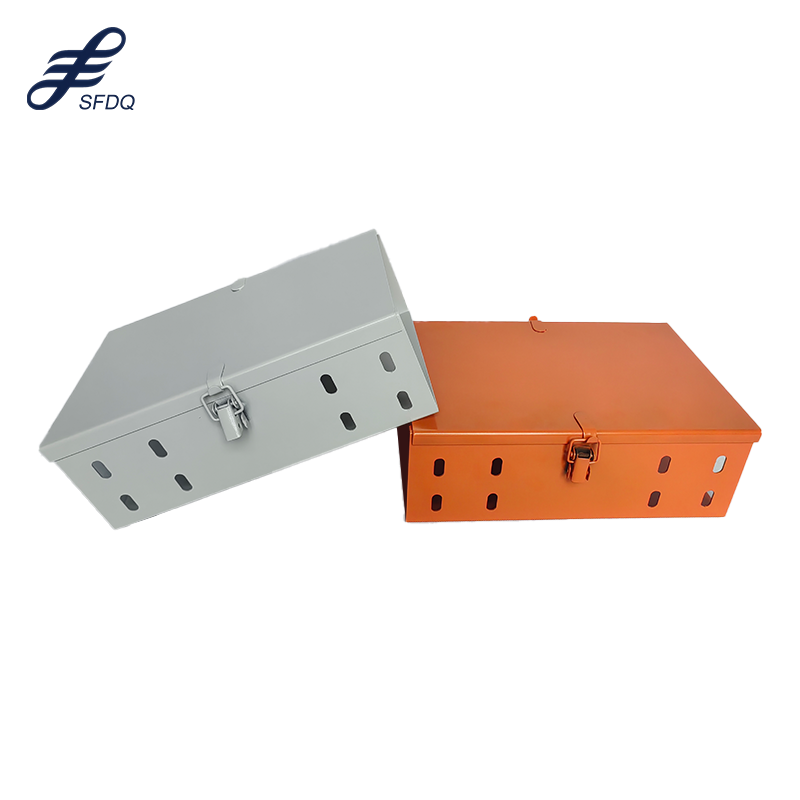
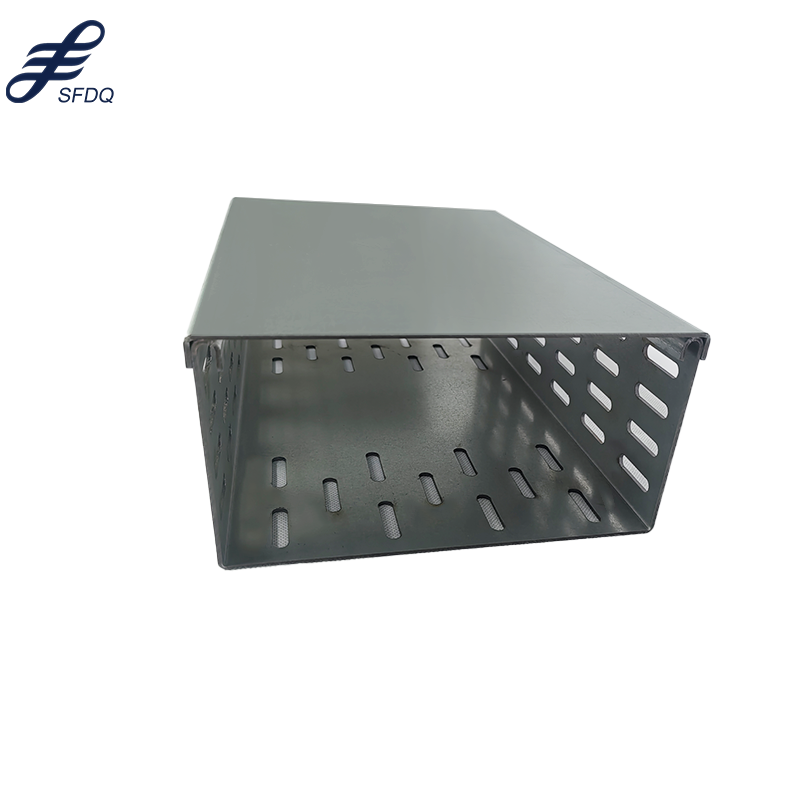
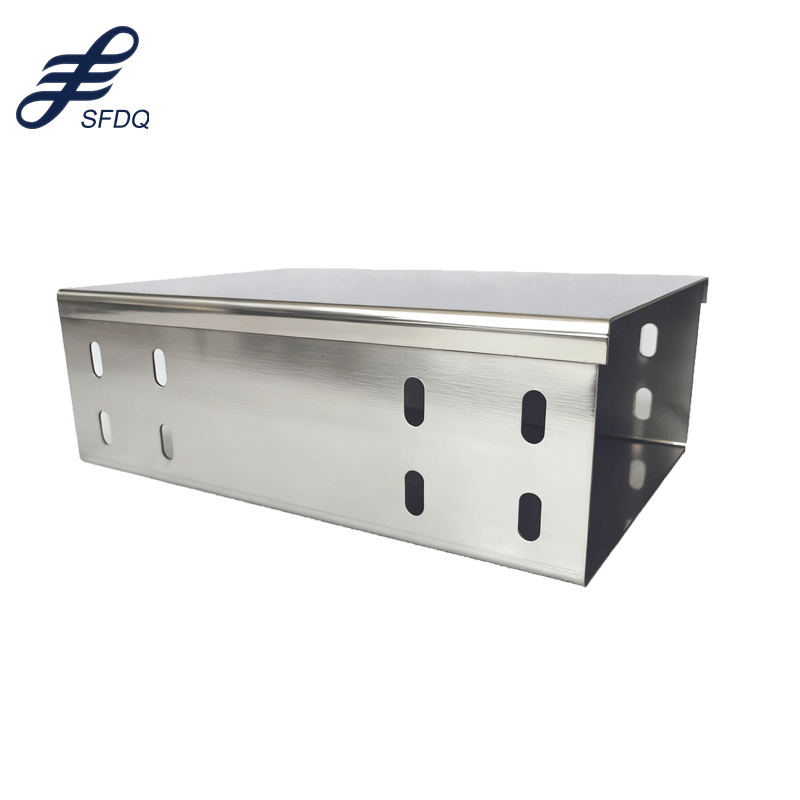
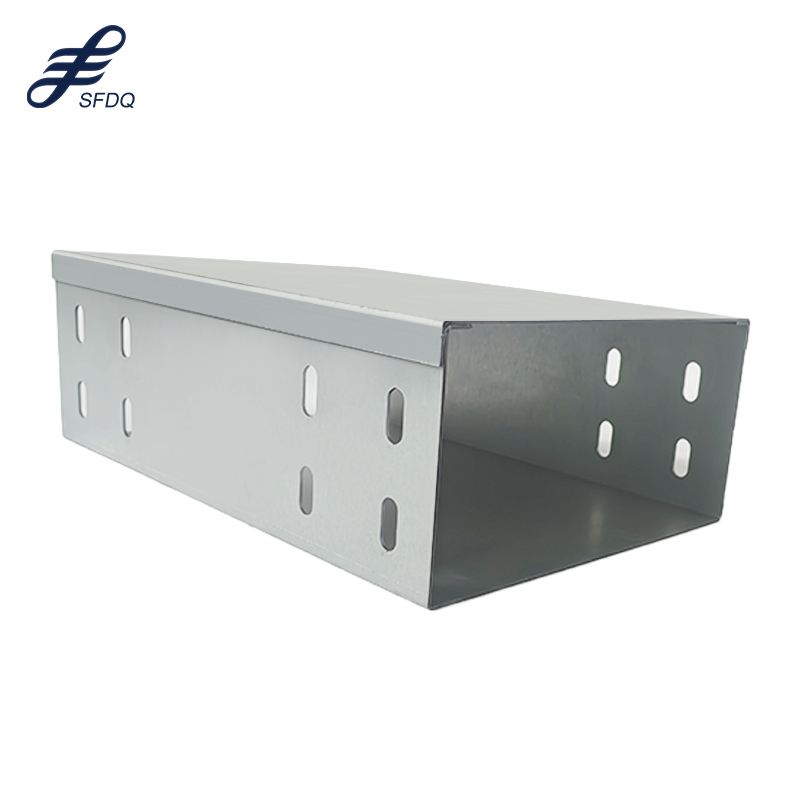
Office cable trunking represents a fundamental infrastructure solution designed to organize, protect, and manage electrical and data cables within commercial environments. This essential system comprises sturdy channels, typically manufactured from durable materials such as PVC, aluminum, or steel, that house and route various types of cables throughout office spaces. The primary function of office cable trunking involves creating dedicated pathways for power cables, network wiring, telecommunications lines, and audio-visual connections while maintaining accessibility for future modifications or maintenance. Modern office cable trunking systems feature modular designs that accommodate diverse cable types and quantities, ensuring scalable solutions for growing businesses. The technological advancement in office cable trunking includes innovative snap-fit mechanisms, integrated compartmentalization, and fire-resistant properties that meet stringent safety standards. These systems effectively eliminate cable clutter, reduce tripping hazards, and enhance workplace aesthetics by concealing unsightly wiring behind clean, professional surfaces. Office cable trunking applications span multiple commercial sectors, including corporate headquarters, educational institutions, healthcare facilities, retail establishments, and manufacturing plants. The versatility of office cable trunking allows installation along walls, ceilings, floors, and workstation perimeters, adapting to various architectural configurations and spatial requirements. Contemporary office cable trunking solutions incorporate features such as removable covers for easy access, color-coding options for different cable types, and compatibility with standard electrical and data connection points. The implementation of office cable trunking significantly improves cable management efficiency, reduces installation time, and provides long-term flexibility for technological upgrades or office reconfigurations, making it an indispensable component of modern workplace infrastructure.
 EN
EN