ladder type cable tray manufacturers
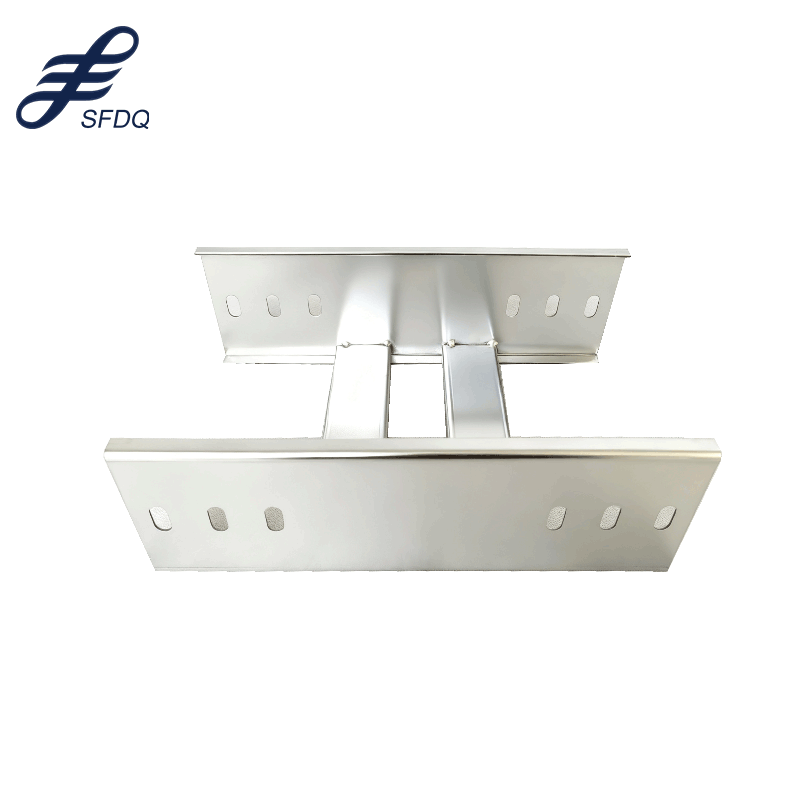
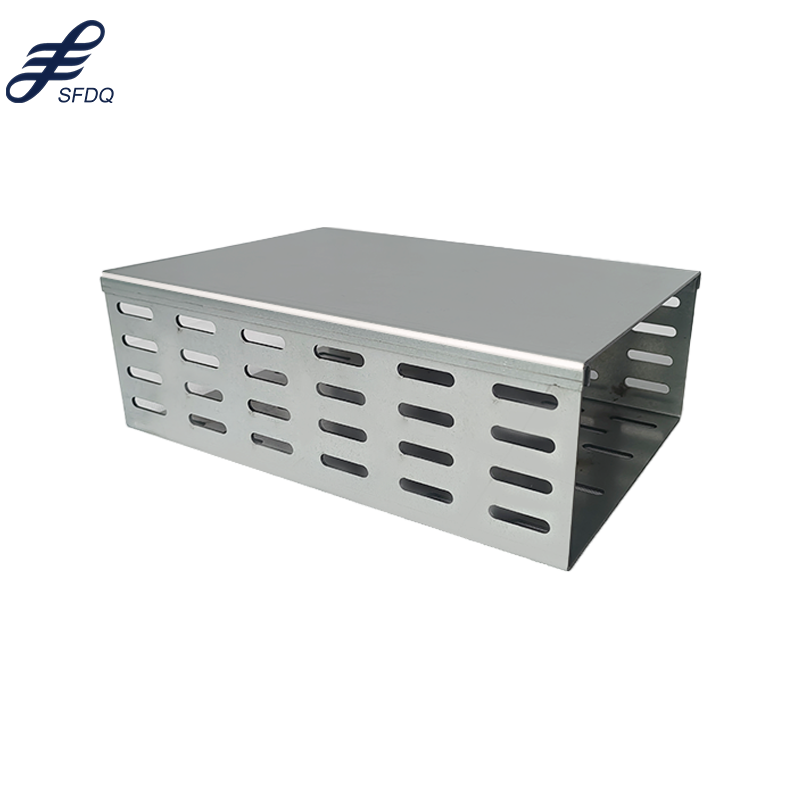
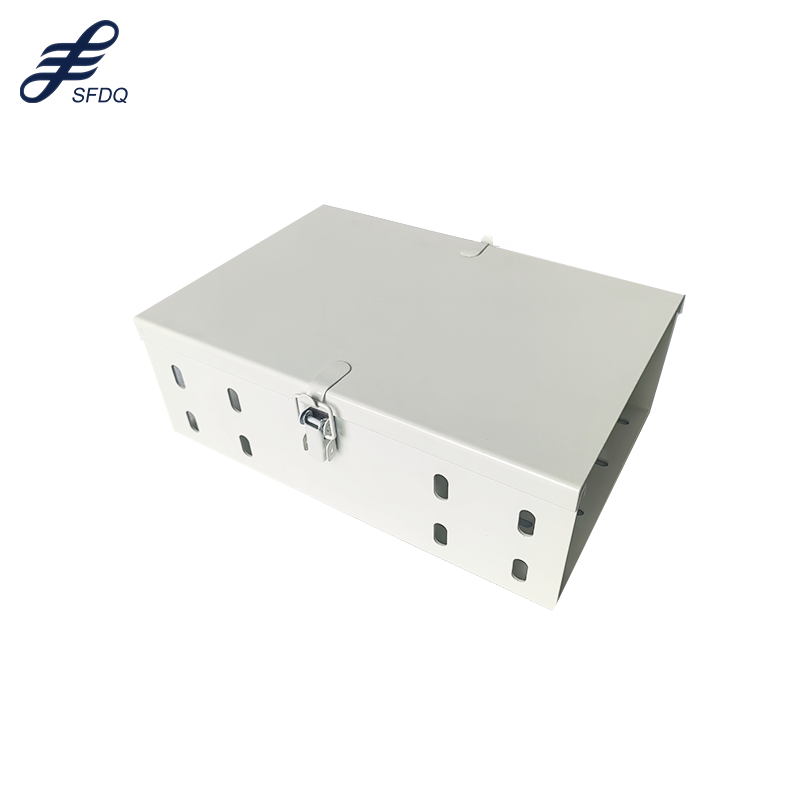
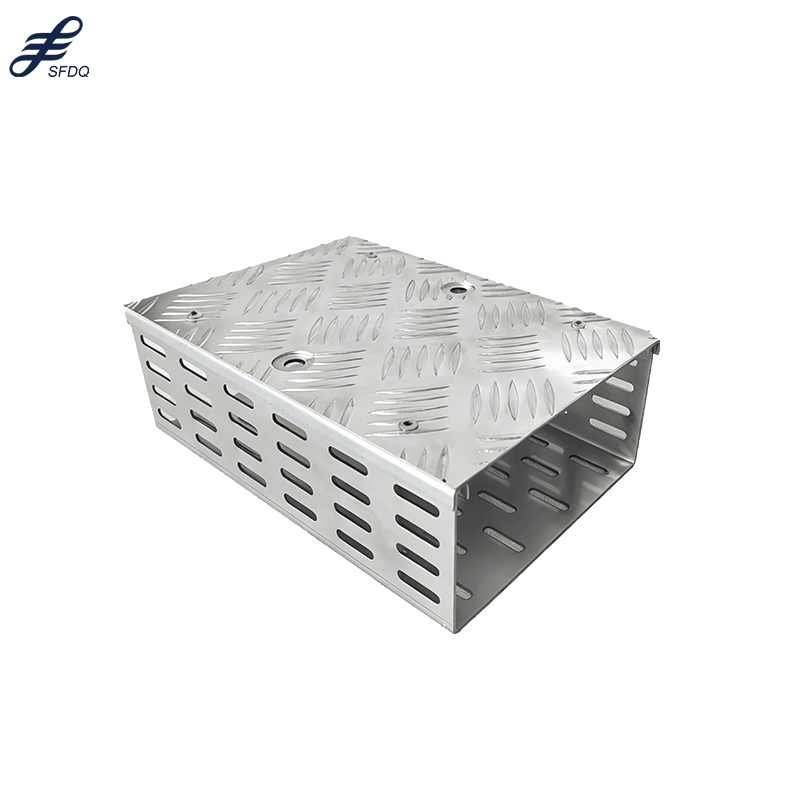
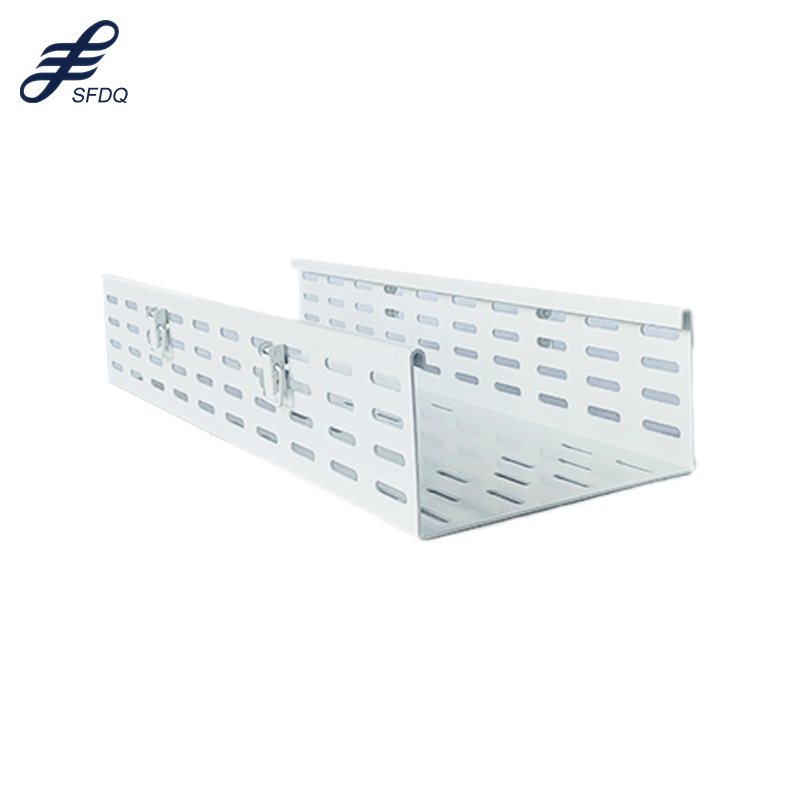
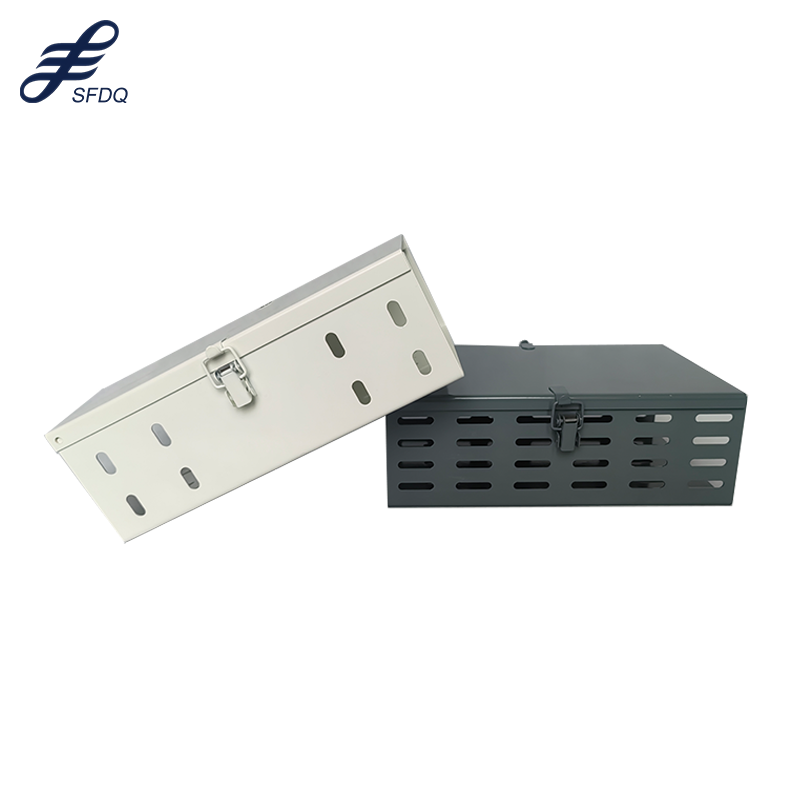
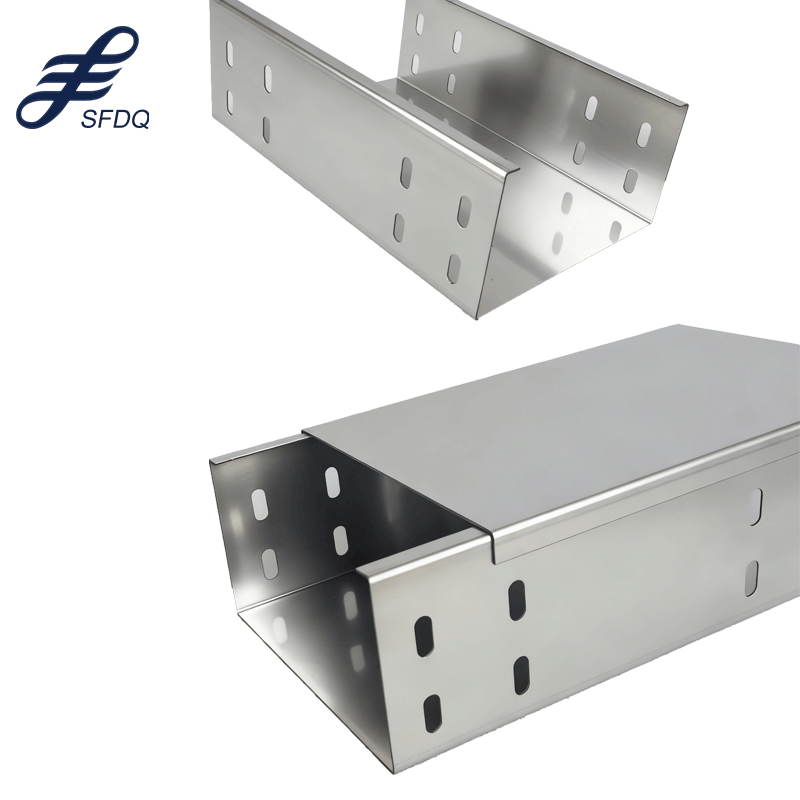
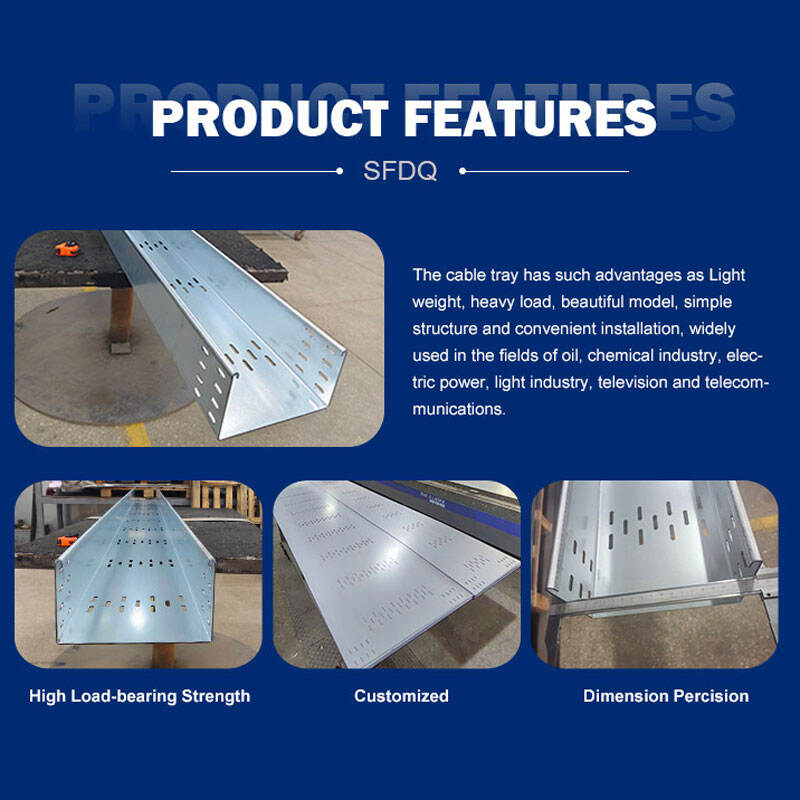
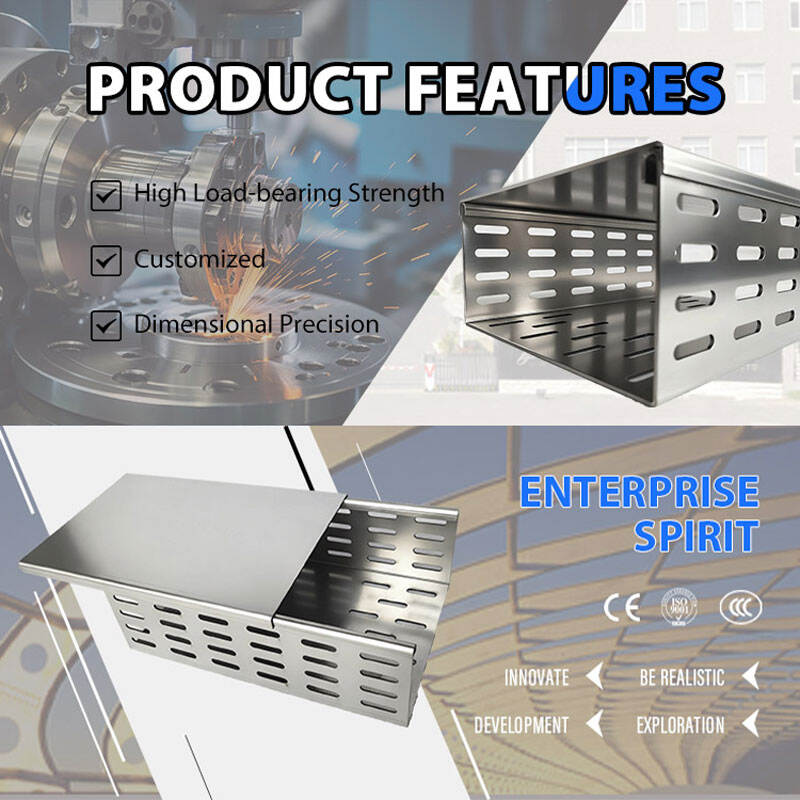
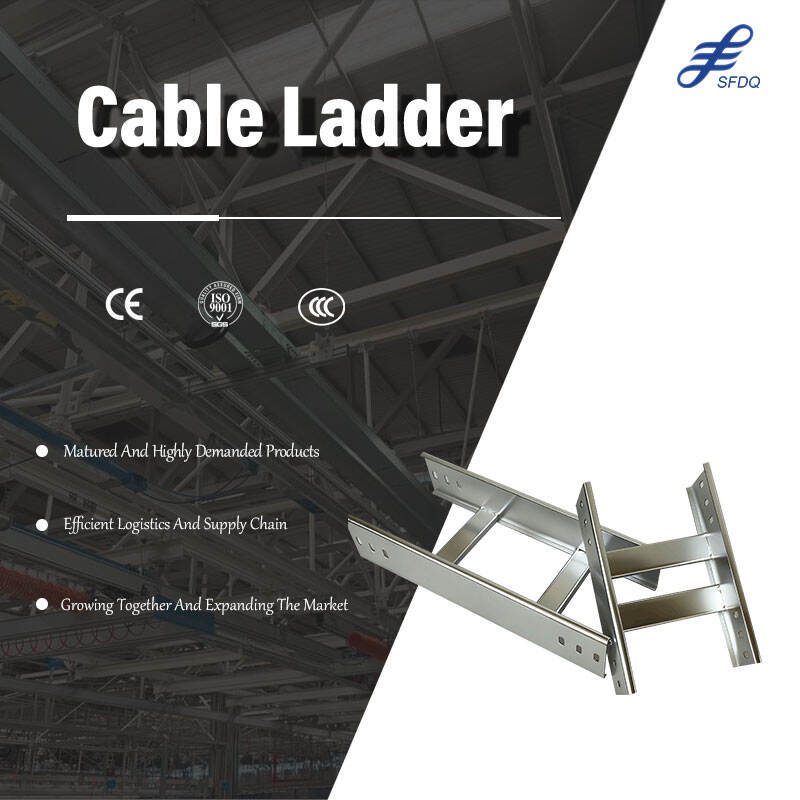
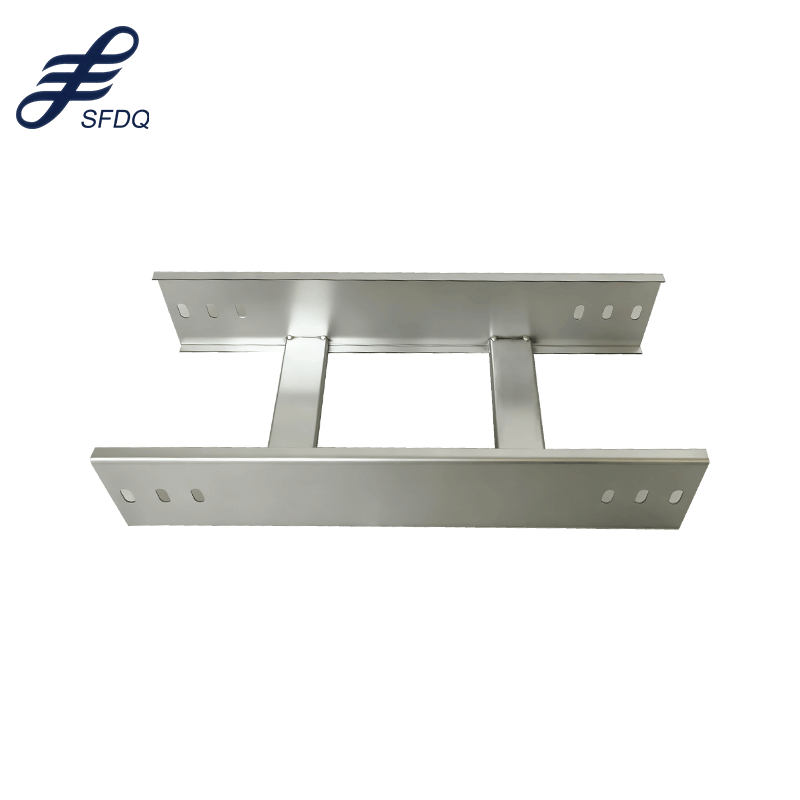
Ladder type cable tray manufacturers specialize in producing innovative cable management solutions that serve as the backbone of modern electrical infrastructure systems. These manufacturers design and produce ladder-style cable trays that feature parallel side rails connected by evenly spaced rungs, creating a ladder-like appearance that provides exceptional support for electrical cables and wiring systems. The primary function of these cable management systems involves organizing, protecting, and routing electrical cables in commercial, industrial, and residential environments while ensuring optimal airflow and accessibility for maintenance operations. Leading ladder type cable tray manufacturers utilize advanced engineering principles to create products that meet stringent international standards and regulatory requirements. The technological features of these cable trays include corrosion-resistant materials such as galvanized steel, aluminum, and stainless steel construction that ensures long-term durability in harsh environmental conditions. Modern manufacturing processes incorporate precision welding techniques, powder coating applications, and quality control measures that guarantee consistent product performance. These manufacturers implement cutting-edge design software and automated production lines to maintain dimensional accuracy and structural integrity across their product ranges. Applications for ladder type cable trays span numerous industries including data centers, manufacturing facilities, power generation plants, commercial buildings, telecommunications infrastructure, and transportation systems. The versatility of these products makes them suitable for both indoor and outdoor installations, supporting heavy cable loads while providing easy access for installation and maintenance personnel. Ladder type cable tray manufacturers continuously innovate their product lines to accommodate evolving industry demands, incorporating features such as adjustable mounting systems, modular designs, and specialized coatings that enhance performance in specific environmental conditions.
 EN
EN