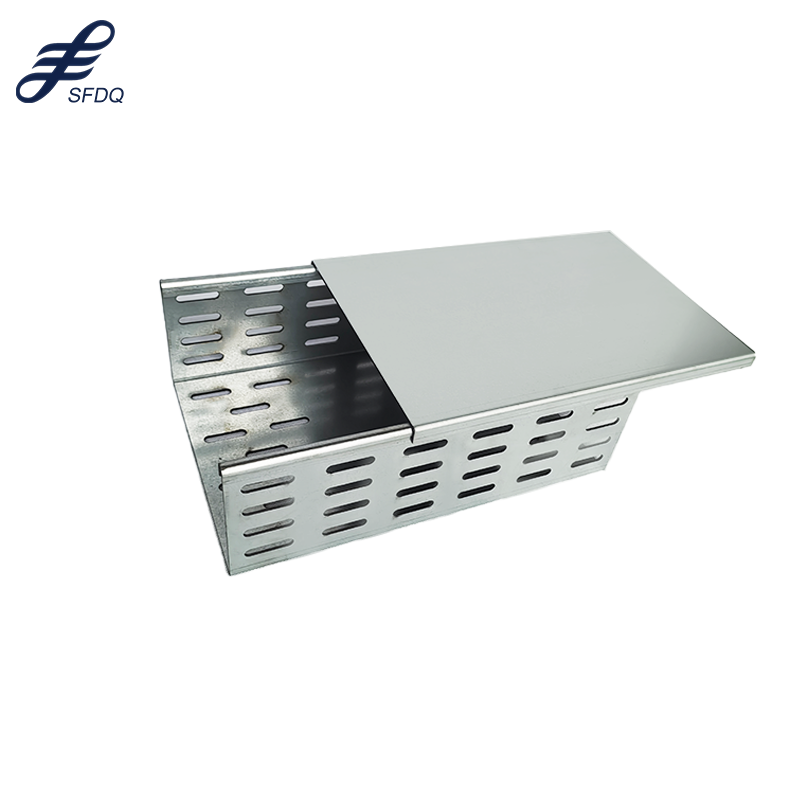
Unperforated Cable Tray Systems - Superior Cable Management Solutions for Industrial and Commercial Applications

Get a Free Quote

Our representative will contact you soon.
Email
Name
Company Name
WhatsApp
Message
0/1000

unperforated cable tray

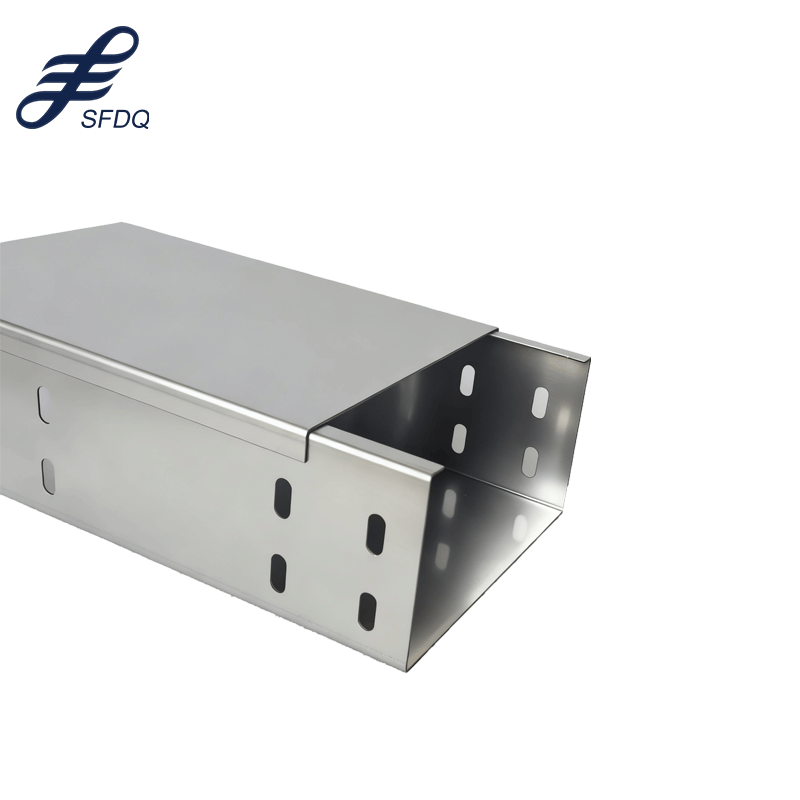
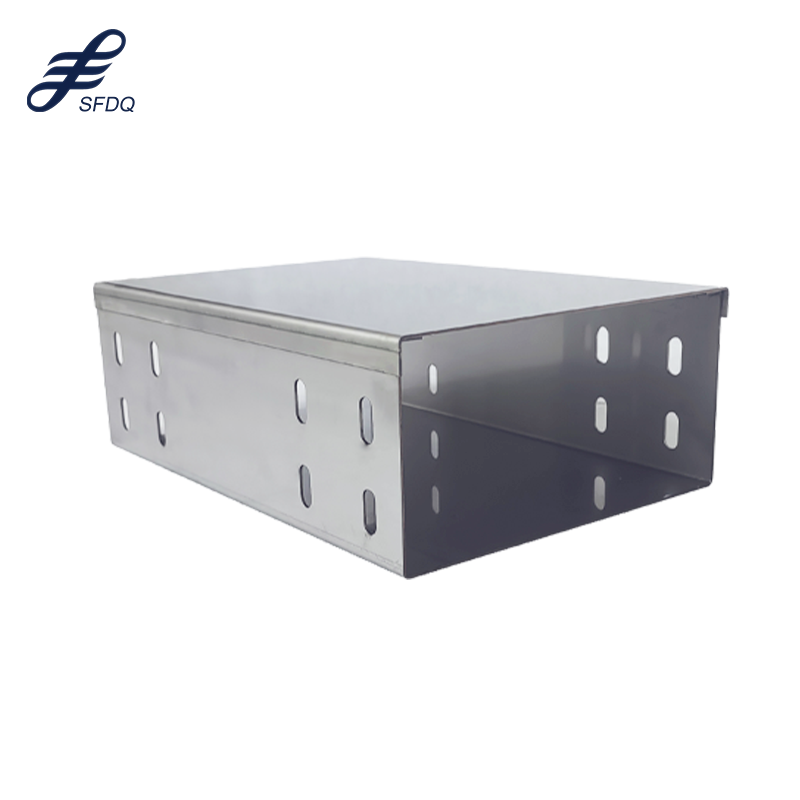
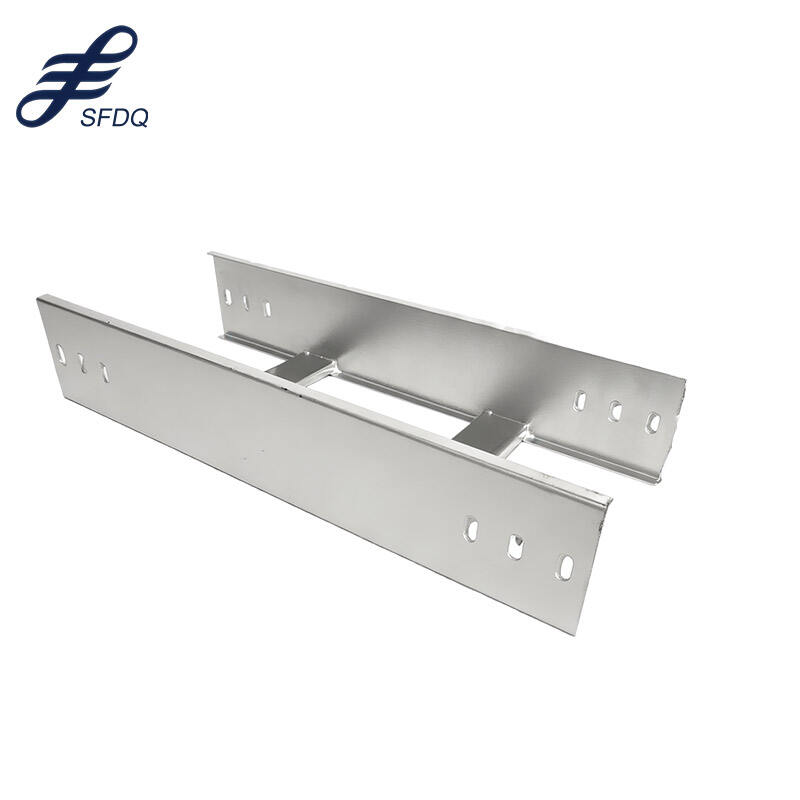
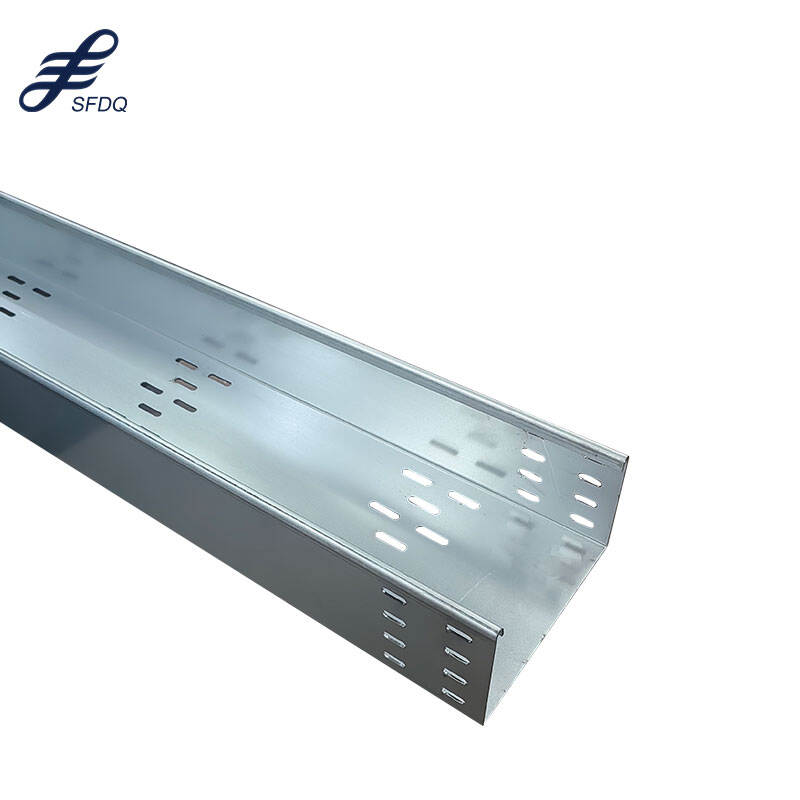
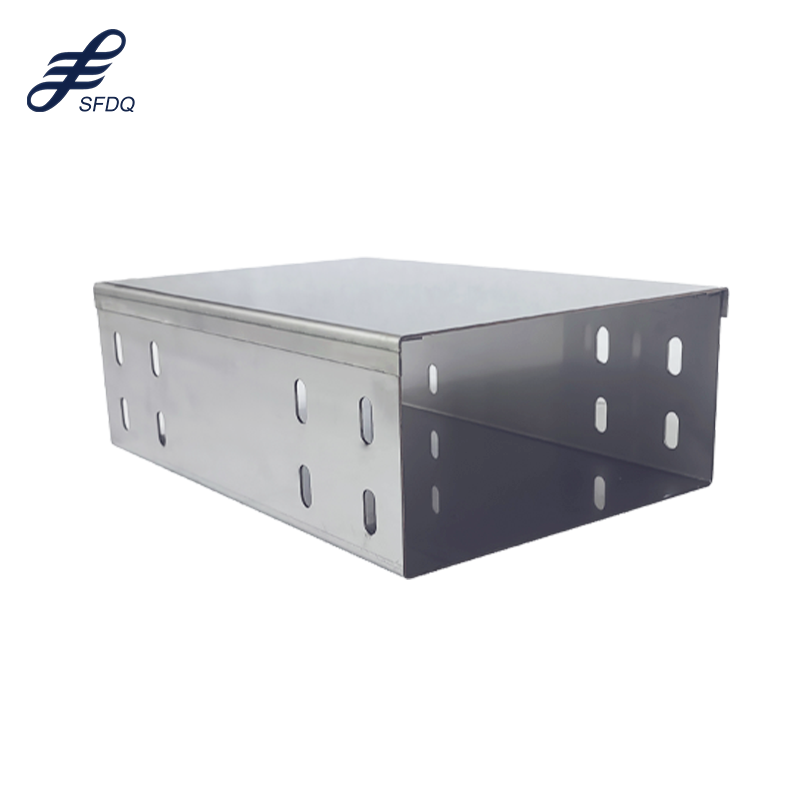
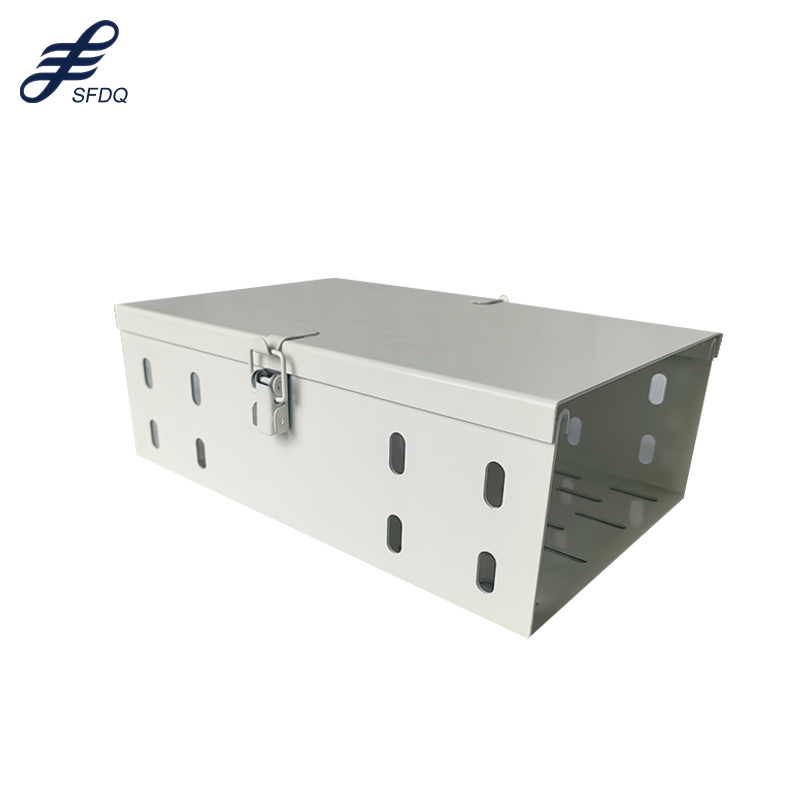
The unperforated cable tray represents a sophisticated infrastructure solution designed to provide comprehensive cable management systems for industrial, commercial, and institutional environments. This solid-bottom cable management system features a continuous metal surface without holes or perforations, creating an enclosed pathway that offers superior protection for electrical cables, data transmission lines, and control wiring systems. The unperforated cable tray construction typically utilizes high-grade galvanized steel, stainless steel, or aluminum materials that ensure long-lasting durability and resistance to environmental factors. The technological features of this cable management solution include precision-engineered side rails that maintain structural integrity while supporting substantial cable loads. The solid bottom design eliminates the risk of small cables falling through openings, making it particularly valuable for installations involving fiber optic cables, communication wiring, and sensitive electronic systems. Modern unperforated cable tray systems incorporate modular design principles that facilitate easy installation, modification, and expansion of cable routing networks. The manufacturing process employs advanced forming techniques that create smooth edges and consistent dimensions throughout the entire length of each tray section. These cable management systems find extensive applications across diverse sectors including data centers, manufacturing facilities, healthcare institutions, educational campuses, and commercial office buildings. The unperforated cable tray serves as the backbone for power distribution systems, telecommunications infrastructure, and building automation networks. Its versatility makes it suitable for both indoor and outdoor installations, with appropriate coating systems that provide corrosion resistance and weather protection. The engineering specifications of these cable trays accommodate various load requirements, spanning from light-duty applications supporting communication cables to heavy-duty installations carrying high-voltage power conductors and multiple cable assemblies simultaneously.

Popular Products

The unperforated cable tray delivers exceptional value through its comprehensive protection capabilities that shield cables from environmental hazards, debris, and mechanical damage. This solid-bottom design creates a secure enclosure that prevents small objects from falling onto sensitive cables while maintaining proper cable organization throughout the installation. The structural advantages of this cable management system include superior load-bearing capacity that supports heavy cable bundles without sagging or deformation over extended spans. Engineers and facility managers appreciate how the unperforated cable tray simplifies cable routing by providing a continuous pathway that eliminates the need for additional protective conduits or cable guards. The installation process becomes significantly more efficient because electricians can lay cables directly onto the smooth bottom surface without concerns about proper cable support at regular intervals. Maintenance operations benefit tremendously from the accessible design that allows technicians to inspect, add, or remove cables without disturbing the entire installation. The unperforated cable tray contributes to improved fire safety by containing potential cable fires within the tray structure and preventing flame spread to adjacent areas. This containment feature proves particularly valuable in mission-critical facilities where cable integrity directly impacts operational continuity. Cost considerations favor the unperforated cable tray because it reduces the need for individual cable protection methods and streamlines the overall installation process. The versatility of this system accommodates future expansion requirements, allowing facility managers to add new cables without major infrastructure modifications. Environmental benefits include the recyclable nature of the metal construction and the long service life that minimizes replacement frequency. The unperforated cable tray also provides electromagnetic interference shielding when properly grounded, protecting sensitive data transmission cables from electrical noise. Temperature management advantages emerge from the solid construction that provides thermal mass and heat dissipation properties. The aesthetic benefits cannot be overlooked, as these cable trays create clean, organized appearances in exposed ceiling installations and technical spaces. Quality control measures during manufacturing ensure consistent dimensions and surface finishes that facilitate smooth cable pulling operations and reduce installation time requirements.

Latest News

​Cable Tray: The Backbone of Efficient Cable Management - From SFDQ Factory

20

Nov

​Cable Tray: The Backbone of Efficient Cable Management - From SFDQ Factory

View More
Why Choose SFDQ’s Cable Tray?

20

Nov

Why Choose SFDQ’s Cable Tray?

View More
Unlock the Power of Factory Cable Trays with CE and ISO Certifications

20

Nov

Unlock the Power of Factory Cable Trays with CE and ISO Certifications

View More
SFDQ Participates in Saudi Exhibitions

05

Dec

SFDQ Participates in Saudi Exhibitions

Bringing High-Quality Cable Trays to Deepen Presence in the Middle East Infrastructure Market​
View More

Get a Free Quote

Our representative will contact you soon.
Email
Name
Company Name
WhatsApp
Message
0/1000

unperforated cable tray

Superior Cable Protection and Environmental Shielding

Superior Cable Protection and Environmental Shielding

The unperforated cable tray excels in providing comprehensive protection for valuable cable installations through its solid-bottom construction that creates an enclosed environment resistant to external contaminants and environmental hazards. This protective capability proves essential in industrial environments where dust, moisture, chemicals, and debris pose constant threats to cable integrity and system reliability. The continuous metal surface prevents foreign objects from penetrating the cable space, eliminating the risk of damage from falling tools, building materials, or maintenance debris that commonly affects open cable management systems. The enclosed design of the unperforated cable tray creates a controlled microenvironment that helps maintain consistent temperature and humidity levels around critical cables, particularly important for sensitive fiber optic installations and precision control circuits. This environmental stability reduces the expansion and contraction cycles that can stress cable connections and degrade performance over time. The solid construction also provides excellent electromagnetic interference shielding when properly grounded, protecting data transmission cables from electrical noise generated by nearby power systems, motors, and electronic equipment. This shielding capability becomes increasingly important in modern facilities where high-frequency digital signals must coexist with traditional power distribution systems. The unperforated cable tray design incorporates smooth interior surfaces that eliminate sharp edges and potential snagging points that could damage cable jackets during installation or maintenance activities. The protective benefits extend to fire containment applications where the solid tray structure helps contain potential cable fires and prevents flame spread through cable pathways. This containment capability proves particularly valuable in high-rise buildings, hospitals, and data centers where fire safety regulations demand superior cable protection measures. The robust construction materials resist corrosion, UV degradation, and chemical exposure, ensuring long-term protection performance even in challenging environmental conditions. Facility managers appreciate how the unperforated cable tray reduces cable replacement frequency and maintenance costs by preventing premature cable failures caused by environmental exposure and mechanical damage.
Enhanced Load Bearing Capacity and Structural Integrity

Enhanced Load Bearing Capacity and Structural Integrity

The unperforated cable tray demonstrates exceptional structural performance through its engineered design that maximizes load-bearing capacity while maintaining dimensional stability across extended spans and varying environmental conditions. The solid bottom construction distributes cable weight uniformly across the entire tray width, eliminating stress concentrations that can occur with perforated designs and reducing the risk of structural failure under heavy cable loads. This uniform load distribution capability allows the unperforated cable tray to support significantly higher cable densities than alternative cable management solutions, making it ideal for high-capacity installations in data centers, industrial facilities, and commercial buildings. The structural engineering principles incorporated into these cable trays include optimized side rail profiles that provide maximum strength-to-weight ratios while maintaining cost-effective material usage. The continuous bottom surface acts as a structural diaphragm that increases the overall torsional rigidity of the tray system, preventing twisting and deflection under asymmetrical loading conditions. This enhanced structural integrity proves particularly important in seismic zones where building movement can impose additional stresses on cable management systems. The unperforated cable tray design accommodates thermal expansion and contraction through engineered expansion joints and flexible connections that prevent stress buildup during temperature cycles. Manufacturing quality controls ensure consistent material properties and dimensional tolerances that maintain structural performance throughout the service life of the installation. The robust construction enables longer unsupported spans between hangers and supports, reducing installation costs and simplifying structural coordination with building systems. Field modifications and alterations become more predictable because the solid construction maintains structural properties even after cutting and fitting operations. The enhanced load capacity of the unperforated cable tray system supports future cable additions without requiring structural reinforcement, providing valuable flexibility for evolving facility requirements. Engineering specifications provide clear guidance for proper loading and support spacing that ensures optimal structural performance while meeting applicable building codes and safety standards. The structural advantages translate directly into reduced maintenance requirements and extended service life, delivering superior long-term value for facility owners and operators.
Streamlined Installation and Maintenance Operations

Streamlined Installation and Maintenance Operations

The unperforated cable tray revolutionizes cable installation and maintenance procedures through its user-friendly design that simplifies every aspect of cable management operations from initial installation through ongoing maintenance activities. The smooth, continuous bottom surface eliminates the need for cable pulling lubricants and reduces friction during cable installation, allowing electricians to pull longer cable runs with less effort and reduced risk of cable damage. This installation efficiency translates directly into reduced labor costs and faster project completion times, particularly valuable in large-scale commercial and industrial installations where time constraints often drive project scheduling decisions. The accessibility advantages of the unperforated cable tray become apparent during maintenance operations where technicians can easily identify, trace, and access individual cables without removing entire cable bundles or disrupting adjacent systems. The solid construction provides a stable work platform that supports maintenance equipment and tools while technicians perform cable splicing, testing, and replacement operations. Cable organization within the unperforated cable tray remains consistently neat and manageable because the enclosed design prevents cables from shifting or becoming entangled during facility vibrations or thermal cycling. This organizational stability reduces troubleshooting time and improves the accuracy of cable identification during maintenance activities. The modular design characteristics of modern unperforated cable tray systems facilitate easy expansion and modification of cable routing pathways without requiring extensive demolition or reconstruction of existing installations. Standard fitting and connection systems ensure compatibility between different tray sections and enable seamless integration of new cable runs with existing infrastructure. The unperforated cable tray design accommodates various cable types and sizes within the same installation, eliminating the need for separate cable management systems for different applications. Documentation and cable labeling become more effective because the organized environment within the tray system provides clear sight lines and accessible mounting surfaces for identification tags and markers. Quality control during installation improves because inspectors can easily verify proper cable support, spacing, and routing compliance with applicable codes and standards. The maintenance benefits extend to cleaning operations where the smooth surfaces and enclosed design prevent dust accumulation and facilitate routine housekeeping activities that maintain professional appearances in exposed installations.
Inquiry Inquiry Email Email Tel Tel TopTop

Get a Free Quote

Our representative will contact you soon.
Email
Name
Company Name
WhatsApp
Message
0/1000