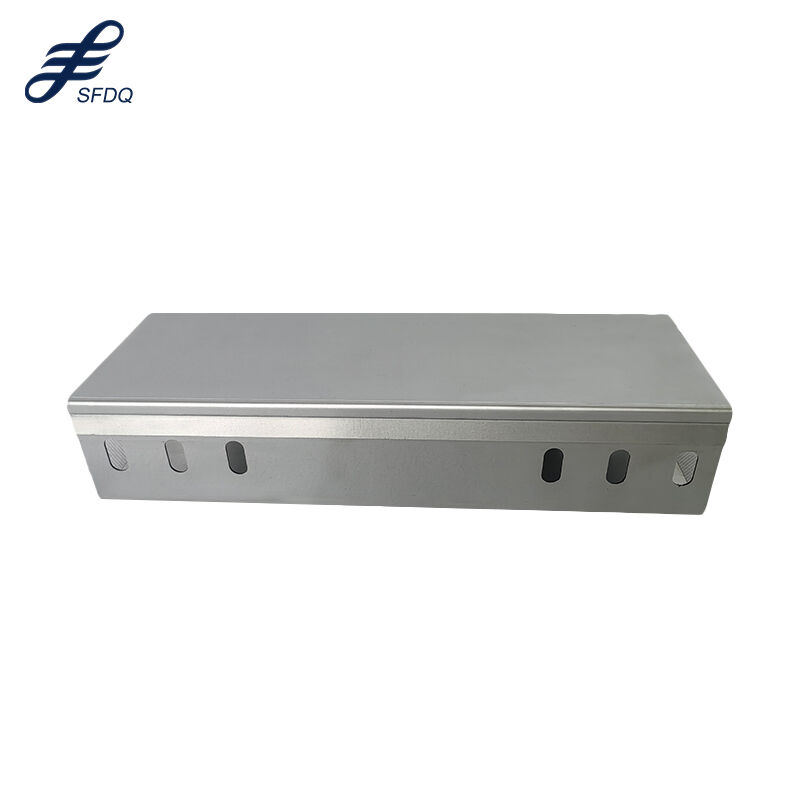
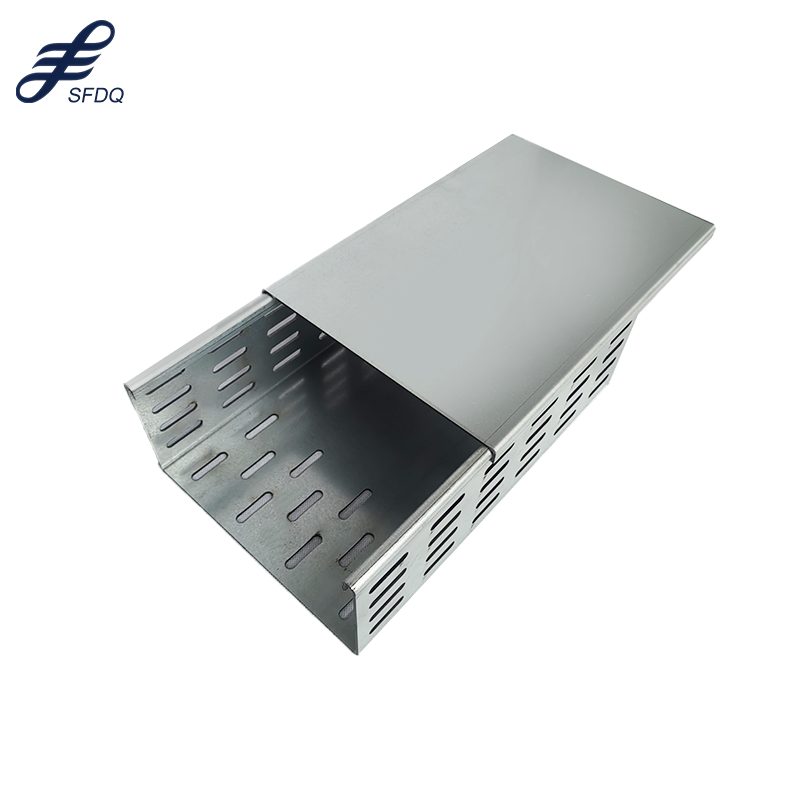
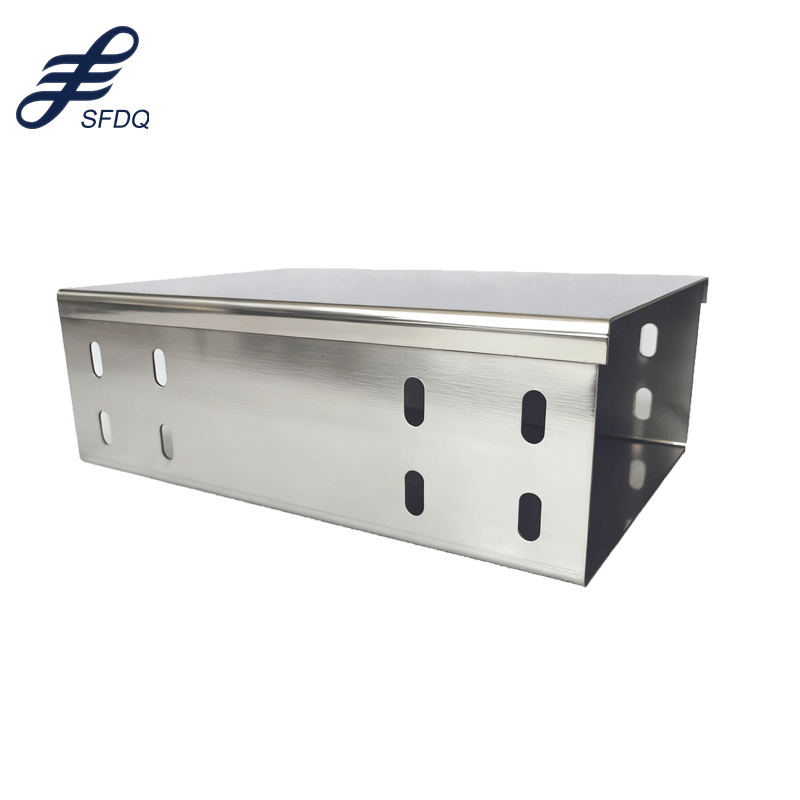
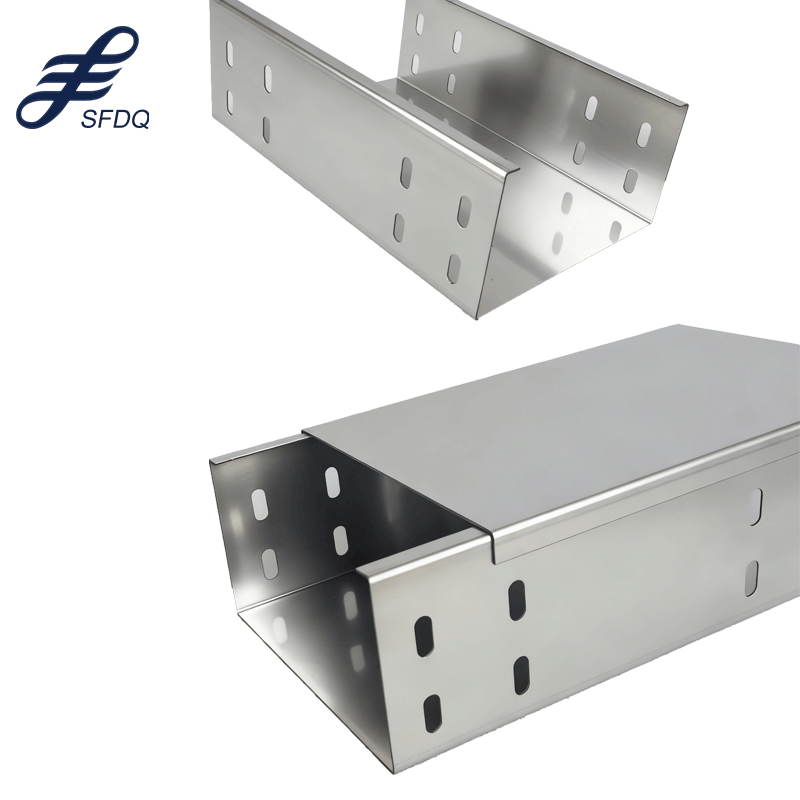
tray ladder rack
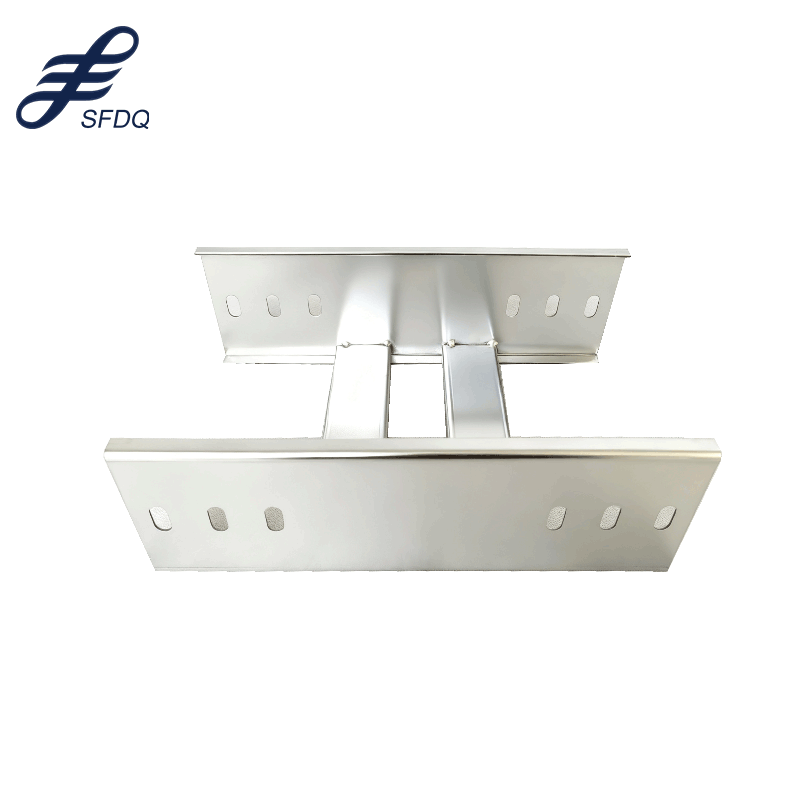
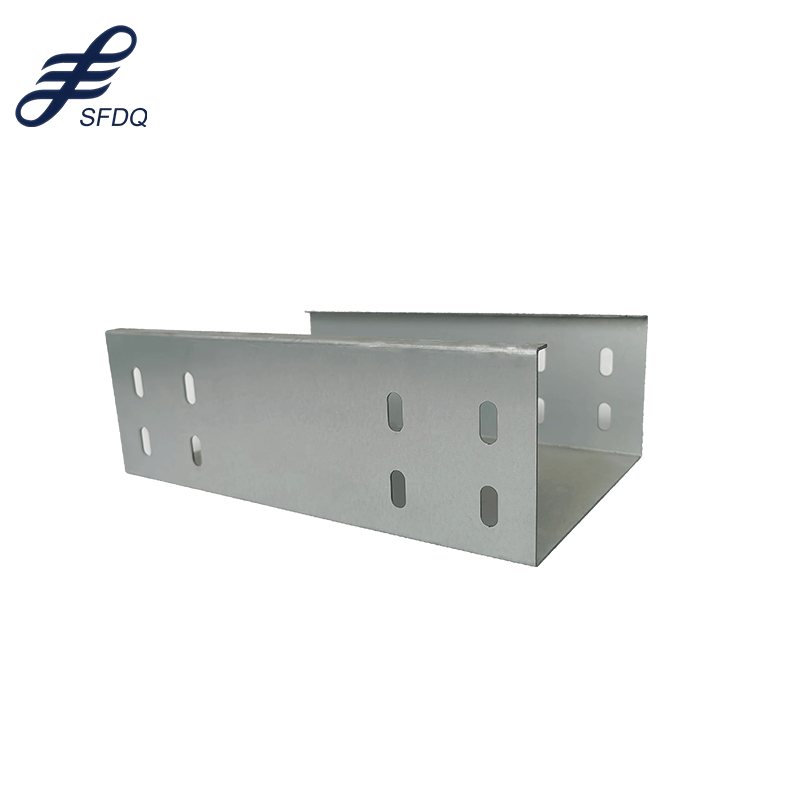
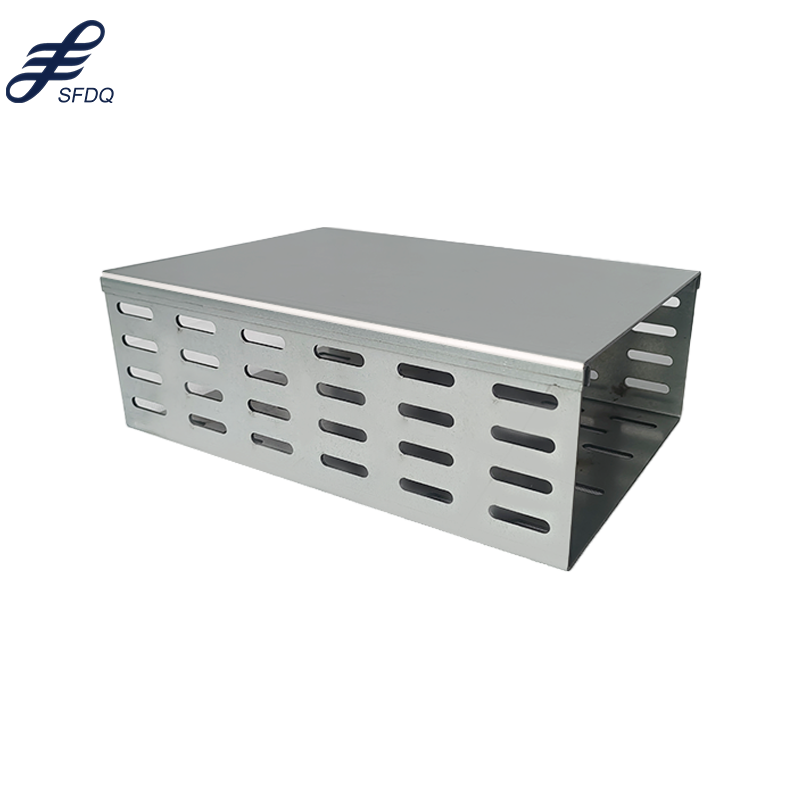
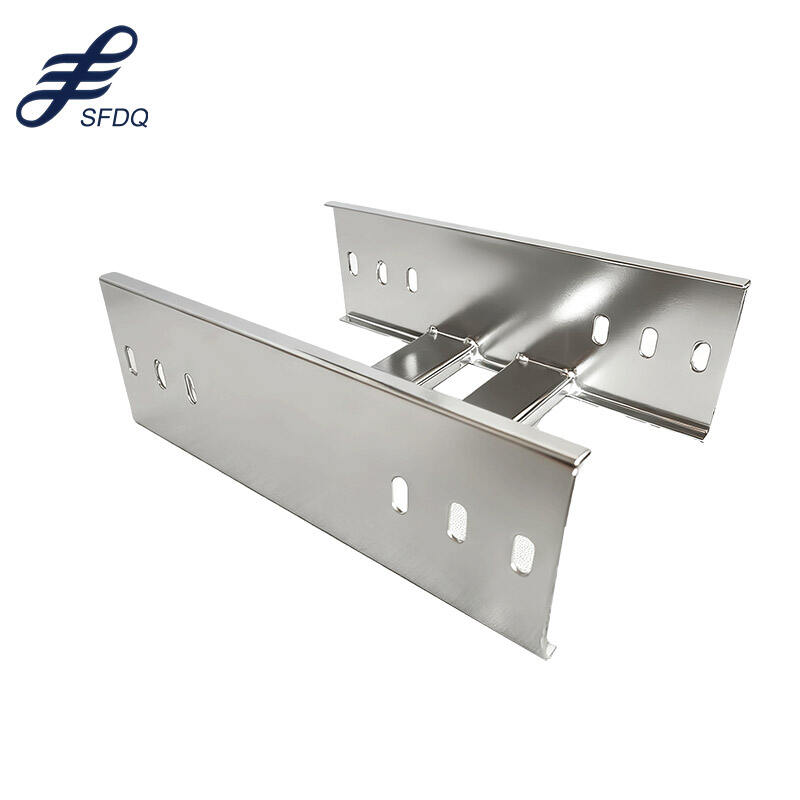
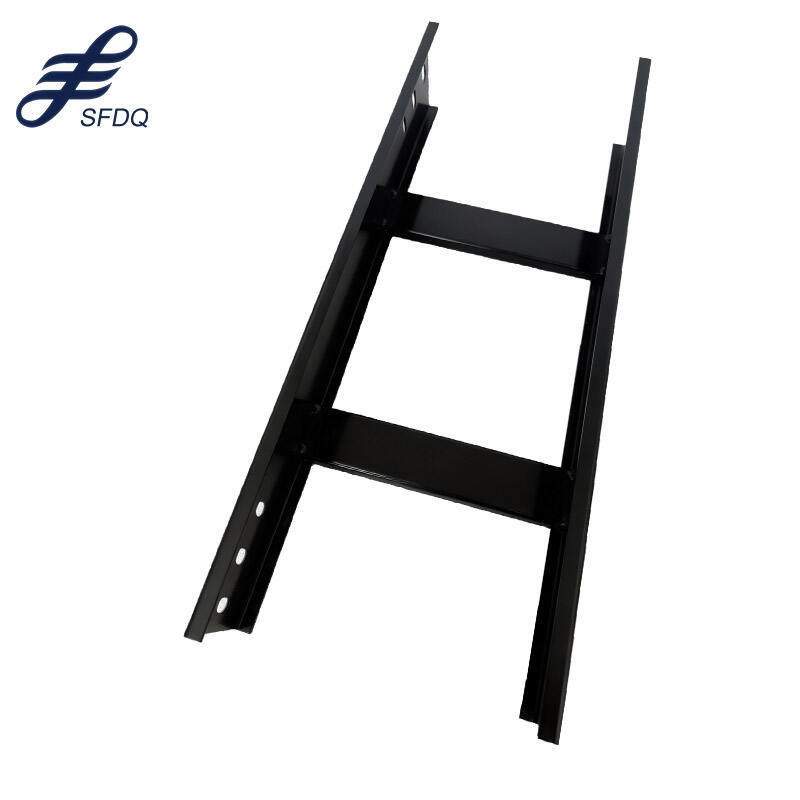
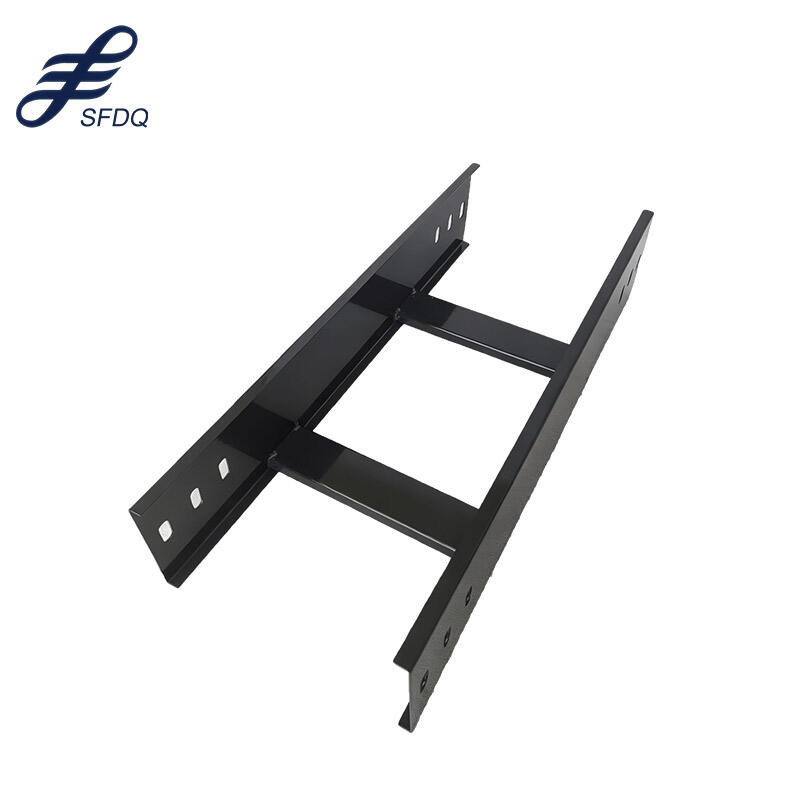
The tray ladder rack represents a revolutionary cable management solution that combines the strength of traditional cable trays with the accessibility benefits of ladder-style construction. This innovative infrastructure component serves as the backbone for modern electrical and data communication systems across commercial, industrial, and institutional facilities. The tray ladder rack features a distinctive open-rung design that resembles a ladder, with parallel side rails connected by evenly spaced crossbars or rungs, creating a robust support structure for cables and conduits. This unique configuration allows for superior ventilation, easy cable installation, and simplified maintenance procedures. The primary function of a tray ladder rack extends beyond simple cable support, as it provides a comprehensive pathway system that organizes, protects, and routes electrical wiring, fiber optic cables, and communication lines throughout buildings and facilities. The technological features of modern tray ladder racks include corrosion-resistant coatings, adjustable mounting systems, and modular components that enable seamless integration with existing infrastructure. Advanced manufacturing techniques ensure precise tolerances and consistent quality, while innovative connection methods allow for quick assembly and modification. The open design facilitates natural air circulation, preventing heat buildup that could damage sensitive cables. Applications for tray ladder racks span numerous industries, including manufacturing plants, data centers, hospitals, airports, and commercial office buildings. These systems excel in environments requiring frequent cable additions, modifications, or replacements. The versatility of tray ladder rack systems makes them ideal for both overhead and under-floor installations, adapting to various architectural constraints and operational requirements. Professional installers appreciate the reduced labor costs associated with tray ladder rack installation, as the open design eliminates the need for drilling holes for cable access while maintaining structural integrity and load-bearing capacity essential for heavy cable loads.
 EN
EN