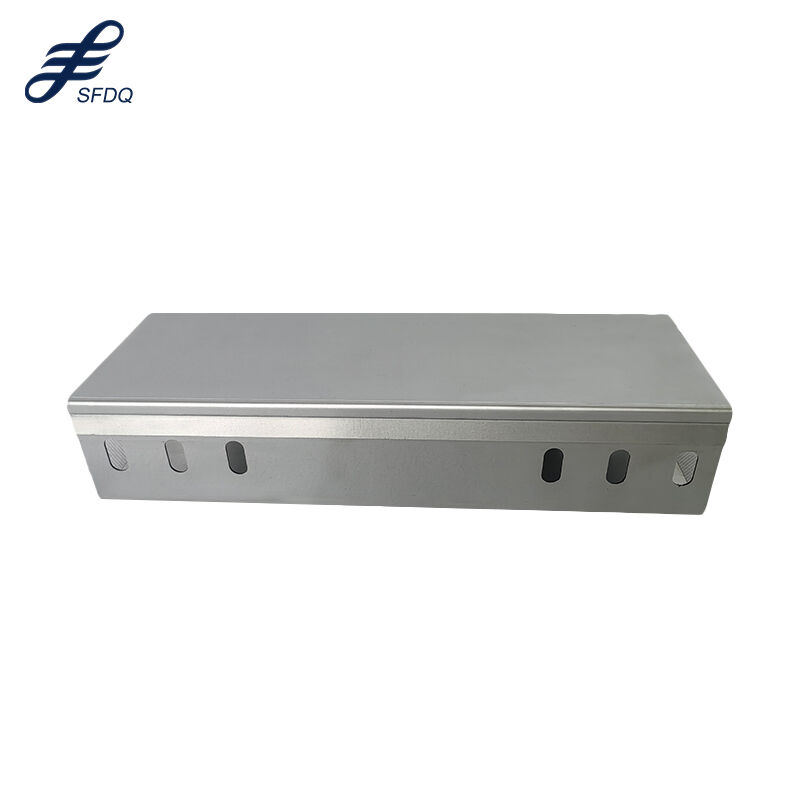
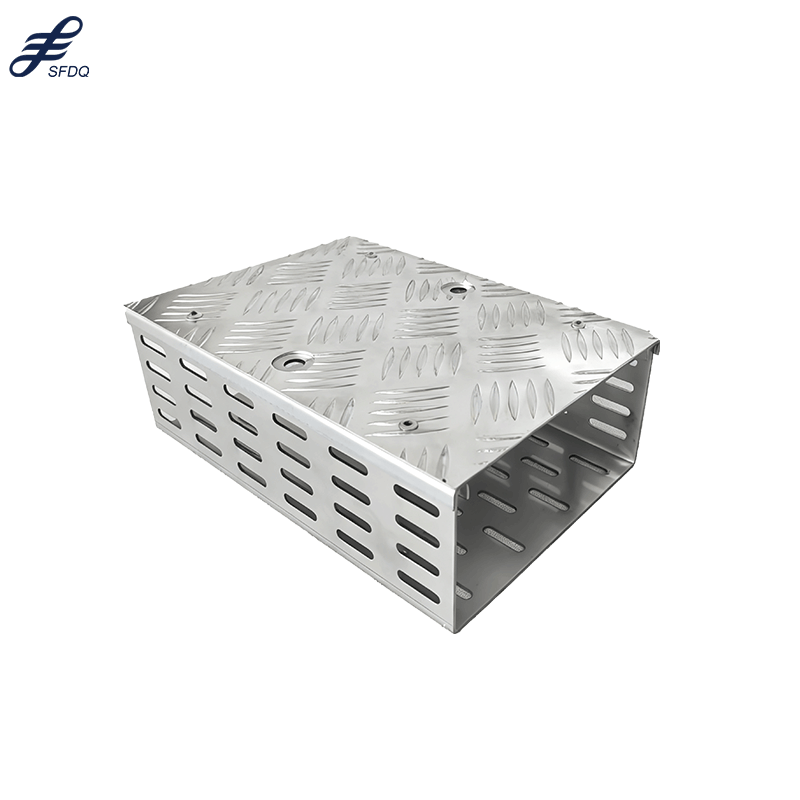
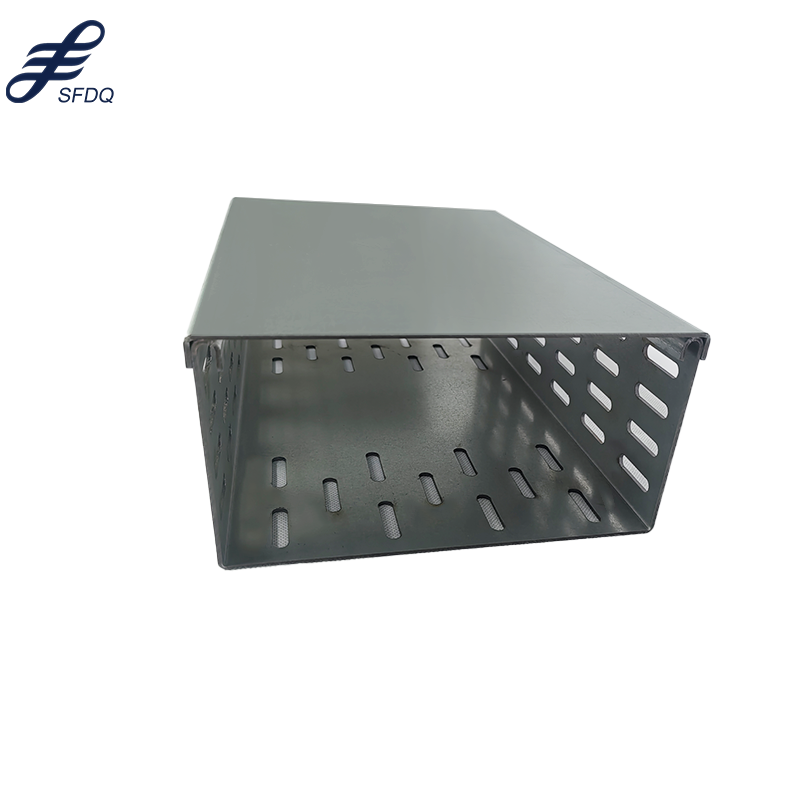
cable ladder rack
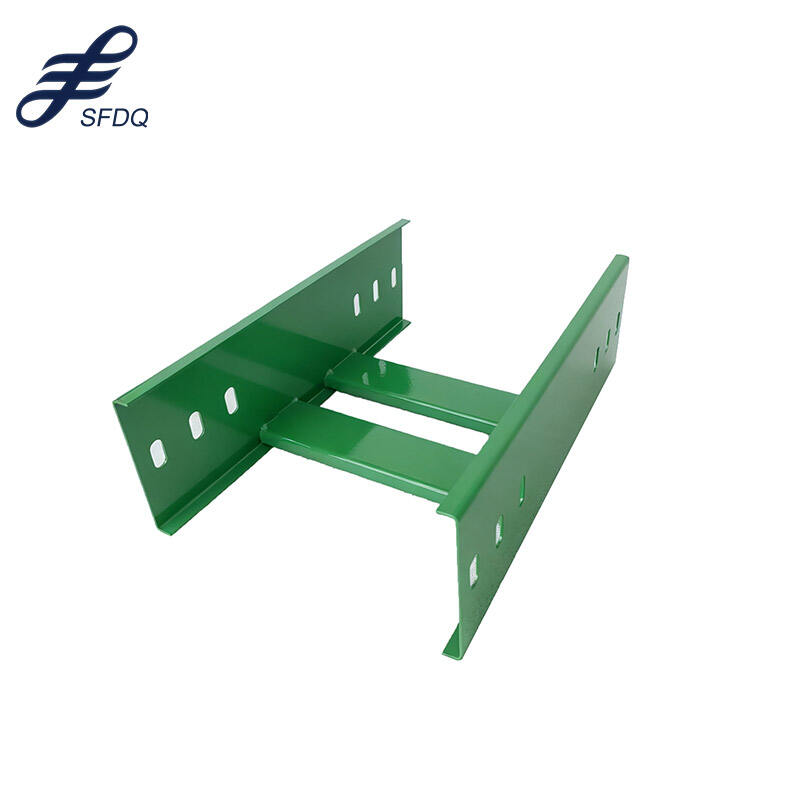
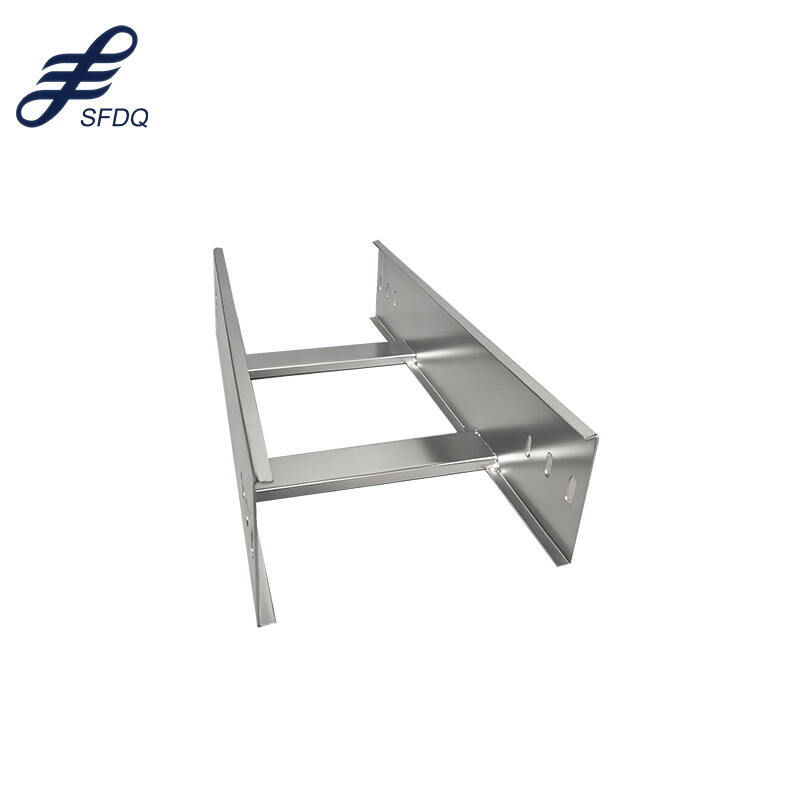
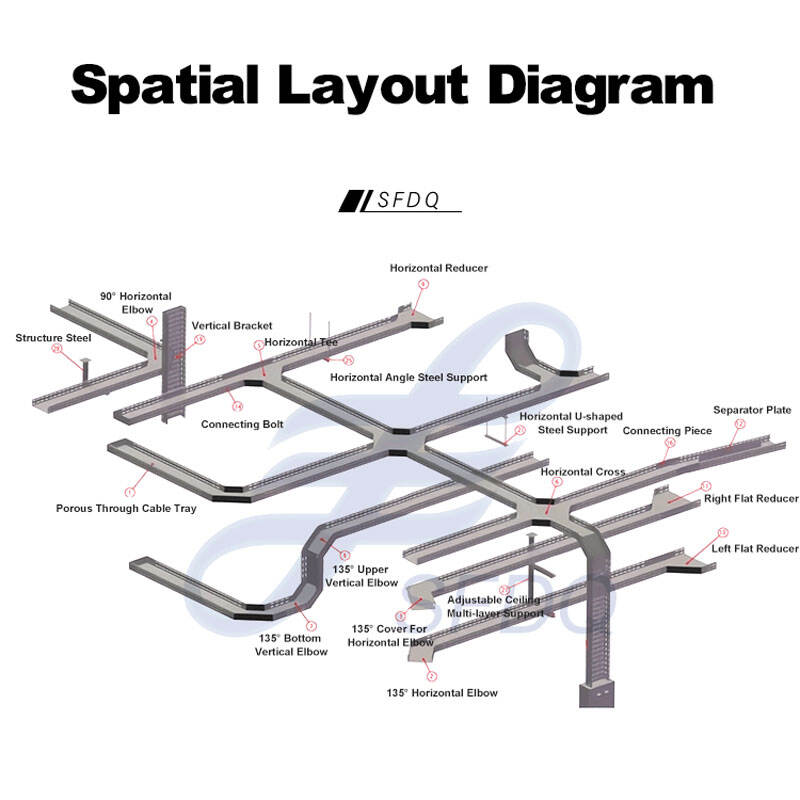
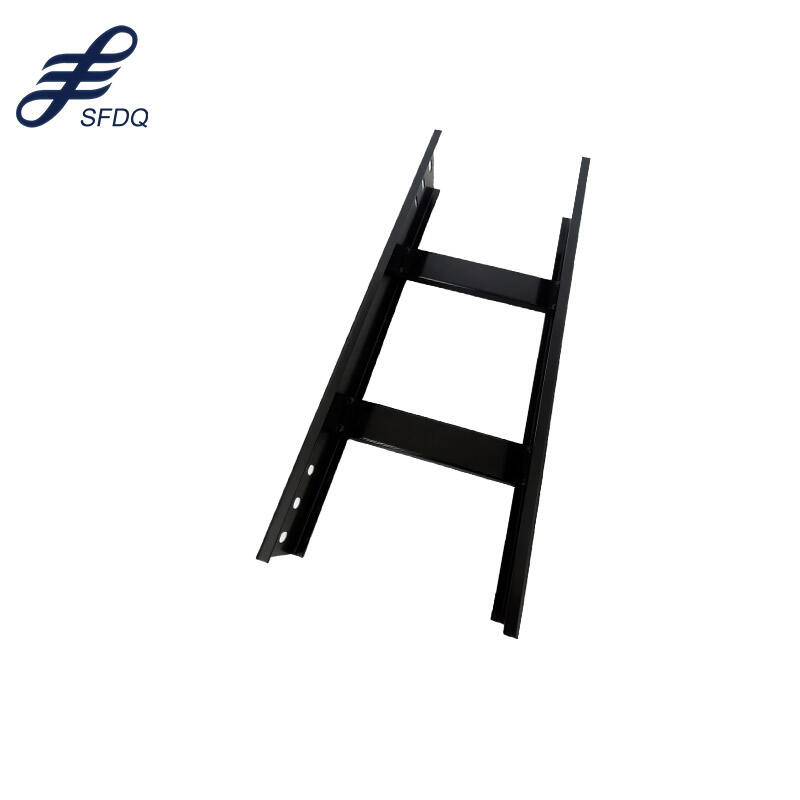
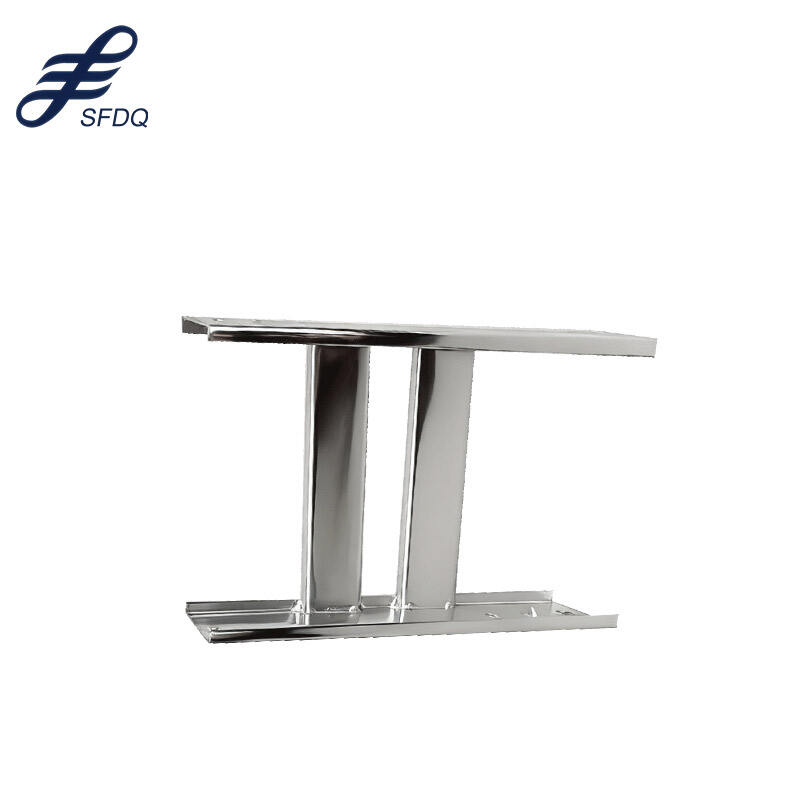
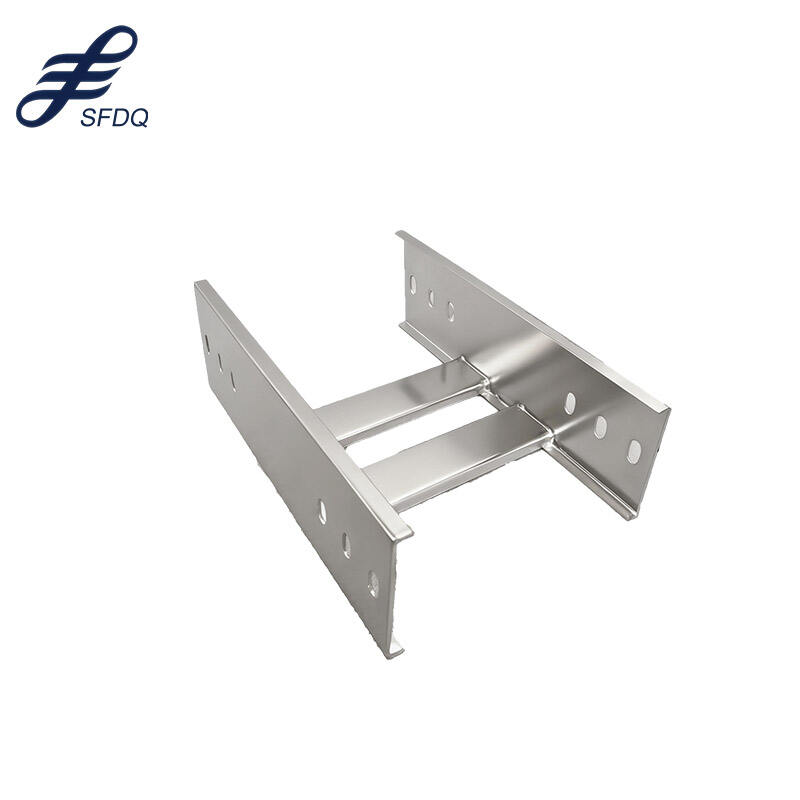
A cable ladder rack represents an essential infrastructure solution designed to organize, support, and protect electrical cables and wiring systems in commercial, industrial, and residential environments. This robust support system features a ladder-like construction with parallel side rails connected by evenly spaced rungs, creating a reliable pathway for cable management. The cable ladder rack serves multiple critical functions including providing structural support for heavy cable loads, facilitating easy installation and maintenance access, and ensuring proper cable organization to prevent tangling and damage. Modern cable ladder rack systems incorporate advanced engineering principles to deliver superior performance while maintaining cost-effectiveness. The technological features of these systems include corrosion-resistant materials such as galvanized steel, stainless steel, or aluminum alloy construction that ensures long-term durability in various environmental conditions. Many cable ladder rack designs feature adjustable width configurations, allowing customization to accommodate different cable bundle sizes and installation requirements. The open rung design promotes excellent ventilation, preventing heat buildup that could damage sensitive electrical components. Applications for cable ladder rack systems span across numerous industries including data centers, manufacturing facilities, power generation plants, telecommunications infrastructure, and building automation systems. In data centers, the cable ladder rack provides organized pathways for network cables, fiber optic lines, and power distribution cables. Manufacturing environments utilize these systems to route control cables, power feeds, and communication lines safely above production areas. The modular design of modern cable ladder rack systems allows for easy expansion and reconfiguration as facility needs evolve. Installation flexibility makes the cable ladder rack suitable for both new construction projects and retrofit applications in existing buildings.
 EN
EN