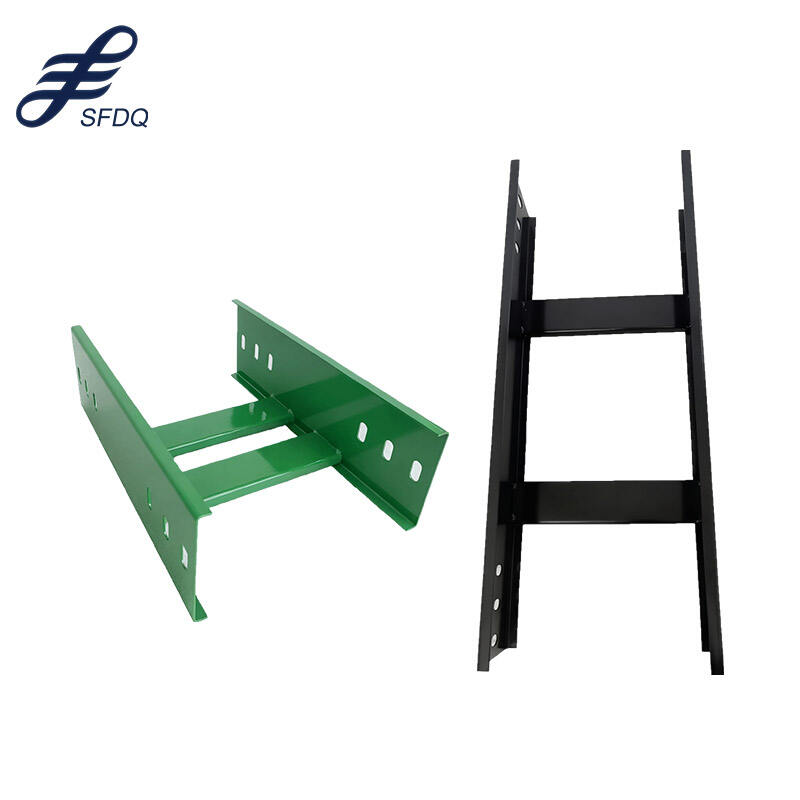
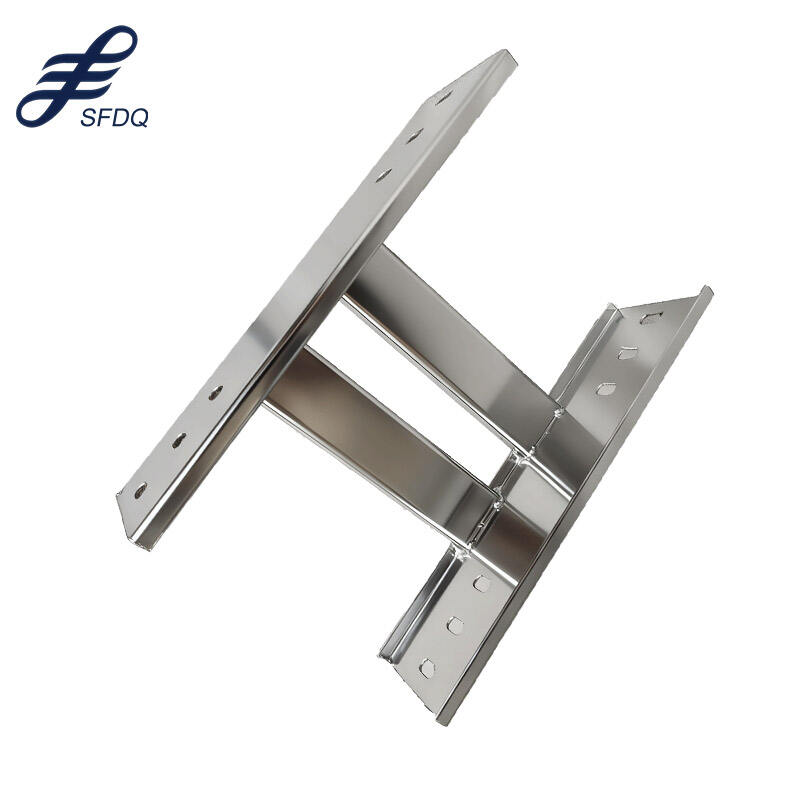
galvanised cable ladder
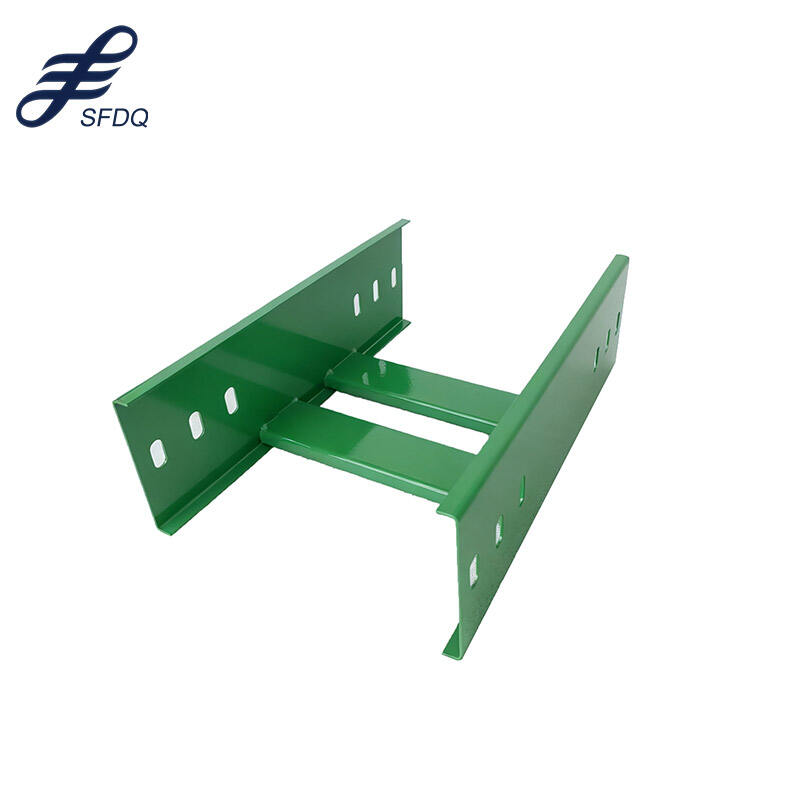
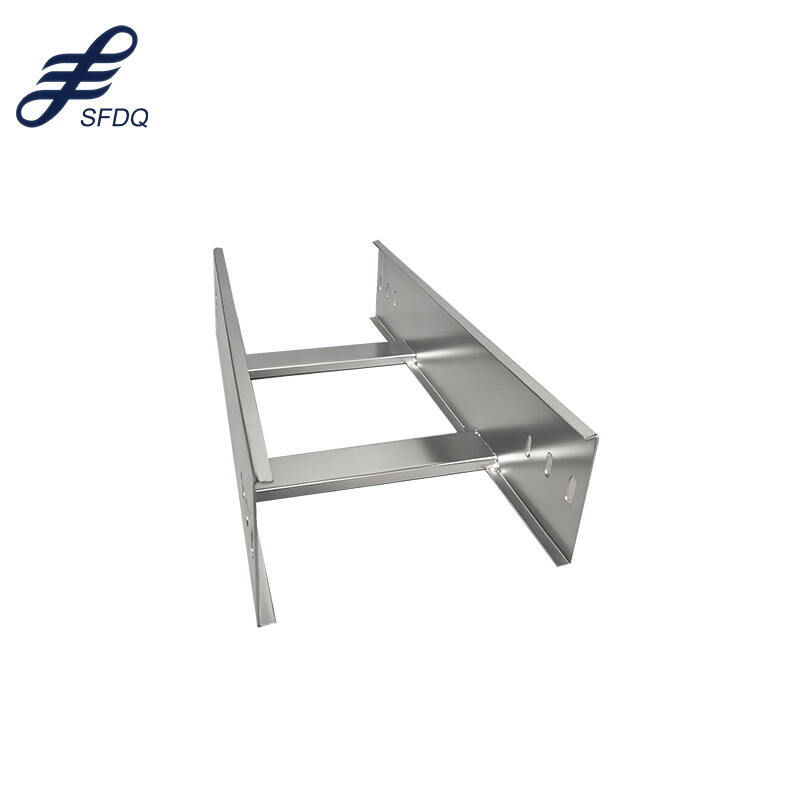
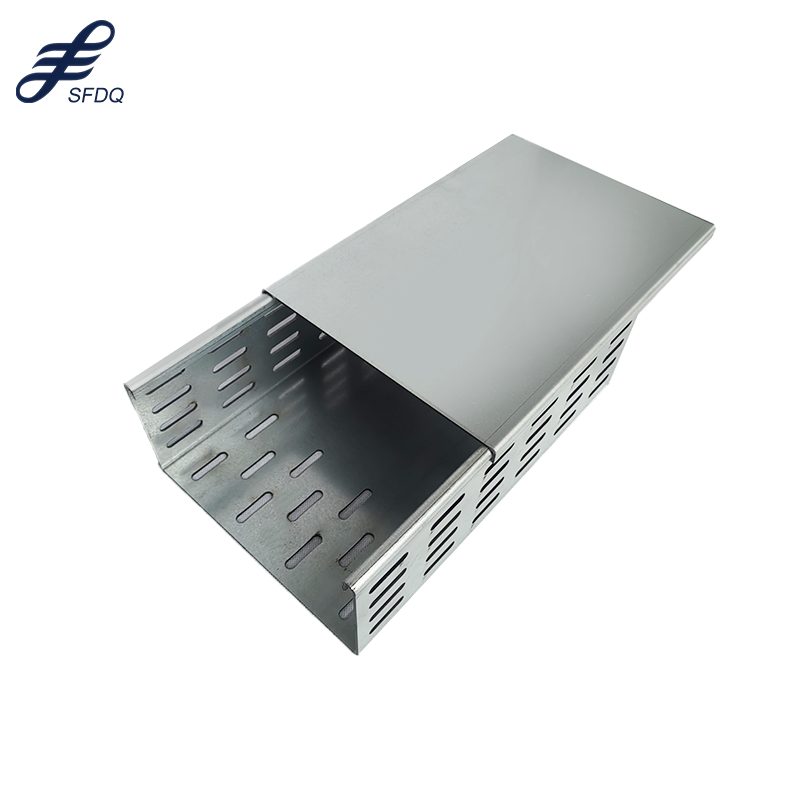
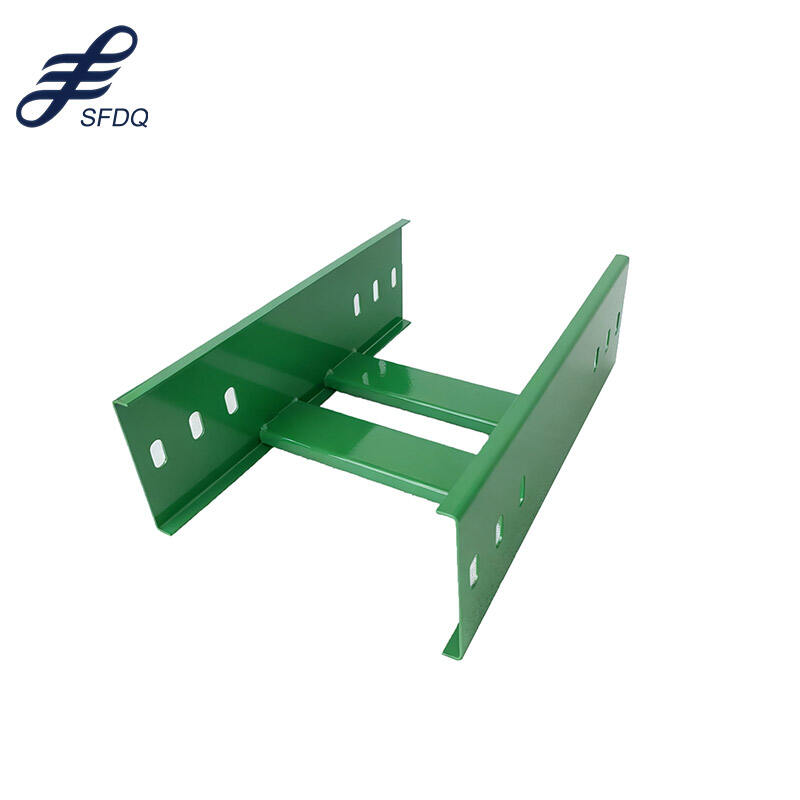
A galvanised cable ladder represents a sophisticated infrastructure solution designed to support and organize electrical cables in industrial, commercial, and residential environments. This robust system combines the structural integrity of steel construction with the corrosion-resistant properties of zinc coating, creating a durable platform for cable management applications. The galvanised cable ladder serves as a critical component in electrical installations, providing a secure pathway for power cables, data transmission lines, and communication systems throughout various building structures. The manufacturing process involves hot-dip galvanization, where steel components are immersed in molten zinc at temperatures exceeding 450 degrees Celsius. This process creates a metallurgical bond between the zinc and steel substrate, forming multiple protective layers that resist environmental degradation. The resulting galvanised cable ladder exhibits exceptional resistance to moisture, chemical exposure, and atmospheric corrosion, making it suitable for both indoor and outdoor installations. Modern galvanised cable ladder systems feature modular construction with standardized dimensions and connection methods. The ladder-style design incorporates parallel side rails connected by evenly spaced rungs, creating an open framework that facilitates cable installation, maintenance access, and heat dissipation. This configuration allows electrical contractors to route cables efficiently while maintaining proper separation distances and ventilation requirements specified by electrical codes. The galvanised cable ladder construction typically utilizes high-grade structural steel with specific material properties that ensure load-bearing capacity and dimensional stability. The zinc coating thickness varies according to application requirements, with heavier coatings applied for severe environmental conditions. Quality manufacturing standards govern the production process, ensuring consistent coating distribution, proper adhesion, and compliance with international specifications for electrical infrastructure components.
 EN
EN