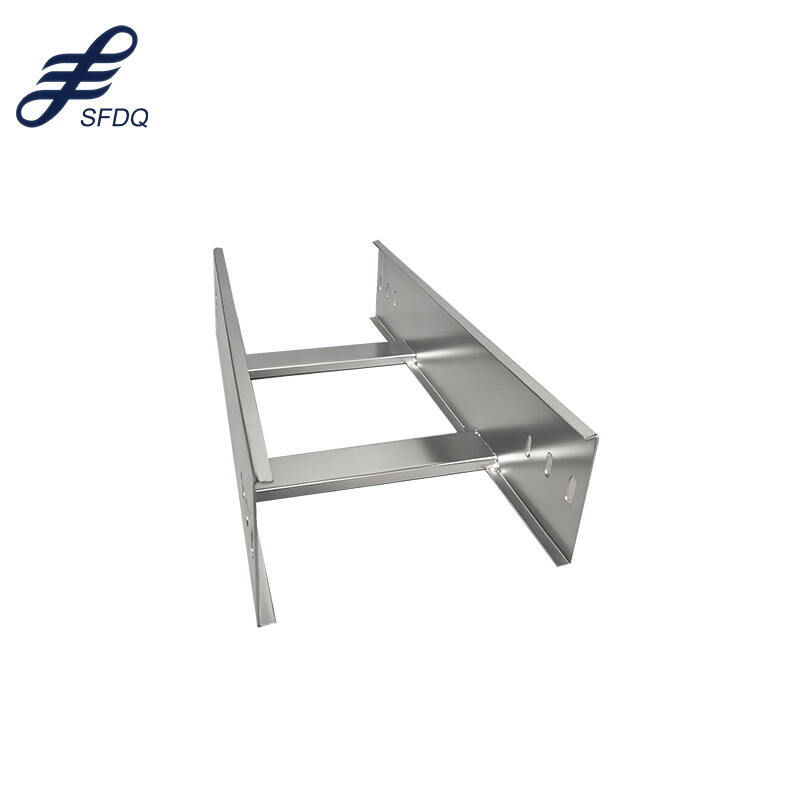
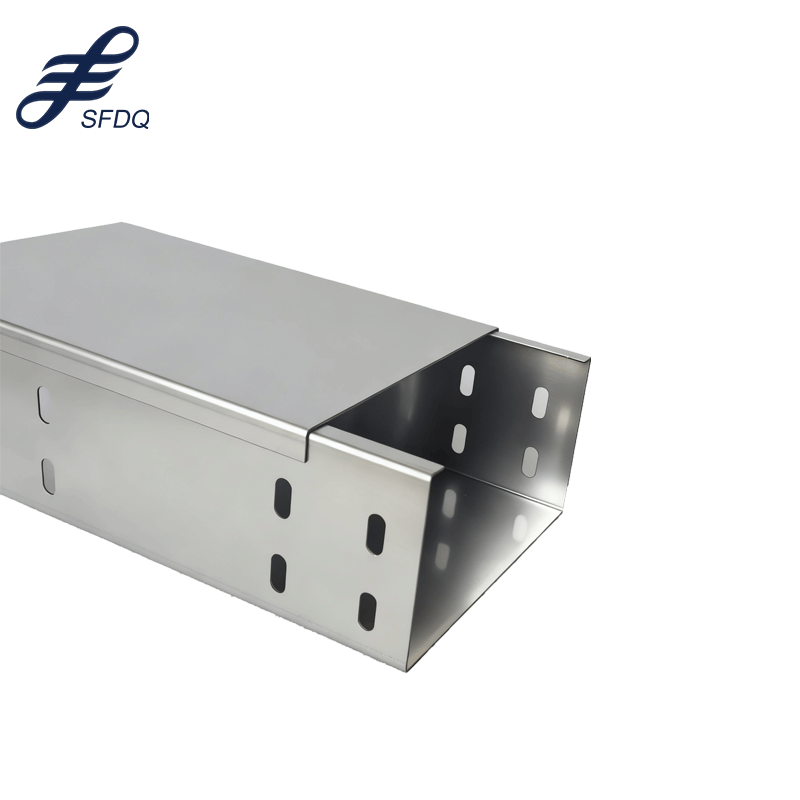
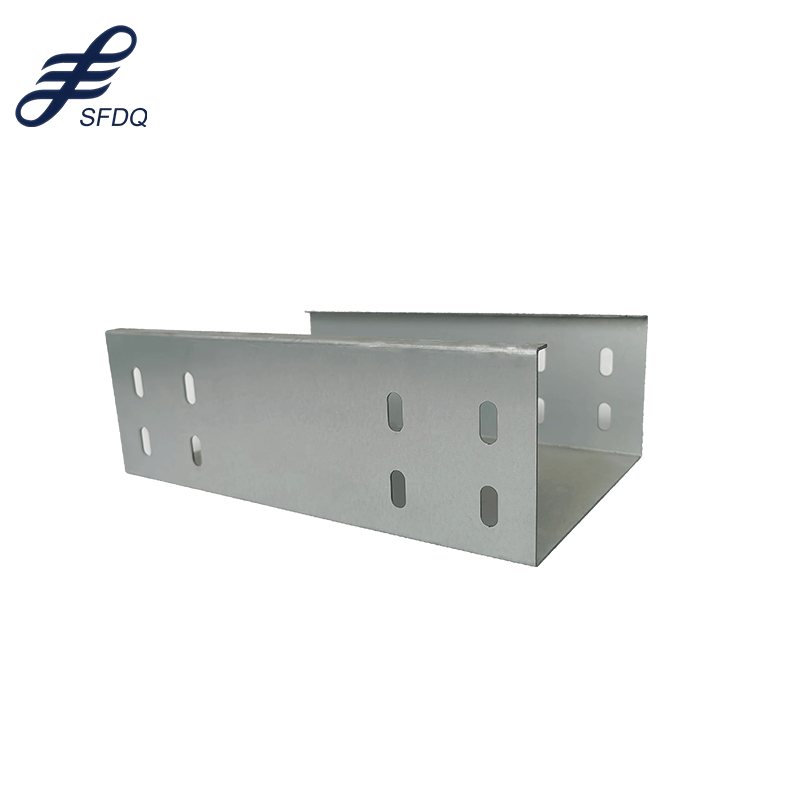
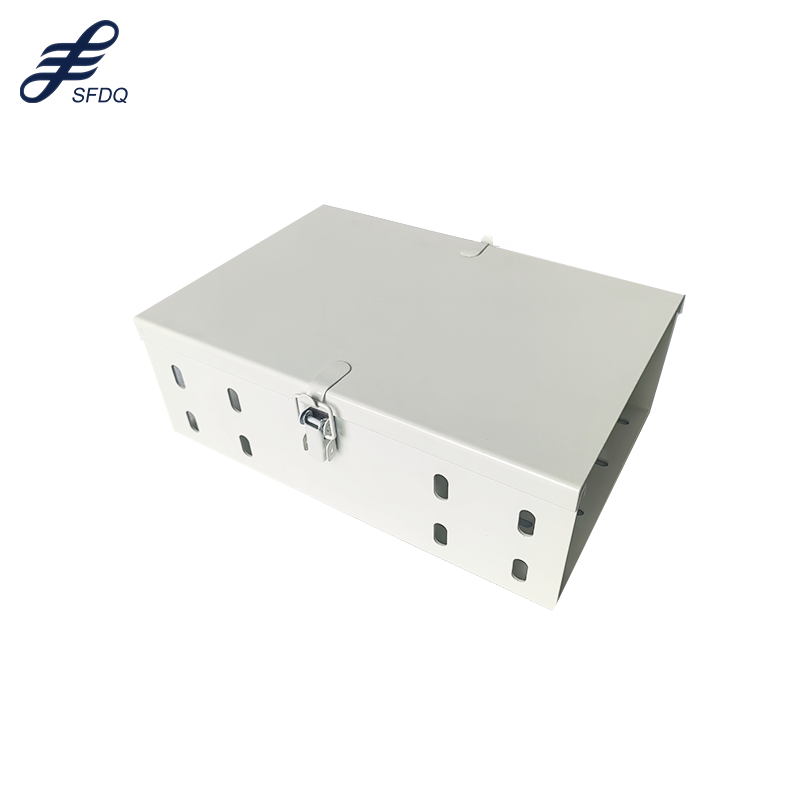
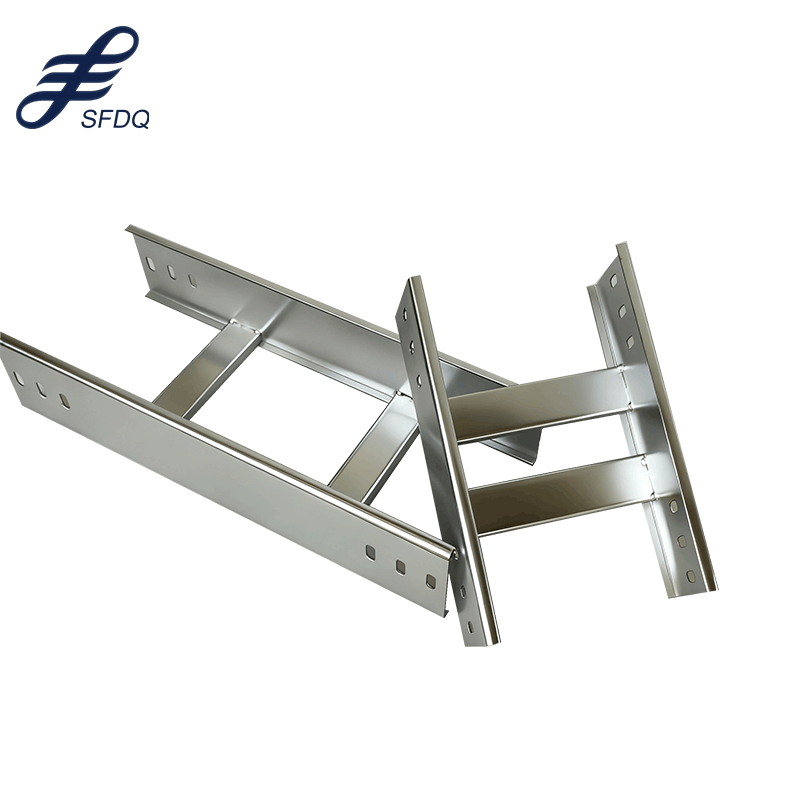
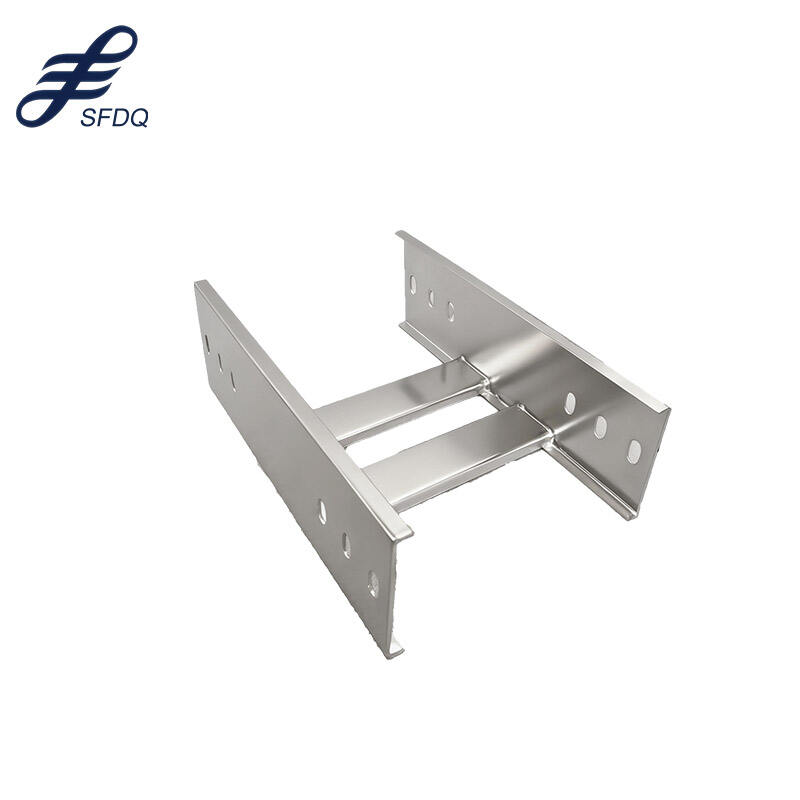
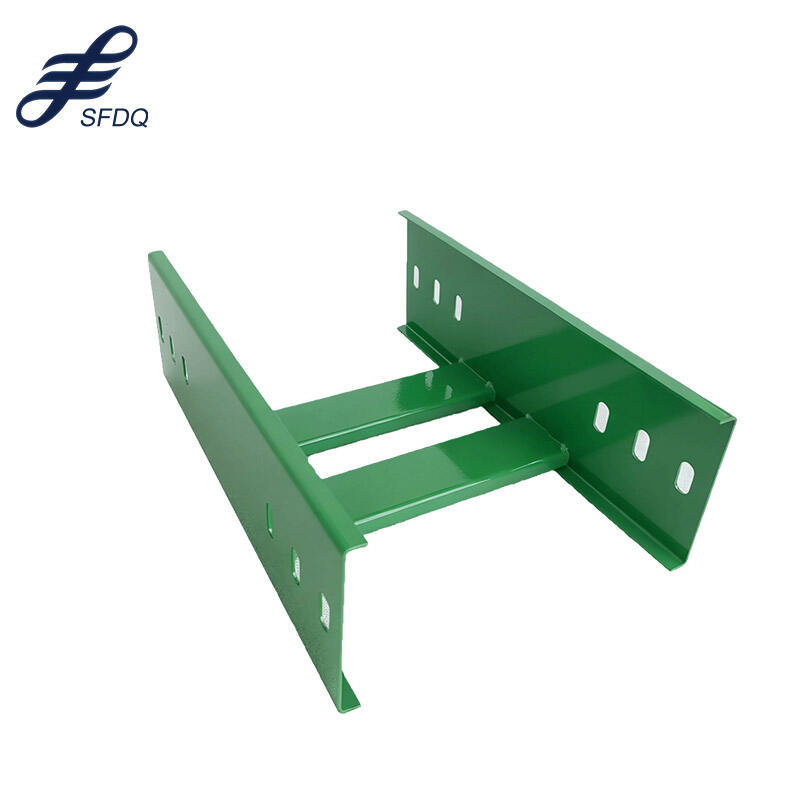
hot dipped galvanized cable ladder
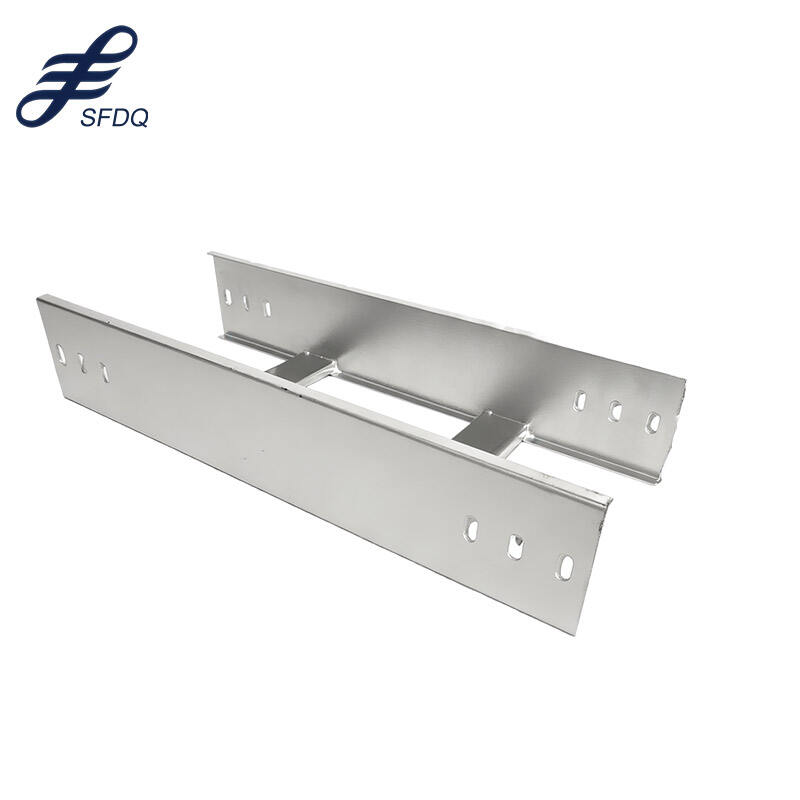
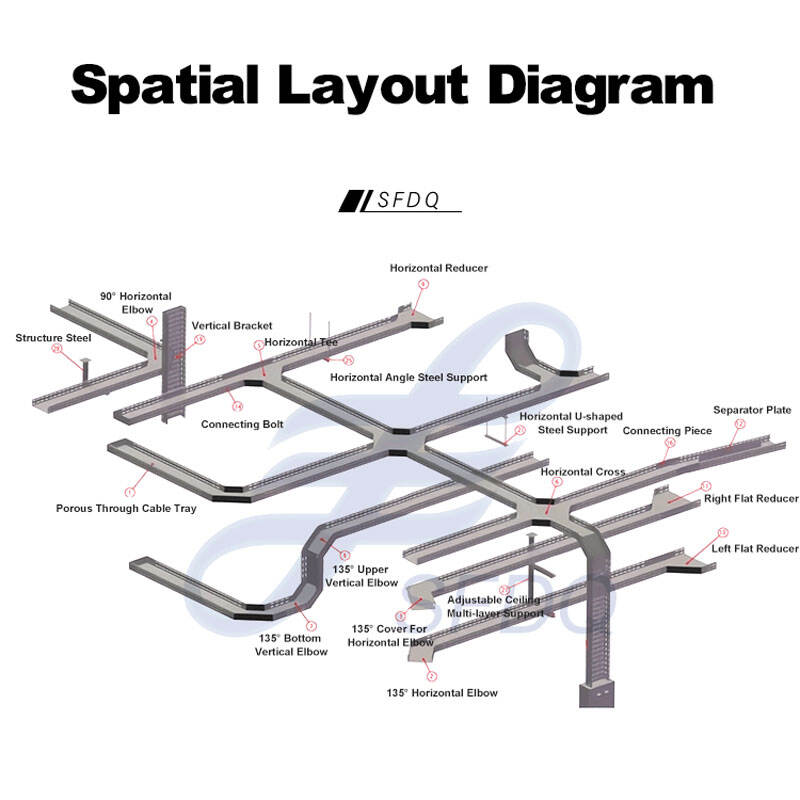
Hot dipped galvanized cable ladder represents a superior cable management solution designed to support and organize electrical cables in industrial and commercial environments. This robust infrastructure component combines the structural integrity of steel construction with the exceptional corrosion protection provided by hot dip galvanization processes. The hot dipped galvanized cable ladder serves as an essential element in electrical installations, providing reliable pathways for cable routing while ensuring long-term durability and performance. The manufacturing process involves immersing fabricated steel ladder structures in molten zinc at temperatures exceeding 840 degrees Fahrenheit, creating a metallurgical bond that forms multiple protective layers. This galvanization technique produces a thick, uniform zinc coating that adheres permanently to the steel substrate, delivering unmatched protection against environmental factors. The hot dipped galvanized cable ladder features side rails constructed from high-strength steel channels or angles, connected by equally spaced rungs that create secure mounting points for cable supports. These ladder systems accommodate various cable types including power distribution cables, control wiring, telecommunications infrastructure, and fiber optic networks. Installation versatility allows the hot dipped galvanized cable ladder to function in diverse environments ranging from manufacturing facilities and power plants to data centers and commercial buildings. The open ladder design facilitates excellent ventilation around cables, preventing heat buildup that could compromise electrical performance or create safety hazards. Maintenance requirements remain minimal due to the protective zinc coating, which continues providing corrosion resistance even when subjected to mechanical damage through self-healing properties. Standard configurations include straight sections, bends, tees, crosses, and reducers, enabling complex routing designs that adapt to specific architectural requirements. The hot dipped galvanized cable ladder supports substantial cable loads while maintaining structural stability, making it an indispensable component for modern electrical distribution systems requiring reliable, long-lasting cable management solutions.
 EN
EN