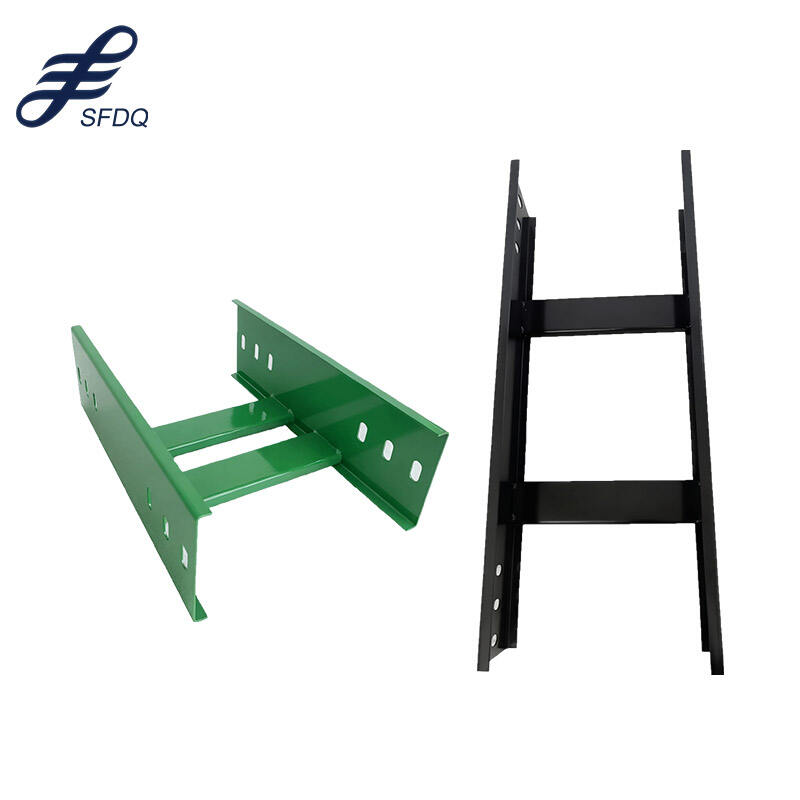
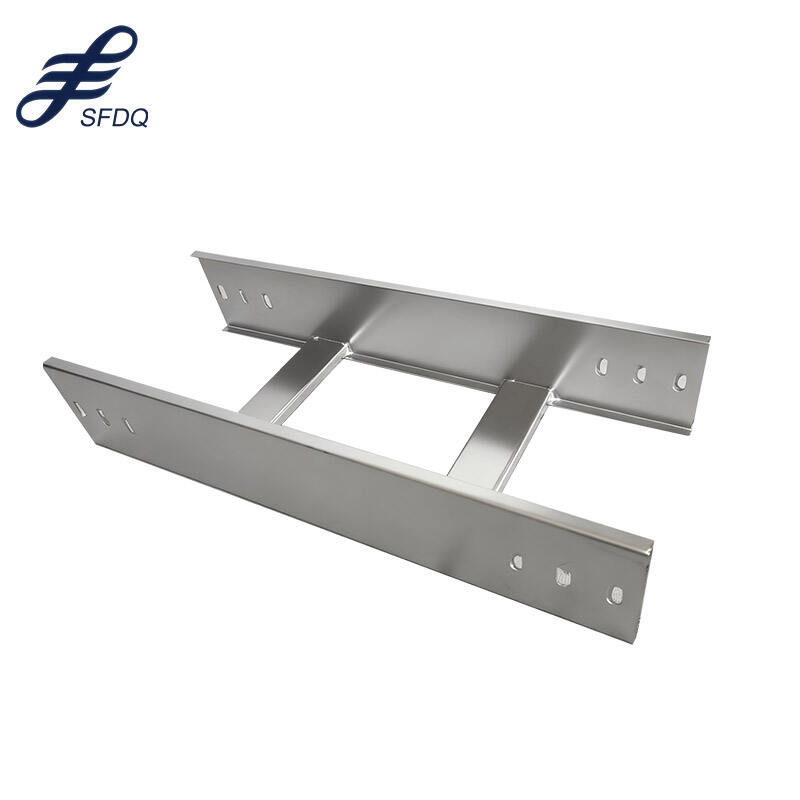
cover cable tray
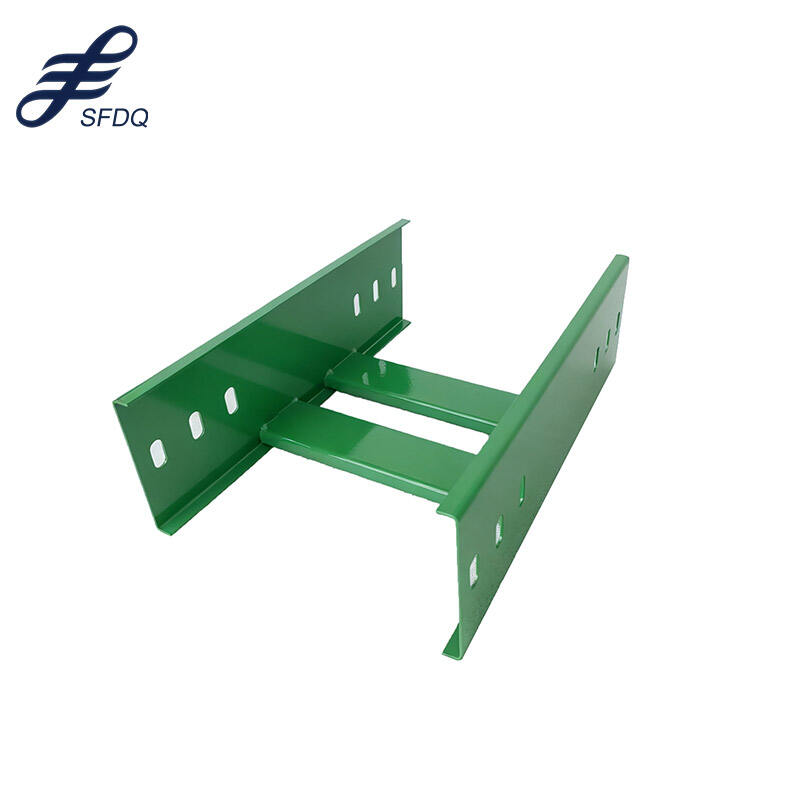
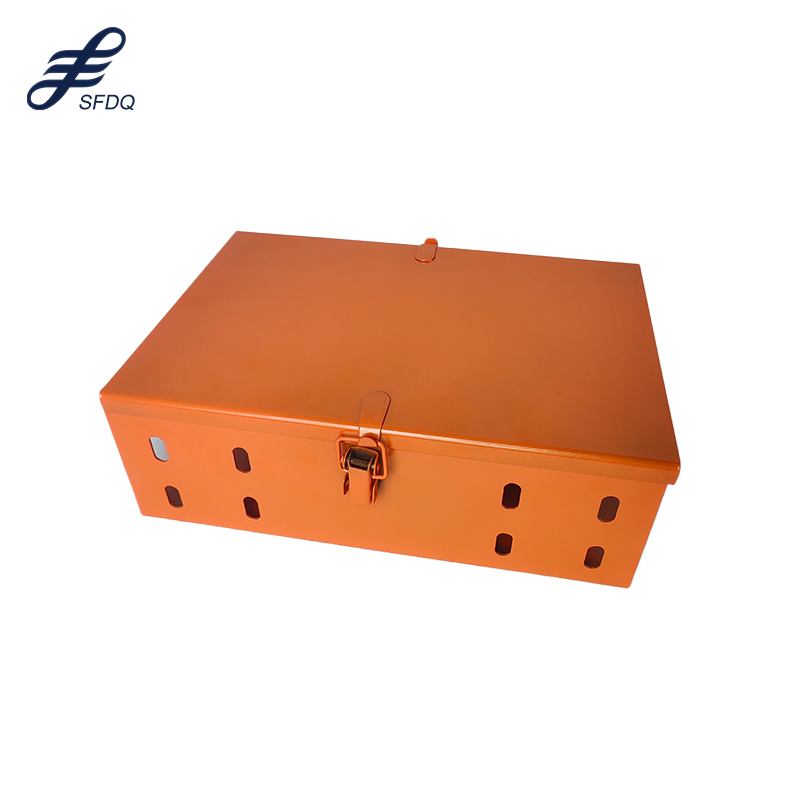
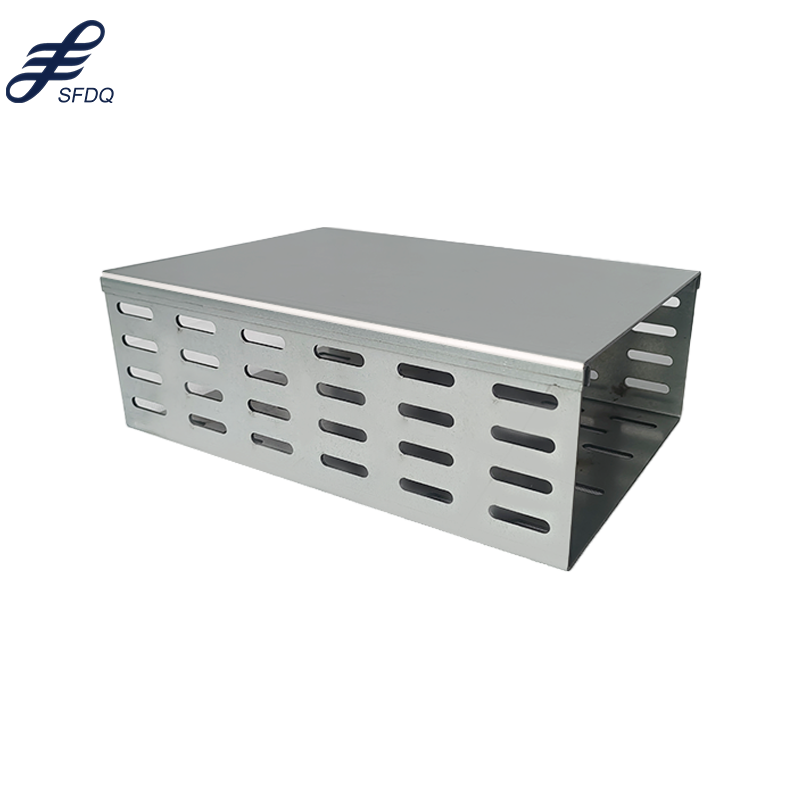
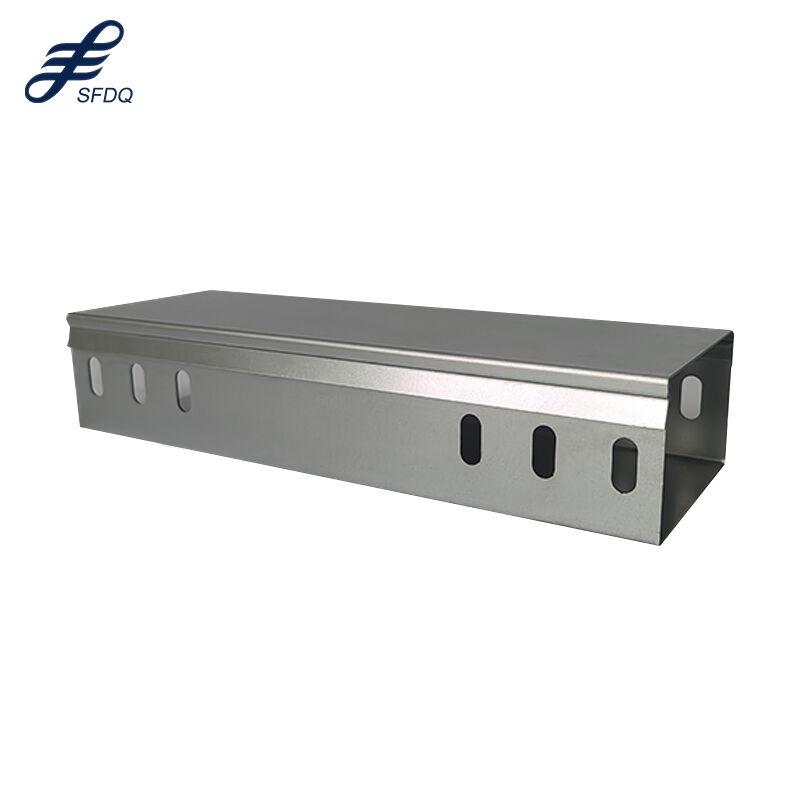
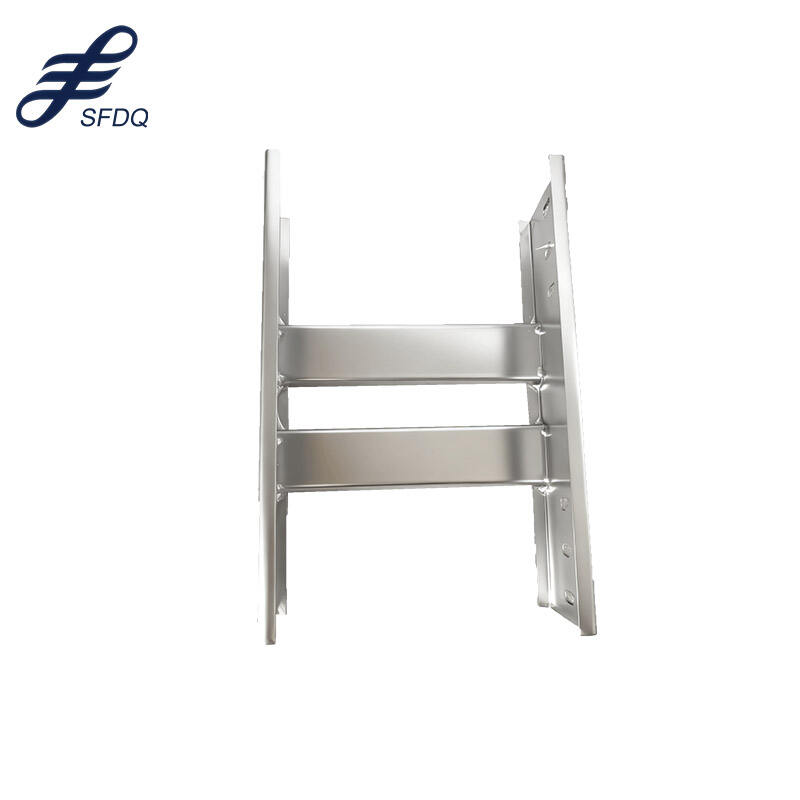
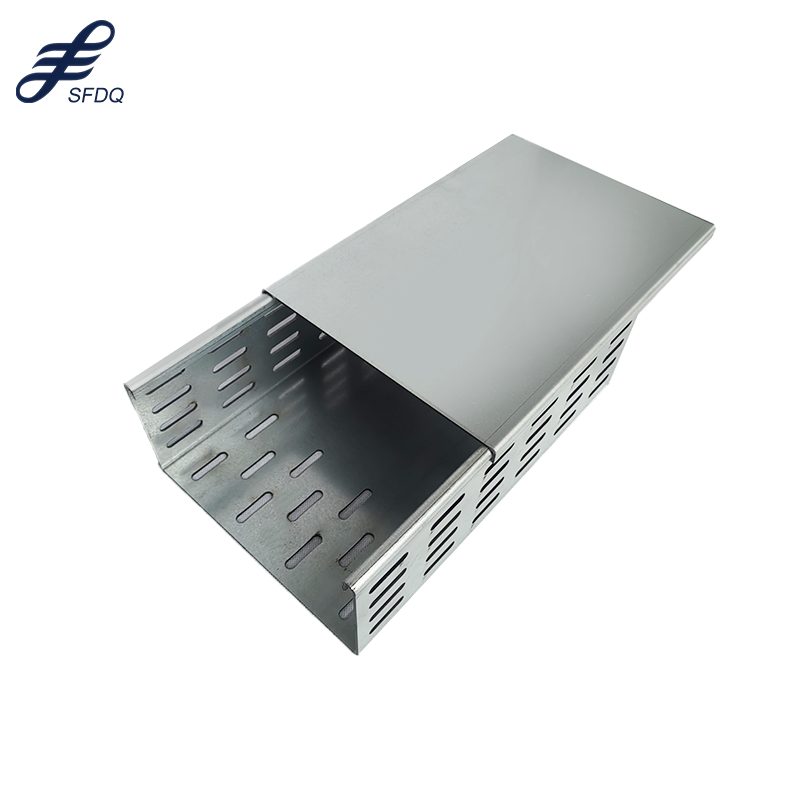
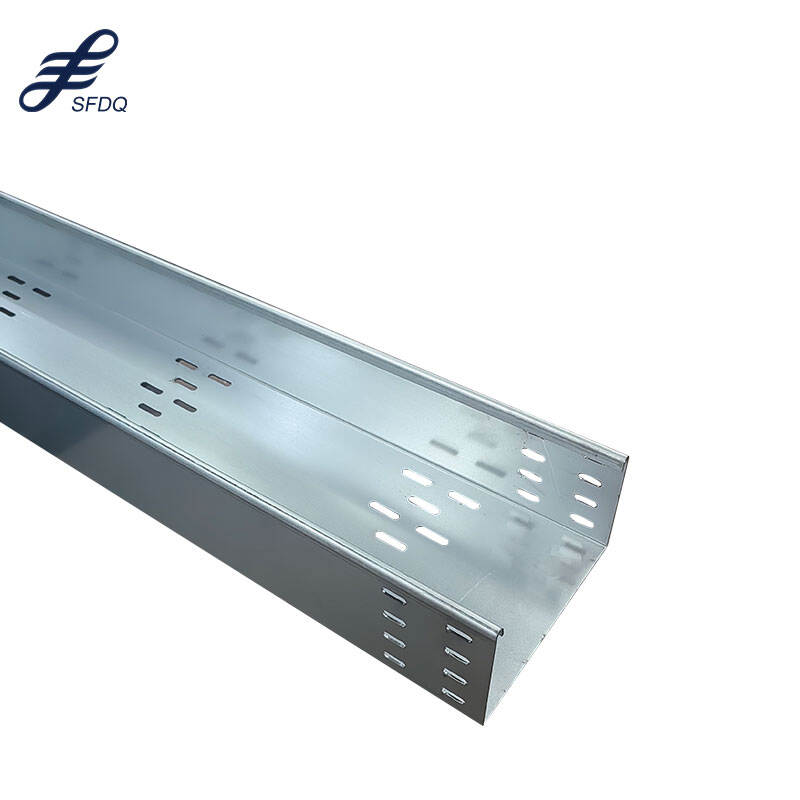
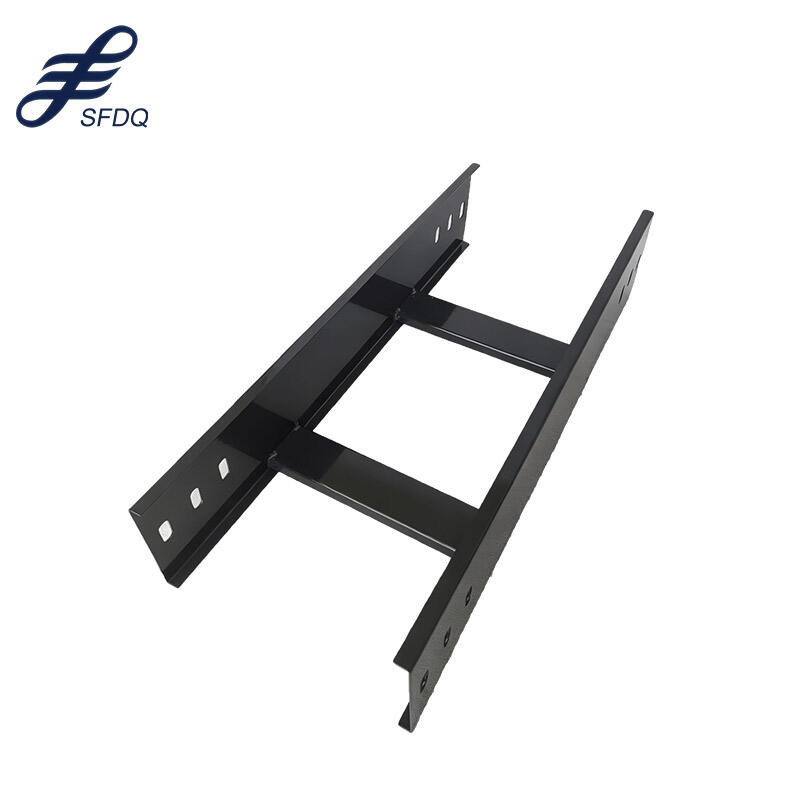
A cover cable tray represents a sophisticated electrical infrastructure solution designed to protect, organize, and route electrical cables in commercial, industrial, and residential environments. This essential component features a closed-top design that distinguishes it from traditional open cable trays, providing enhanced protection against environmental factors, debris, and accidental contact. The cover cable tray system consists of a sturdy base tray manufactured from high-grade materials such as galvanized steel, aluminum, or stainless steel, topped with a removable or hinged cover that creates a secure enclosure for electrical wiring. The primary function of a cover cable tray extends beyond simple cable management, offering comprehensive protection against dust, moisture, chemical exposure, and physical damage that could compromise electrical system integrity. These systems incorporate advanced engineering principles to ensure optimal cable ventilation while maintaining protective barriers, preventing overheating issues commonly associated with enclosed wiring systems. The technological features of cover cable trays include precision-engineered mounting brackets, adjustable support systems, and modular connection components that facilitate seamless installation across diverse architectural configurations. Modern cover cable tray designs incorporate innovative materials that resist corrosion, provide electromagnetic interference shielding, and maintain structural integrity under varying load conditions. The modular nature of these systems allows for easy expansion, modification, and maintenance access through removable cover sections. Applications for cover cable tray systems span multiple industries, including manufacturing facilities, data centers, healthcare institutions, educational campuses, and commercial office buildings. These installations prove particularly valuable in environments requiring strict safety compliance, such as food processing plants, pharmaceutical facilities, and hazardous material storage areas. The cover cable tray effectively addresses modern electrical infrastructure challenges by combining robust protection capabilities with flexible installation options, making it an indispensable component for contemporary electrical distribution systems.
 EN
EN