trough type cable tray
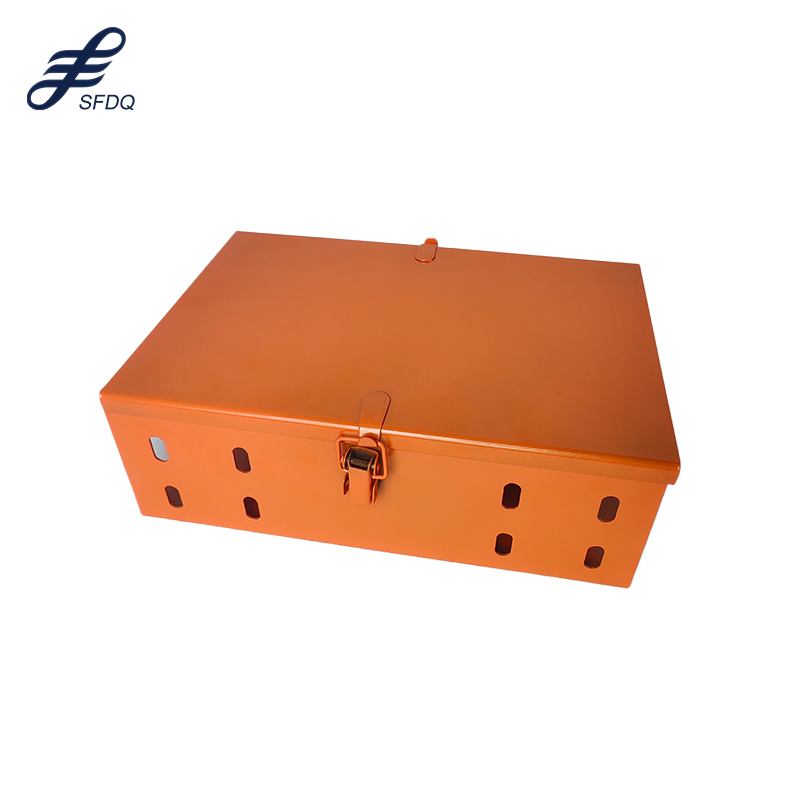
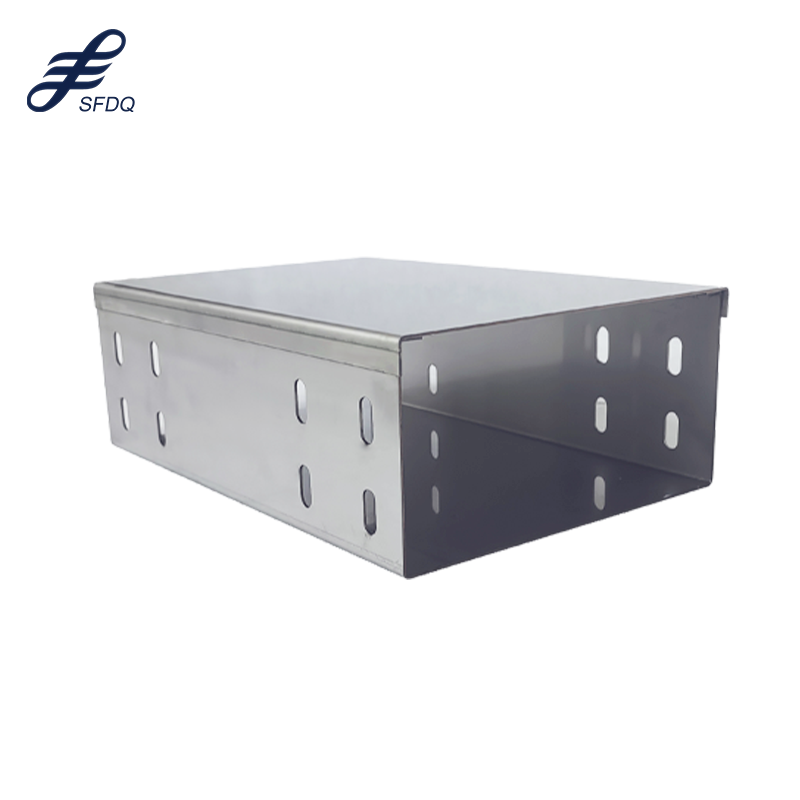
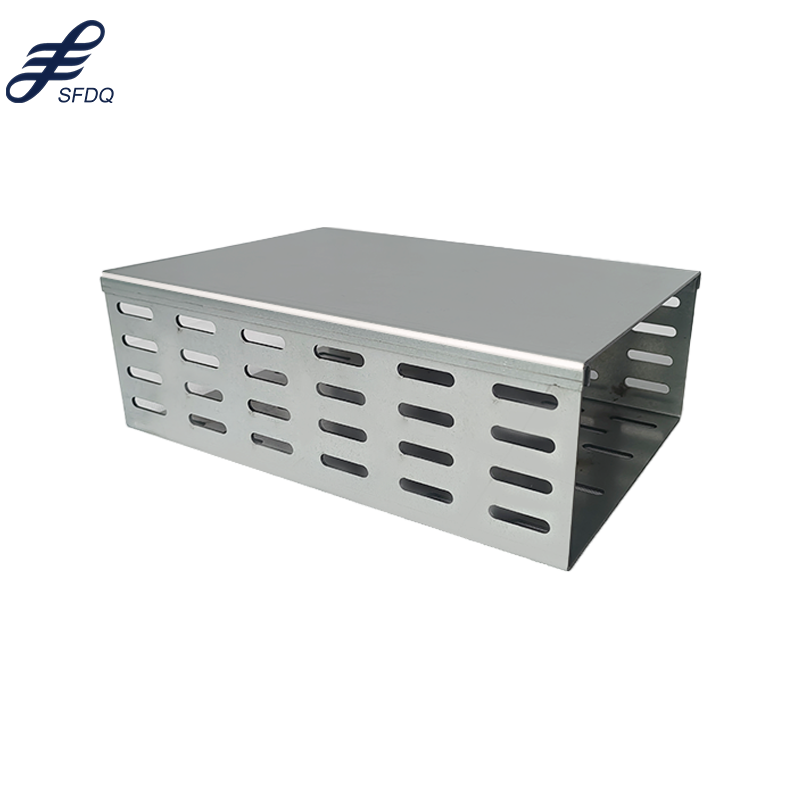
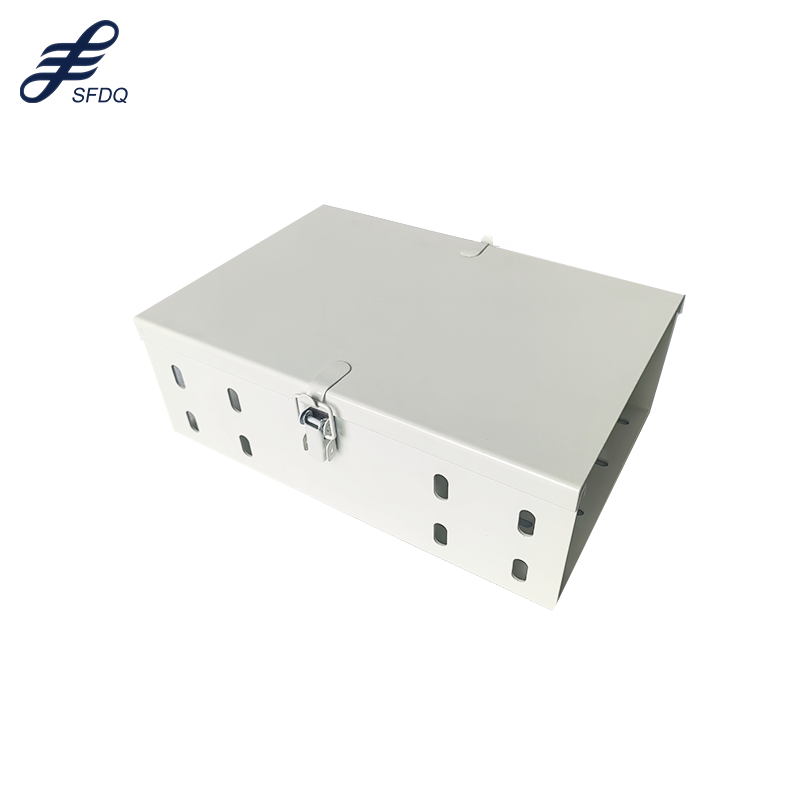
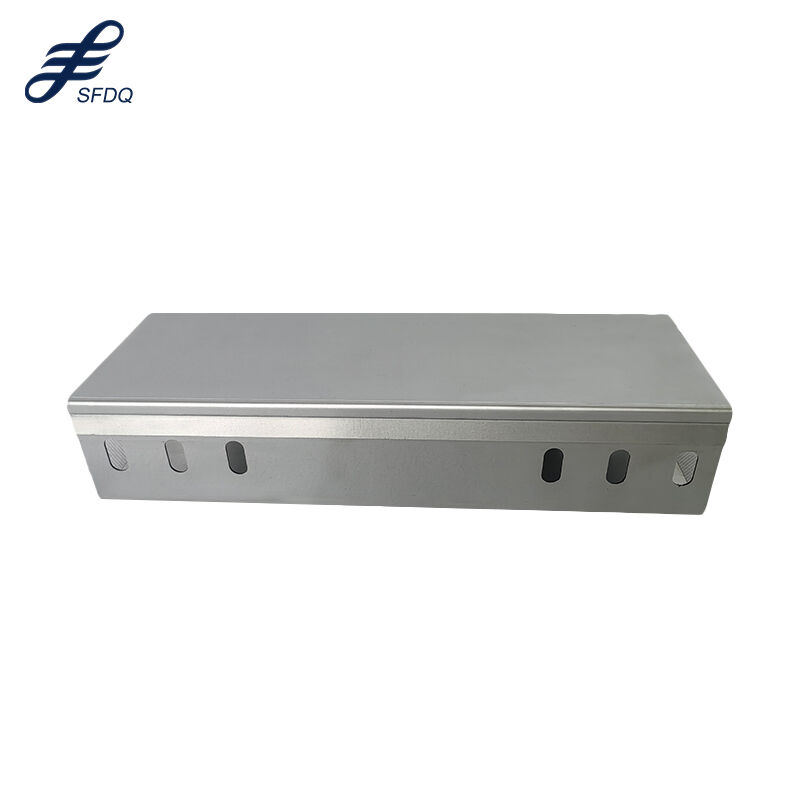
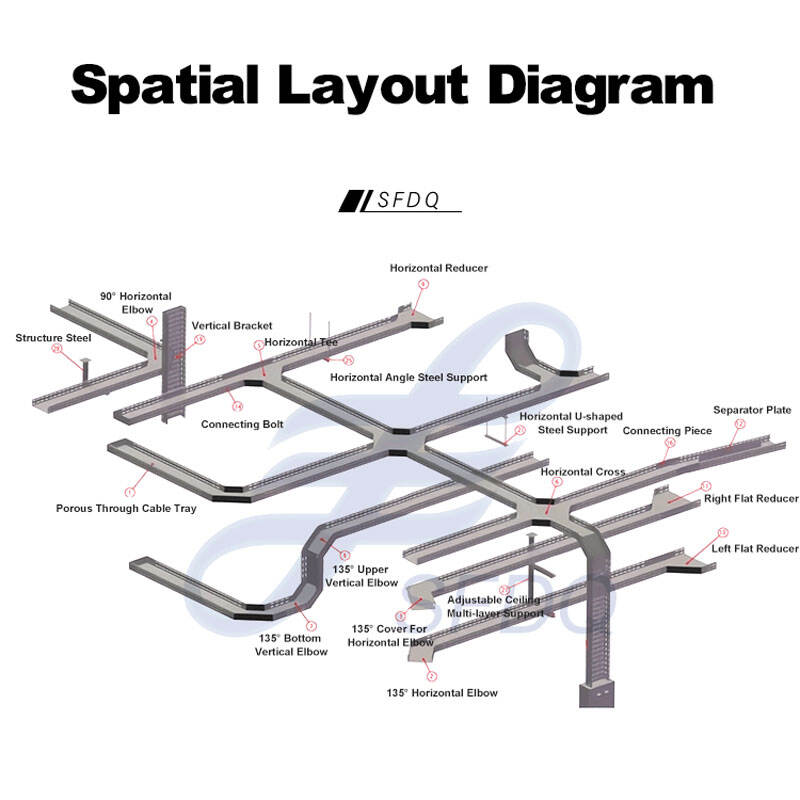
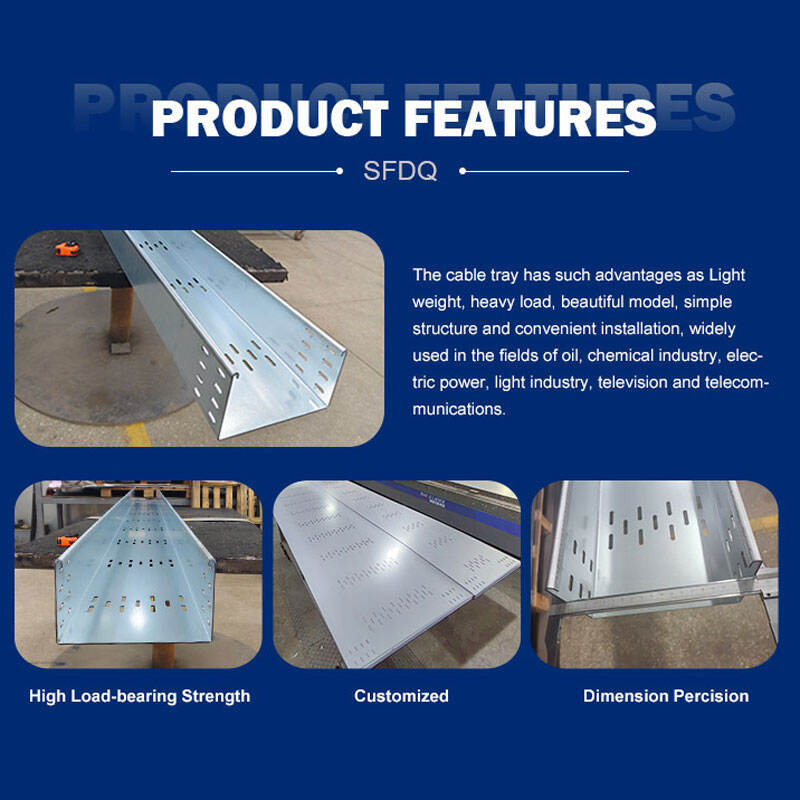
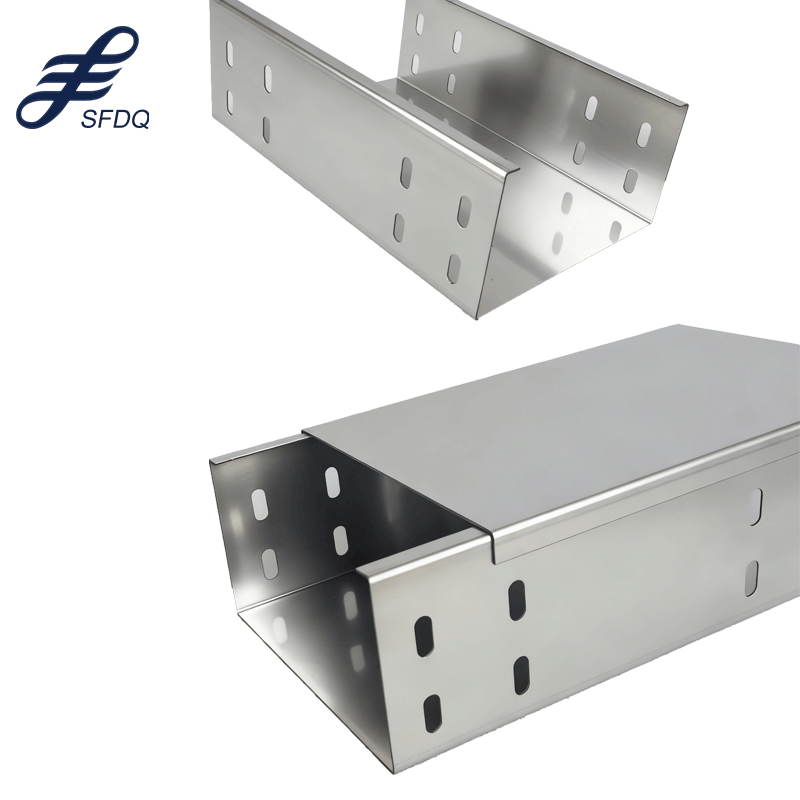
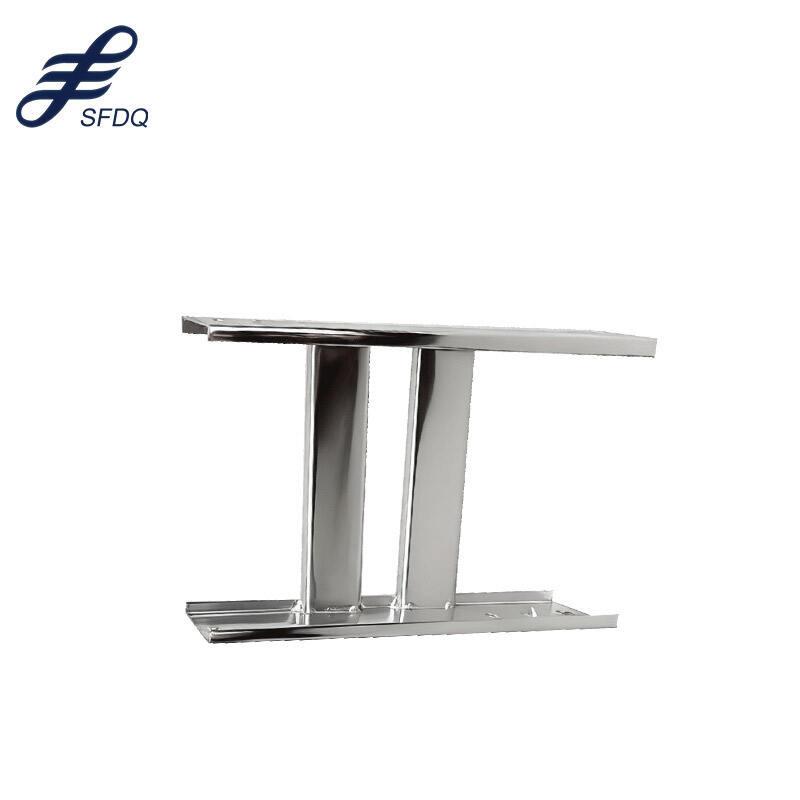
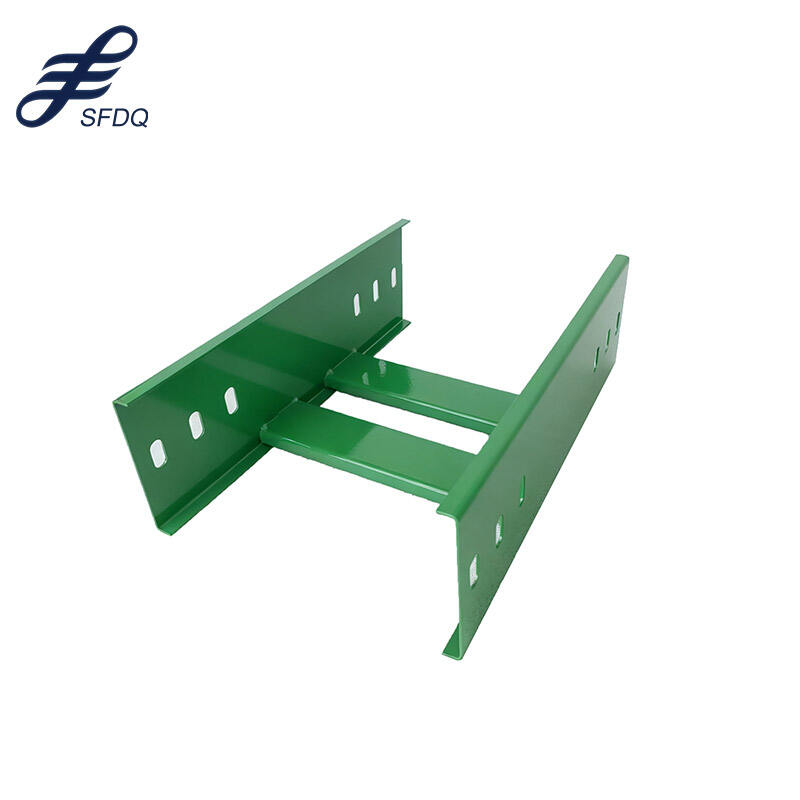
The trough type cable tray stands as a fundamental component in modern electrical infrastructure systems, designed to provide comprehensive support and organization for electrical cables across diverse industrial and commercial environments. This specialized cable management solution features a distinctive U-shaped profile that creates a protective channel for routing power, control, and communication cables throughout buildings and facilities. The trough type cable tray construction incorporates robust materials, typically manufactured from galvanized steel, stainless steel, or aluminum alloys, ensuring exceptional durability and resistance to environmental factors. The main functions of this cable management system encompass secure cable containment, systematic organization of electrical pathways, and facilitation of maintenance access for technicians and engineers. Technological features include precision-engineered side rails that maintain structural integrity while supporting substantial cable loads, ventilated bottom sections that promote air circulation and heat dissipation, and modular design elements that enable flexible installation configurations. The trough type cable tray accommodates various cable types simultaneously, from heavy-duty power cables to delicate fiber optic networks, making it an versatile solution for complex electrical installations. Applications span across manufacturing facilities, data centers, commercial buildings, healthcare institutions, educational facilities, and industrial plants where organized cable management is essential for operational efficiency and safety compliance. The system integrates seamlessly with existing electrical infrastructure, supporting both new construction projects and retrofit installations. Advanced engineering ensures the trough type cable tray maintains optimal cable bend radius requirements, preventing signal degradation and extending cable lifespan. Modern variants incorporate innovative features such as removable covers, integrated grounding systems, and compatibility with automated installation equipment, streamlining deployment processes while maintaining superior performance standards.
 EN
EN