electric wire trunking
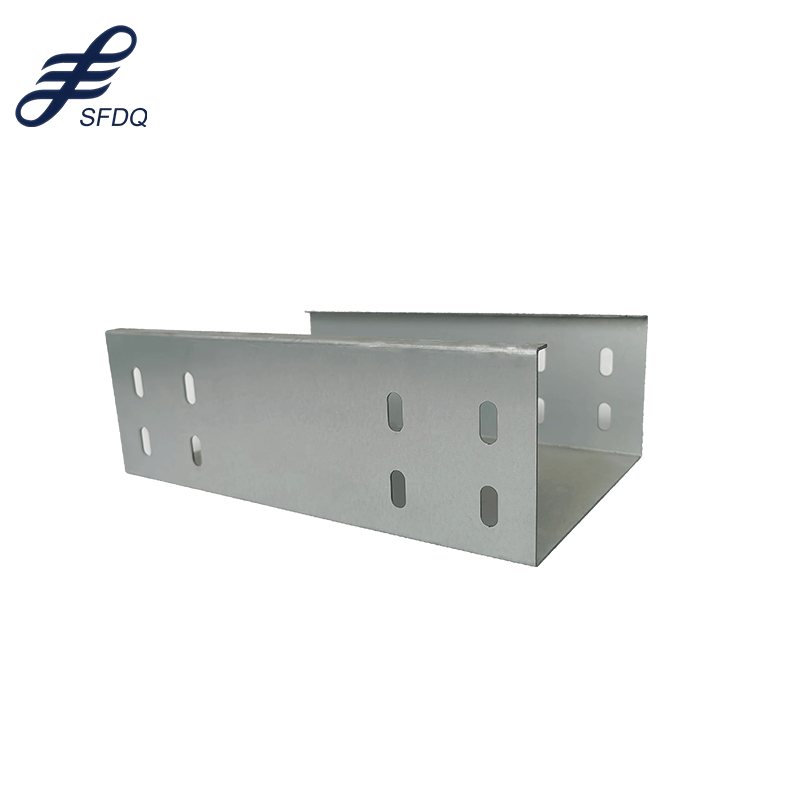
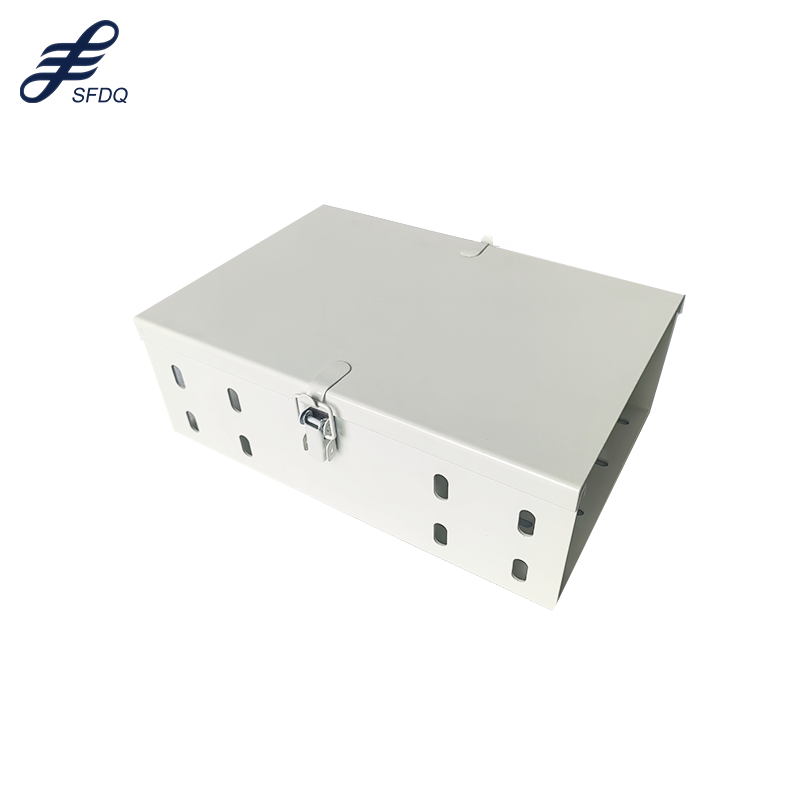
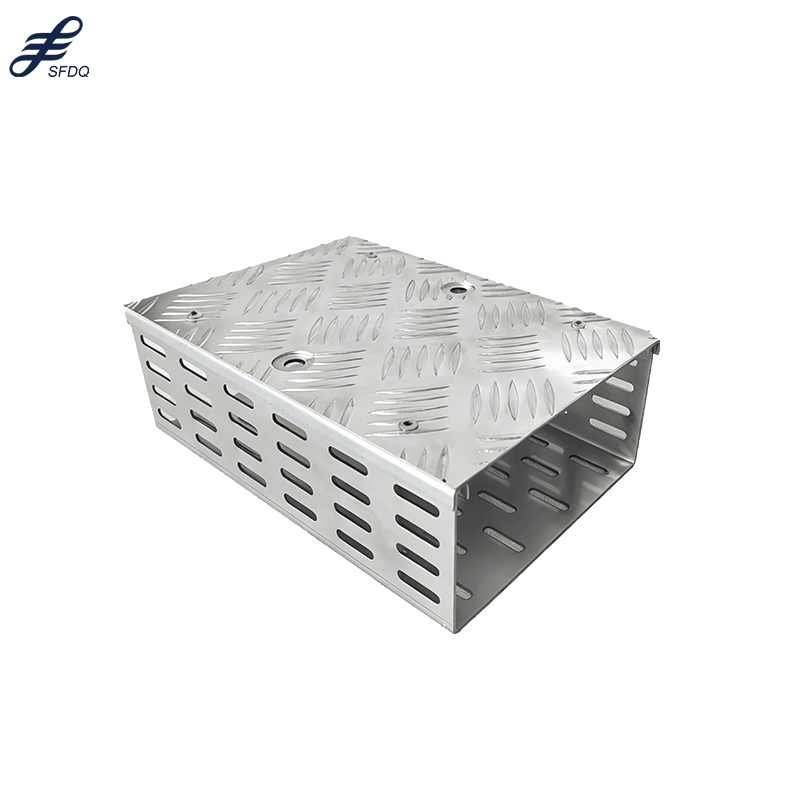
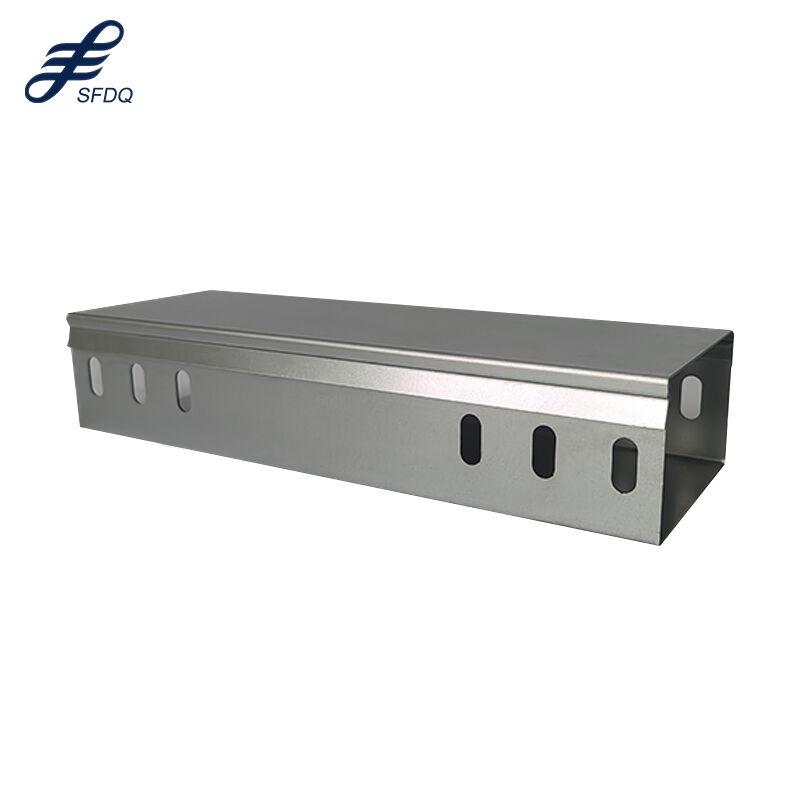
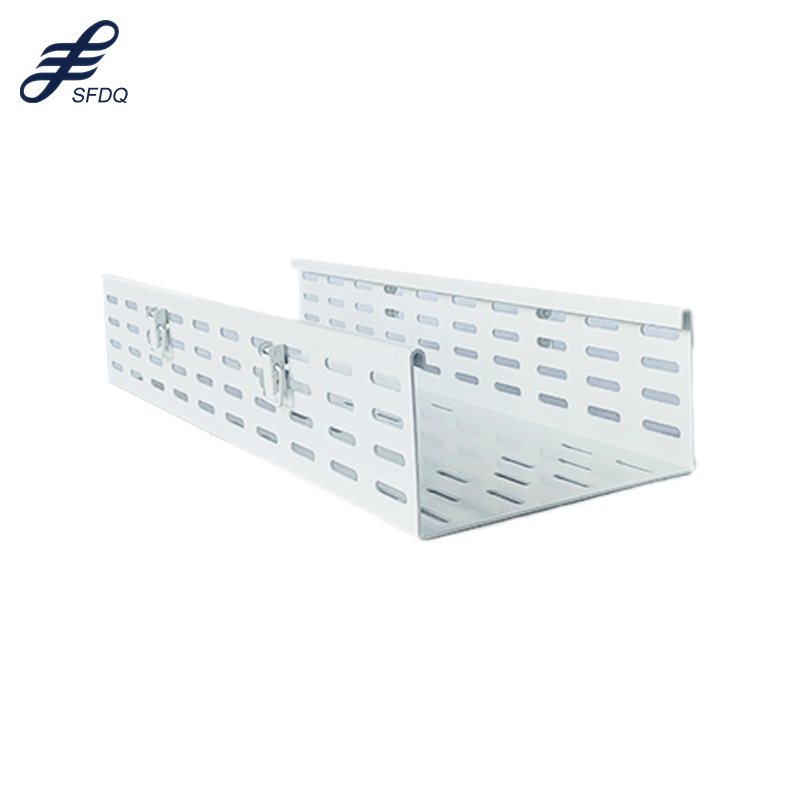
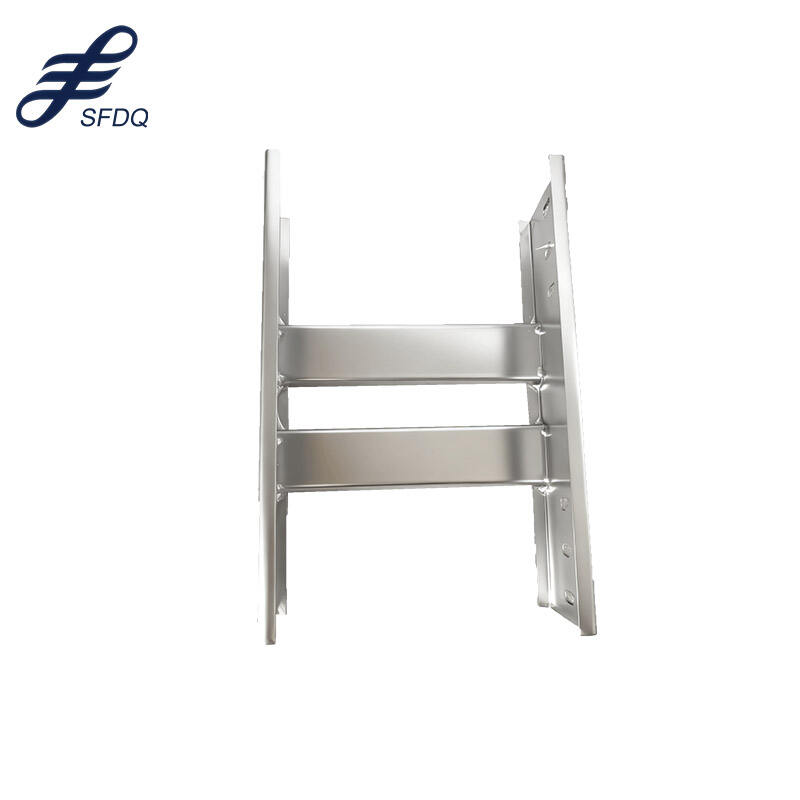
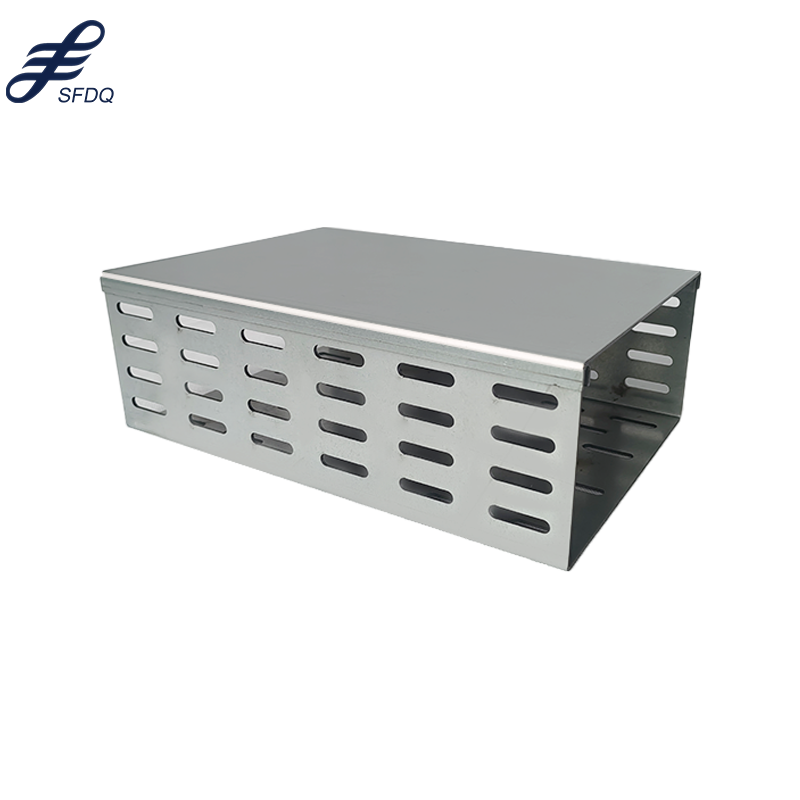
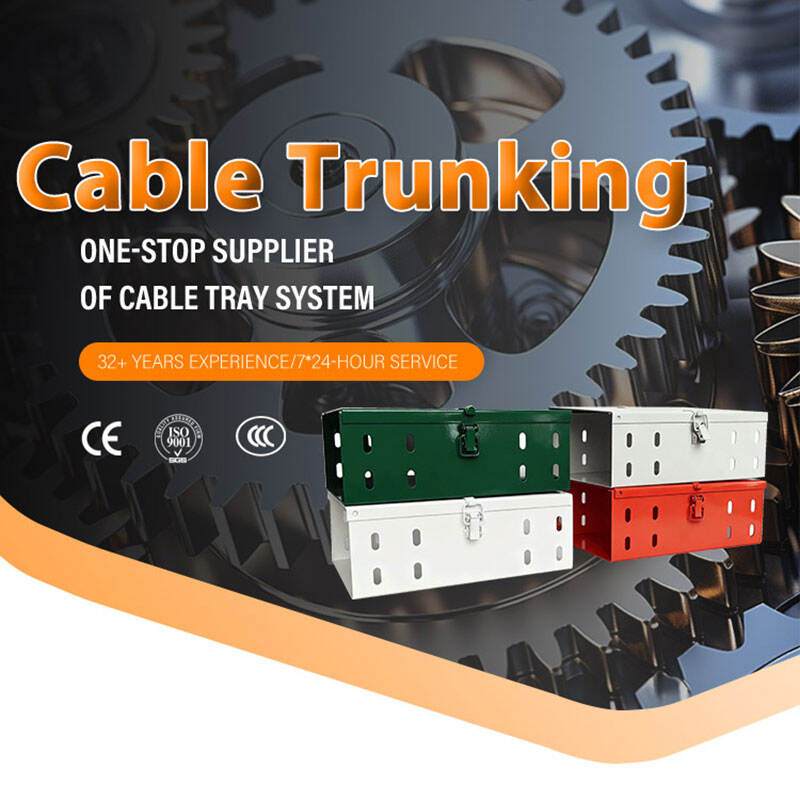
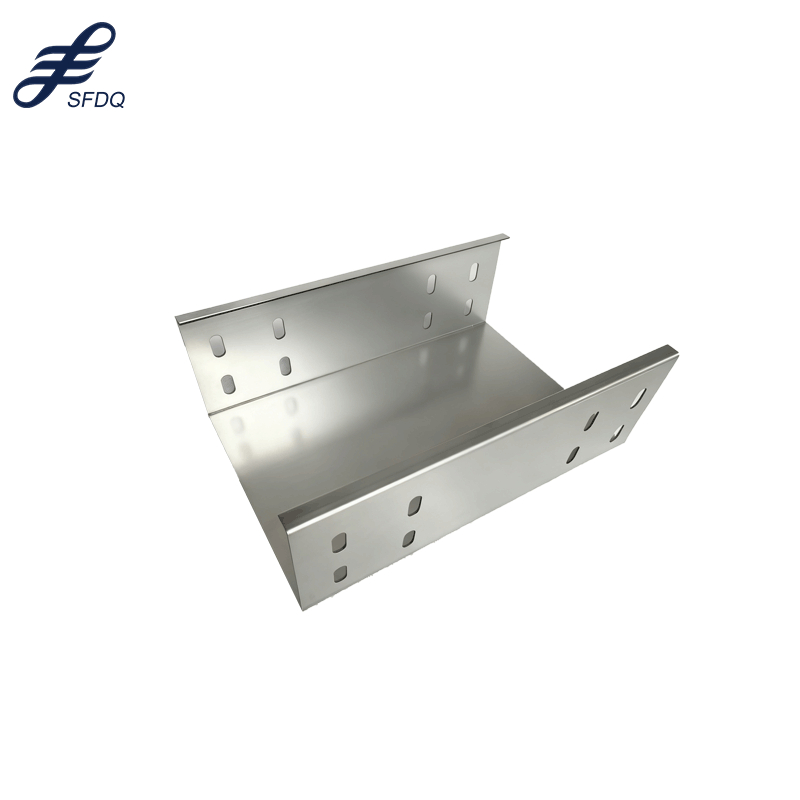
Electric wire trunking represents a revolutionary cable management system designed to organize, protect, and route electrical wiring throughout residential, commercial, and industrial environments. This innovative solution consists of enclosed channels or ducts that house electrical cables, providing a clean, professional appearance while ensuring optimal safety standards. Modern electric wire trunking systems feature modular designs that accommodate various cable types, including power cables, data cables, and communication wiring within a single organized framework. The primary function of electric wire trunking involves creating dedicated pathways for electrical installations, eliminating the chaos of loose cables and reducing potential hazards associated with exposed wiring. These systems incorporate advanced materials such as PVC, aluminum, or steel construction, offering exceptional durability and resistance to environmental factors. Electric wire trunking solutions provide excellent accessibility features, allowing technicians to easily add, remove, or modify cables without disrupting existing installations. The technological features include snap-fit covers, removable sections, and flexible joint connections that simplify installation procedures while maintaining secure cable containment. Fire-resistant properties ensure compliance with safety regulations, protecting electrical systems from potential fire hazards. Applications span across office buildings, manufacturing facilities, hospitals, schools, and residential complexes where organized cable management proves essential. The versatility of electric wire trunking extends to outdoor installations, with weather-resistant variants designed for harsh environmental conditions. Integration capabilities allow seamless connection with electrical panels, junction boxes, and distribution boards, creating comprehensive wiring networks. Advanced electric wire trunking systems support future expansion requirements, accommodating additional cables as infrastructure needs evolve. The sophisticated design eliminates cable congestion, reduces electromagnetic interference, and improves overall system reliability through proper cable separation and organization.
 EN
EN