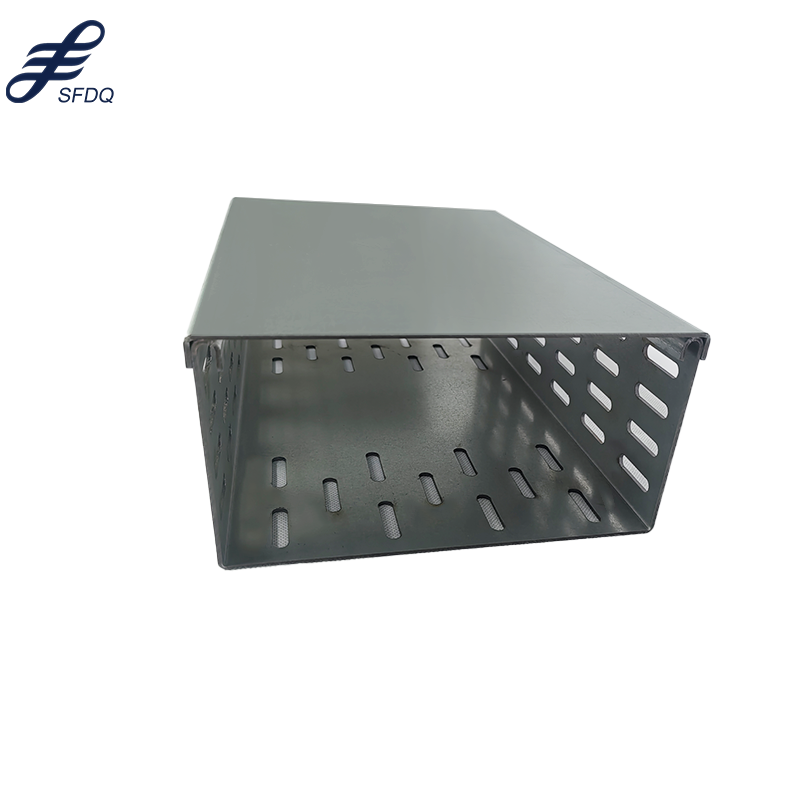
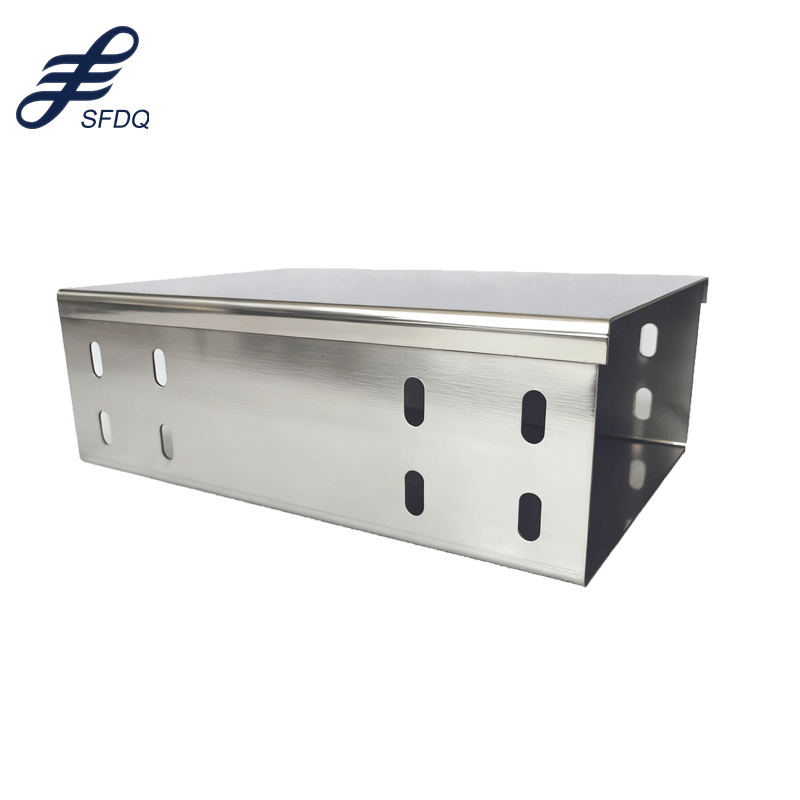
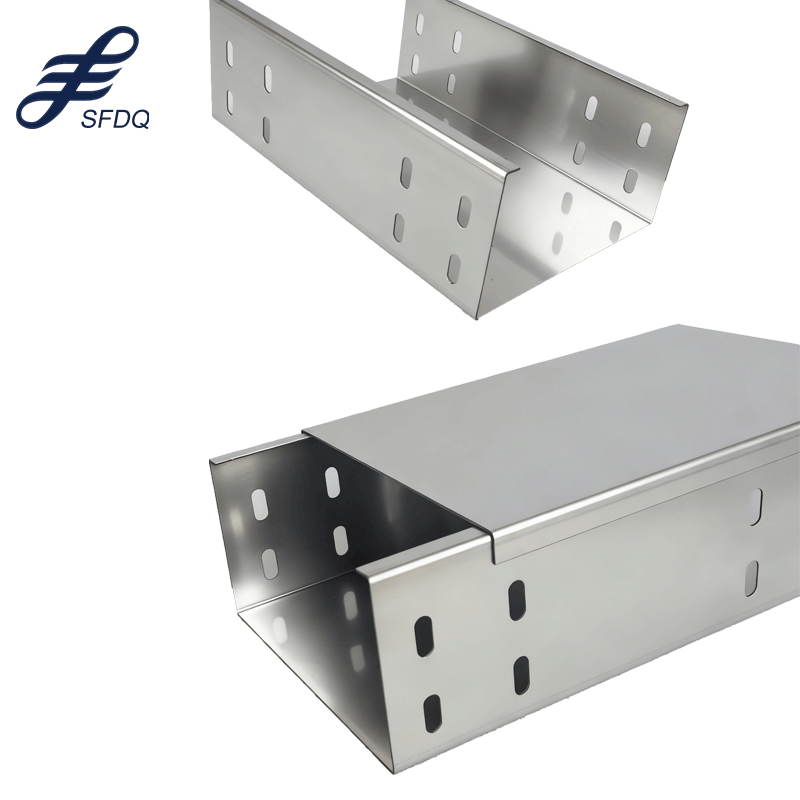
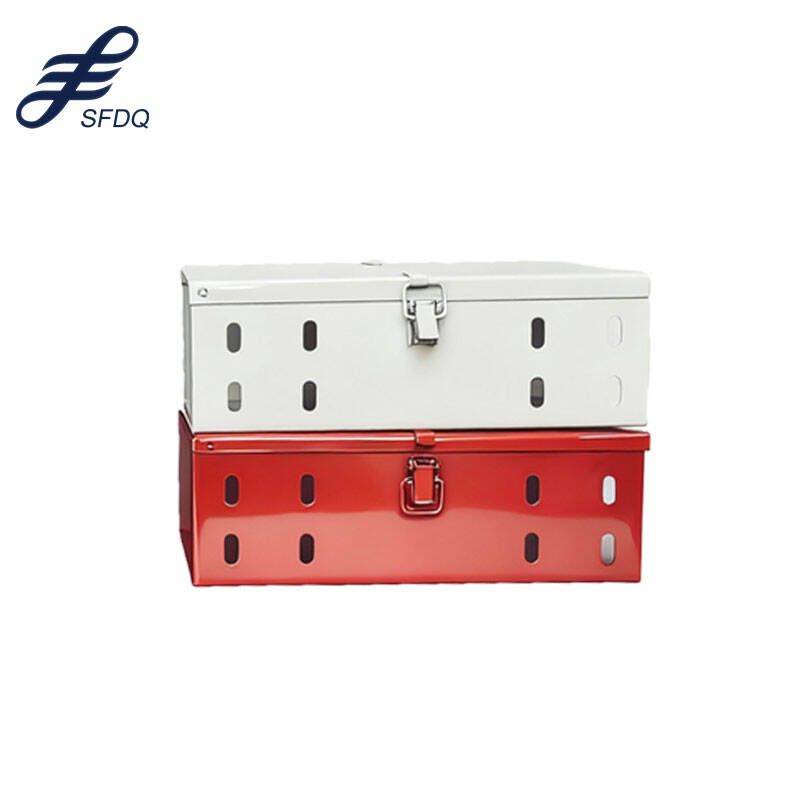
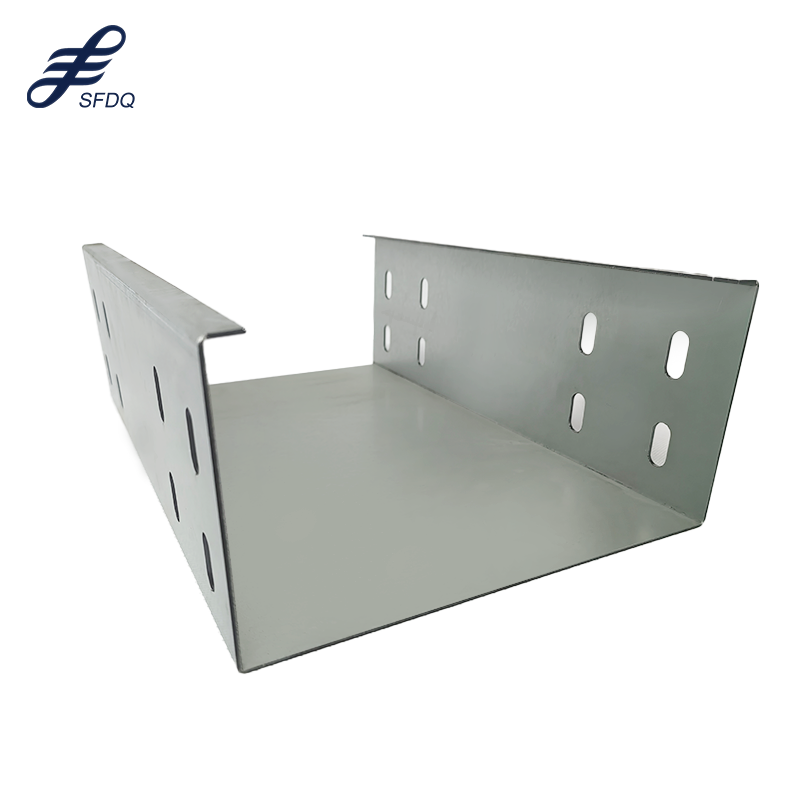
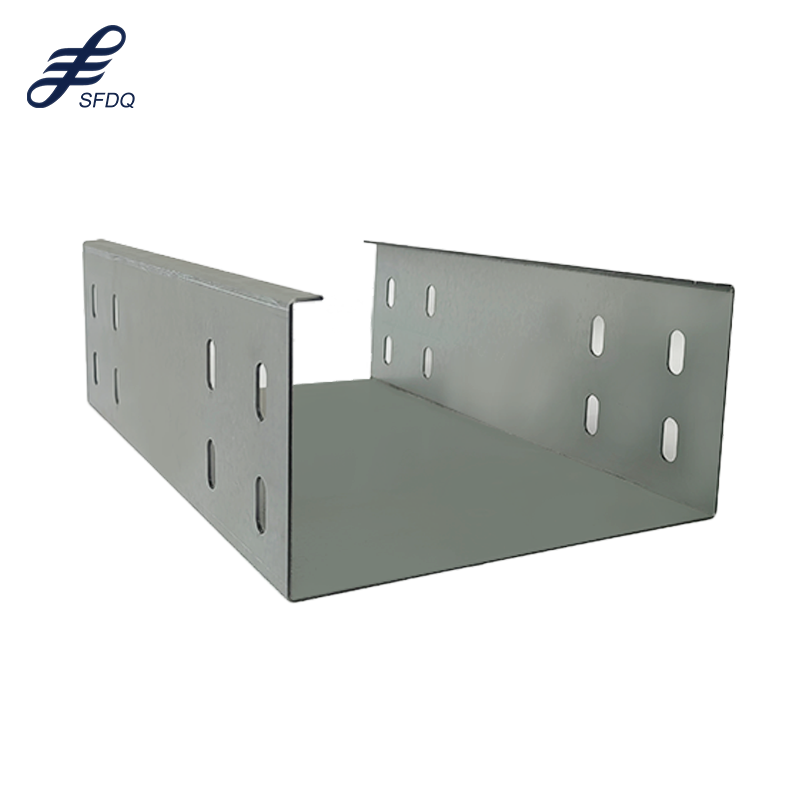
steel trunking for cables
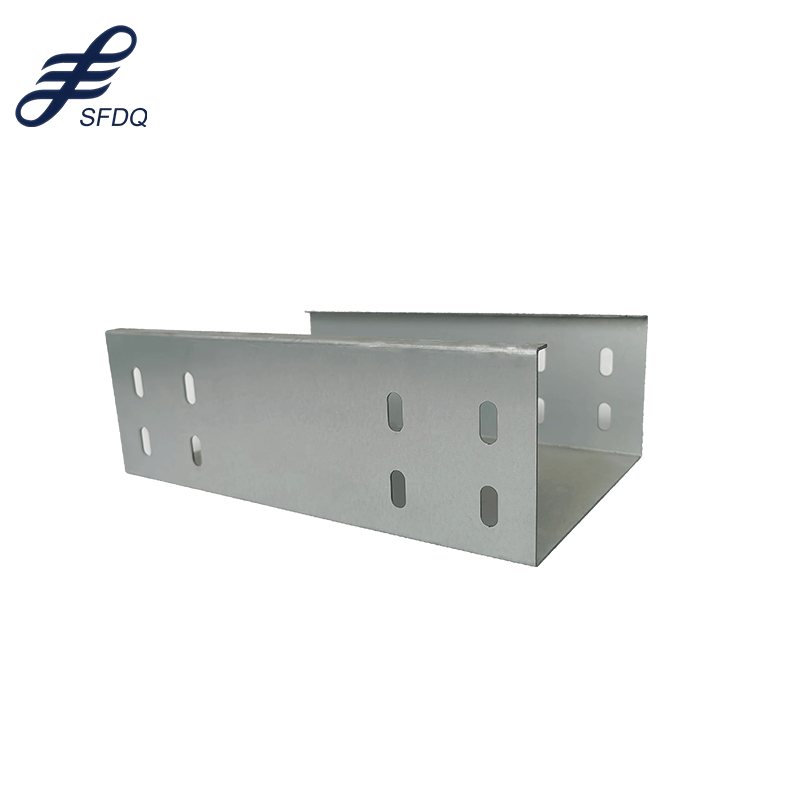
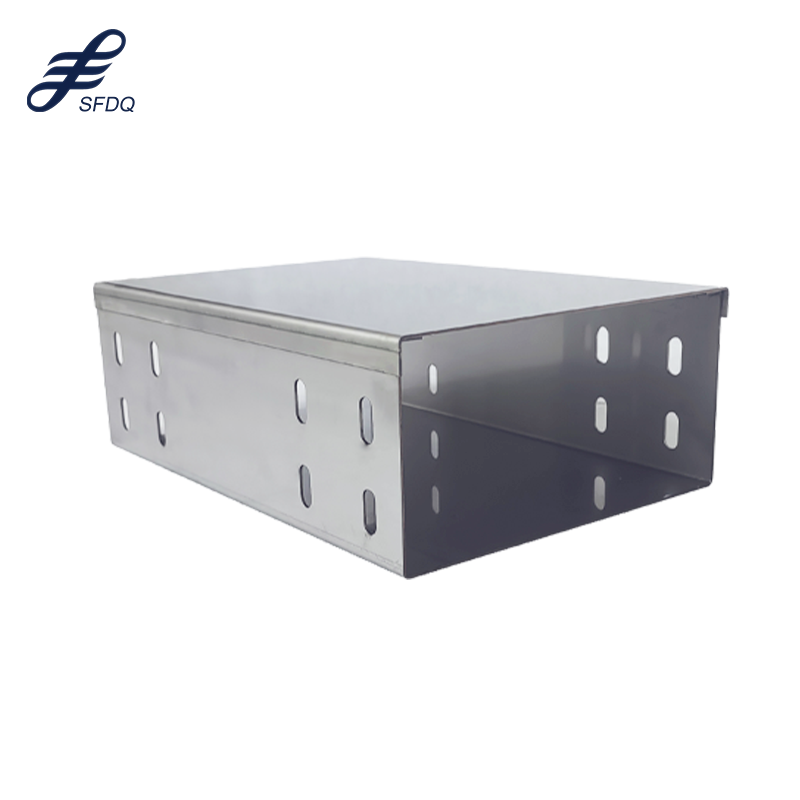
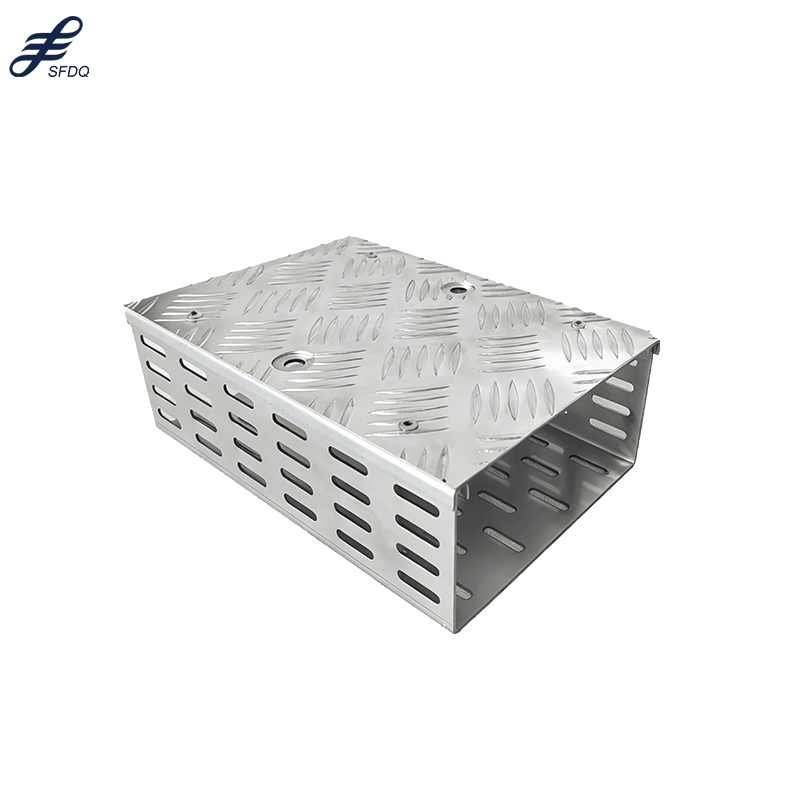
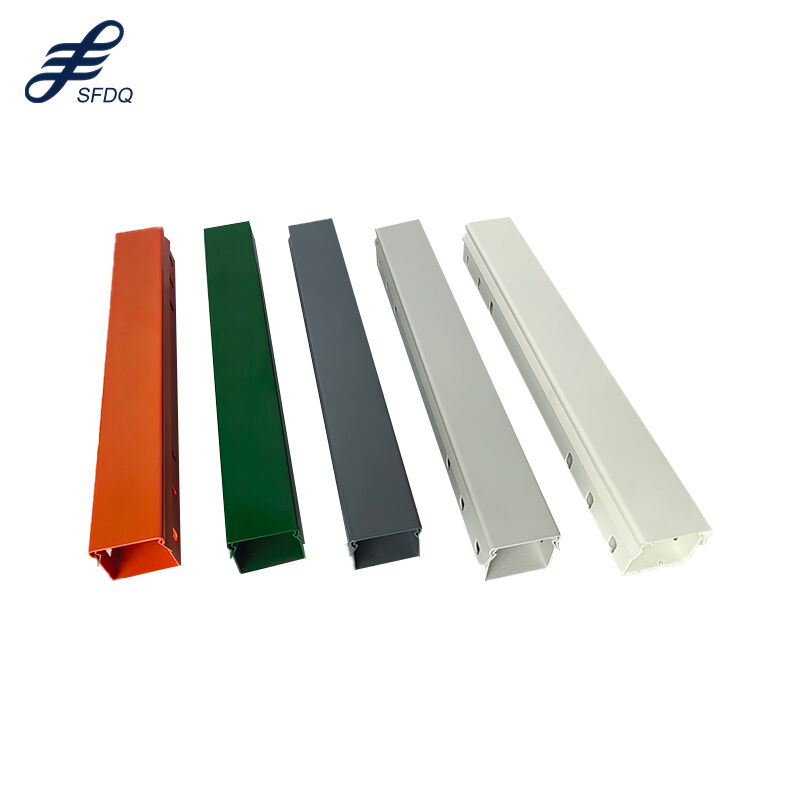
Steel trunking for cables represents a comprehensive cable management solution designed to organize, protect, and route electrical cables in commercial, industrial, and residential environments. This robust system consists of steel channels, covers, and accessories that create secure pathways for electrical installations. The primary function of steel trunking for cables involves providing a systematic approach to cable organization while ensuring compliance with electrical safety standards and building regulations. Modern steel trunking for cables incorporates advanced manufacturing techniques that deliver superior strength, durability, and corrosion resistance. The galvanized steel construction provides exceptional protection against environmental factors, making it suitable for both indoor and outdoor applications. These systems feature modular designs that allow for flexible installation configurations, accommodating various cable types and quantities. Steel trunking for cables offers multiple compartments and segregation options, enabling the separation of different cable categories such as power, data, and communication lines. The technological features include pre-punched mounting holes for easy installation, snap-on covers for quick access, and standardized dimensions for compatibility with various electrical accessories. The surface treatment processes ensure long-lasting performance, with options including hot-dip galvanizing, powder coating, and specialized finishes for harsh environments. Steel trunking for cables applications span across numerous sectors including manufacturing facilities, office buildings, data centers, hospitals, educational institutions, and retail establishments. The system effectively manages cable routing in machine shops, production lines, server rooms, and building infrastructure projects. Installation flexibility allows for surface mounting, ceiling suspension, or floor-mounted configurations depending on specific requirements. Steel trunking for cables supports various cable management scenarios from simple point-to-point connections to complex distribution networks serving multiple zones and equipment areas.
 EN
EN