Enclosed Cable Tray Systems - Superior Cable Protection and Management Solutions

Get a Free Quote

Our representative will contact you soon.
Email
Name
Company Name
WhatsApp
Message
0/1000

enclosed cable tray

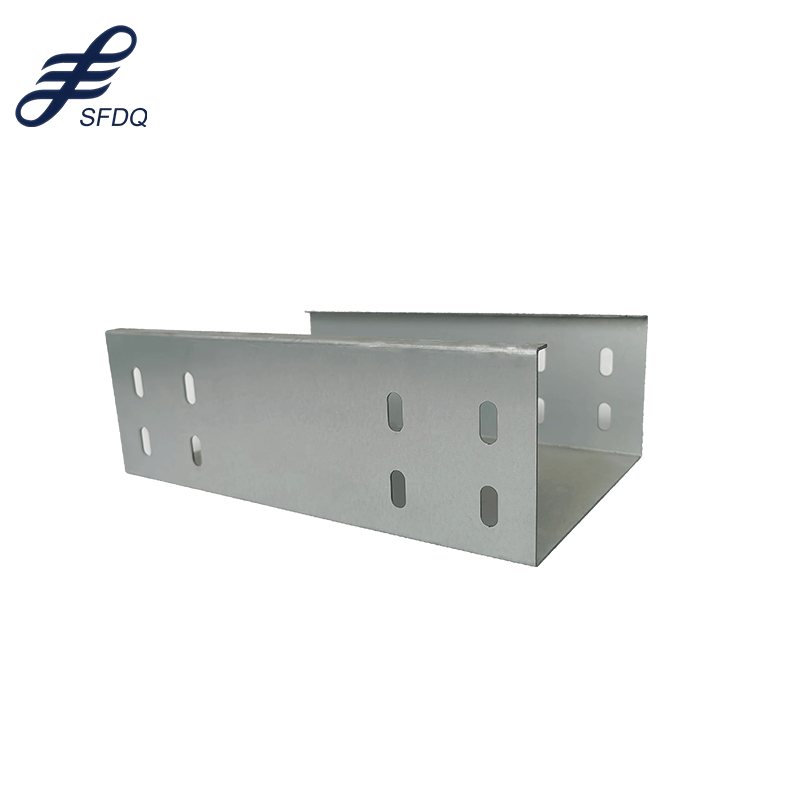
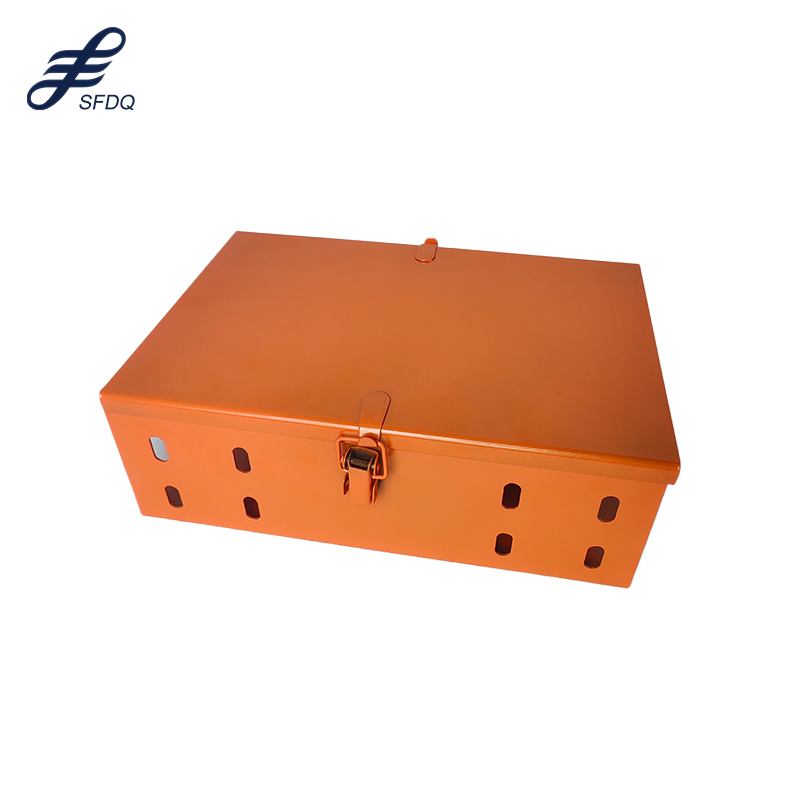
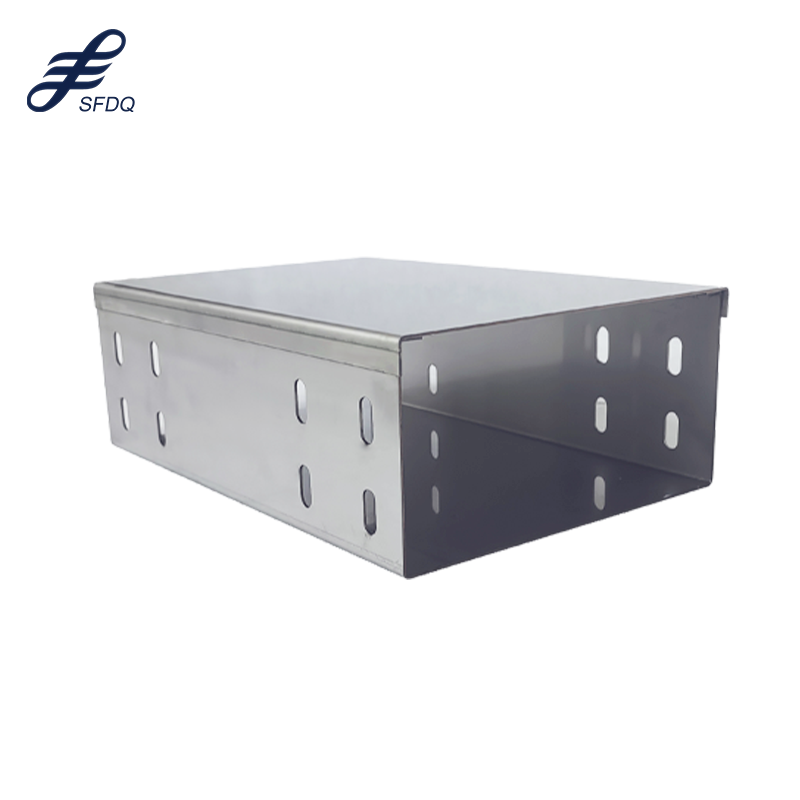
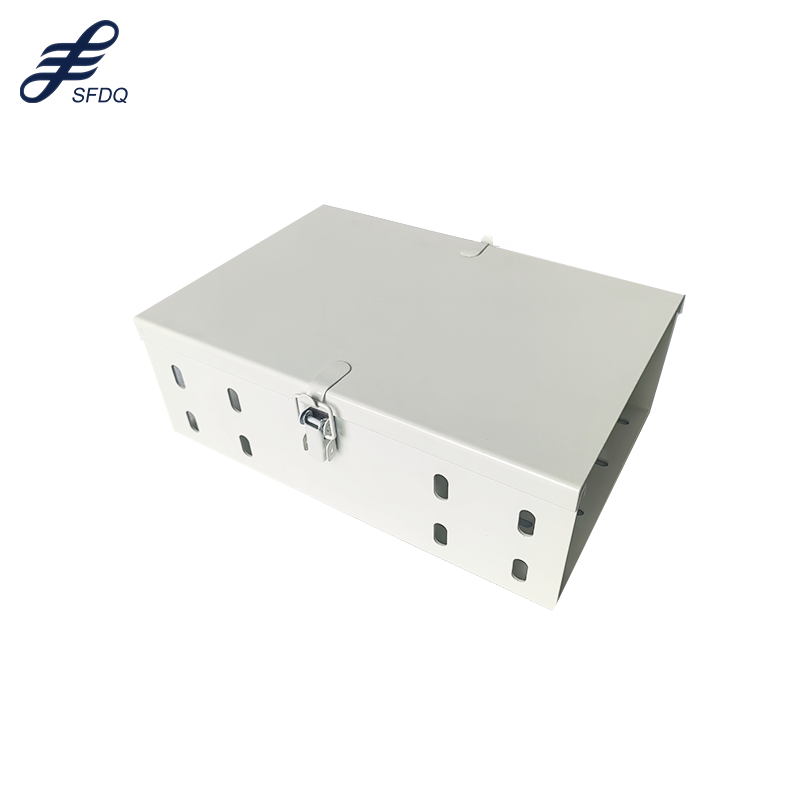
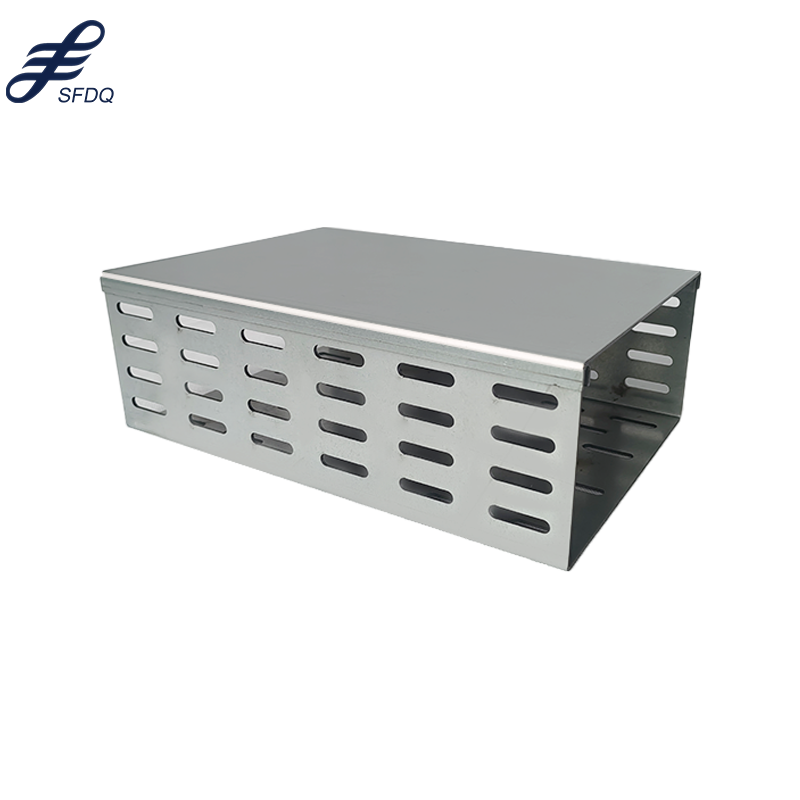
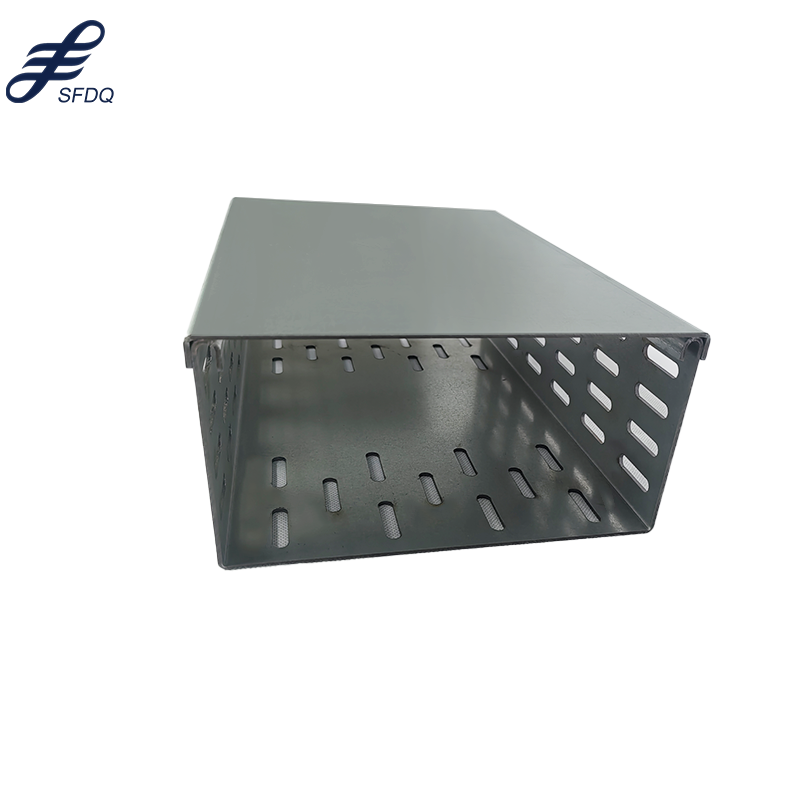
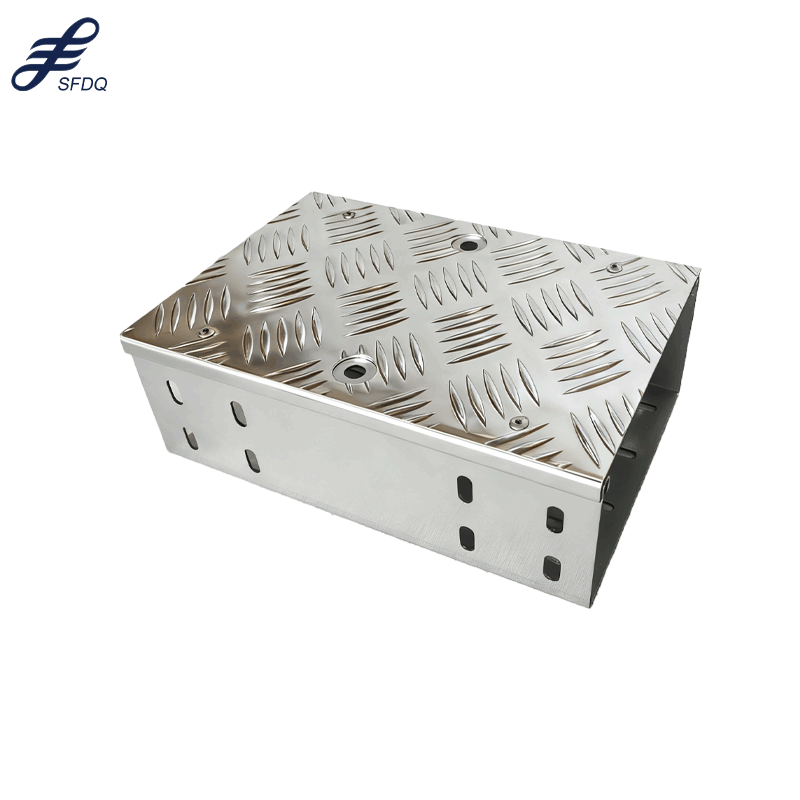
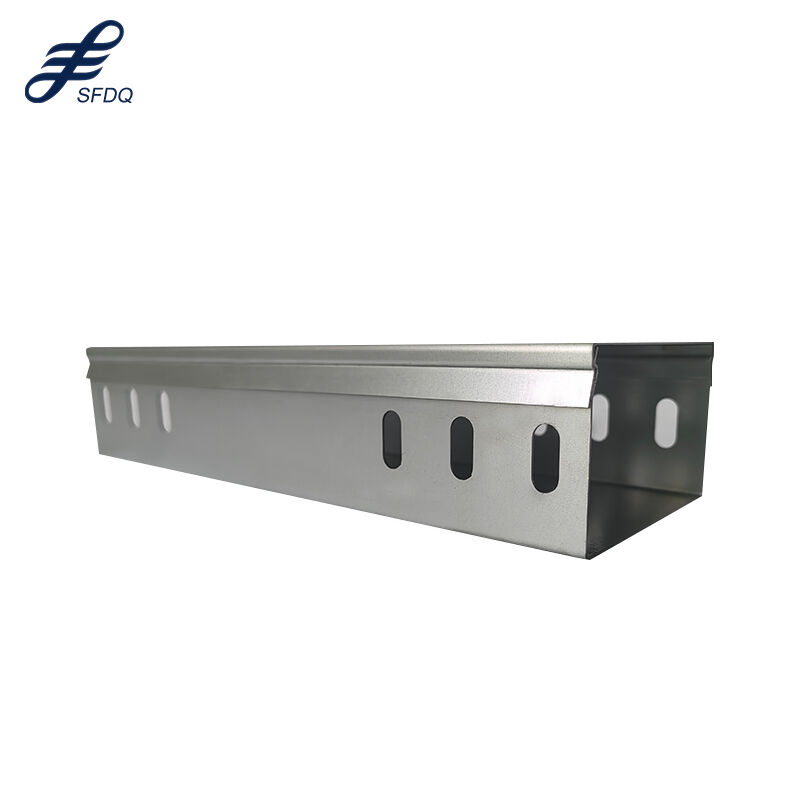
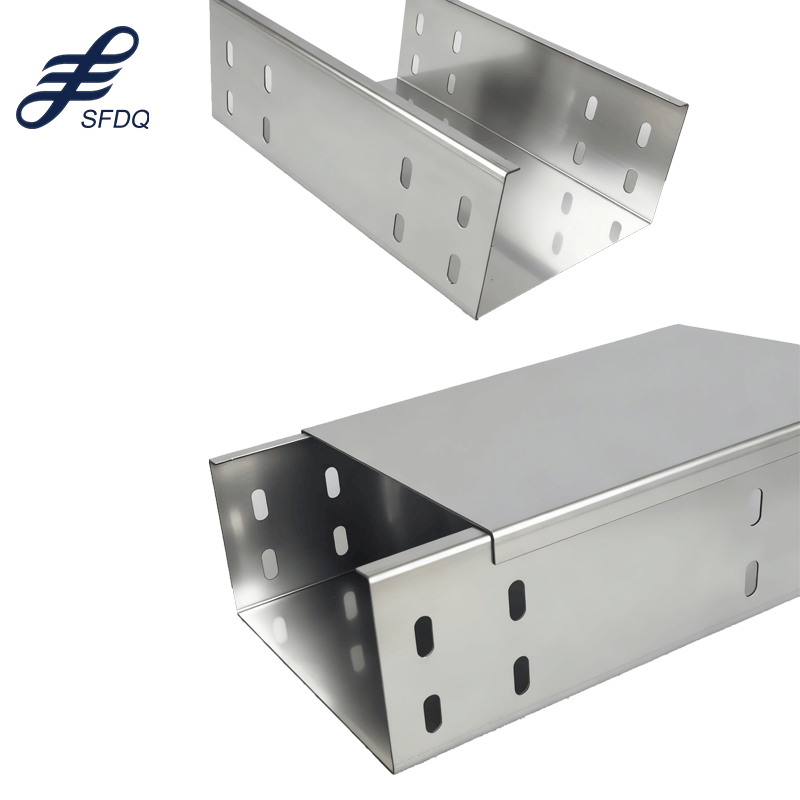
An enclosed cable tray represents a sophisticated cable management solution designed to provide comprehensive protection and organization for electrical and data cables in various industrial and commercial environments. This specialized infrastructure system features a fully enclosed design that shields cables from external environmental factors while maintaining optimal accessibility for maintenance and upgrades. The enclosed cable tray consists of a solid bottom, continuous sidewalls, and a removable or hinged cover that creates a protective enclosure around the cable installation. The primary function of an enclosed cable tray centers on delivering superior cable protection compared to traditional open tray systems. The complete enclosure safeguards cables from dust, moisture, chemical exposure, physical damage, and electromagnetic interference that could compromise system performance or create safety hazards. The technological features of modern enclosed cable trays incorporate advanced materials and engineering principles to maximize durability and functionality. These systems typically utilize high-grade steel, aluminum, or specialized composite materials that resist corrosion and maintain structural integrity under demanding conditions. The modular design allows for seamless integration with existing infrastructure while accommodating future expansion requirements. Applications for enclosed cable trays span across numerous industries including manufacturing facilities, data centers, power generation plants, chemical processing facilities, and commercial buildings. In manufacturing environments, these systems protect sensitive control cables from harsh industrial conditions while maintaining organized cable routing throughout production areas. Data centers rely on enclosed cable trays to manage high-density fiber optic and copper network cables while minimizing electromagnetic interference between different signal types. Power generation facilities utilize these protective systems to route critical control and instrumentation cables in environments where reliability is paramount. The versatility of enclosed cable tray systems makes them suitable for both indoor and outdoor installations, with specialized variants designed for underground conduit replacement and overhead cable routing applications.

Popular Products

The enclosed cable tray system delivers exceptional value through multiple practical benefits that directly impact operational efficiency and long-term cost management for businesses across diverse industries. Superior environmental protection stands as the most significant advantage, as the complete enclosure shields cables from moisture infiltration, dust accumulation, chemical vapors, and physical damage that frequently plague open cable management systems. This comprehensive protection translates into reduced maintenance costs and extended cable lifespan, providing measurable return on investment over time. Enhanced electromagnetic compatibility represents another crucial benefit, particularly valuable in facilities housing sensitive electronic equipment or data transmission systems. The enclosed design minimizes electromagnetic interference between different cable types and reduces susceptibility to external electromagnetic disturbances that can disrupt critical operations. This shielding capability proves essential in manufacturing environments where variable frequency drives, welding equipment, and other high-powered devices create electromagnetic noise that could interfere with control systems and data networks. Simplified maintenance procedures emerge as a key operational advantage, as the removable cover design allows technicians to access cables quickly without disturbing adjacent systems or requiring extensive disassembly. This accessibility reduces downtime during maintenance activities while ensuring compliance with safety regulations that mandate proper cable protection in industrial environments. The organized cable routing provided by enclosed cable trays eliminates the tangled mess often associated with traditional conduit systems, making troubleshooting and cable identification significantly more efficient. Fire safety benefits cannot be overlooked, as many enclosed cable tray systems incorporate fire-resistant materials and designs that help contain potential fire spread along cable pathways. This feature proves particularly valuable in high-risk environments where cable fires could result in catastrophic damage or safety hazards. The modular construction of enclosed cable tray systems enables cost-effective installation and future modifications without requiring complete system replacement. Standard components and accessories allow for easy customization to meet specific routing requirements while maintaining system integrity. Installation flexibility accommodates various mounting orientations and support configurations, reducing labor costs and installation complexity compared to rigid conduit systems. Long-term reliability stems from the robust construction and protective features that minimize cable degradation and system failures, resulting in improved operational continuity and reduced emergency repair costs.

Latest News

What is Tray Cable (TC)? An Essential Guide

19

Feb

What is Tray Cable (TC)? An Essential Guide

In the high-stakes world of industrial infrastructure, the reliability of electrical systems is the invisible backbone of production. Whether you are overseeing a massive metallurgy plant, managing an automotive parts assembly line, or operating hig...
View More
How Cable Tray Manufacturers Ensure Quality

24

Mar

How Cable Tray Manufacturers Ensure Quality

Quality assurance remains the cornerstone of excellence for any reputable cable tray manufacturer in today's competitive industrial landscape. The manufacturing process involves rigorous testing protocols, advanced materials selection, and comprehens...
View More
Maintaining Stainless Steel Cable Trays

25

Apr

Maintaining Stainless Steel Cable Trays

Proper maintenance of stainless steel cable tray systems is essential for ensuring long-term performance, safety, and cost-effectiveness in electrical installations. While stainless steel offers superior corrosion resistance compared to other materia...
View More
Installing Tray Cable in Cable Tray Systems

12

Mar

Installing Tray Cable in Cable Tray Systems

Installing tray cable in cable tray systems requires careful attention to proper routing techniques, load calculations, and compliance with electrical codes to ensure optimal performance and safety. The installation process involves understanding cab...
View More

Get a Free Quote

Our representative will contact you soon.
Email
Name
Company Name
WhatsApp
Message
0/1000

enclosed cable tray

Advanced Environmental Protection and Cable Longevity

Advanced Environmental Protection and Cable Longevity

The enclosed cable tray system provides unparalleled environmental protection that significantly extends cable service life while reducing maintenance requirements and operational disruptions. Unlike open cable management systems that leave cables exposed to environmental hazards, the fully enclosed design creates a protective barrier against moisture, dust, chemicals, UV radiation, and physical damage that commonly cause premature cable failure. This comprehensive protection proves particularly valuable in harsh industrial environments where corrosive vapors, high humidity, extreme temperatures, and airborne contaminants pose constant threats to cable integrity. The solid construction prevents water infiltration during facility cleaning operations, equipment washdowns, or emergency situations that could otherwise compromise electrical safety and system reliability. Chemical resistance becomes critical in processing facilities where aggressive substances could degrade cable jackets and insulation materials over time. The enclosed design isolates cables from these harmful exposures while maintaining the flexibility needed for system modifications and expansions. Temperature stability within the enclosed environment helps prevent thermal cycling damage that occurs when cables experience rapid temperature fluctuations in exposed installations. This thermal protection extends cable service life and maintains consistent electrical performance across varying environmental conditions. The protective enclosure also shields cables from rodent damage, a common problem in many facilities where mice and rats can chew through cable insulation and cause costly system failures. Physical protection from impact damage, falling objects, and accidental contact during maintenance activities reduces the risk of cable damage that could result in system downtime or safety hazards. UV protection becomes essential for installations in areas with exposure to sunlight or artificial UV sources that can cause cable jacket degradation over time. The enclosed design blocks harmful radiation while maintaining proper ventilation to prevent heat buildup. This multi-layered environmental protection approach delivers measurable cost savings through reduced cable replacement frequency, fewer emergency repairs, and improved system uptime that directly impacts facility productivity and profitability.
Superior Electromagnetic Interference Control and Signal Integrity

Superior Electromagnetic Interference Control and Signal Integrity

Electromagnetic interference control represents a critical advantage of enclosed cable tray systems, particularly essential for facilities operating sensitive electronic equipment, data networks, and precision control systems where signal integrity directly impacts operational performance and safety. The continuous metallic enclosure creates an effective electromagnetic shield that prevents external interference from disrupting cable signals while simultaneously containing electromagnetic emissions from high-power cables that could affect nearby sensitive circuits. This dual-purpose shielding capability proves invaluable in modern industrial environments where variable frequency drives, switching power supplies, wireless communication systems, and other electronic devices generate significant electromagnetic noise that can interfere with control systems, instrumentation, and data networks. The grounded enclosure provides a low-impedance path for electromagnetic currents, effectively channeling interference away from protected cables and maintaining signal quality throughout the system. Cable segregation within the enclosed environment allows for proper separation between different signal types, preventing crosstalk between power cables, control circuits, and communication lines that share the same routing pathway. This organized separation eliminates the need for expensive shielded cables in many applications while maintaining the signal integrity required for reliable system operation. High-frequency noise suppression becomes particularly important in facilities with sophisticated automation systems where even minor signal disturbances can trigger false alarms, system shutdowns, or erratic equipment behavior. The enclosed design attenuates high-frequency electromagnetic emissions while providing consistent grounding throughout the cable pathway. Ground continuity maintenance through proper bonding ensures effective electromagnetic shielding performance across the entire cable routing system. The metallic construction creates a continuous Faraday cage effect that blocks electromagnetic fields from penetrating the enclosure while preventing internal electromagnetic emissions from escaping to interfere with external systems. This containment capability proves essential for compliance with electromagnetic compatibility regulations and standards that govern industrial installations. Signal quality preservation through electromagnetic shielding translates into improved system reliability, reduced troubleshooting time, and enhanced operational efficiency that delivers measurable business benefits through reduced downtime and improved process control accuracy.
Modular Design Flexibility and Long-term Scalability

Modular Design Flexibility and Long-term Scalability

The modular design architecture of enclosed cable tray systems delivers exceptional installation flexibility and long-term scalability that accommodates evolving facility requirements while minimizing disruption to existing operations. This standardized component approach enables engineers to create custom cable routing solutions using interchangeable sections, fittings, and accessories that integrate seamlessly with existing infrastructure while providing expansion capabilities for future growth. The modular construction simplifies initial installation by allowing sections to be prefabricated and pre-wired off-site, reducing on-site labor requirements and installation time while improving quality control through factory assembly procedures. Standard component dimensions ensure compatibility between different manufacturers and installation phases, eliminating costly custom fabrication requirements that often plague traditional conduit systems. Expansion capabilities built into the modular design allow facilities to add new cable circuits without major system modifications or shutdowns, supporting business growth and technological upgrades without requiring complete infrastructure replacement. The removable cover design facilitates easy access for cable additions, modifications, or replacements while maintaining system protection and organization throughout the process. Routing flexibility accommodates complex facility layouts through horizontal runs, vertical risers, direction changes, and elevation transitions using standard components that maintain consistent protection levels throughout the system. Support structure adaptability allows enclosed cable trays to mount to various structural elements including walls, ceilings, floors, and independent support frameworks using standard mounting hardware and accessories. Load distribution characteristics of the modular design provide superior mechanical strength compared to individual conduit runs while reducing the number of support points required for safe installation. Maintenance access optimization through the hinged or removable cover system reduces service time and labor costs while ensuring technician safety during cable work. Future modification capability supports facility upgrades, process changes, and technology evolution without requiring extensive system reconstruction or disruption to ongoing operations. The standardized component library includes various widths, heights, and configurations that accommodate different cable capacities and routing requirements while maintaining consistent installation procedures and maintenance practices. This comprehensive modularity translates into lower total cost of ownership through reduced installation costs, simplified maintenance procedures, and enhanced adaptability to changing facility requirements over the system service life.

Inquiry Inquiry Email Email Tel Tel TopTop

Get a Free Quote

Our representative will contact you soon.
Email
Name
Company Name
WhatsApp
Message
0/1000