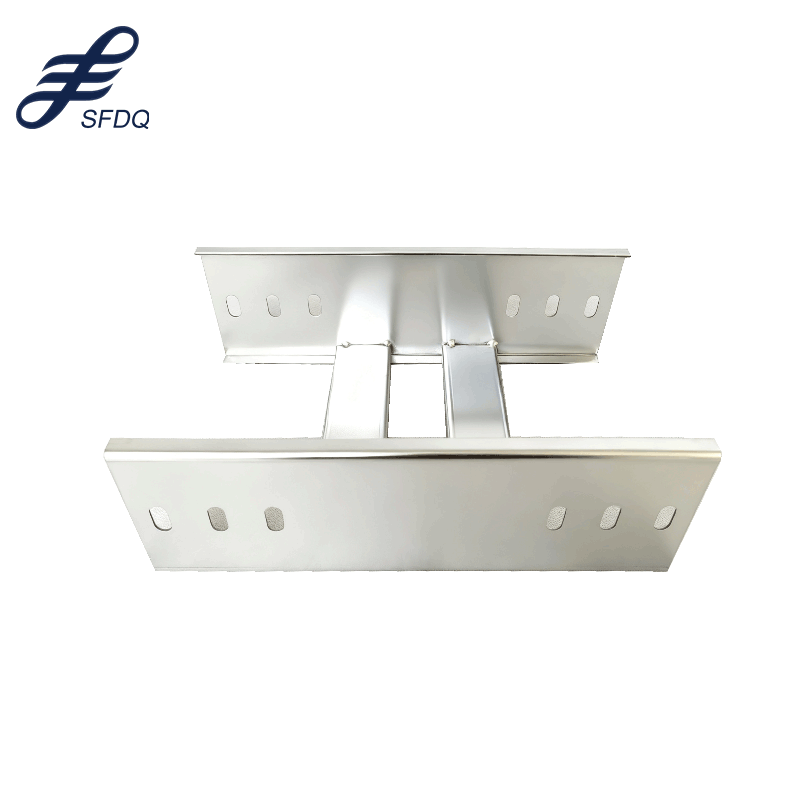
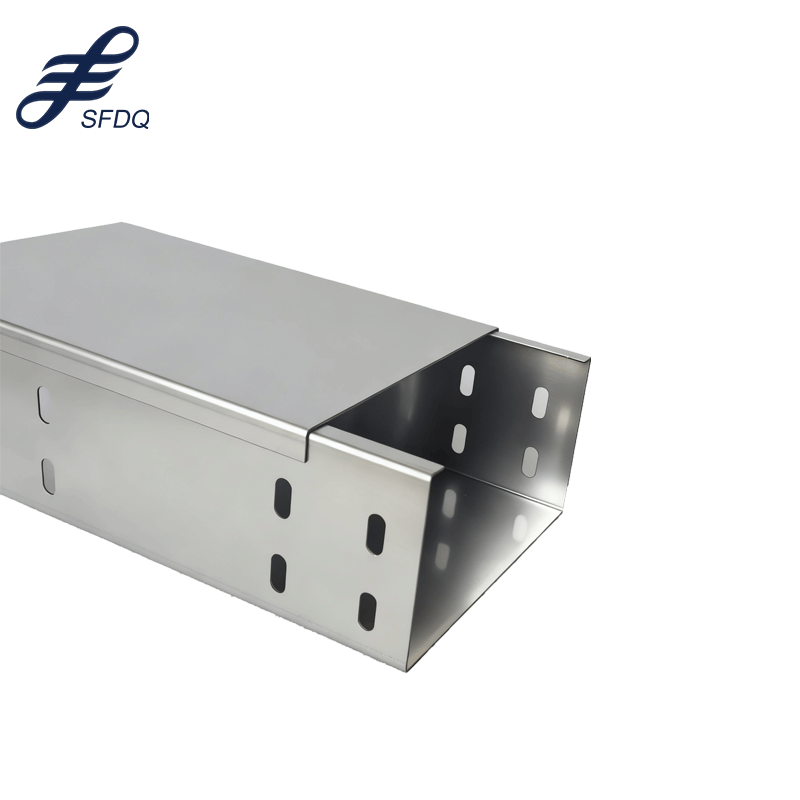
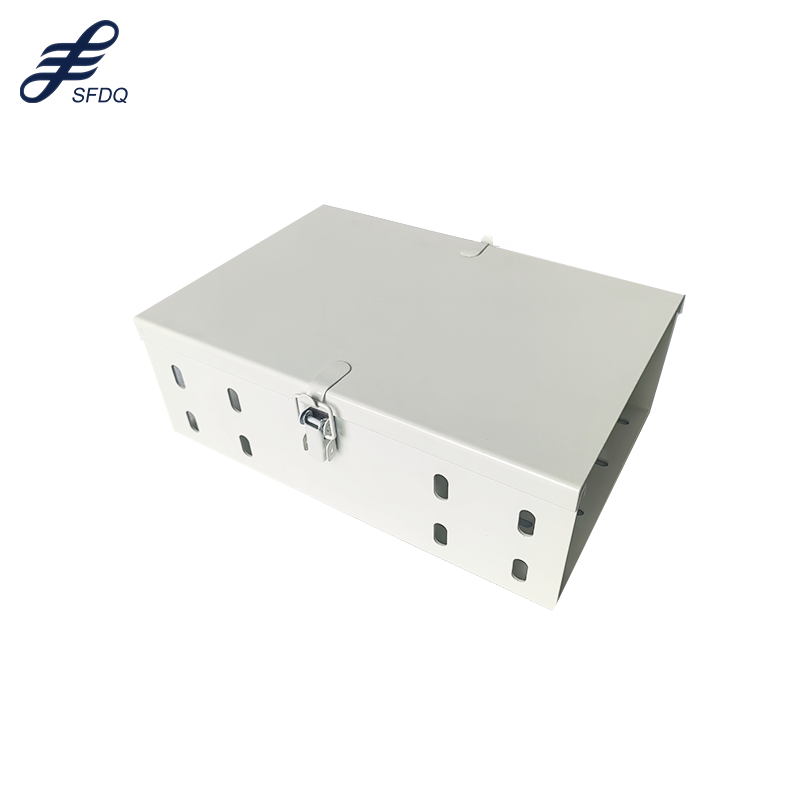
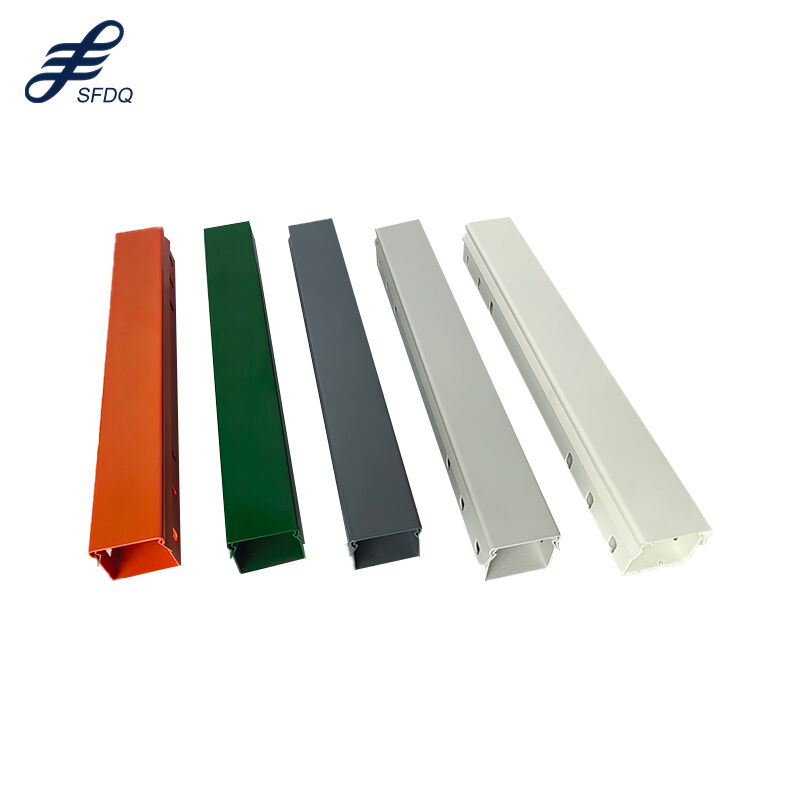
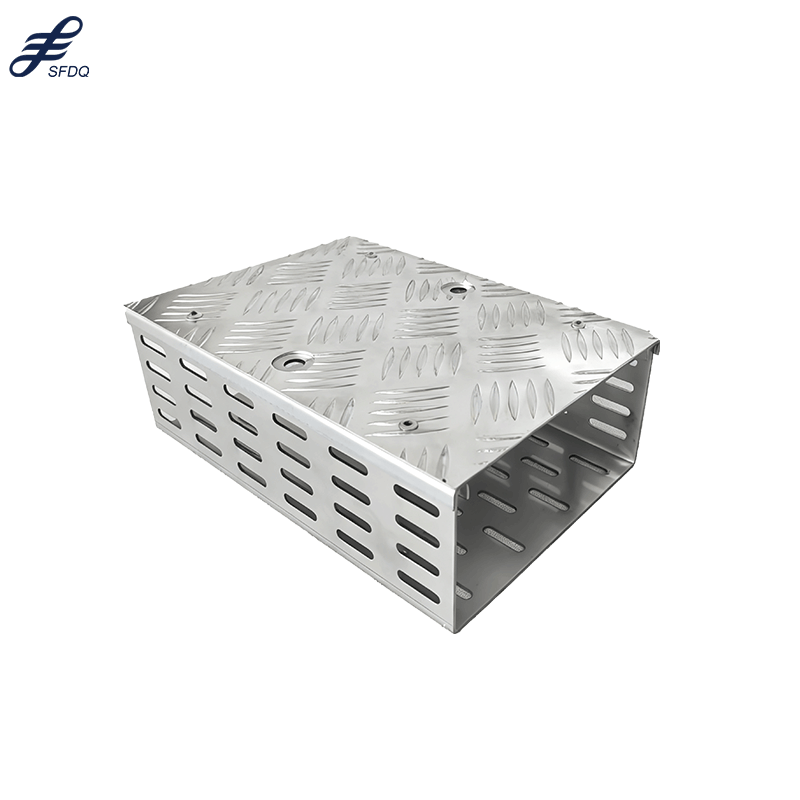
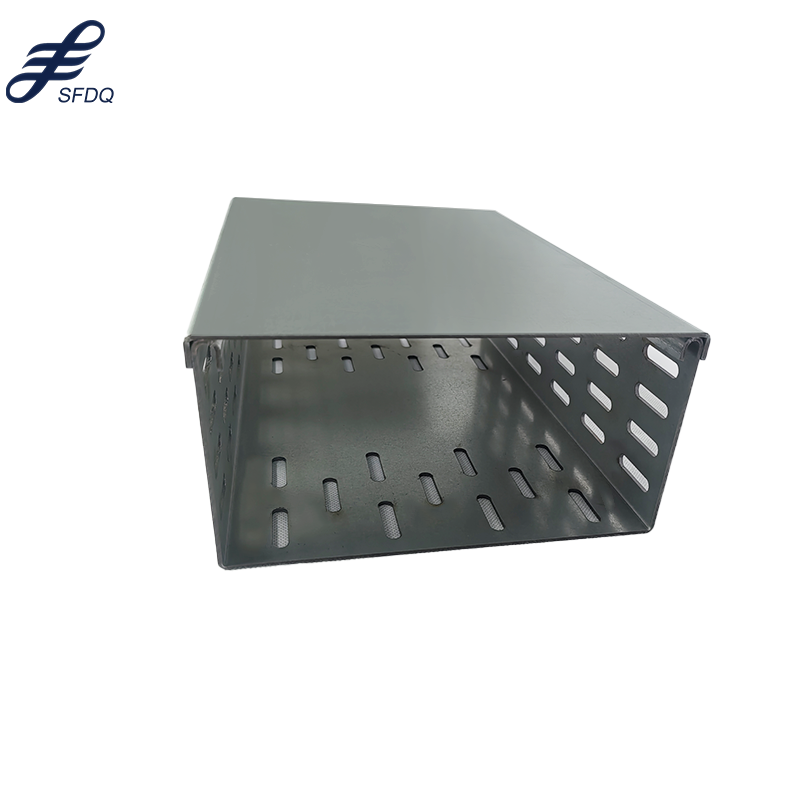
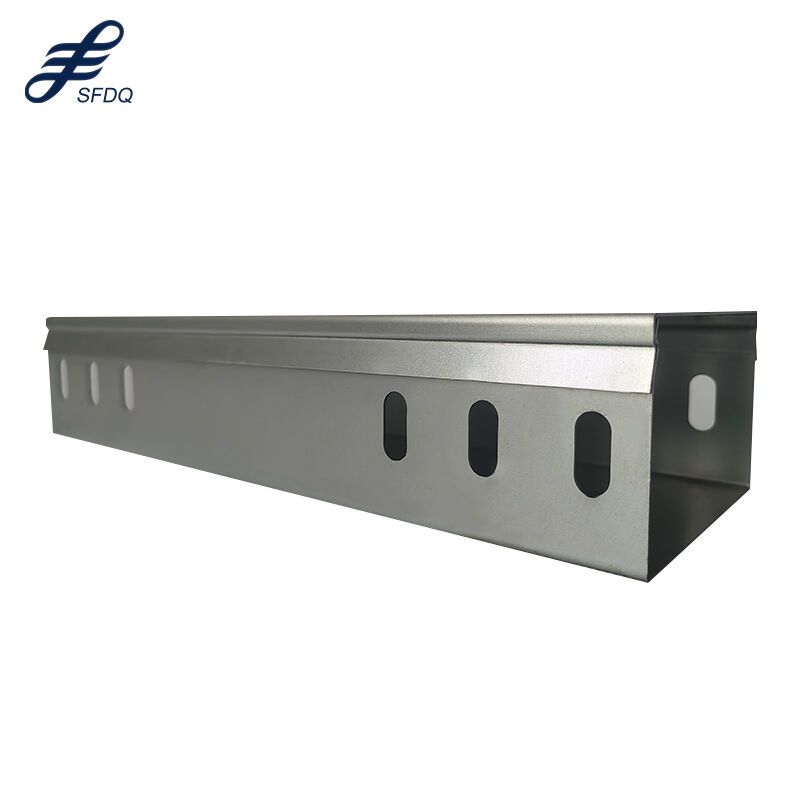
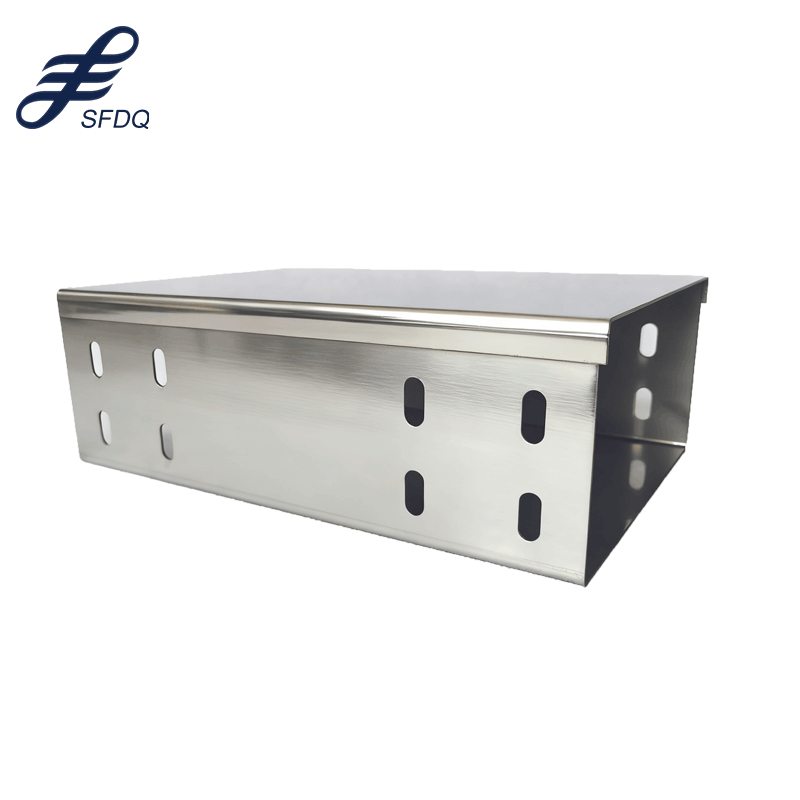
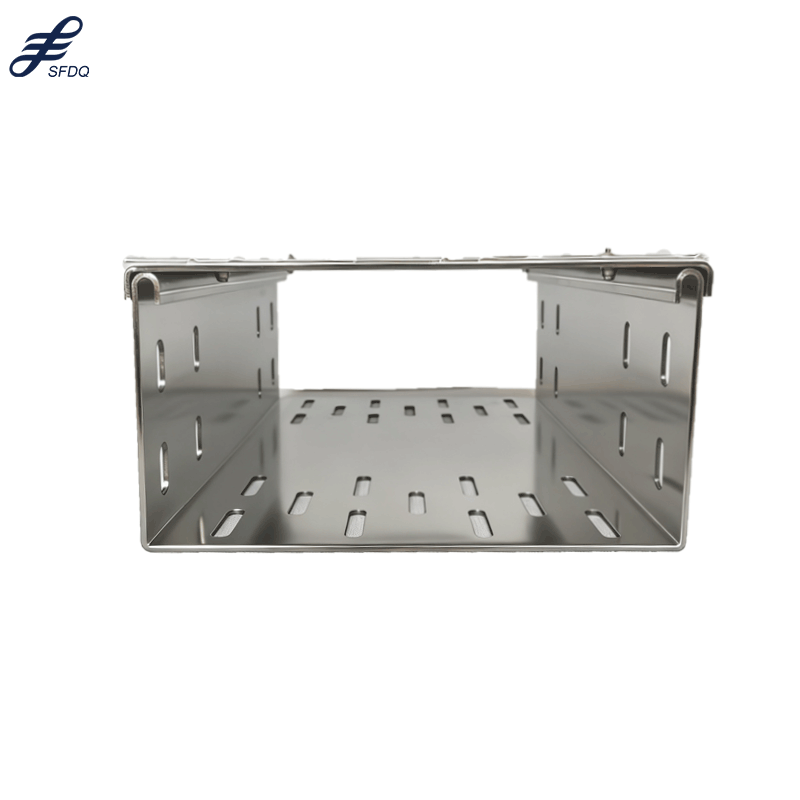
pre galvanized cable tray
Pre galvanized cable tray represents a cutting-edge solution for electrical infrastructure management, engineered to support and protect cables in commercial, industrial, and residential applications. This innovative system undergoes a specialized galvanization process before fabrication, creating a robust protective coating that significantly enhances durability and performance. The pre galvanized cable tray system consists of interconnected sections that form continuous pathways for electrical cables, ensuring organized routing and easy maintenance access. The manufacturing process involves applying a zinc coating to steel materials through hot-dip galvanization, creating a metallurgical bond that provides exceptional corrosion resistance. This protective barrier prevents rust formation and extends the operational lifespan of the installation. The technological features of pre galvanized cable tray include superior load-bearing capacity, electromagnetic interference shielding, and excellent thermal dissipation properties. These systems accommodate various cable types, including power distribution cables, control wiring, and communication networks. The modular design allows for flexible configuration, enabling installers to create custom routing solutions that adapt to complex architectural requirements. Pre galvanized cable tray applications span multiple industries, including manufacturing facilities, data centers, hospitals, educational institutions, and commercial buildings. The system proves particularly valuable in harsh environments where traditional cable management solutions might fail due to moisture, chemical exposure, or extreme temperatures. Installation versatility makes pre galvanized cable tray suitable for overhead mounting, wall-mounted configurations, and underground applications. The system supports future expansion needs, allowing facility managers to add new circuits without major infrastructure modifications. Quality pre galvanized cable tray systems meet stringent industry standards and building codes, ensuring compliance with electrical safety regulations while providing reliable long-term performance for critical electrical installations.
 EN
EN