Industrial Cable Tray Systems: Complete Guide to Installation, Benefits & Applications

Get a Free Quote

Our representative will contact you soon.
Email
Name
Company Name
WhatsApp
Message
0/1000

industrial cable tray

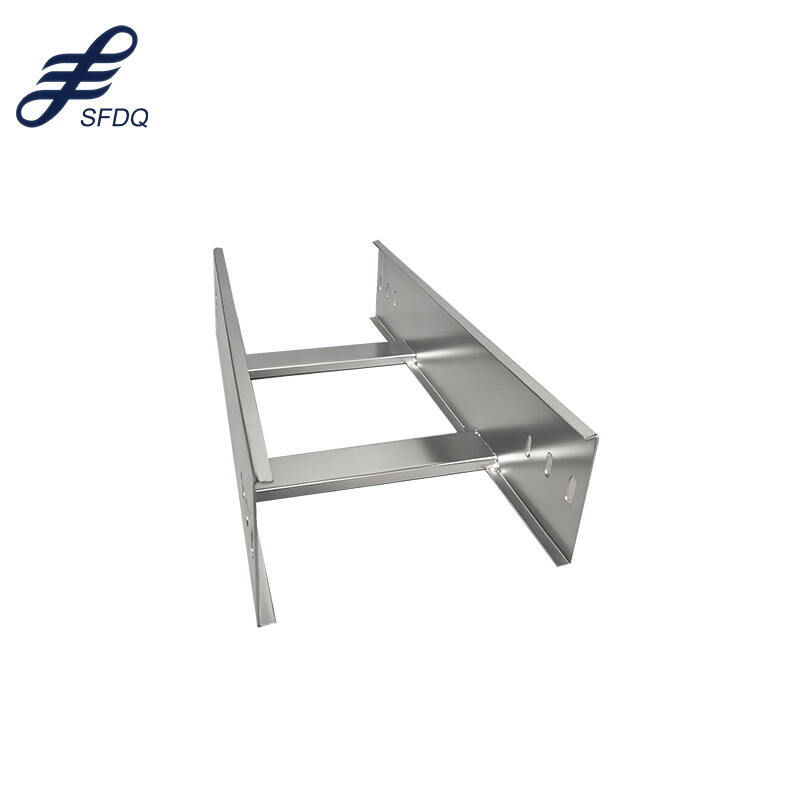
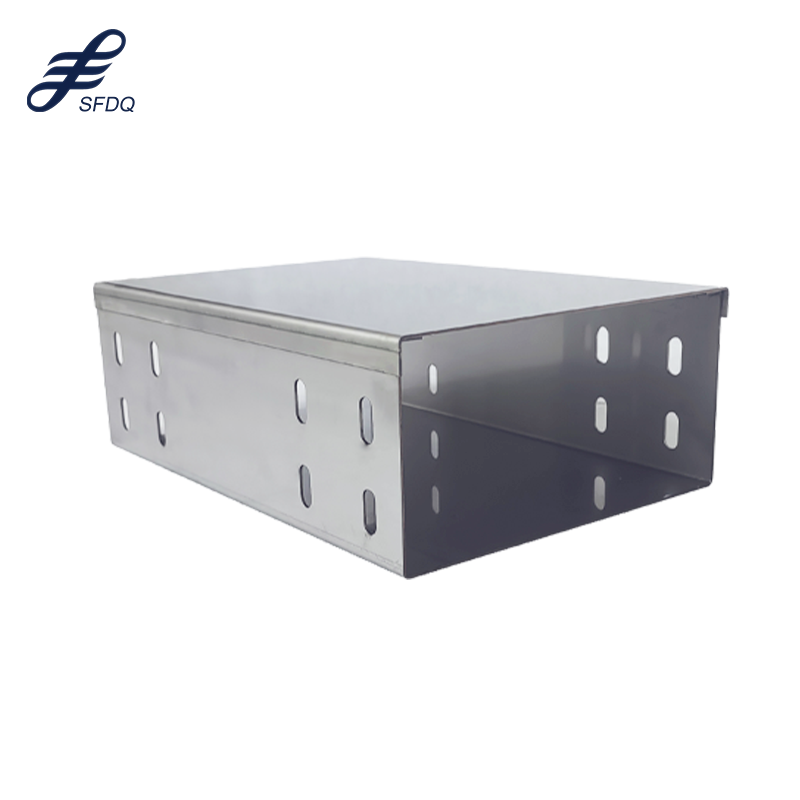
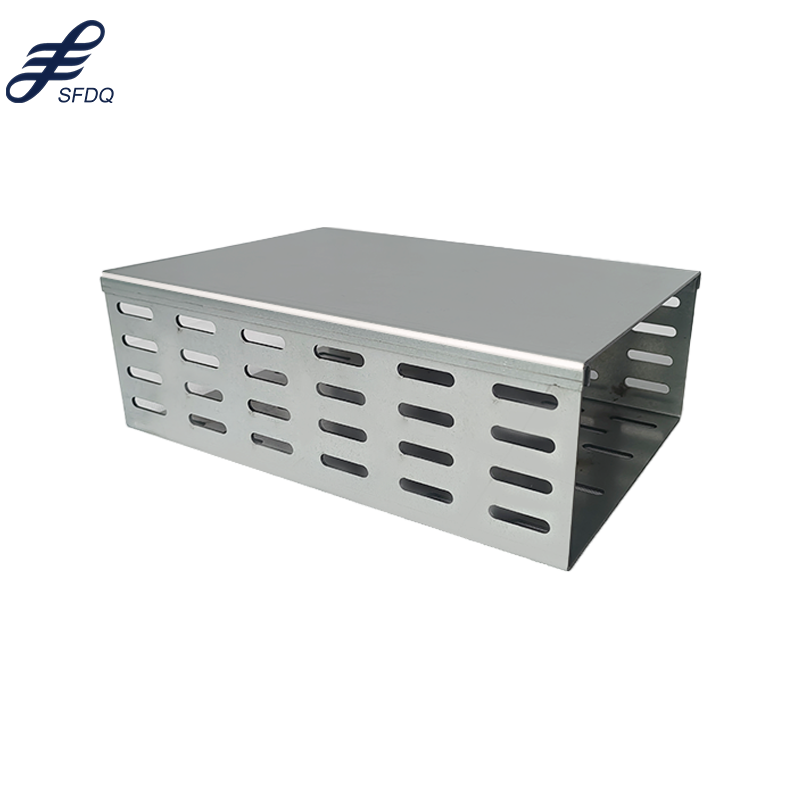
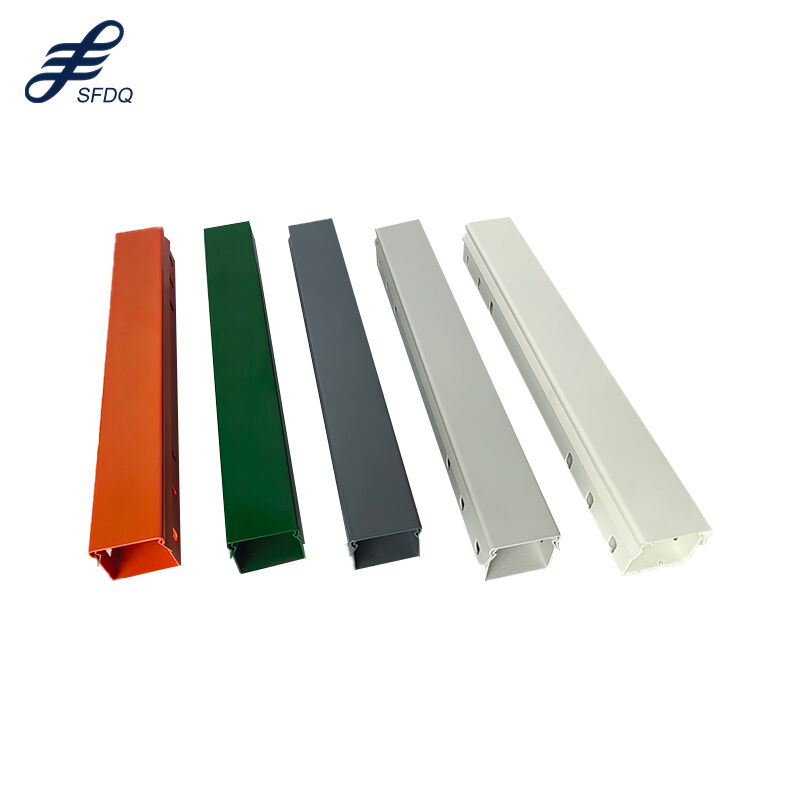
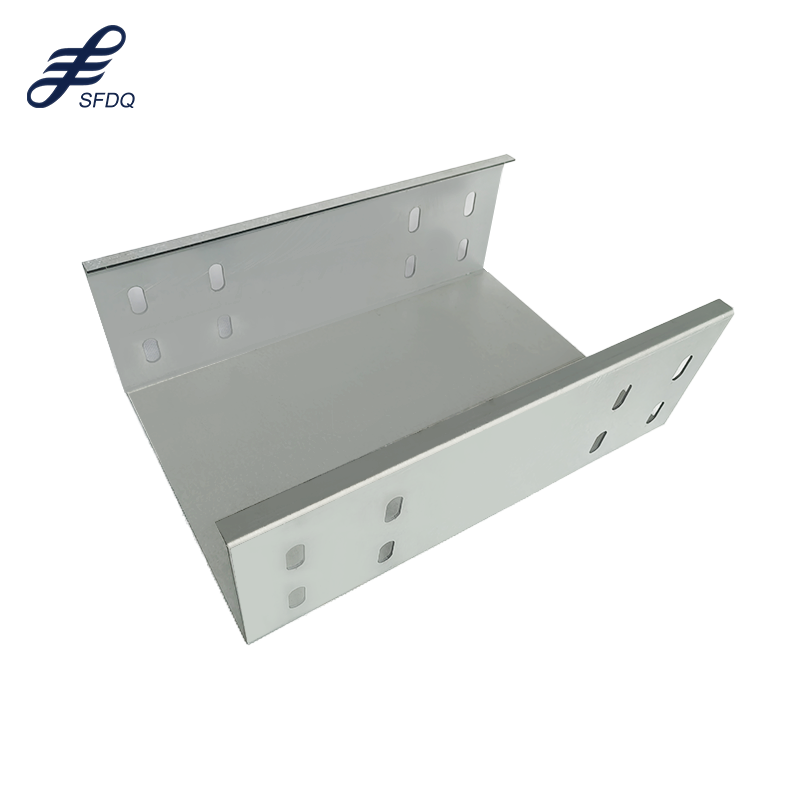
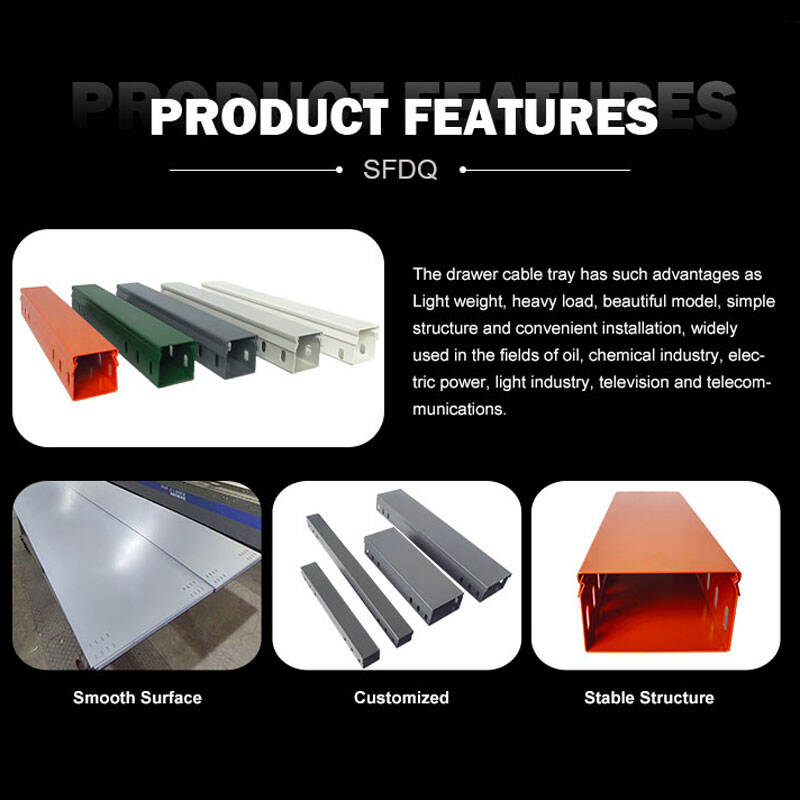
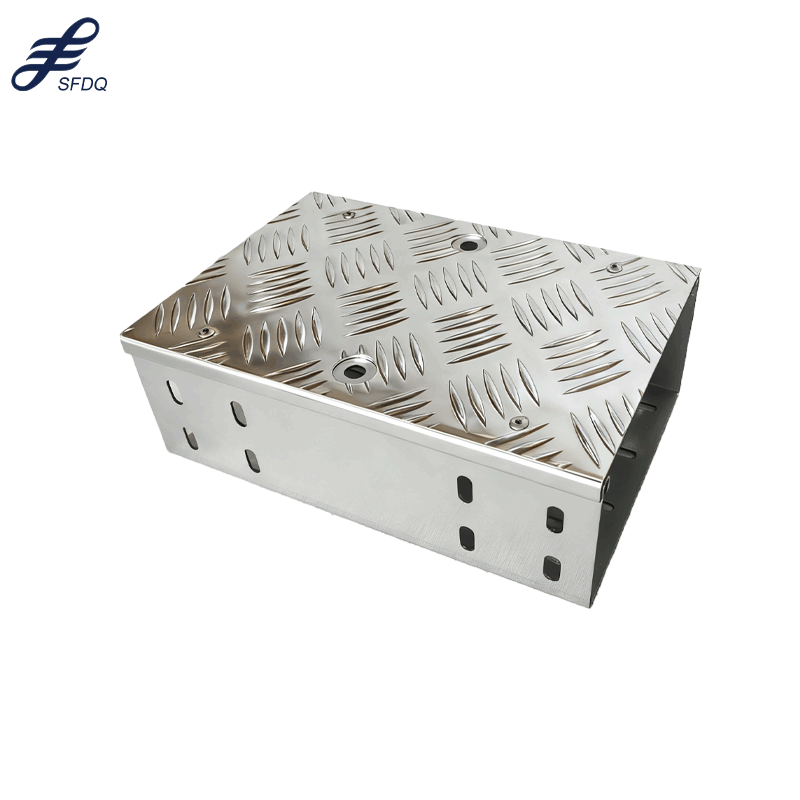
Industrial cable tray systems represent essential infrastructure components designed to support and organize electrical cables in commercial, industrial, and institutional facilities. These robust support structures provide a systematic approach to cable management, ensuring proper routing, protection, and maintenance access throughout various environments. The industrial cable tray serves as the backbone of modern electrical distribution systems, offering engineers and contractors reliable solutions for complex wiring installations. These systems consist of interconnected sections that create continuous pathways for power, control, and communication cables. The primary function of an industrial cable tray involves supporting electrical conductors while maintaining proper spacing and ventilation requirements. This organized approach prevents cable damage, reduces installation time, and simplifies future modifications or expansions. Modern industrial cable tray designs incorporate advanced materials and engineering principles to withstand harsh environmental conditions, chemical exposure, and mechanical stress. The technological features of contemporary systems include corrosion-resistant coatings, modular construction methods, and standardized connection points that facilitate seamless integration across different project phases. These trays accommodate various cable types, from low-voltage control wiring to high-capacity power feeders, making them versatile solutions for diverse applications. Industrial facilities, data centers, manufacturing plants, and commercial buildings rely heavily on these systems to maintain organized and accessible cable installations. The structural integrity of an industrial cable tray ensures long-term reliability while meeting stringent safety codes and industry standards. Installation flexibility allows these systems to navigate complex architectural layouts, including vertical runs, horizontal spans, and directional changes. The open design promotes natural air circulation, preventing heat buildup that could compromise cable performance or create safety hazards. Maintenance personnel benefit from easy access to cables for inspection, testing, and replacement procedures without disrupting adjacent systems.

New Products

The industrial cable tray delivers numerous practical benefits that make it an superior choice for modern electrical installations compared to traditional conduit systems. Cost-effectiveness stands as a primary advantage, as these systems reduce material expenses and labor requirements significantly during installation phases. Contractors save substantial time because cables can be pulled through open tray sections much faster than threading them through enclosed conduits. The modular design allows for efficient planning and procurement, with standardized components that integrate seamlessly across different project areas. Installation crews work more efficiently when using an industrial cable tray system because the open structure provides excellent visibility and access during cable pulling operations. Future expansion becomes remarkably simple, as additional cables can be installed without major structural modifications or disruption to existing systems. This adaptability proves invaluable in growing facilities where electrical demands evolve over time. The robust construction of modern industrial cable tray systems ensures decades of reliable service with minimal maintenance requirements. Unlike rigid conduit systems, these trays accommodate thermal expansion and contraction naturally, reducing stress on both the support structure and the cables themselves. Ventilation benefits cannot be overstated, as the open design promotes air circulation that keeps cables cool and extends their operational lifespan. Safety improvements result from better cable organization and easier access for inspection and maintenance activities. Emergency situations benefit from the visibility that an industrial cable tray provides, allowing personnel to quickly identify and isolate specific circuits when necessary. The weight distribution characteristics of these systems reduce structural loading on buildings compared to individual conduit runs. Environmental considerations favor tray systems because they use less raw material and generate less waste during installation. Compliance with electrical codes becomes straightforward as manufacturers design these products to meet or exceed industry standards. The versatility of an industrial cable tray accommodates mixed cable types within the same installation, optimizing space utilization and simplifying routing decisions. Quality control improves because installation errors are more visible and correctable in open tray systems compared to concealed conduit installations.

Tips And Tricks

​Cable Tray: The Backbone of Efficient Cable Management - From SFDQ Factory

20

Nov

​Cable Tray: The Backbone of Efficient Cable Management - From SFDQ Factory

View More
Why Choose SFDQ’s Cable Tray?

20

Nov

Why Choose SFDQ’s Cable Tray?

View More
Unlock the Power of Factory Cable Trays with CE and ISO Certifications

20

Nov

Unlock the Power of Factory Cable Trays with CE and ISO Certifications

View More
SFDQ Participates in Saudi Exhibitions

05

Dec

SFDQ Participates in Saudi Exhibitions

Bringing High-Quality Cable Trays to Deepen Presence in the Middle East Infrastructure Market​
View More

Get a Free Quote

Our representative will contact you soon.
Email
Name
Company Name
WhatsApp
Message
0/1000

industrial cable tray

Superior Load-Bearing Capacity and Structural Engineering

Superior Load-Bearing Capacity and Structural Engineering

The exceptional load-bearing capacity of an industrial cable tray stems from advanced structural engineering principles that distribute weight efficiently across the entire support system. Engineers design these systems using sophisticated load calculations that account for static cable loads, dynamic forces from thermal expansion, and additional loading from maintenance activities. The structural framework incorporates reinforced connection points, strategic cross-bracing, and optimized material thickness to handle substantial cable weights without sagging or deformation. High-strength steel or aluminum construction provides the foundation for reliable long-term performance under challenging conditions. The distributed load characteristics of an industrial cable tray system reduce point loading on building structures, making them ideal for retrofit applications where structural modifications must be minimized. Professional installation teams appreciate how the engineered support spacing accommodates various cable densities while maintaining proper clearances for heat dissipation. The modular construction allows for customized support intervals based on specific loading requirements, ensuring optimal performance regardless of installation complexity. Quality manufacturing processes ensure consistent material properties and dimensional accuracy across all system components. The industrial cable tray design incorporates safety factors that exceed typical operating conditions, providing confidence in demanding applications such as chemical processing facilities, power generation plants, and heavy manufacturing environments. Seismic considerations are integrated into modern designs, with flexible connection details that accommodate building movement while maintaining electrical continuity. The structural integrity extends to accessories and fittings, with reinforced mounting hardware that transfers loads effectively to building structures. Corrosion resistance treatments protect the structural elements from environmental degradation, ensuring that load-bearing capacity remains consistent throughout the system's operational life. Testing protocols verify performance under various loading scenarios, including concentrated loads, distributed loads, and impact conditions that might occur during installation or maintenance activities.
Advanced Corrosion Protection and Environmental Durability

Advanced Corrosion Protection and Environmental Durability

Modern industrial cable tray systems incorporate sophisticated corrosion protection technologies that ensure reliable performance in the most challenging environmental conditions. The multi-layer protection approach begins with premium base materials selected for their inherent corrosion resistance properties. Advanced coating systems provide additional protection through hot-dip galvanizing, powder coating, or specialized chemical-resistant finishes depending on specific application requirements. The industrial cable tray manufacturing process includes thorough surface preparation that removes contaminants and creates optimal conditions for coating adhesion. Quality control procedures verify coating thickness, uniformity, and adhesion strength to guarantee long-term protection effectiveness. Environmental testing simulates decades of exposure to various atmospheric conditions, chemical vapors, and temperature extremes to validate durability claims. The protection system extends to all accessories, fittings, and fasteners used in the installation, ensuring uniform corrosion resistance throughout the complete system. Specialized applications such as wastewater treatment facilities, chemical processing plants, and marine environments benefit from enhanced protection formulations designed for specific corrosive agents. The industrial cable tray surface treatments maintain their protective properties even when subjected to mechanical damage during installation or maintenance activities. Self-healing coating technologies provide continued protection even after minor scratches or abrasions occur. Regular inspection and maintenance procedures are simplified because the coating systems provide visual indicators of their condition and remaining service life. The environmental durability encompasses resistance to ultraviolet radiation for outdoor installations, with stabilized formulations that prevent degradation from prolonged sun exposure. Temperature cycling resistance ensures that protective coatings remain intact despite expansion and contraction stresses. Chemical compatibility testing verifies performance in environments where industrial solvents, cleaning agents, or process chemicals might contact the tray surfaces. The comprehensive protection approach results in significantly reduced lifecycle costs compared to systems requiring frequent maintenance or premature replacement due to corrosion damage.
Flexible Design Adaptability and Installation Versatility

Flexible Design Adaptability and Installation Versatility

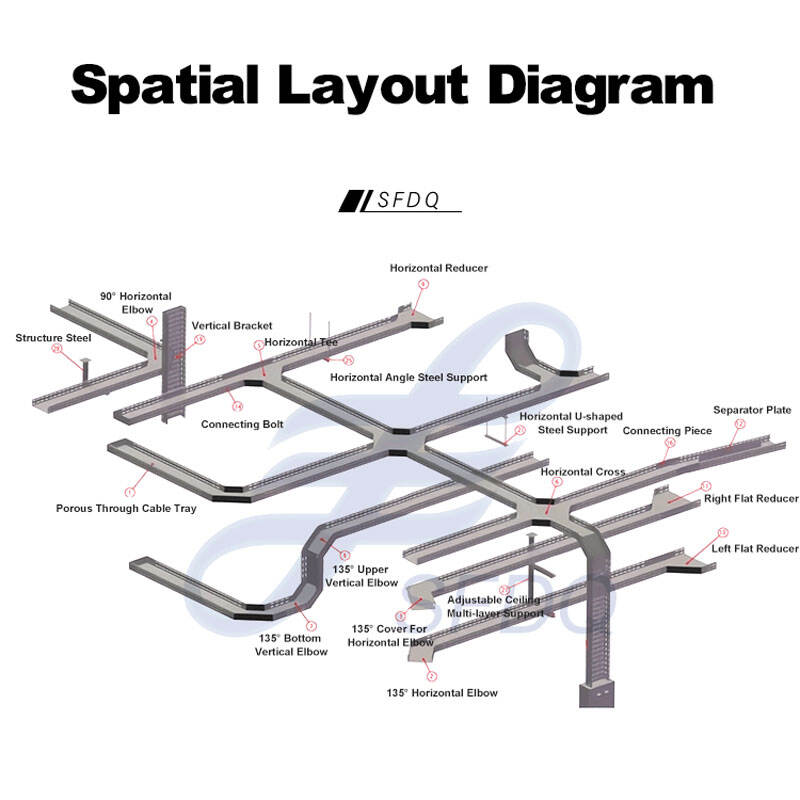
The remarkable design adaptability of an industrial cable tray system enables engineers to create customized solutions that accommodate the most complex architectural and electrical requirements. This versatility begins with modular components that can be configured in virtually unlimited combinations to navigate obstacles, change directions, and transition between different elevations seamlessly. The standardized connection methods ensure compatibility between different manufacturers and product lines, providing flexibility in procurement and future expansions. Installation teams benefit from the intuitive assembly process that requires minimal specialized tools while maintaining structural integrity and electrical continuity. The industrial cable tray design accommodates both straight runs and complex routing scenarios, including vertical risers, horizontal distribution, and intricate three-dimensional pathways through congested areas. Adjustable mounting systems allow for precise positioning and alignment even when building structures have dimensional variations or construction tolerances. The flexibility extends to cable capacity management, with systems designed to handle initial installation requirements while providing expansion capacity for future growth. Different tray widths, depths, and load ratings can be integrated within the same installation to optimize each section for its specific function. Specialty components address unique challenges such as fire-rated barriers, seismic separation joints, and transition interfaces with other electrical systems. The industrial cable tray installation process adapts to various construction schedules, allowing for early installation of support structures followed by cable installation as other construction activities are completed. Retrofit applications benefit from the system's ability to work within existing building constraints while minimizing disruption to ongoing operations. The design flexibility accommodates mixed voltage systems with appropriate separation requirements, enabling efficient utilization of available space. Maintenance access considerations are integrated into the design process, ensuring that personnel can perform necessary tasks safely and efficiently throughout the system's operational life. Environmental adaptations include specialized components for outdoor installations, corrosive atmospheres, and extreme temperature conditions, demonstrating the comprehensive versatility of modern industrial cable tray solutions.
Inquiry Inquiry Email Email Tel Tel TopTop

Get a Free Quote

Our representative will contact you soon.
Email
Name
Company Name
WhatsApp
Message
0/1000