Premium Cable Tray for Ceiling - Efficient Overhead Cable Management Solutions

Get a Free Quote

Our representative will contact you soon.
Email
Name
Company Name
WhatsApp
Message
0/1000

cable tray for ceiling

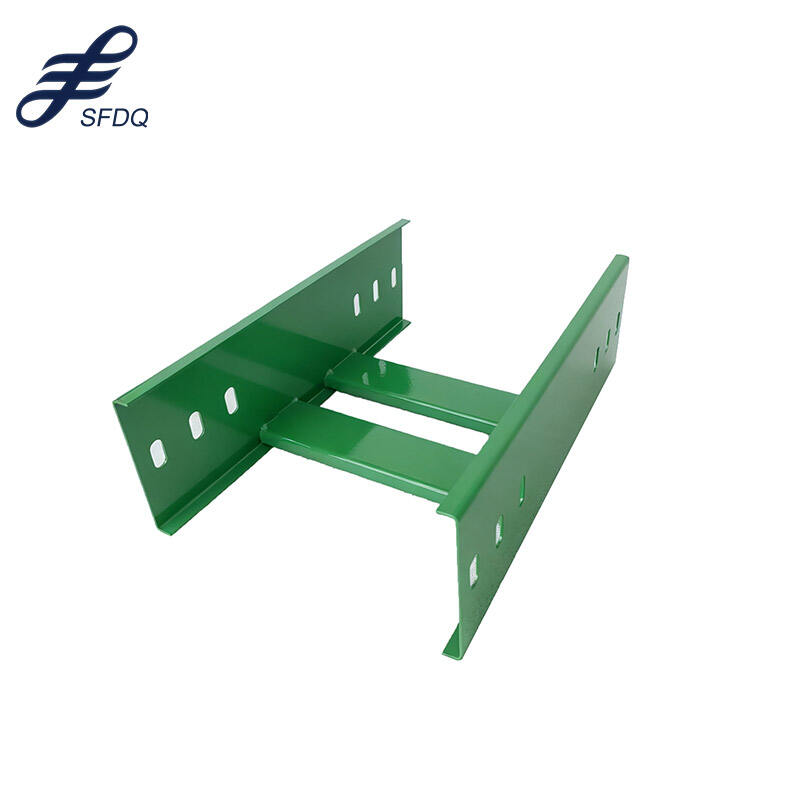
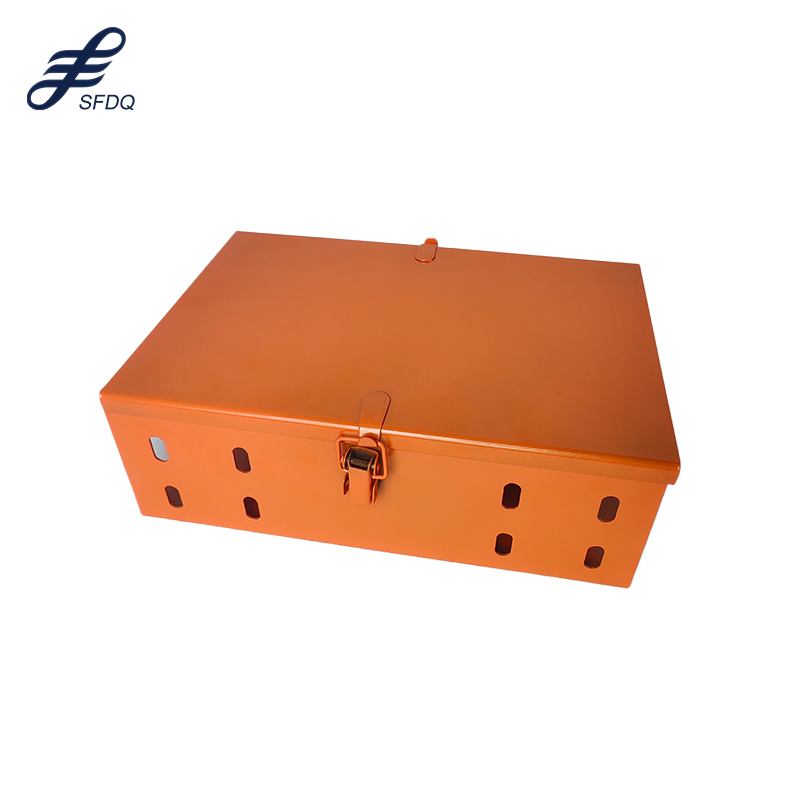
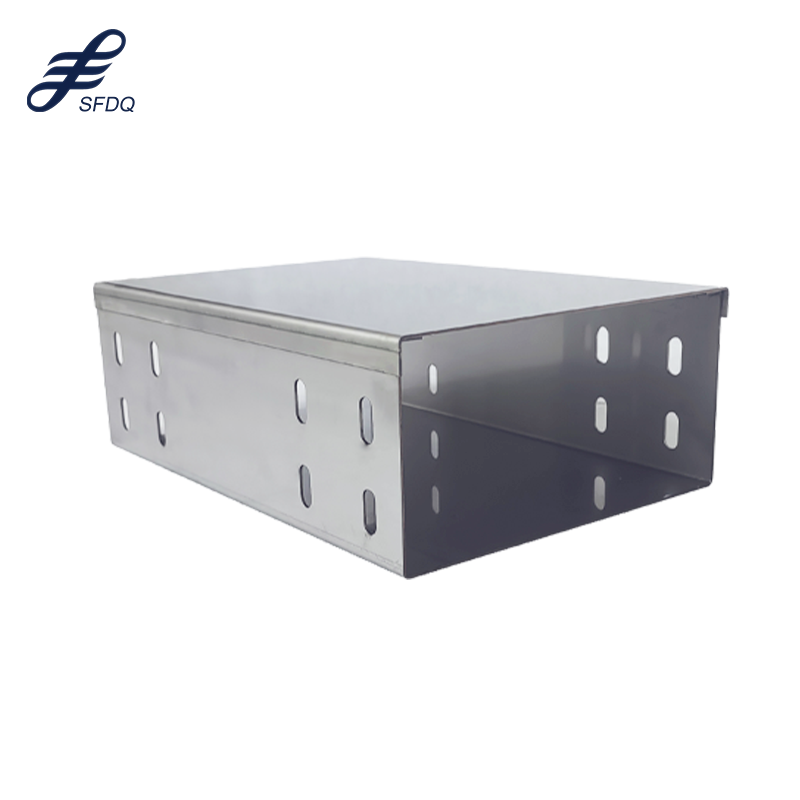
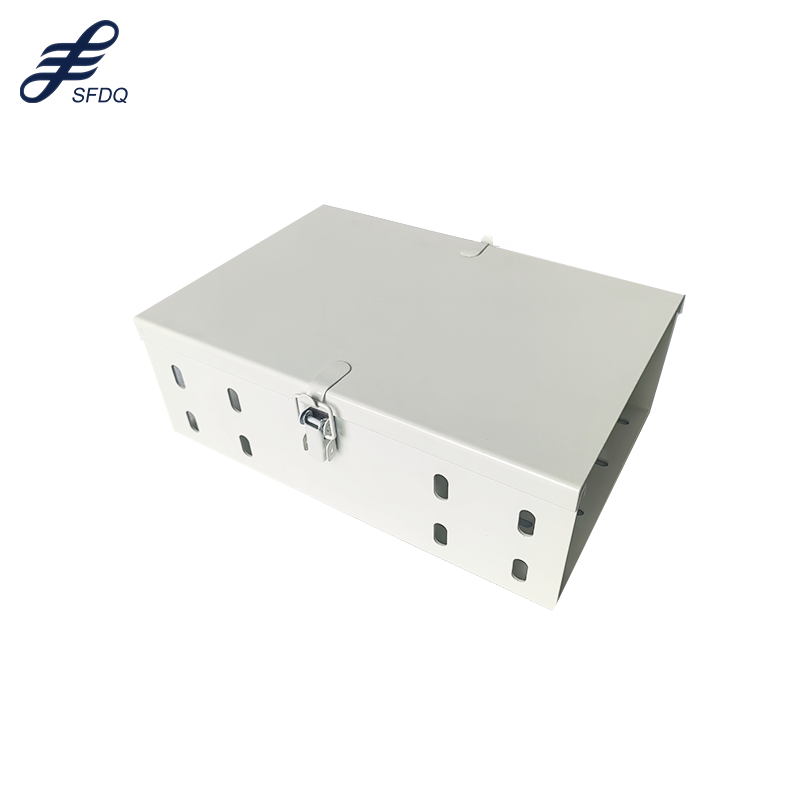
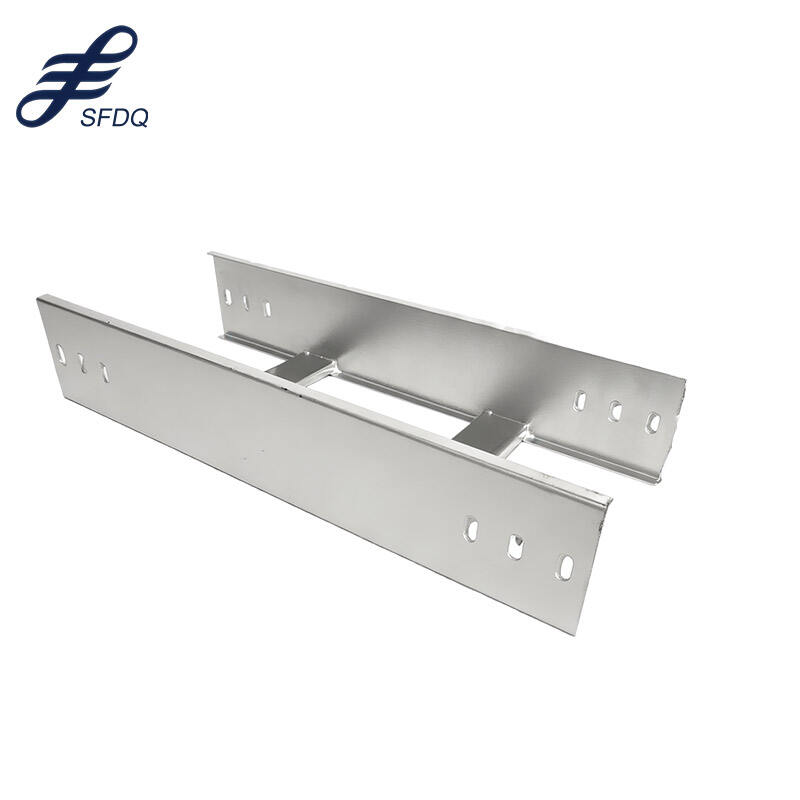
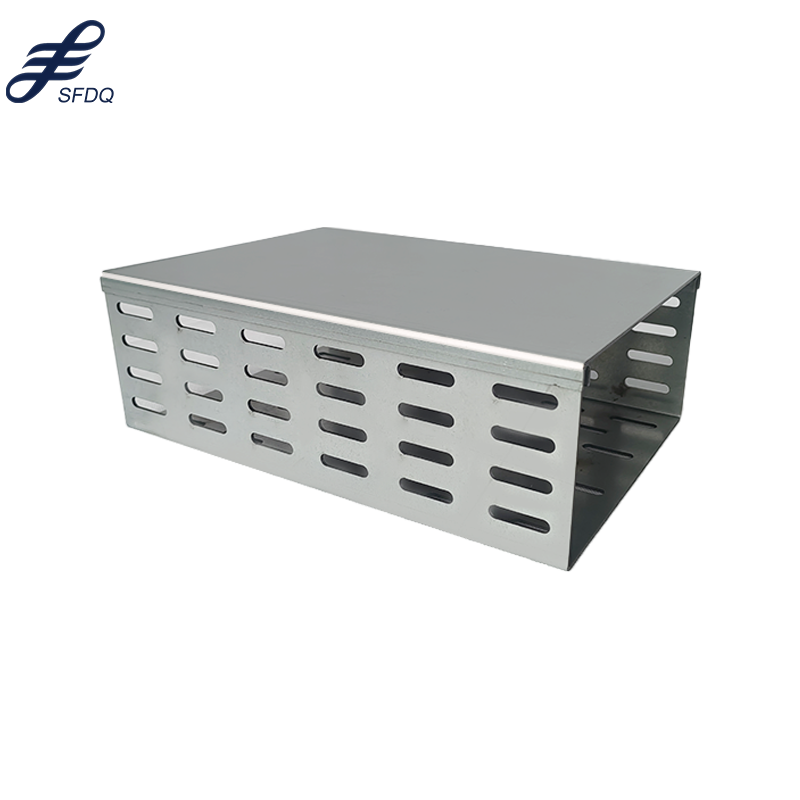
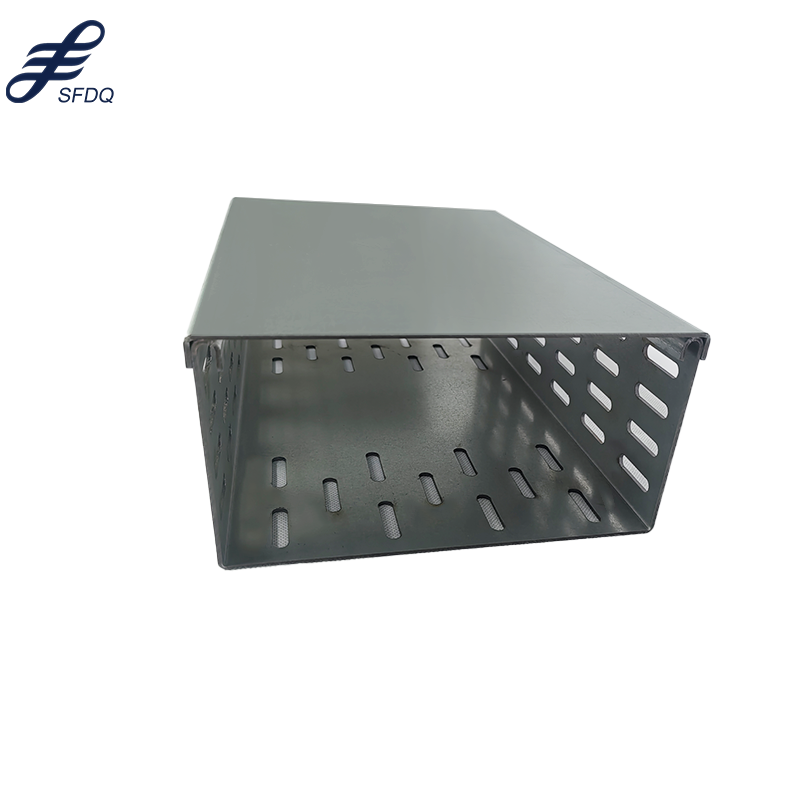
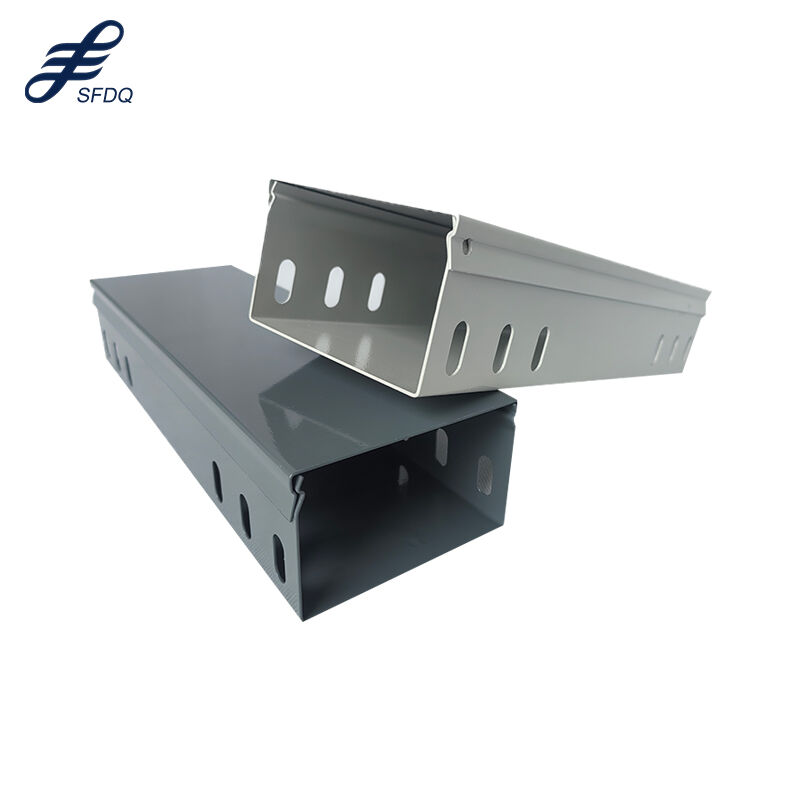
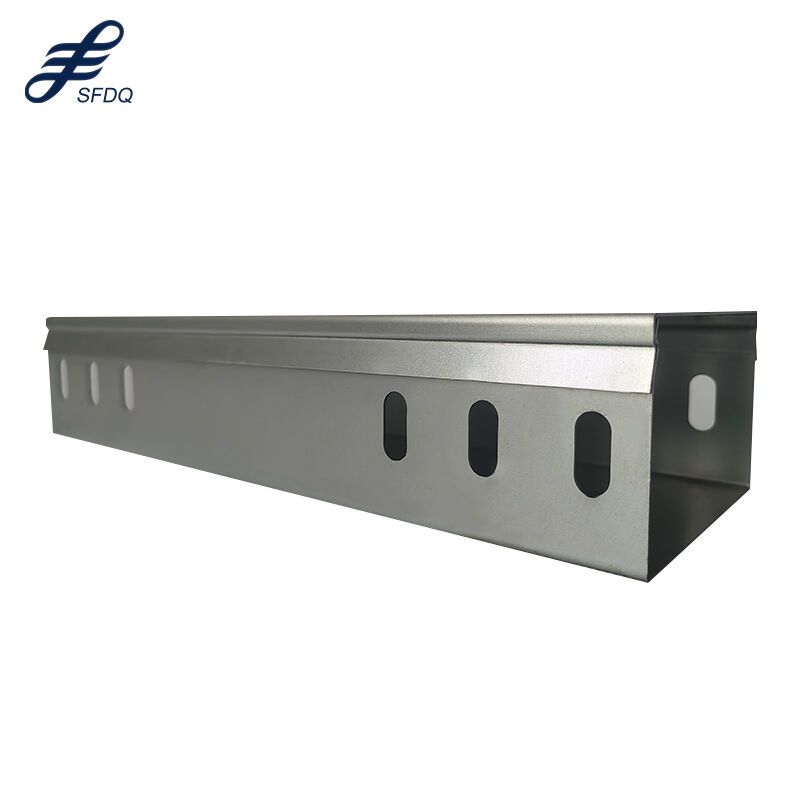
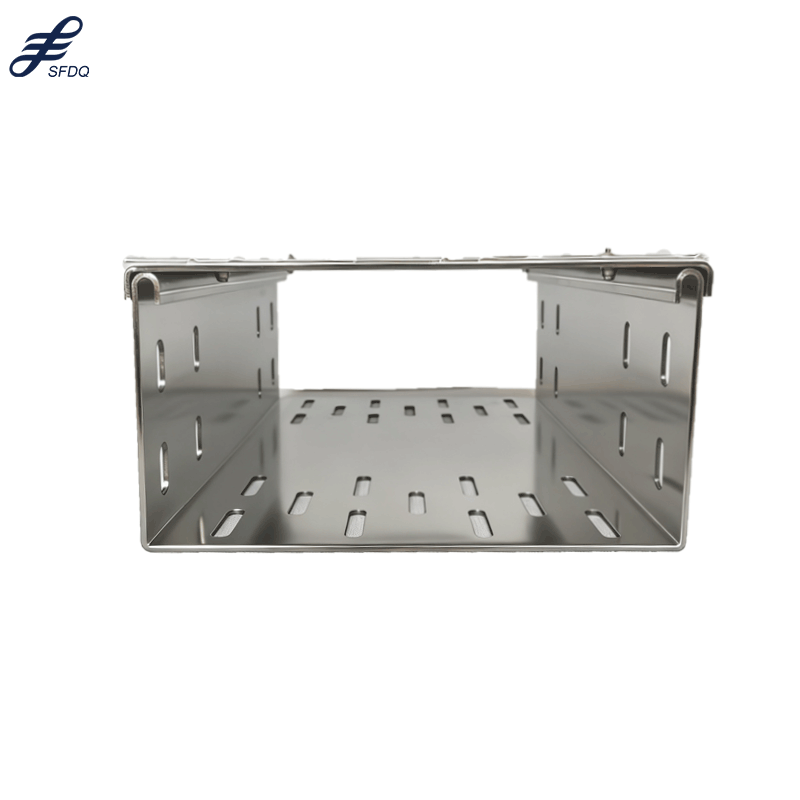
A cable tray for ceiling represents an essential infrastructure solution designed to organize, protect, and route electrical cables and wiring systems throughout commercial, industrial, and residential buildings. This overhead cable management system consists of metal or composite structures that mount directly to ceiling surfaces, providing a secure pathway for power cables, data transmission lines, and communication wiring. The cable tray for ceiling serves as the backbone of modern electrical distribution systems, ensuring cables remain properly organized while maintaining easy access for maintenance and future modifications. These systems incorporate various materials including galvanized steel, aluminum, and fiberglass, each offering specific benefits for different environmental conditions. The technological features of ceiling-mounted cable trays include perforated designs for ventilation, solid bottoms for enhanced protection, and ladder-style configurations for maximum airflow. Advanced cable tray for ceiling systems feature modular components that allow for seamless integration with existing building infrastructure. The mounting hardware utilizes specialized brackets and support systems engineered to handle substantial cable loads while maintaining structural integrity. Modern installations incorporate smart cable management features such as integrated cable guides, removable covers, and expansion joints that accommodate building movement. Applications span across diverse sectors including manufacturing facilities, data centers, hospitals, educational institutions, and commercial office buildings. The cable tray for ceiling proves particularly valuable in environments requiring frequent cable modifications or additions, as the accessible overhead design eliminates the need for costly wall penetrations or floor disruptions. Fire-rated versions meet stringent safety codes while maintaining optimal cable organization. The versatility of ceiling cable trays extends to specialized environments such as clean rooms, laboratories, and food processing facilities where contamination control remains critical.

Popular Products

The cable tray for ceiling delivers numerous practical benefits that make it an indispensable choice for modern electrical installations. First, it significantly reduces installation time and labor costs compared to traditional conduit systems. Workers can easily lay multiple cables simultaneously without threading individual wires through confined spaces. This efficiency translates to substantial project savings, especially in large commercial buildings where extensive wiring networks are required. The accessibility factor stands out as another major advantage, as maintenance personnel can quickly inspect, repair, or add new cables without disrupting building operations. Unlike buried conduits or wall-mounted systems, ceiling cable trays provide immediate visual access to all components. The cable tray for ceiling also offers superior heat dissipation properties, preventing cable overheating that can lead to system failures or safety hazards. The open design promotes natural air circulation around cables, extending their operational lifespan and maintaining optimal performance. Safety improvements represent another compelling advantage, as properly installed ceiling trays eliminate tripping hazards associated with floor-level cable runs. They also reduce fire risks by keeping cables elevated and organized, preventing dangerous cable bunching that can create hot spots. The modular nature of cable tray for ceiling systems allows for easy expansion and reconfiguration as business needs evolve. Companies can add new circuits or reroute existing ones without major construction work. This flexibility proves invaluable in dynamic environments where technology upgrades occur frequently. Cost-effectiveness extends beyond initial installation, as ceiling cable trays require minimal ongoing maintenance compared to enclosed systems. The visual inspection capability means potential issues can be identified and resolved before they become costly problems. Environmental benefits include reduced material waste, as ceiling trays can be easily relocated and reused in different configurations. The durable construction materials ensure long service life, reducing replacement costs and environmental impact over time.

Practical Tips

The Advantages of Using Cable Ladders for Heavy Cables

15

Jan

The Advantages of Using Cable Ladders for Heavy Cables

In the grand architecture of an industrial facility, the most critical systems are often the ones tucked away overhead or beneath the floorboards. While the spotlight often shines on high-speed CNC wire bending machines or the intricate robotics of ...
View More
What is Tray Cable (TC)? An Essential Guide

19

Feb

What is Tray Cable (TC)? An Essential Guide

In the high-stakes world of industrial infrastructure, the reliability of electrical systems is the invisible backbone of production. Whether you are overseeing a massive metallurgy plant, managing an automotive parts assembly line, or operating hig...
View More
How Cable Tray Manufacturers Ensure Quality

24

Mar

How Cable Tray Manufacturers Ensure Quality

Quality assurance remains the cornerstone of excellence for any reputable cable tray manufacturer in today's competitive industrial landscape. The manufacturing process involves rigorous testing protocols, advanced materials selection, and comprehens...
View More
Grades of Stainless Steel for Cable Trays (304 vs 316)

24

Apr

Grades of Stainless Steel for Cable Trays (304 vs 316)

The selection of stainless steel grades for industrial cable management systems represents a critical decision that directly impacts performance, longevity, and operational costs. When specifying a stainless steel cable tray for your project, underst...
View More

Get a Free Quote

Our representative will contact you soon.
Email
Name
Company Name
WhatsApp
Message
0/1000

cable tray for ceiling

Superior Load-Bearing Capacity and Structural Integrity

Superior Load-Bearing Capacity and Structural Integrity

The cable tray for ceiling excels in providing exceptional load-bearing capacity that surpasses conventional cable management solutions. Engineering specifications typically allow these systems to support substantial cable loads ranging from 50 to 300 pounds per linear foot, depending on the specific design and mounting configuration. This remarkable strength comes from advanced structural engineering that distributes weight evenly across support points, preventing sagging or structural failure even under maximum load conditions. The robust construction utilizes high-grade materials such as galvanized steel with reinforced edges and strategically placed support ribs that enhance overall system integrity. Professional installation teams can confidently route heavy power cables, multiple data lines, and communication bundles simultaneously without compromising safety or performance. The cable tray for ceiling incorporates sophisticated load distribution algorithms in its design, ensuring that concentrated loads are effectively transferred to building structural elements through properly engineered mounting brackets. This structural reliability proves essential in critical applications such as hospitals, data centers, and manufacturing facilities where cable system failure could result in significant operational disruptions or safety hazards. The superior engineering also accounts for dynamic loads, thermal expansion, and seismic activity, making these systems suitable for diverse geographical locations and building types. Quality manufacturers subject their cable tray for ceiling products to rigorous testing protocols that simulate real-world conditions, including load cycling, environmental exposure, and mechanical stress scenarios. This testing ensures consistent performance over extended service periods, typically spanning decades with minimal maintenance requirements. The structural integrity extends to connection points and joining hardware, where precision-engineered fittings create seamless cable pathways that maintain load-bearing capacity throughout the entire system. Professional engineers often specify cable tray for ceiling systems specifically for their proven ability to handle future cable additions without requiring structural modifications or reinforcement.
Advanced Ventilation and Thermal Management Properties

Advanced Ventilation and Thermal Management Properties

The cable tray for ceiling incorporates sophisticated ventilation and thermal management features that significantly outperform enclosed cable management systems. The open-grid design promotes optimal airflow circulation around cables, preventing heat buildup that can degrade cable performance and reduce system lifespan. This natural cooling effect becomes particularly crucial in high-density cable installations where multiple power circuits generate substantial heat loads. Advanced perforated designs in modern cable tray for ceiling systems feature calculated hole patterns that maximize air movement while maintaining structural strength and cable support capabilities. The ventilation properties help maintain cable operating temperatures within manufacturer specifications, ensuring reliable performance and extending cable life by preventing thermal stress and insulation degradation. Professional electrical engineers recognize that proper thermal management directly correlates with system reliability and safety, making the cable tray for ceiling an essential component in mission-critical applications. The enhanced cooling characteristics also allow for higher cable fill ratios compared to enclosed systems, maximizing the utility of available space while maintaining safety standards. This thermal efficiency proves especially valuable in server rooms, industrial control panels, and power distribution centers where heat dissipation challenges traditional cable management approaches. The cable tray for ceiling design accommodates natural convection currents that continuously refresh air around cables, creating a self-cooling environment that requires no additional ventilation equipment. Advanced computational fluid dynamics modeling demonstrates how the open architecture promotes laminar airflow patterns that efficiently remove heat from cable surfaces. This natural cooling mechanism reduces the need for supplementary ventilation systems, resulting in lower energy costs and reduced mechanical complexity. The thermal benefits extend to fire safety considerations, as well-ventilated cables are less likely to overheat and pose ignition risks. Professional installations often incorporate temperature monitoring systems that work synergistically with the cable tray for ceiling ventilation properties to provide comprehensive thermal management solutions.
Flexible Installation and Future Expansion Capabilities

Flexible Installation and Future Expansion Capabilities

The cable tray for ceiling offers unmatched flexibility in installation methods and future expansion possibilities that traditional cable management systems cannot match. This adaptability begins with multiple mounting options that accommodate various ceiling types, structural configurations, and building layouts. Professional installers can choose from suspended rod systems, direct ceiling attachments, or integrated structural supports depending on specific project requirements and building constraints. The modular design philosophy behind cable tray for ceiling systems enables seamless integration with existing building infrastructure while providing clear pathways for future modifications and expansions. This forward-thinking approach proves invaluable for businesses experiencing growth or technological evolution, as new cables can be added without disrupting existing systems or requiring extensive construction work. The flexibility extends to routing options, where the cable tray for ceiling can navigate around obstacles, change elevations, and accommodate complex building geometries through specialized fittings and transition pieces. Professional design teams appreciate the ability to create custom configurations that optimize cable pathways while maintaining accessibility for maintenance and inspection activities. The installation flexibility also encompasses different cable types and sizes, as the open design accommodates everything from low-voltage data cables to high-current power conductors within the same system. This versatility eliminates the need for multiple separate cable management systems, reducing both installation costs and ongoing maintenance complexity. Future expansion capabilities represent a significant competitive advantage, as businesses can easily modify their cable infrastructure to support new equipment, technology upgrades, or operational changes. The cable tray for ceiling design anticipates these needs through generous sizing margins and strategic expansion points that facilitate seamless system growth. Professional facility managers often choose these systems specifically for their long-term adaptability, knowing that future modifications will be straightforward and cost-effective. The flexible installation also supports phased construction projects where cable infrastructure must be installed progressively as building areas become available.
Inquiry Inquiry Email Email Tel Tel TopTop

Get a Free Quote

Our representative will contact you soon.
Email
Name
Company Name
WhatsApp
Message
0/1000