Exceptional Installation Flexibility and Customization Options
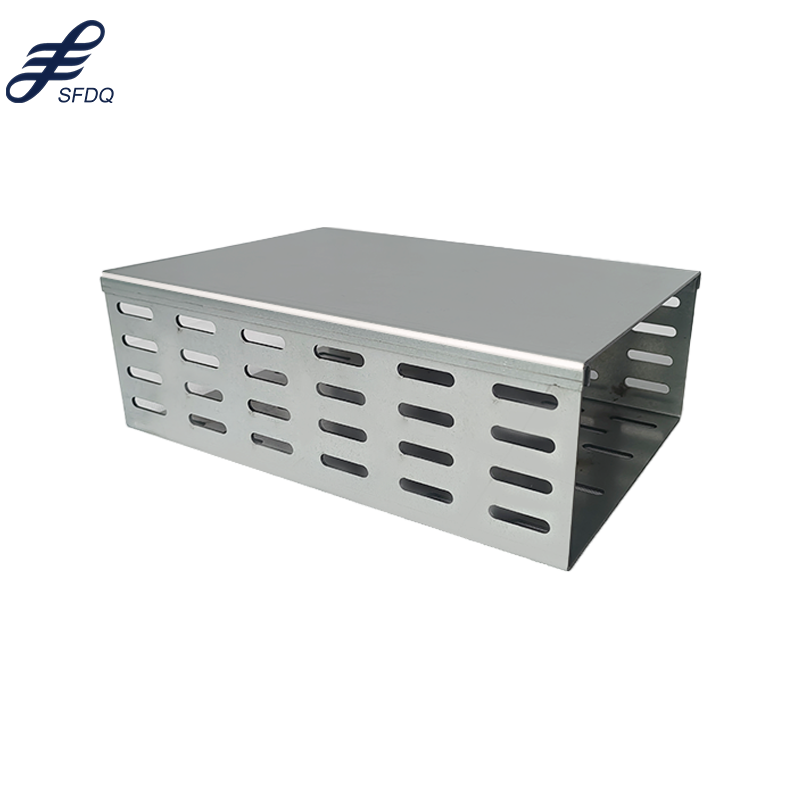
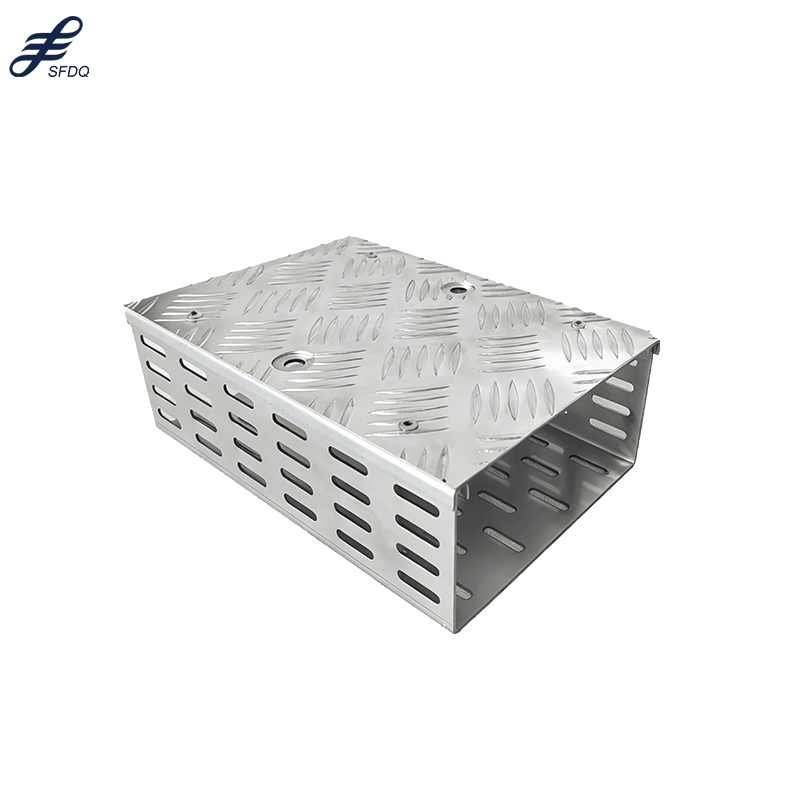
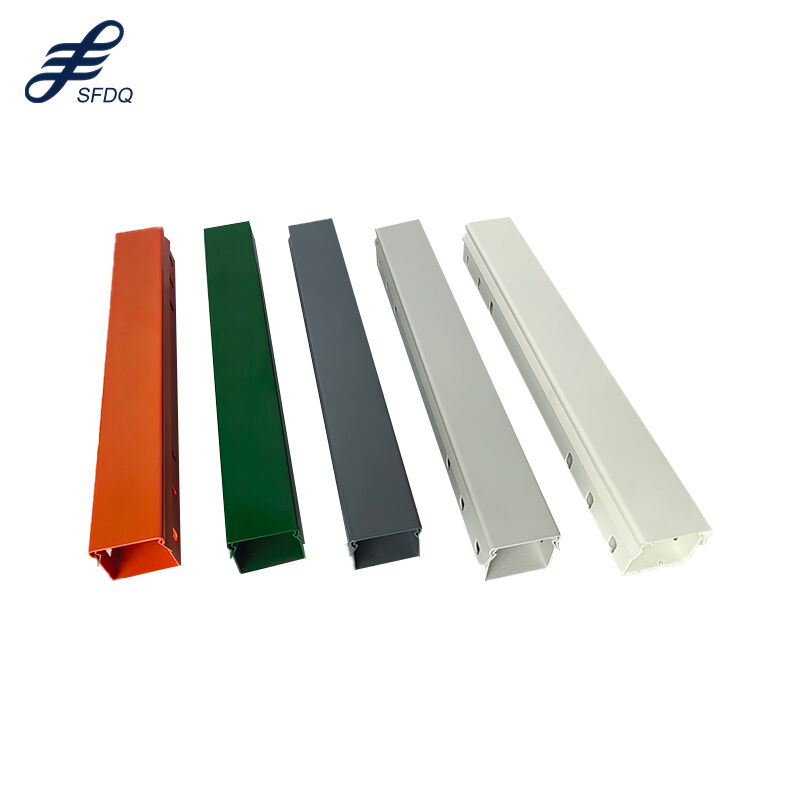
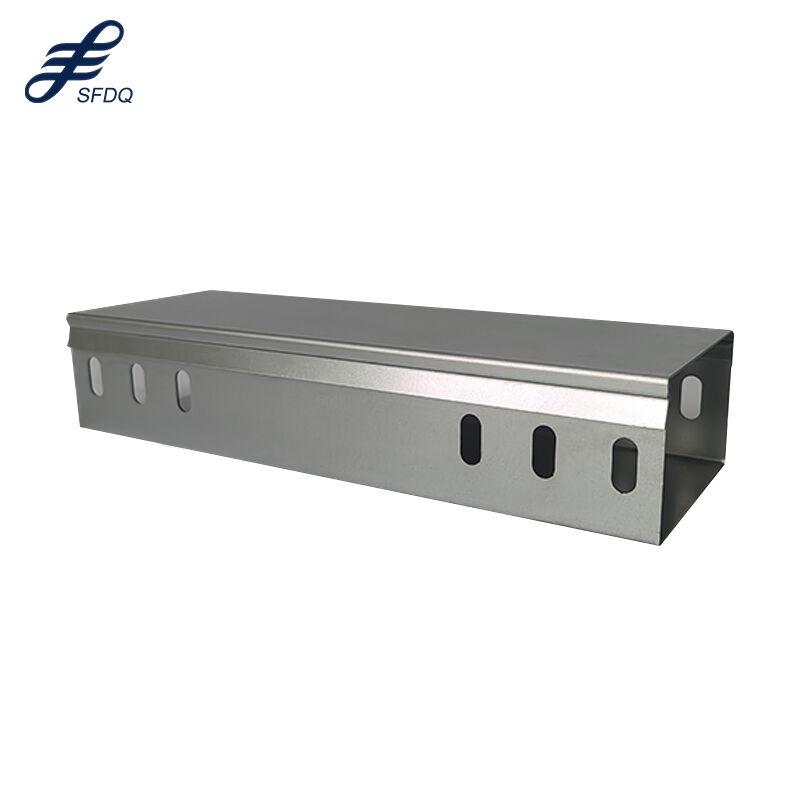
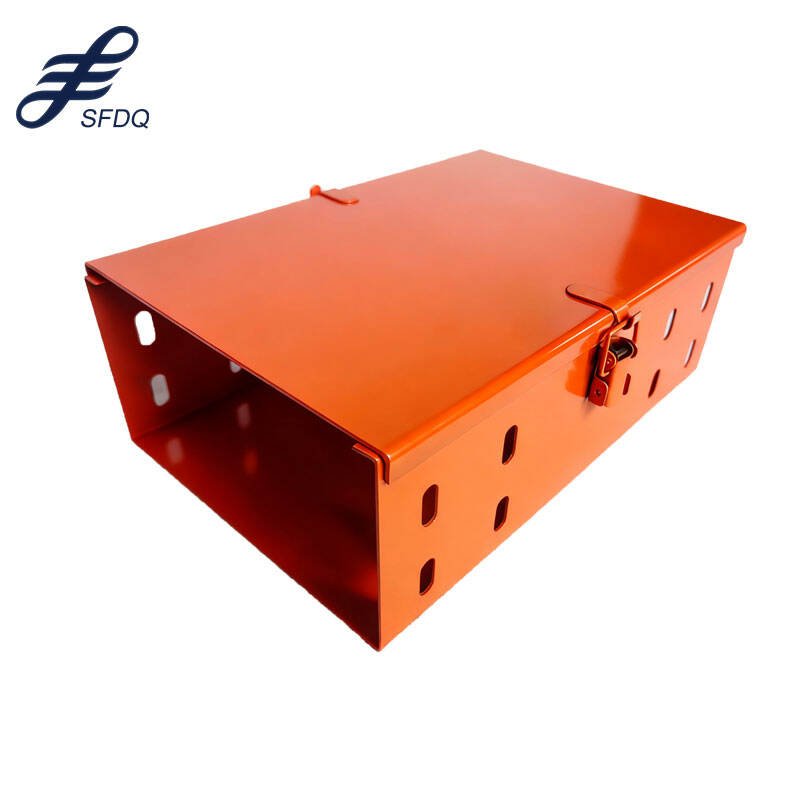
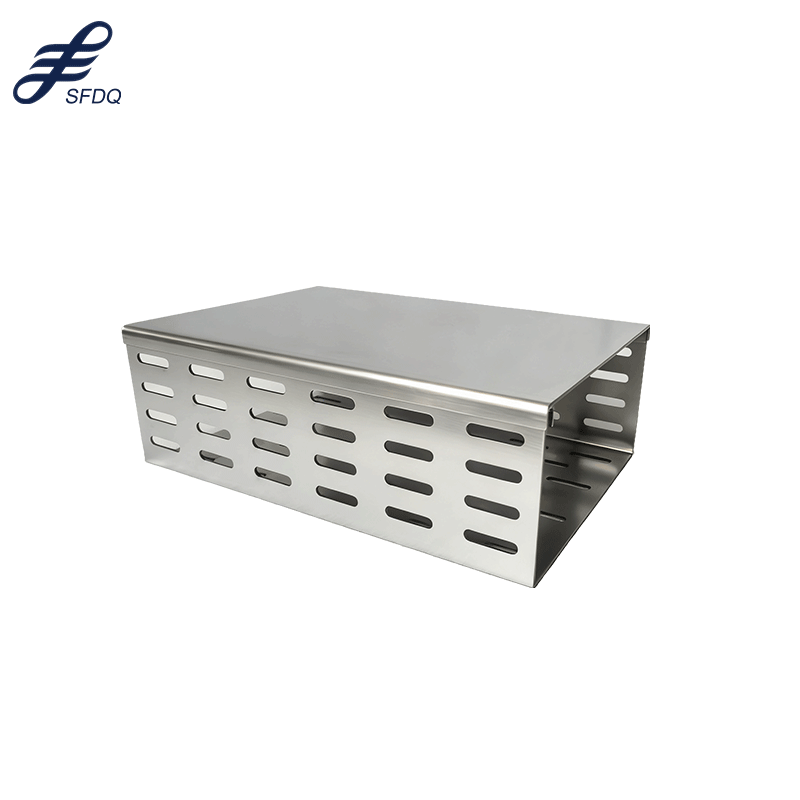
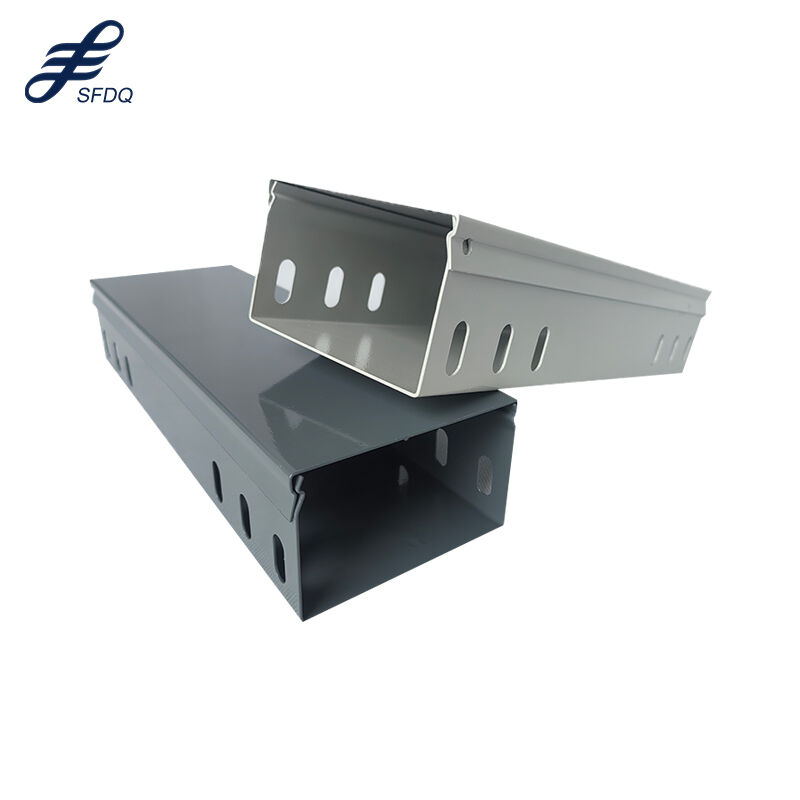
Installation versatility represents a cornerstone advantage of the medium duty cable tray system, offering unprecedented flexibility for complex routing requirements and diverse facility configurations. The modular design philosophy enables custom configurations that adapt to unique architectural constraints and electrical distribution needs. Standard straight sections, curves, tees, crosses, and reducers provide comprehensive routing options while maintaining system integrity and performance characteristics. Adjustable mounting brackets accommodate various support structures and spacing requirements, allowing installation teams to work efficiently in challenging environments. The medium duty cable tray system supports multiple installation methods, including ceiling suspension, wall mounting, and floor-standing configurations, providing solutions for virtually any facility layout. Field modification capabilities allow on-site cutting and fitting adjustments without specialized tools or factory support, reducing project delays and installation costs. The standardized connection methods ensure reliable joints between components while allowing easy disassembly for system modifications or relocations. Cable entry and exit points can be positioned anywhere along the system length, providing maximum flexibility for branch circuits and equipment connections. The open design facilitates cable installation and removal without disturbing adjacent runs, supporting phased construction and future system expansions. Compatibility with various cable types, including power, control, instrumentation, and communication cables, makes the medium duty cable tray suitable for multi-purpose installations. Integration with other building systems becomes straightforward through standardized mounting interfaces and dimensional coordination with architectural elements. The system's adaptability extends to special environments, with available coatings and materials that resist corrosion, chemicals, and extreme temperatures while maintaining structural performance.
 EN
EN