Ladder Rack Cable Tray Systems - Superior Cable Management Solutions for Industrial and Commercial Applications

Get a Free Quote

Our representative will contact you soon.
Email
Name
Company Name
WhatsApp
Message
0/1000

ladder rack cable tray

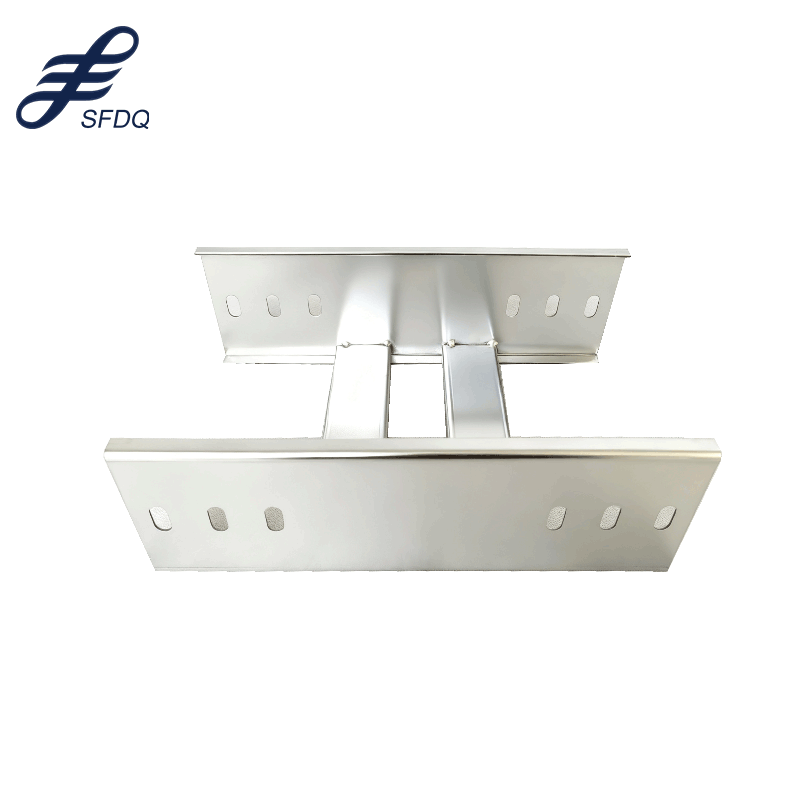
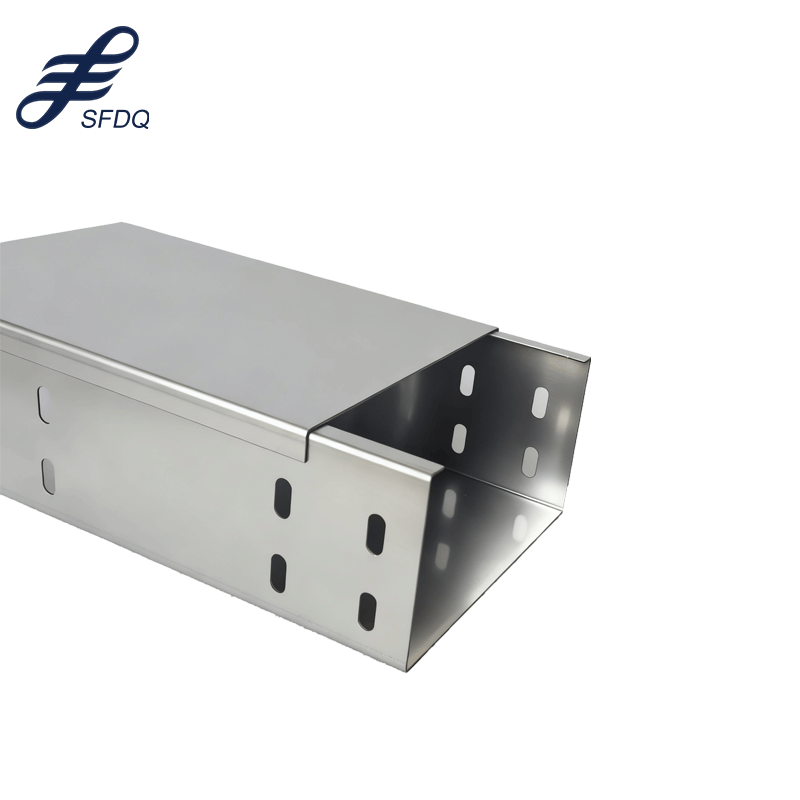
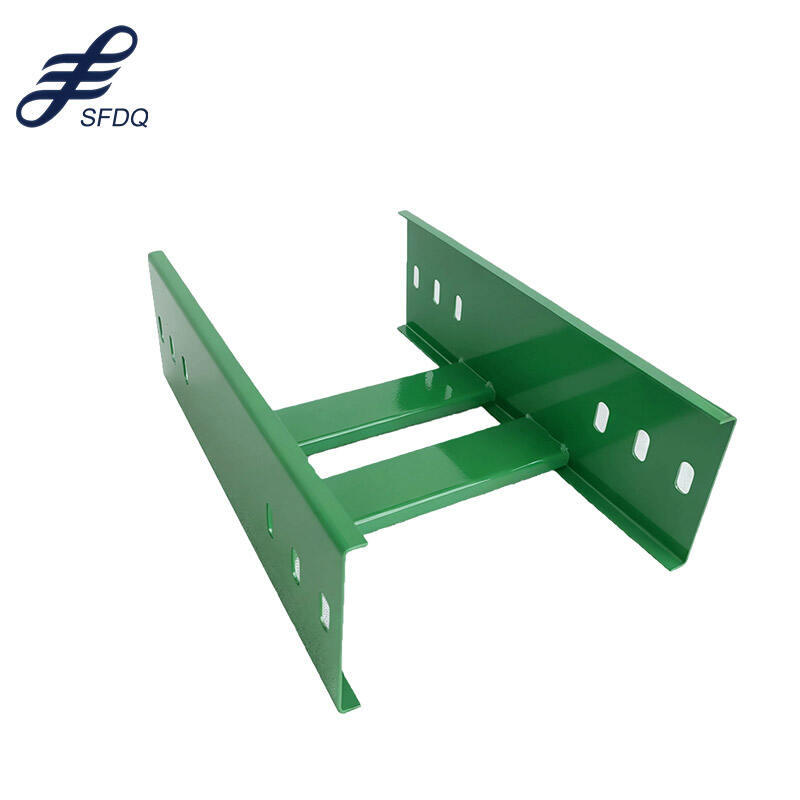
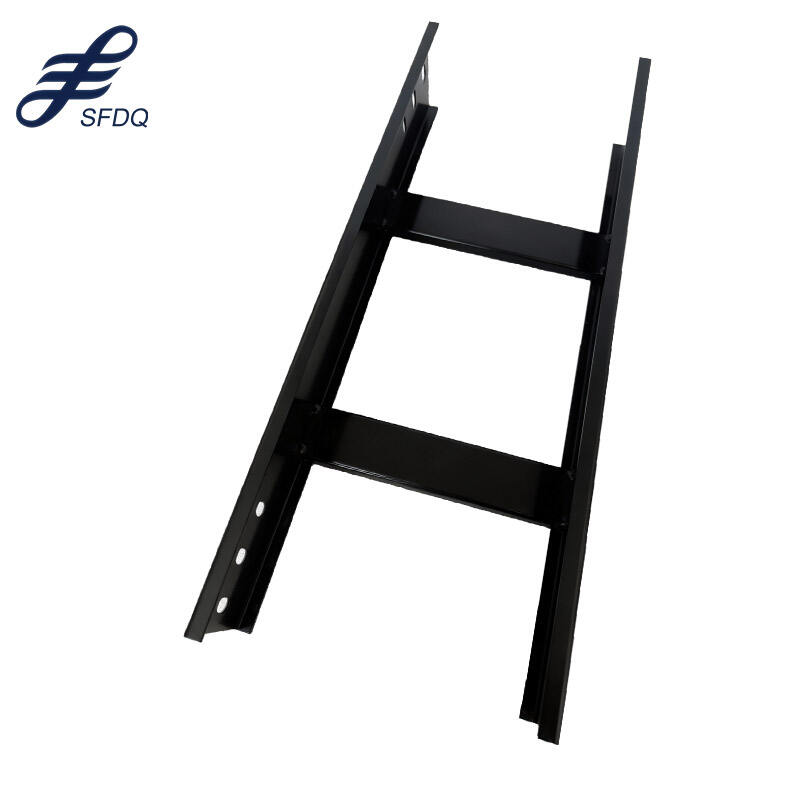
A ladder rack cable tray represents a fundamental infrastructure component designed to organize, support, and protect electrical cables and data wiring systems in commercial, industrial, and residential applications. This robust cable management solution features a distinctive ladder-like construction with parallel side rails connected by evenly spaced rungs, creating an open framework that facilitates easy cable installation and maintenance. The ladder rack cable tray system provides exceptional ventilation for heat dissipation while maintaining structural integrity under various load conditions. The open design allows for natural airflow circulation around cables, preventing overheating and extending the operational lifespan of electrical installations. Modern ladder rack cable tray systems incorporate advanced engineering principles to deliver superior performance in demanding environments. These systems typically feature galvanized steel, aluminum, or stainless steel construction, ensuring corrosion resistance and long-term durability. The modular design enables flexible configuration options, allowing installers to create customized routing paths that accommodate complex building layouts and changing infrastructure requirements. Technological innovations in ladder rack cable tray manufacturing include precision-formed side rails that provide enhanced strength-to-weight ratios, while the rung spacing optimization ensures optimal cable support without excessive material usage. The installation process benefits from standardized connection methods, including bolted joints, welded assemblies, and snap-fit components that streamline assembly procedures. Applications for ladder rack cable tray systems span across data centers, manufacturing facilities, commercial buildings, telecommunications infrastructure, and power distribution networks. These versatile systems accommodate various cable types, including power cables, control wiring, fiber optic cables, and communication lines, making them essential for modern electrical installations that require reliable cable management solutions.

New Products

The ladder rack cable tray offers numerous practical benefits that make it an ideal choice for electrical contractors, facility managers, and building owners seeking efficient cable management solutions. Installation simplicity stands out as a primary advantage, as the open ladder design allows technicians to easily route cables without threading them through enclosed channels. This accessibility significantly reduces installation time and labor costs compared to traditional conduit systems. Maintenance operations become more efficient with ladder rack cable tray systems because cables remain visible and accessible for inspection, troubleshooting, and modifications. The open framework design promotes excellent heat dissipation, which is crucial for maintaining optimal operating temperatures in high-density cable installations. This natural cooling effect helps prevent cable degradation and reduces the need for additional ventilation systems, resulting in lower energy consumption and operational costs. The structural design of ladder rack cable tray systems provides exceptional load-bearing capacity while maintaining relatively lightweight construction. This combination allows for longer spans between support points, reducing the number of mounting brackets required and minimizing installation complexity. The modular nature of these systems enables easy expansion and reconfiguration as electrical needs evolve, providing long-term flexibility for growing businesses and changing infrastructure requirements. Cost-effectiveness emerges as another significant advantage, as ladder rack cable tray systems typically require less material than enclosed cable management alternatives while providing superior performance characteristics. The durability of properly selected materials ensures minimal maintenance requirements and extended service life, contributing to favorable total cost of ownership calculations. Safety benefits include improved fire protection characteristics, as the open design allows for better sprinkler system coverage and reduces the risk of cable overheating. Additionally, the organized cable routing reduces trip hazards and creates cleaner work environments. Environmental considerations favor ladder rack cable tray systems because they often incorporate recyclable materials and require fewer resources during manufacturing compared to more complex cable management solutions.

Practical Tips

​Cable Tray: The Backbone of Efficient Cable Management - From SFDQ Factory

20

Nov

​Cable Tray: The Backbone of Efficient Cable Management - From SFDQ Factory

View More
Why Choose SFDQ’s Cable Tray?

20

Nov

Why Choose SFDQ’s Cable Tray?

View More
Unlock the Power of Factory Cable Trays with CE and ISO Certifications

20

Nov

Unlock the Power of Factory Cable Trays with CE and ISO Certifications

View More
SFDQ Participates in Saudi Exhibitions

05

Dec

SFDQ Participates in Saudi Exhibitions

Bringing High-Quality Cable Trays to Deepen Presence in the Middle East Infrastructure Market​
View More

Get a Free Quote

Our representative will contact you soon.
Email
Name
Company Name
WhatsApp
Message
0/1000

ladder rack cable tray

Superior Load Distribution and Structural Integrity

Superior Load Distribution and Structural Integrity

The ladder rack cable tray excels in providing exceptional structural support through its innovative load distribution mechanism, which represents a significant advancement over traditional cable management approaches. The parallel side rail configuration creates a robust foundation that distributes weight evenly across the entire span length, eliminating stress concentration points that could lead to system failure. This engineering principle allows ladder rack cable tray installations to support substantial cable loads while maintaining deflection within acceptable limits, even when spanning considerable distances between mounting points. The rung spacing optimization plays a crucial role in achieving this superior load distribution by providing consistent support intervals that prevent cable sagging and maintain proper bend radius requirements. Advanced manufacturing techniques ensure that each rung connection point maintains structural continuity with the side rails, creating a unified framework that responds to loads as a single structural element rather than individual components. This integrated approach to load management enables ladder rack cable tray systems to accommodate dynamic loads from cable installation activities, thermal expansion and contraction cycles, and environmental factors such as wind loading in outdoor applications. The material selection process for ladder rack cable tray construction focuses on achieving optimal strength-to-weight ratios while maintaining corrosion resistance and dimensional stability under varying temperature conditions. High-grade steel alloys and aluminum compositions provide the necessary mechanical properties while keeping overall system weight manageable for installation crews. The structural integrity of ladder rack cable tray systems extends beyond static load considerations to include fatigue resistance under cyclic loading conditions, ensuring long-term performance reliability in applications where cables may be frequently added, removed, or replaced throughout the system's operational lifespan.
Enhanced Accessibility and Maintenance Efficiency

Enhanced Accessibility and Maintenance Efficiency

The open architecture of ladder rack cable tray systems revolutionizes cable accessibility and maintenance operations, delivering significant operational advantages that translate directly into reduced lifecycle costs and improved system reliability. Unlike enclosed cable management solutions that require disassembly for access, the ladder rack cable tray design provides immediate visibility and reach to all installed cables from multiple approach angles. This accessibility advantage proves invaluable during routine inspections, allowing maintenance personnel to quickly identify potential issues such as cable degradation, connector problems, or unauthorized modifications without disrupting adjacent systems. The visual inspection capabilities inherent in ladder rack cable tray installations enable proactive maintenance strategies that can prevent costly downtime and emergency repairs. Technicians can easily assess cable conditions, verify proper support spacing, and monitor for environmental factors that might affect system performance. The open framework facilitates the use of various diagnostic tools and testing equipment without requiring temporary removal of cables or system components, streamlining troubleshooting procedures and reducing diagnostic time requirements. Cable additions and modifications become significantly more efficient with ladder rack cable tray systems because new cables can be routed alongside existing installations without major disruption. The accessibility factor allows for strategic cable placement that considers future expansion requirements, separation requirements for different cable types, and optimization of cable routing paths for improved performance characteristics. Maintenance scheduling benefits from the enhanced accessibility because routine tasks such as cable tie replacement, support adjustment, and cleaning operations can be completed quickly without specialized access equipment or extensive preparation procedures. The ability to perform maintenance work safely and efficiently contributes to improved workplace safety conditions while reducing the total time and resources required for system upkeep throughout the operational lifespan of the installation.
Optimal Thermal Management and Cable Protection

Optimal Thermal Management and Cable Protection

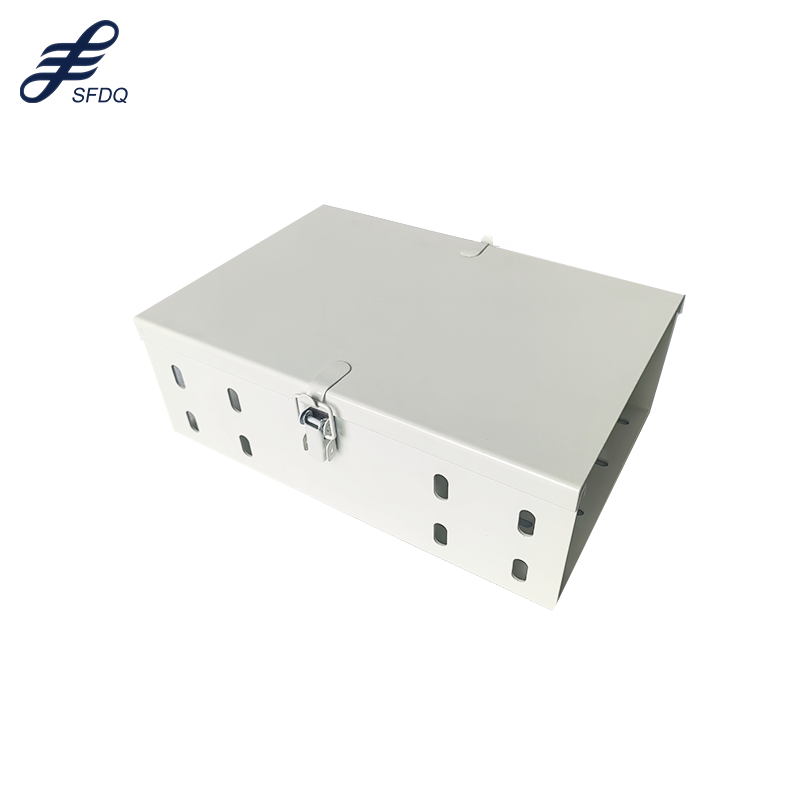
The thermal management capabilities of ladder rack cable tray systems represent a fundamental advantage that directly impacts cable performance, longevity, and overall system reliability in demanding electrical applications. The open rung design creates natural convection pathways that promote continuous airflow circulation around installed cables, effectively dissipating heat generated by electrical current flow and preventing the temperature buildup that commonly occurs in enclosed cable management systems. This passive cooling mechanism operates without additional energy consumption while providing consistent thermal regulation that helps maintain cable operating temperatures within manufacturer specifications. The spacing between rungs allows for strategic cable placement that optimizes heat dissipation characteristics by preventing tight cable bundling that could restrict airflow and create localized hot spots. Advanced thermal analysis demonstrates that ladder rack cable tray installations typically maintain cable temperatures several degrees lower than comparable enclosed systems under identical loading conditions. This temperature reduction directly translates to extended cable service life, reduced insulation degradation, and improved electrical performance characteristics over time. The protection aspects of ladder rack cable tray systems extend beyond thermal management to include mechanical protection from physical damage while maintaining the accessibility advantages that distinguish this approach from alternative solutions. The structural framework provides a protective barrier that shields cables from impact damage, while the open design prevents moisture accumulation that could lead to corrosion or electrical faults. Environmental protection features include compatibility with various coating systems that enhance corrosion resistance in harsh environments, including marine applications, chemical processing facilities, and outdoor installations exposed to weather extremes. The ladder rack cable tray design accommodates specialized protection accessories such as covers, dividers, and cable guides that can be selectively applied where additional environmental protection is required without compromising the fundamental advantages of the open architecture approach to cable management and thermal regulation.
Inquiry Inquiry Email Email Tel Tel TopTop

Get a Free Quote

Our representative will contact you soon.
Email
Name
Company Name
WhatsApp
Message
0/1000