aluminum cable trunking
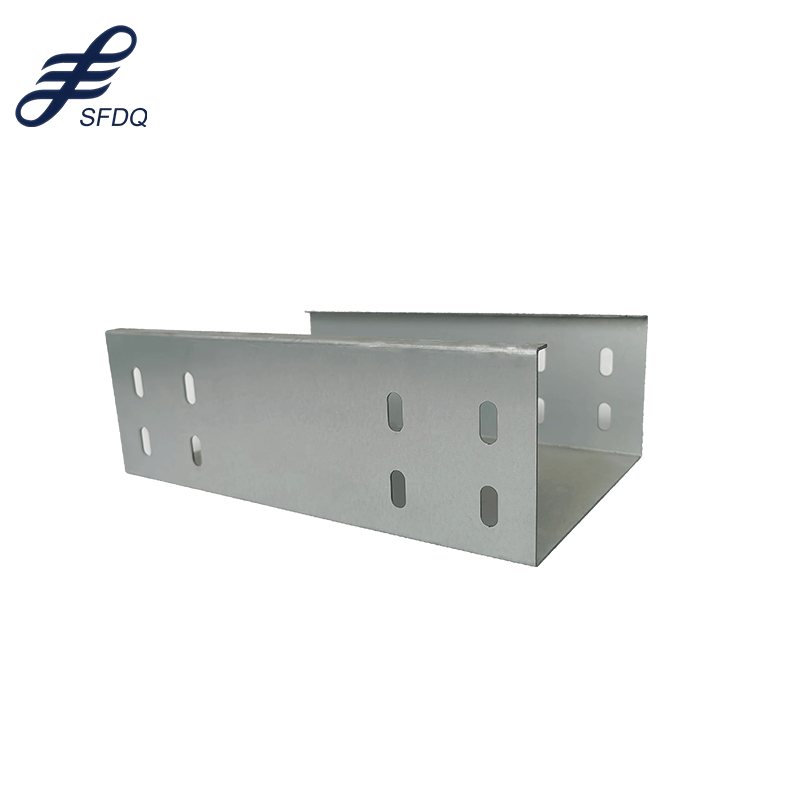
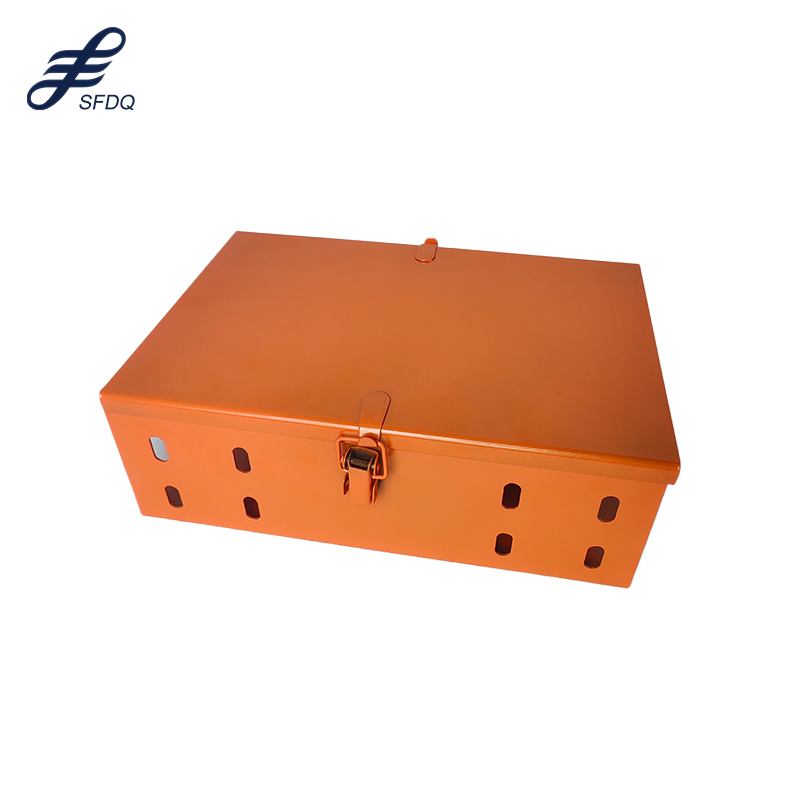
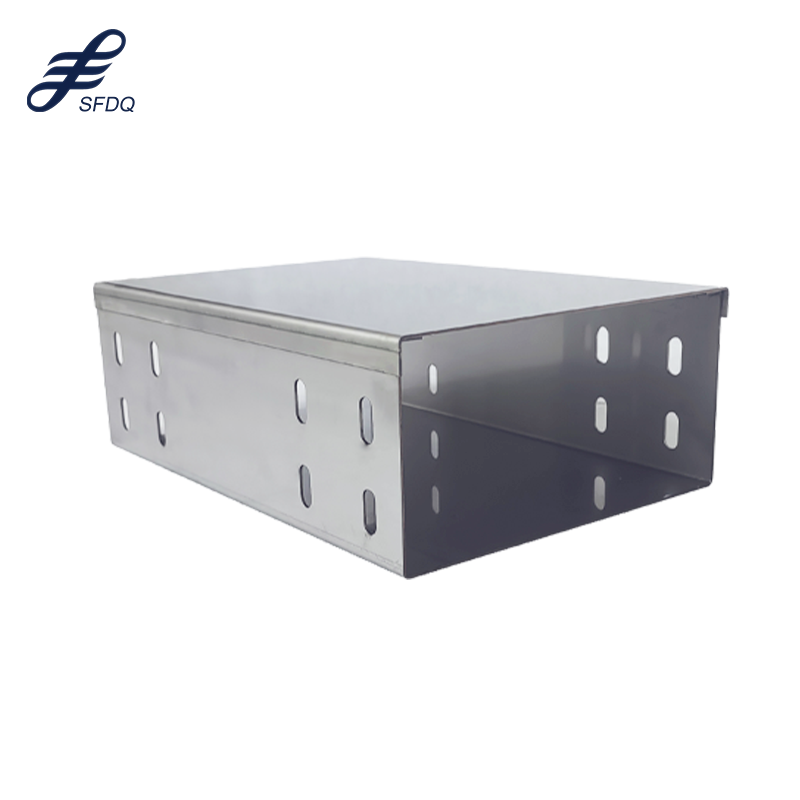
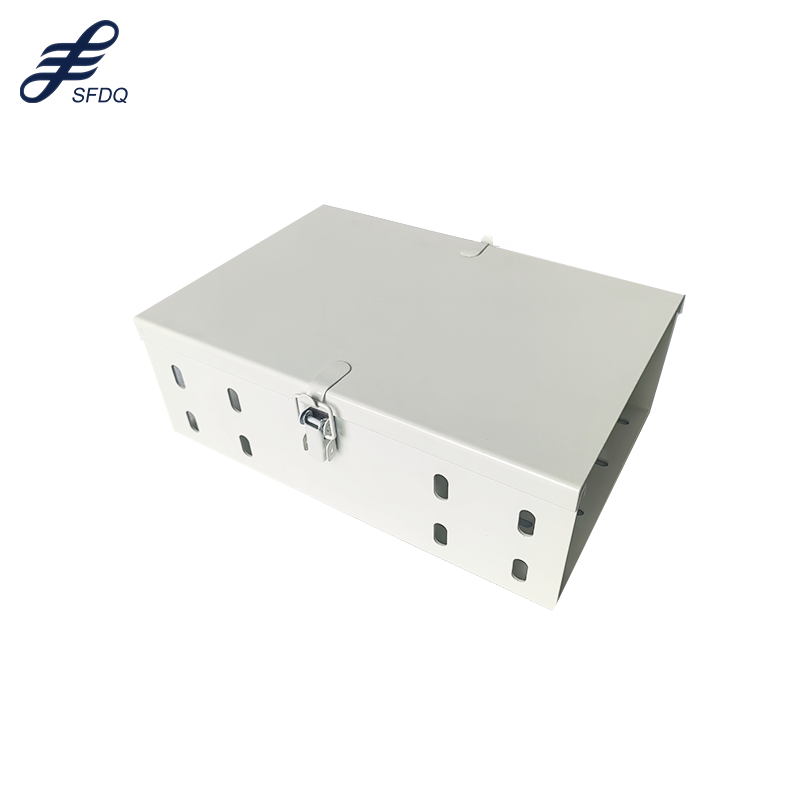
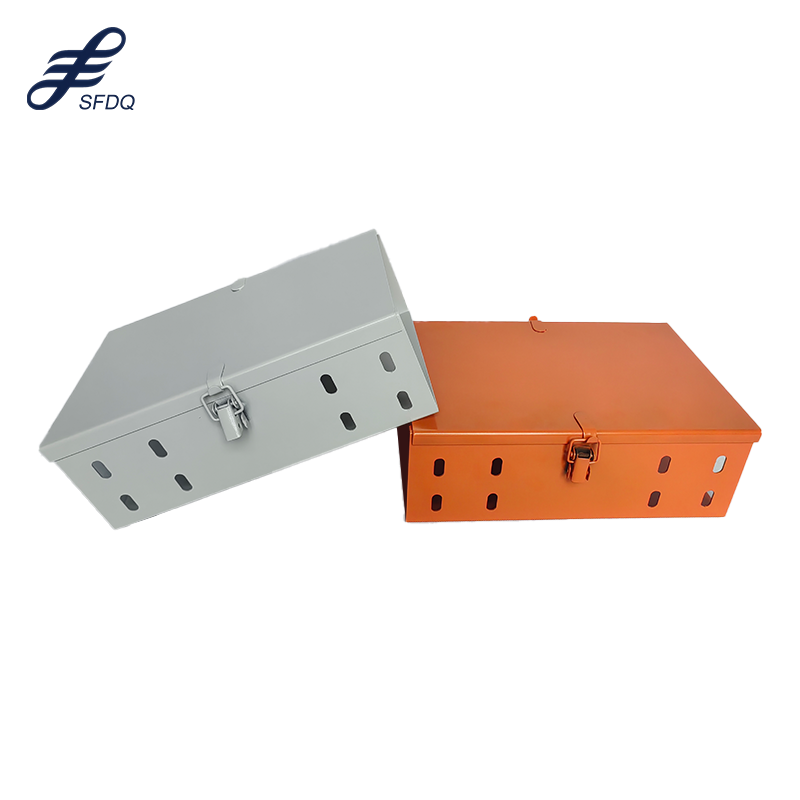
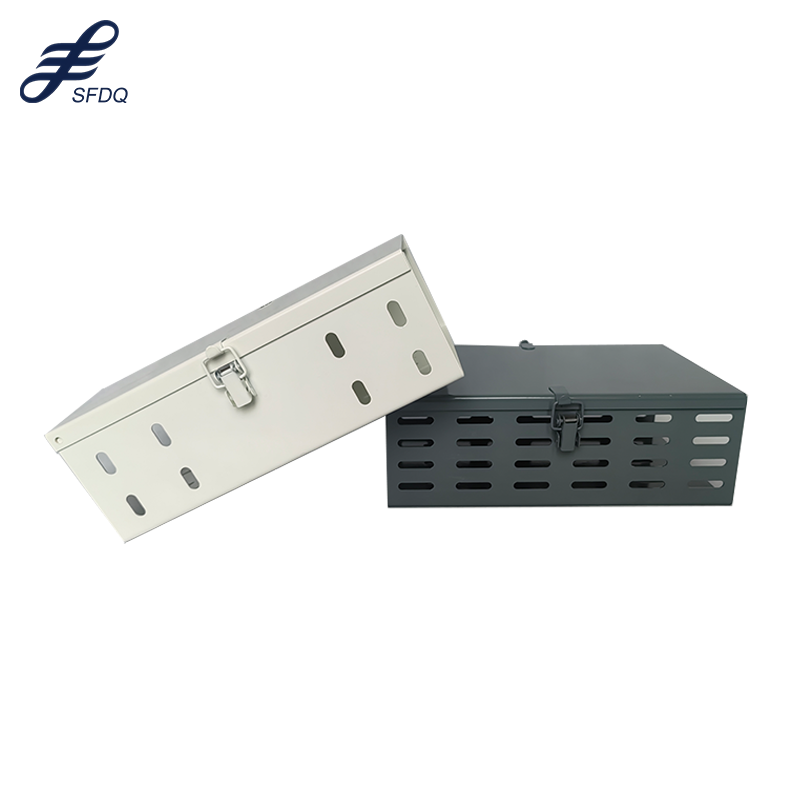
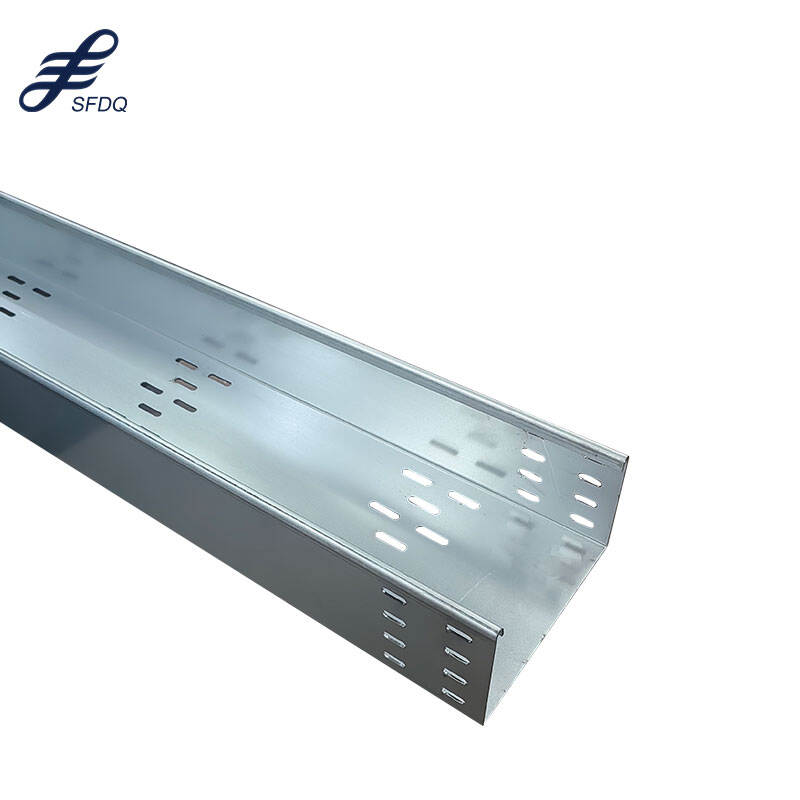
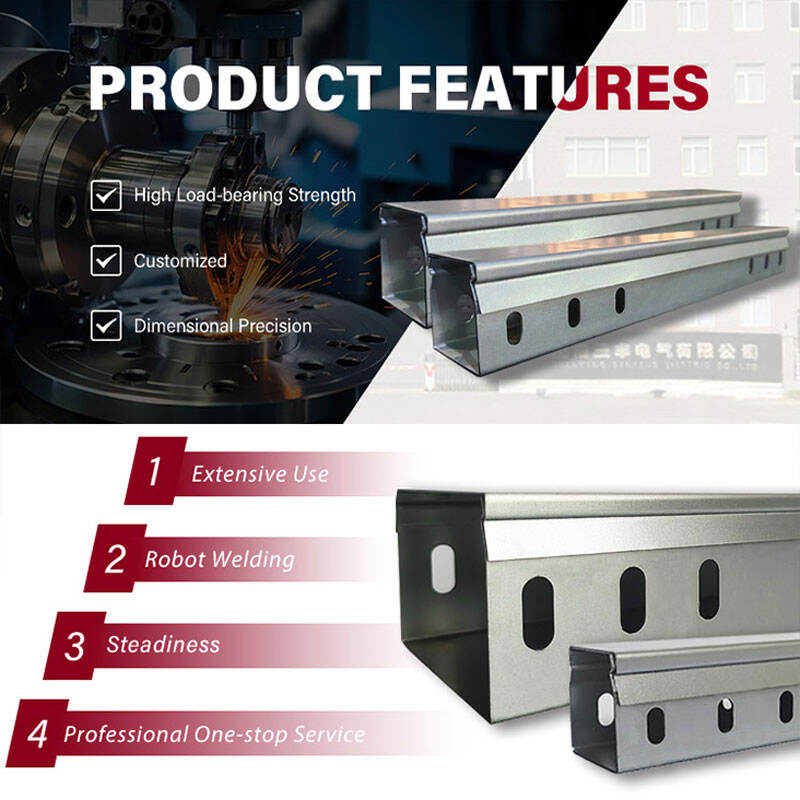
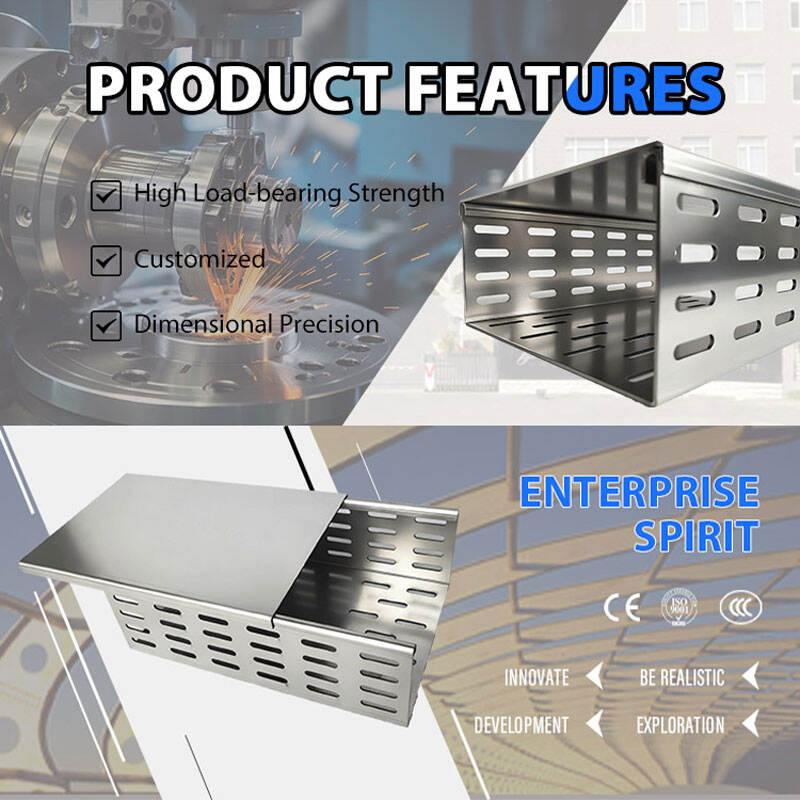
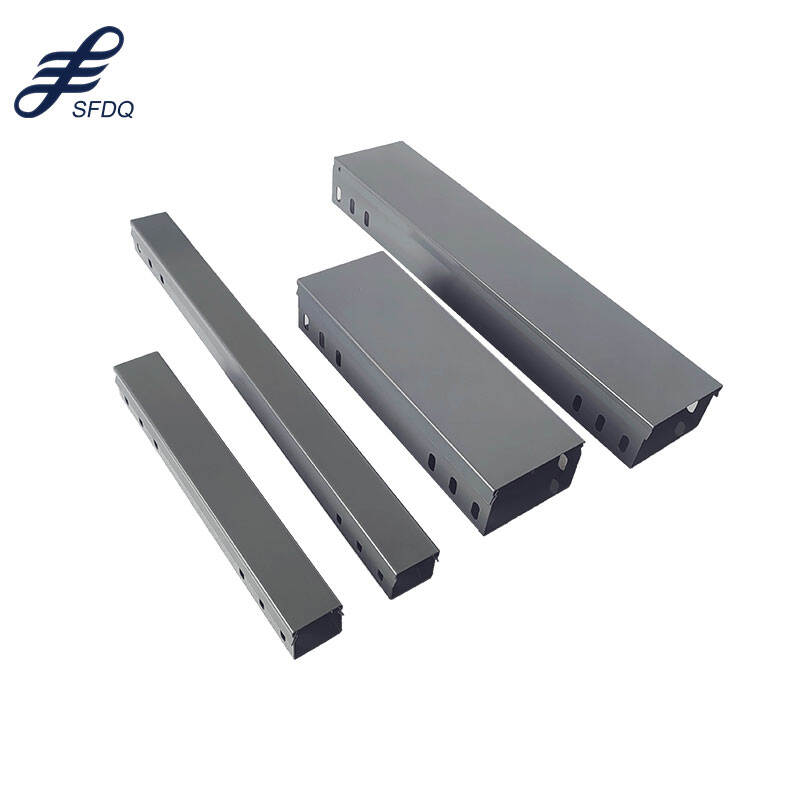
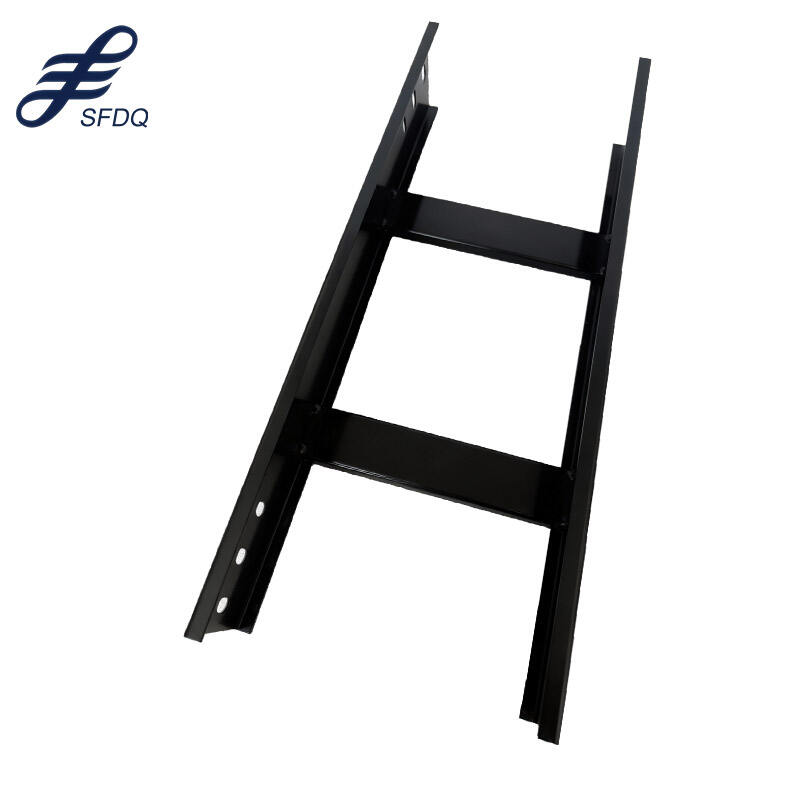
Aluminum cable trunking represents a sophisticated electrical management solution designed to house, protect, and organize electrical cables in commercial, industrial, and residential environments. This robust system consists of lightweight aluminum channels with removable covers that create secure pathways for electrical wiring throughout buildings and facilities. The aluminum cable trunking system serves as the backbone of modern electrical infrastructure, ensuring safe and efficient cable distribution while maintaining accessibility for maintenance and upgrades. The primary functions of aluminum cable trunking include cable protection from environmental factors such as moisture, dust, and mechanical damage, while providing organized routing that prevents cable tangling and interference. The system facilitates easy identification and access to specific cables during installation, maintenance, or troubleshooting procedures. Technologically, aluminum cable trunking features precision-engineered profiles with smooth internal surfaces that prevent cable damage during installation and operation. The modular design incorporates various accessories including bends, tees, crosses, and end caps that enable flexible routing configurations to accommodate complex architectural layouts. Advanced mounting systems ensure secure installation on walls, ceilings, or floors using specialized brackets and fixings. The aluminum construction provides excellent electromagnetic shielding properties, reducing interference between different cable types and improving overall system performance. Applications for aluminum cable trunking span diverse sectors including office buildings, manufacturing facilities, data centers, hospitals, educational institutions, and residential complexes. In commercial environments, the system manages power distribution, lighting circuits, and communication networks efficiently. Industrial applications benefit from the trunking's ability to handle heavy-duty cables in harsh environments while maintaining safety standards. Data centers rely on aluminum cable trunking for organizing server connections, network infrastructure, and power feeds with optimal airflow management. The system accommodates various cable types including power cables, control wires, fiber optic lines, and communication networks within the same or separate compartments, ensuring proper segregation and compliance with electrical codes and safety regulations.
 EN
EN