Professional Wall Cable Tray Systems - Superior Cable Management Solutions

Get a Free Quote

Our representative will contact you soon.
Email
Name
Company Name
WhatsApp
Message
0/1000

wall cable tray

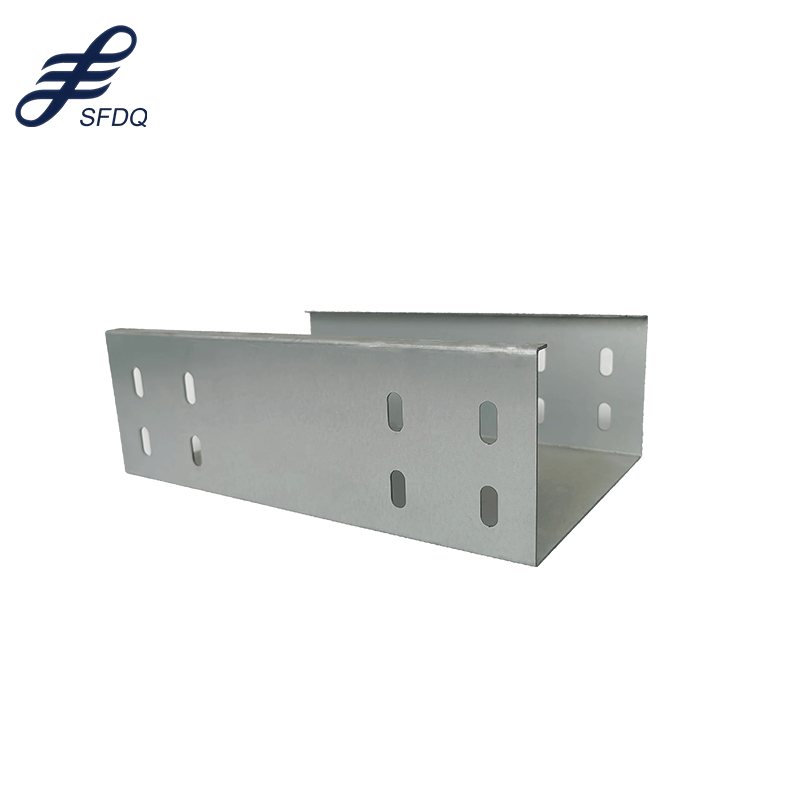
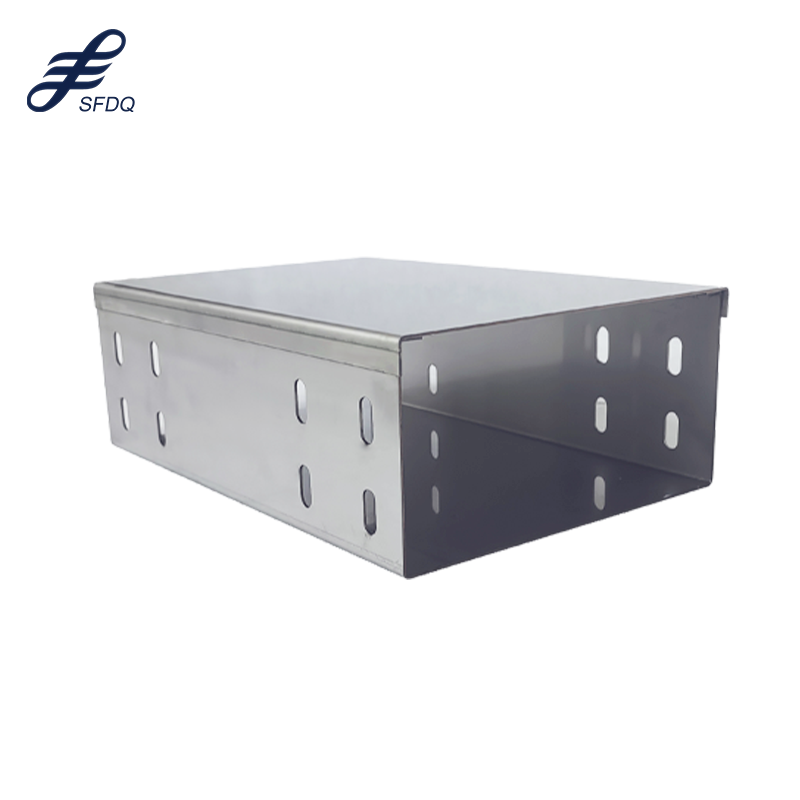
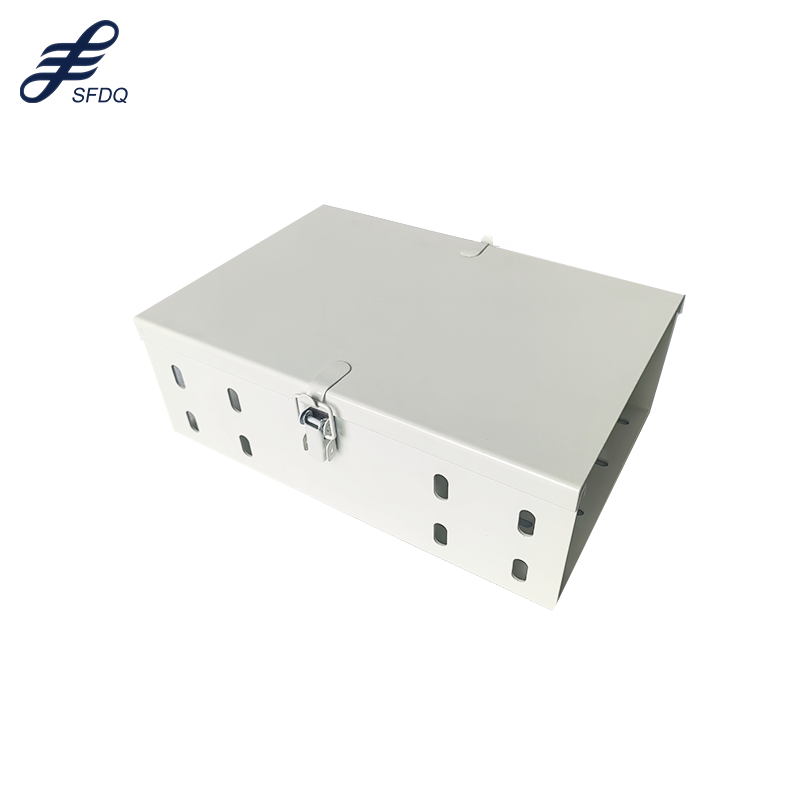
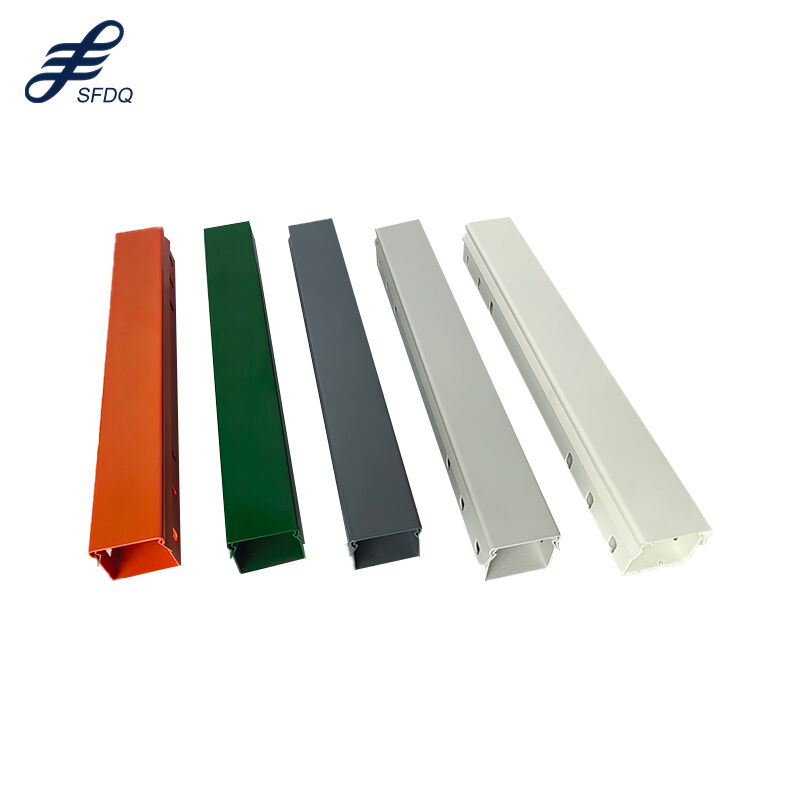
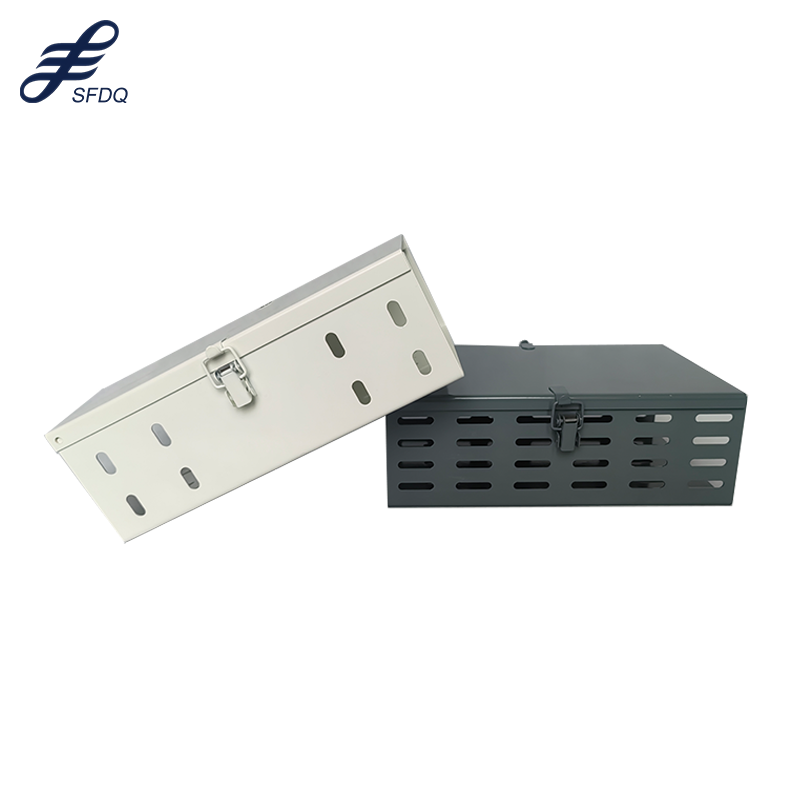
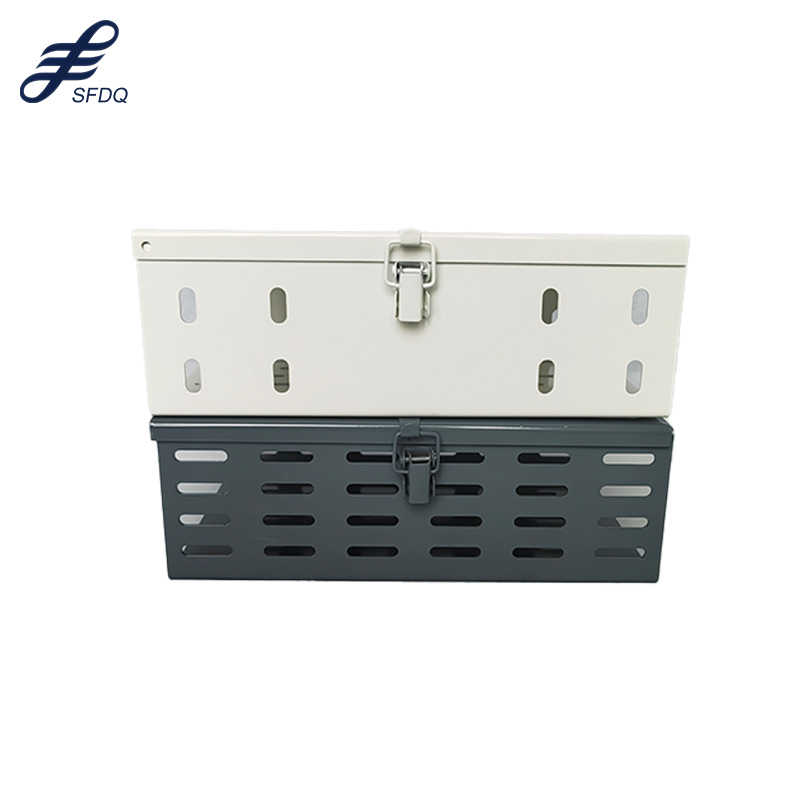
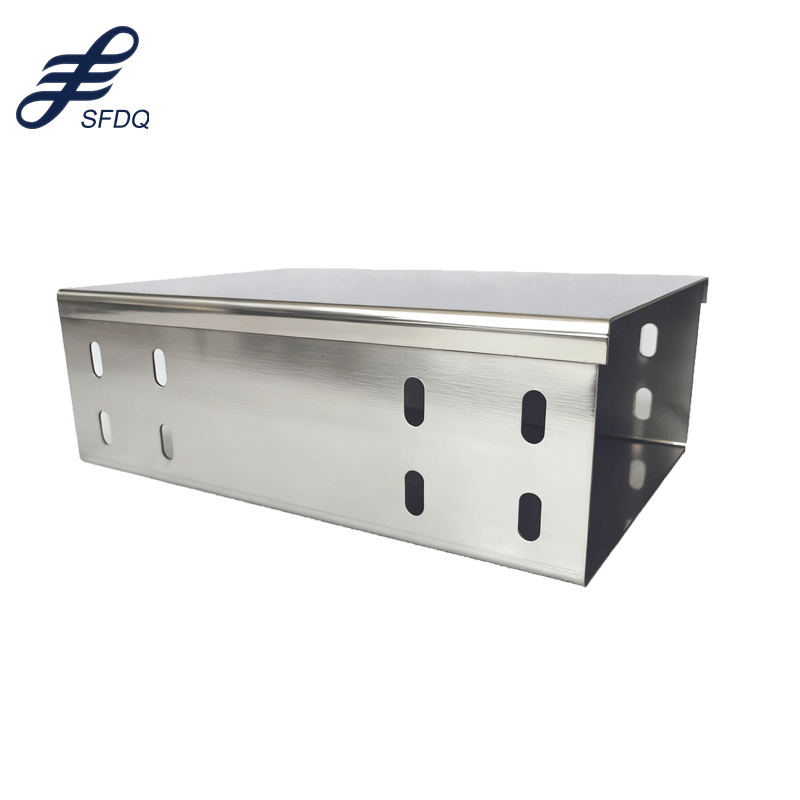
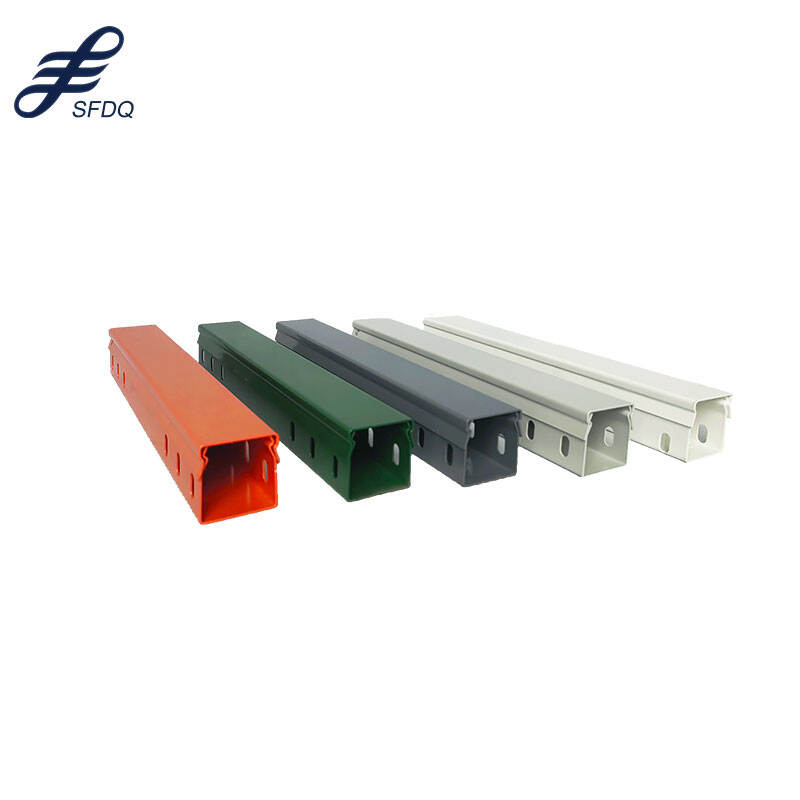
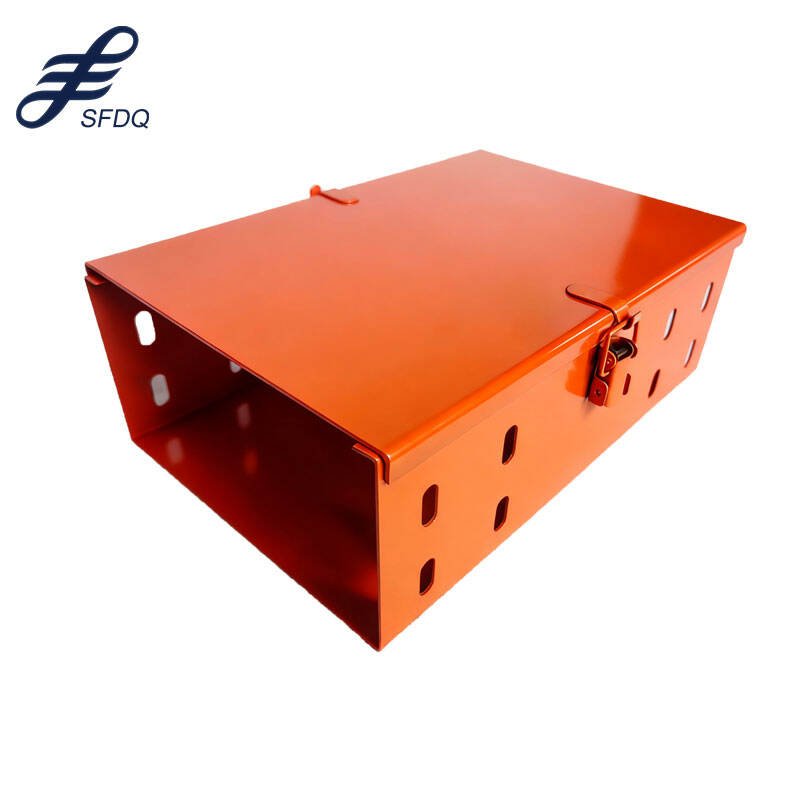
A wall cable tray represents a sophisticated cable management solution designed to organize, protect, and route electrical cables along vertical surfaces in commercial, industrial, and residential environments. This versatile infrastructure component serves as the backbone of modern electrical distribution systems, ensuring optimal cable organization while maintaining accessibility for maintenance and upgrades. The wall cable tray system consists of a structured framework that securely holds various types of cables, including power lines, data transmission cables, fiber optic connections, and control wiring. These robust mounting systems attach directly to wall surfaces using specialized brackets and hardware, creating a reliable pathway for cable routing that maximizes space utilization. The design incorporates ventilation features that promote air circulation around cables, preventing heat buildup and extending cable lifespan. Modern wall cable tray configurations utilize advanced materials such as galvanized steel, aluminum, and engineered plastics to deliver exceptional durability and corrosion resistance. The modular construction allows for easy customization and expansion, accommodating changing electrical requirements as facilities grow. These systems support significant cable loads while maintaining structural integrity, making them ideal for high-density installations. The wall cable tray architecture includes multiple configuration options, from ladder-style designs with rungs for easy cable access to solid-bottom versions that provide maximum protection from environmental factors. Perforated designs offer balanced protection and ventilation, while wire mesh configurations deliver lightweight solutions for less demanding applications. Installation flexibility ensures compatibility with various wall types, including concrete, masonry, steel, and drywall construction. The system integrates seamlessly with other cable management components, creating comprehensive solutions that meet strict electrical codes and safety standards while delivering long-term reliability and performance efficiency.

New Products

Wall cable tray systems deliver exceptional space optimization benefits that transform how facilities manage their electrical infrastructure. These mounting solutions eliminate the need for extensive floor space traditionally required for cable routing, freeing up valuable real estate for productive activities. The vertical installation approach maximizes facility efficiency by utilizing wall surfaces that would otherwise remain unused, creating more room for equipment, storage, or workspace expansion. Installation becomes significantly more streamlined compared to traditional conduit systems, reducing both labor costs and project timelines. Professional electricians can complete wall cable tray installations faster because the open design allows multiple cables to be installed simultaneously, eliminating the time-consuming process of pulling individual wires through enclosed conduits. The accessibility advantages prove invaluable for maintenance operations, as technicians can quickly identify, inspect, and service specific cables without dismantling extensive infrastructure. This open architecture supports easy cable additions, modifications, or replacements, adapting to evolving technological requirements without major system overhauls. Cost efficiency emerges as a primary advantage, with wall cable tray systems typically requiring lower initial investment compared to complex conduit networks. The reduced material requirements and simplified installation process translate into immediate savings, while the long-term durability minimizes replacement and repair expenses. Safety improvements result from better cable organization and reduced fire hazards, as the open design promotes heat dissipation and prevents dangerous cable overloading conditions. The systems support proper cable segregation, separating power lines from data cables to prevent electromagnetic interference and ensure optimal signal integrity. Environmental benefits include improved air circulation around cables, preventing moisture accumulation and extending cable service life. The robust construction withstands harsh industrial environments, resisting corrosion, impact damage, and temperature variations while maintaining structural integrity. Flexibility advantages allow for easy system reconfiguration as facility requirements change, supporting business growth and technological advancement without requiring complete infrastructure replacement. This adaptability ensures excellent return on investment through extended system lifecycle and reduced obsolescence risks.

Tips And Tricks

The Benefits of Using Cable Trays in Industrial Wiring

08

Jan

The Benefits of Using Cable Trays in Industrial Wiring

In the high-stakes world of industrial infrastructure, the "nerves" of a facility—the electrical wiring—require a support system that is as robust and adaptable as the machines they power. Whether you are managing a high-volume assembly ...
View More
Perforated Cable Tray vs. Solid Bottom Tray: A Comparison

25

Dec

Perforated Cable Tray vs. Solid Bottom Tray: A Comparison

In the intricate world of industrial design, every component serves as a critical link in the chain of operational success. Among these, the cable management system often functions as the unsung hero, ensuring that the "nervous system" of a facility...
View More
The Innovation Process at a Cable Tray Manufacturer

15

Apr

The Innovation Process at a Cable Tray Manufacturer

The innovation process at a cable tray manufacturer represents a complex ecosystem of research, development, and continuous improvement that drives the evolution of electrical infrastructure solutions. Modern cable tray manufacturer operations must b...
View More
Why Use Stainless Steel Cable Trays?

17

Apr

Why Use Stainless Steel Cable Trays?

Stainless steel cable trays have become the preferred choice for electrical infrastructure in demanding industrial environments where durability, corrosion resistance, and long-term reliability are paramount. The decision to implement a stainless ste...
View More

Get a Free Quote

Our representative will contact you soon.
Email
Name
Company Name
WhatsApp
Message
0/1000

wall cable tray

Superior Load-Bearing Capacity and Structural Engineering

Superior Load-Bearing Capacity and Structural Engineering

The wall cable tray system demonstrates exceptional load-bearing capabilities through advanced structural engineering that sets industry standards for reliability and performance. This sophisticated mounting solution utilizes precision-engineered support brackets and reinforcement systems that distribute cable weight evenly across wall surfaces, preventing stress concentration points that could compromise structural integrity. The innovative design incorporates high-strength materials including galvanized steel components that undergo rigorous testing to ensure compliance with international load-bearing standards. Each wall cable tray configuration features carefully calculated load ratings that accommodate substantial cable bundles while maintaining significant safety margins. The engineering excellence extends to the bracket mounting system, which utilizes multiple attachment points to create redundant support pathways that enhance overall system reliability. Advanced finite element analysis during the design phase ensures optimal stress distribution patterns that maximize load capacity while minimizing material usage. The structural framework incorporates expansion joints and flexible connections that accommodate thermal movement and building settlement without compromising system integrity. Professional engineers specify these systems for critical infrastructure applications where cable support failure could result in significant operational disruption or safety hazards. The load distribution technology spreads cable weight across multiple support points, reducing individual fastener stress and extending system service life. Quality control processes include comprehensive load testing that validates theoretical calculations through real-world performance verification. The mounting hardware features corrosion-resistant finishes that maintain structural properties throughout extended service periods, even in challenging environmental conditions. Installation guidelines specify proper spacing intervals and support configurations that optimize load-bearing performance while ensuring code compliance. The system accommodates dynamic loading conditions created by cable movement during maintenance activities, preventing fatigue failure through robust construction. This engineering excellence translates into reduced maintenance requirements and extended system lifecycle, providing exceptional value for infrastructure investments while ensuring reliable cable support throughout the facility's operational life.
Advanced Modular Design for Ultimate Installation Flexibility

Advanced Modular Design for Ultimate Installation Flexibility

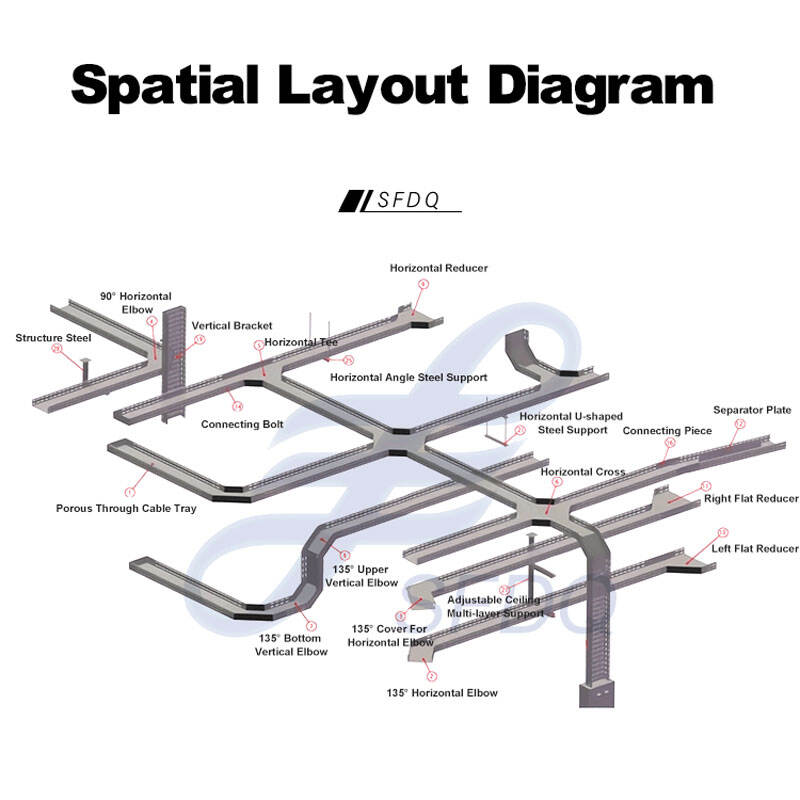
The wall cable tray system features revolutionary modular architecture that delivers unparalleled installation flexibility and customization capabilities for diverse facility requirements. This innovative design philosophy enables seamless integration with existing infrastructure while accommodating future expansion needs through standardized connection interfaces and component compatibility. The modular framework consists of interchangeable sections that connect through precision-engineered coupling systems, allowing installers to create custom configurations that perfectly match specific routing requirements. Each component undergoes rigorous dimensional tolerance testing to ensure perfect alignment and secure connections throughout the installation process. The standardized mounting points facilitate rapid assembly using common tools and hardware, reducing installation complexity while maintaining professional finish quality. Advanced planning capabilities allow engineers to design complete systems using standardized modules, optimizing material usage while minimizing waste and reducing project costs. The interconnection system features tool-free assembly options for many components, enabling faster installation and easier maintenance access when system modifications become necessary. Expansion capabilities built into the modular design support facility growth without requiring complete system replacement, protecting infrastructure investments while accommodating changing operational requirements. The component standardization ensures reliable spare parts availability and simplified inventory management for facility maintenance teams. Quality assurance processes validate each module's mechanical and electrical properties, ensuring consistent performance across all system components regardless of configuration complexity. The design flexibility extends to specialized applications requiring custom routing solutions, with standard components adapting to unique architectural features and space constraints. Installation documentation includes comprehensive assembly guides that streamline the construction process while ensuring proper system performance. The modular approach supports phased implementation strategies that allow facilities to install systems incrementally as budget and operational requirements permit. This flexibility proves particularly valuable in retrofit applications where existing infrastructure creates installation challenges. The standardized interfaces ensure compatibility between different manufacturers' components, providing procurement flexibility and competitive pricing advantages. Professional certification programs validate installer competency with modular systems, ensuring optimal performance and code compliance throughout system lifecycle.
Comprehensive Environmental Protection and Cable Longevity Features

Comprehensive Environmental Protection and Cable Longevity Features

The wall cable tray system incorporates comprehensive environmental protection technologies that significantly extend cable service life while maintaining optimal performance under challenging operational conditions. This advanced protection system addresses multiple environmental threats including moisture intrusion, chemical exposure, temperature variations, and mechanical damage through integrated design features and material selection. The corrosion resistance properties result from specialized coating systems and material compositions that withstand harsh industrial environments, salt air exposure, and chemical contamination without degrading system integrity. Advanced ventilation engineering promotes optimal air circulation around cable bundles, preventing heat accumulation that could damage cable insulation and reduce service life. The open architecture design facilitates natural convection cooling while providing easy access for thermal monitoring and maintenance activities. Drainage features integrated into the system design prevent water accumulation that could cause cable degradation or create safety hazards through electrical faults. The material selection process prioritizes long-term environmental stability, utilizing UV-resistant compounds and thermally stable alloys that maintain properties throughout extended exposure periods. Fire resistance characteristics exceed industry standards through flame-retardant materials and design features that limit fire spread while facilitating emergency evacuation procedures. The chemical compatibility extends to industrial environments with aggressive chemical exposure, utilizing materials that resist degradation from acids, alkalis, and organic solvents commonly found in manufacturing facilities. Temperature performance capabilities accommodate extreme operating conditions from arctic installations to high-temperature industrial applications without compromising structural integrity. The system design prevents cable crushing and abrasion through smooth surfaces and generous bending radius specifications that protect cable jackets during installation and service. Electromagnetic shielding options provide protection for sensitive data cables in environments with high electrical interference levels. The environmental protection extends to outdoor applications through weatherproof construction that resists wind loading, ice accumulation, and thermal cycling. Quality testing procedures validate environmental performance through accelerated aging tests that simulate decades of service conditions in laboratory environments. These comprehensive protection features translate into reduced cable replacement costs, improved system reliability, and extended maintenance intervals that provide substantial lifecycle cost advantages for facility operators.
Inquiry Inquiry Email Email Tel Tel TopTop

Get a Free Quote

Our representative will contact you soon.
Email
Name
Company Name
WhatsApp
Message
0/1000