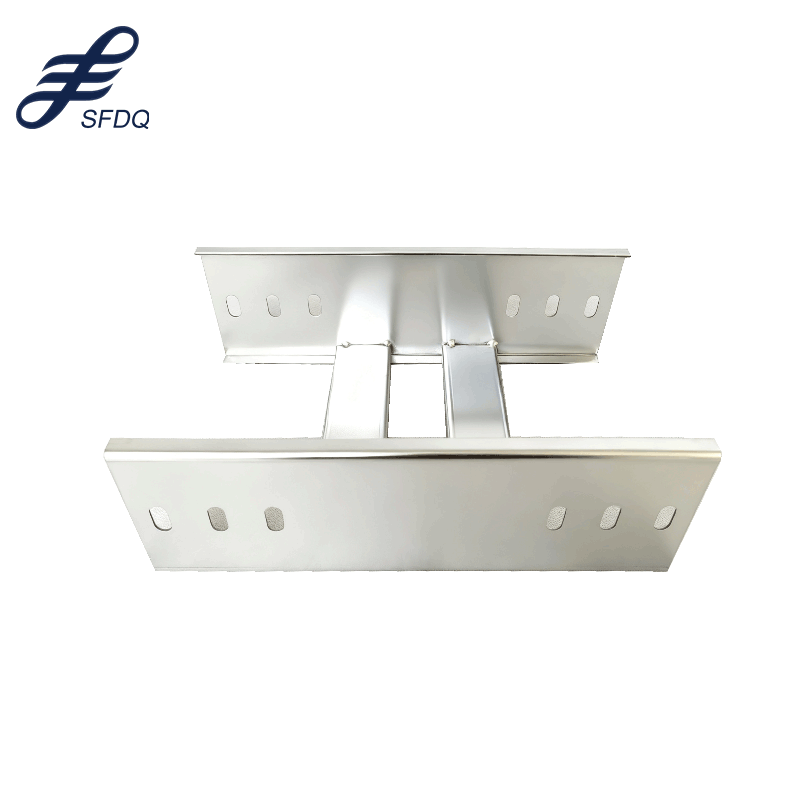
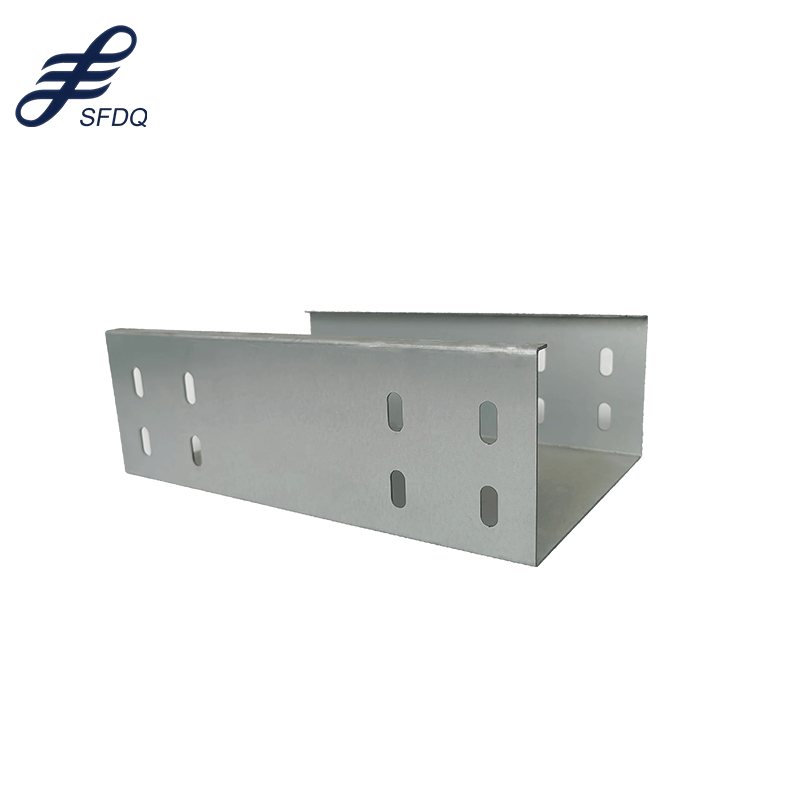
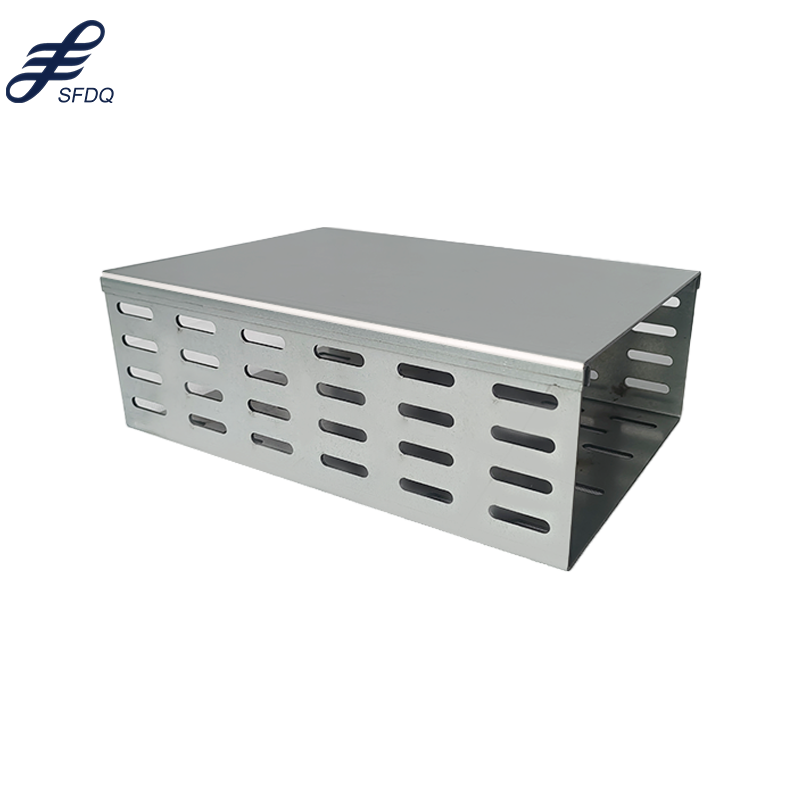
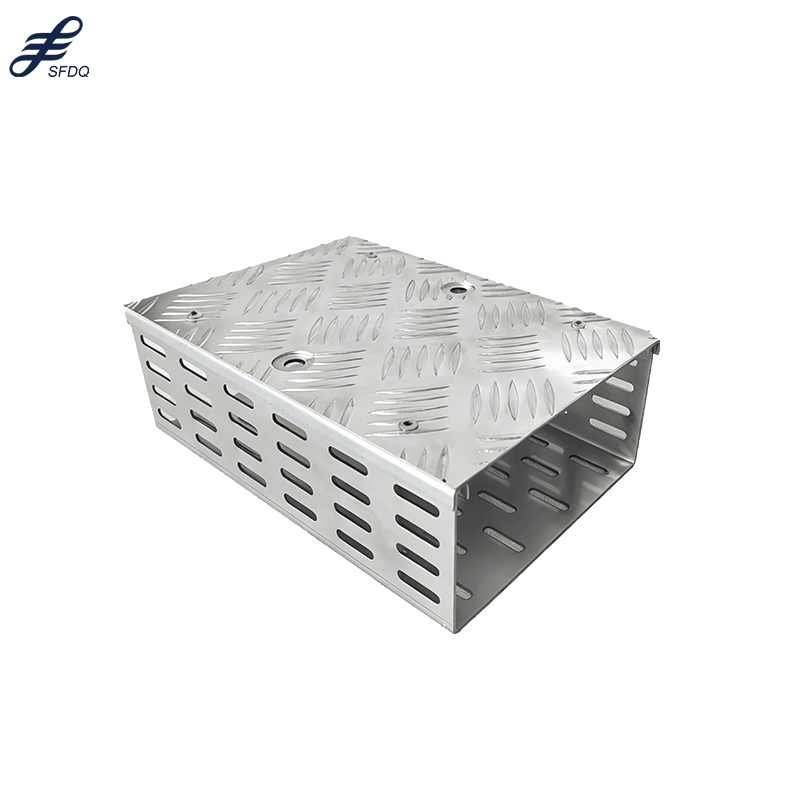
data cable tray
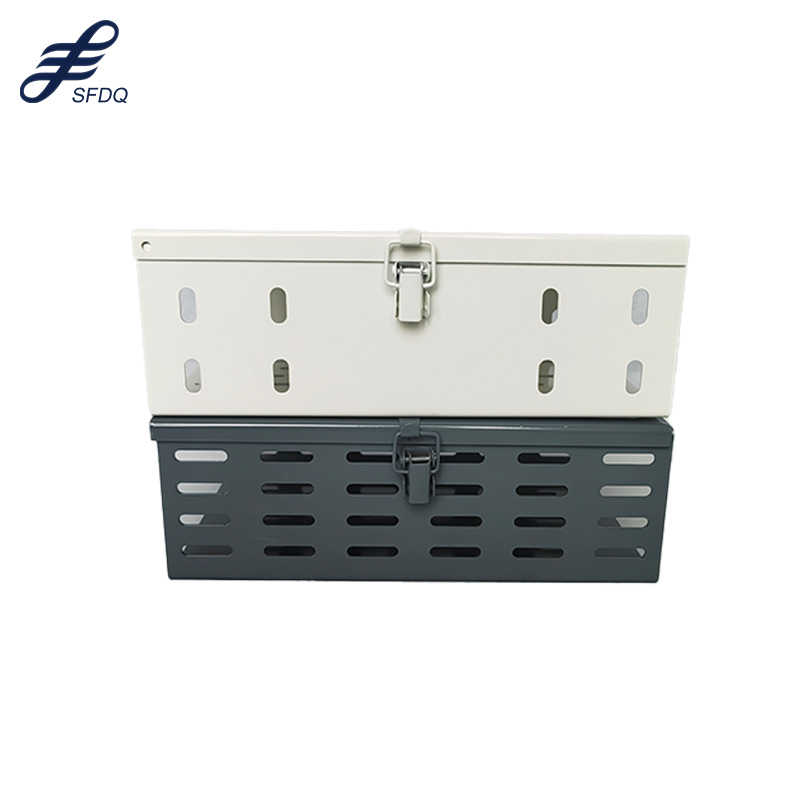
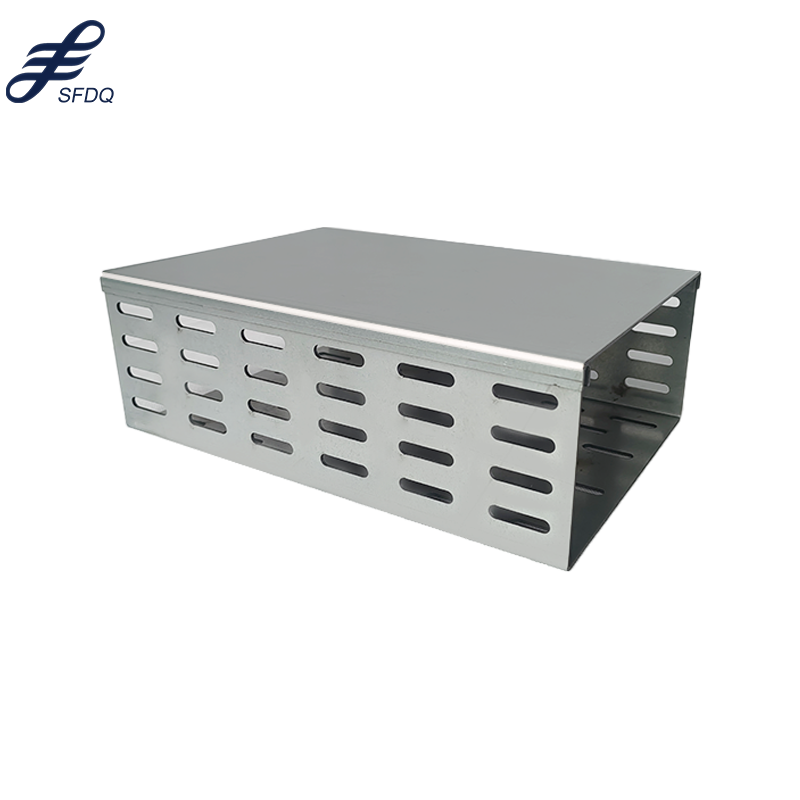
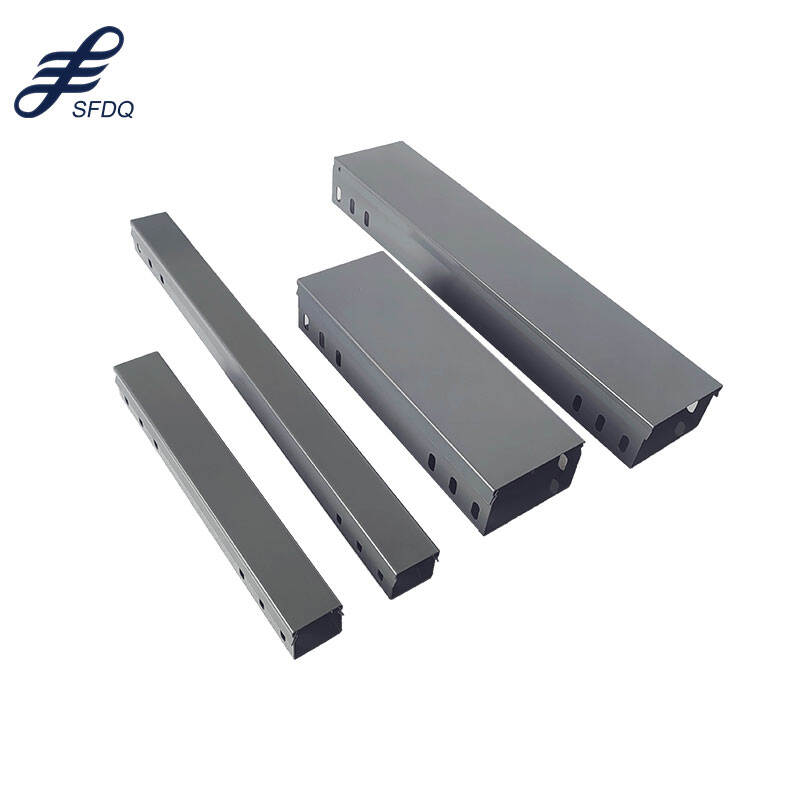
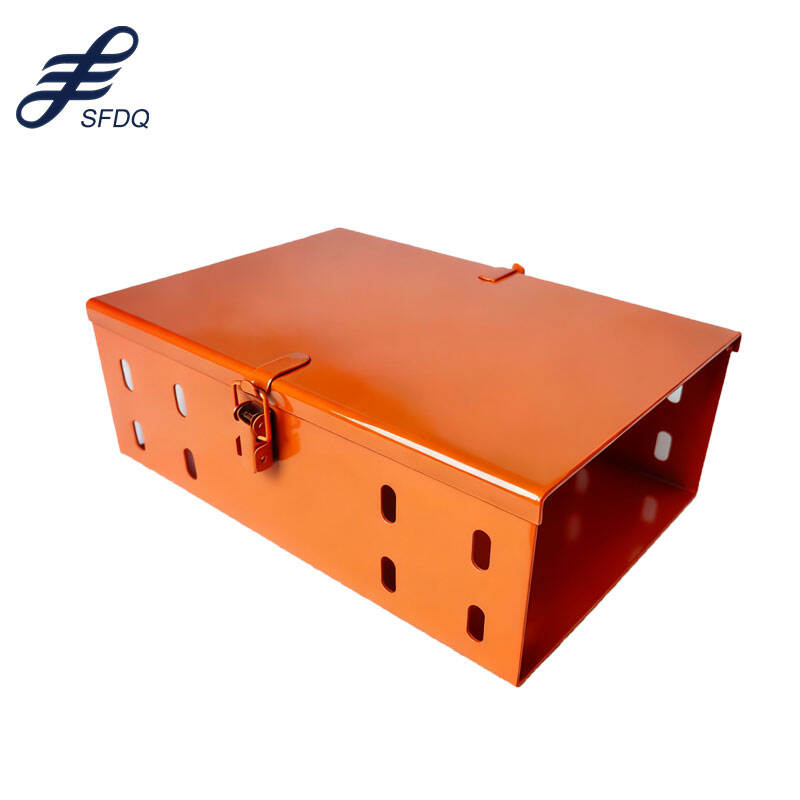
A data cable tray serves as a critical infrastructure component designed to organize, support, and protect electrical and data cables in commercial, industrial, and residential environments. This sophisticated cable management system consists of a rigid structure that provides a secure pathway for various types of cables including power lines, network cables, fiber optic connections, and communication wires. The data cable tray functions as both a protective housing and organizational framework that ensures optimal cable performance while maintaining accessibility for maintenance and future expansions. Modern data cable tray systems feature robust construction materials such as galvanized steel, aluminum, or specialized composite materials that resist corrosion and environmental damage. The engineering design incorporates ventilation features that prevent heat buildup and moisture accumulation, which could compromise cable integrity and signal transmission quality. Installation flexibility represents another key characteristic, as these systems accommodate various mounting configurations including wall-mounted, ceiling-suspended, and floor-standing arrangements. The modular design allows for easy expansion and reconfiguration as network requirements evolve. Safety considerations are paramount in data cable tray construction, with features like smooth edges, proper grounding connections, and fire-resistant materials that comply with building codes and electrical safety standards. Cable separation capabilities enable the segregation of different cable types, reducing electromagnetic interference and crosstalk that could degrade signal quality. Load-bearing capacity varies according to specific models, with heavy-duty versions supporting substantial cable weights while maintaining structural integrity. The data cable tray system streamlines installation processes, reduces labor costs, and provides long-term reliability for critical infrastructure applications across diverse industries and environments.
 EN
EN