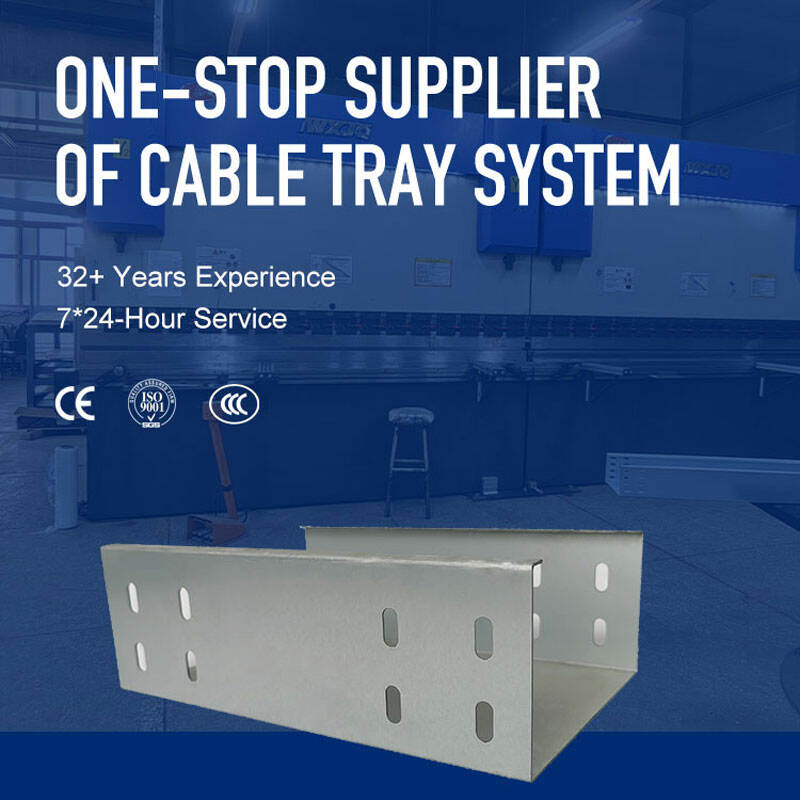
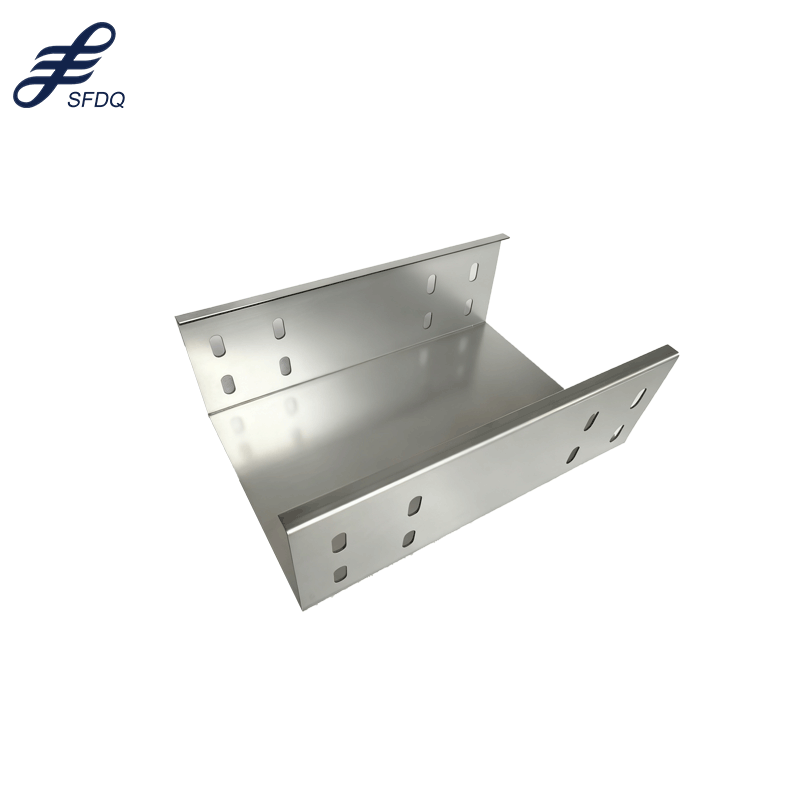
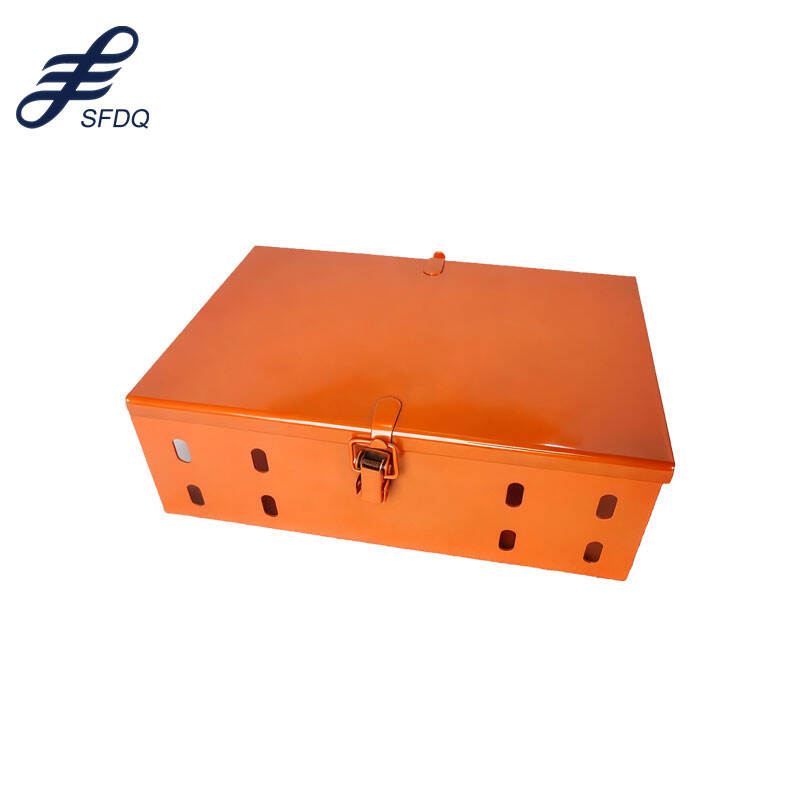
Cable Trunking Slotted Solutions: Advanced Cable Management Systems for Professional Installations

Get a Free Quote

Our representative will contact you soon.
Email
Name
Company Name
WhatsApp
Message
0/1000

cable trunking slotted

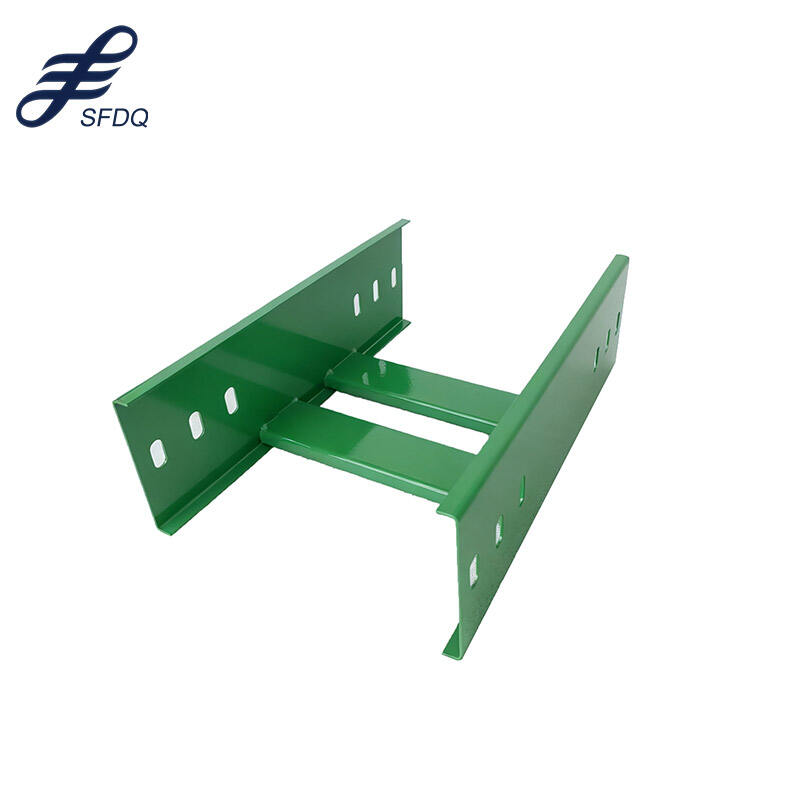
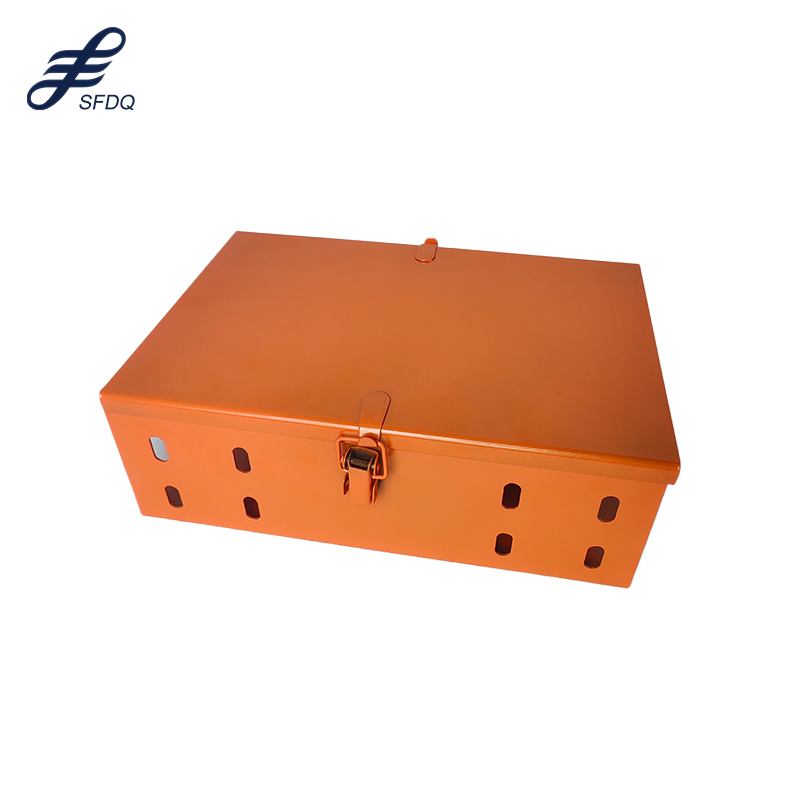
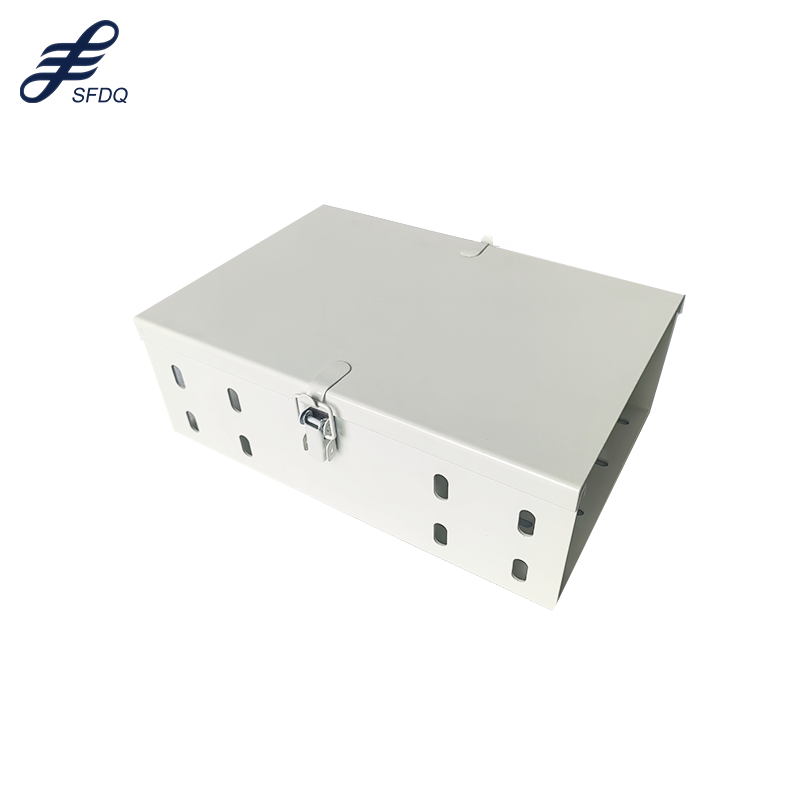
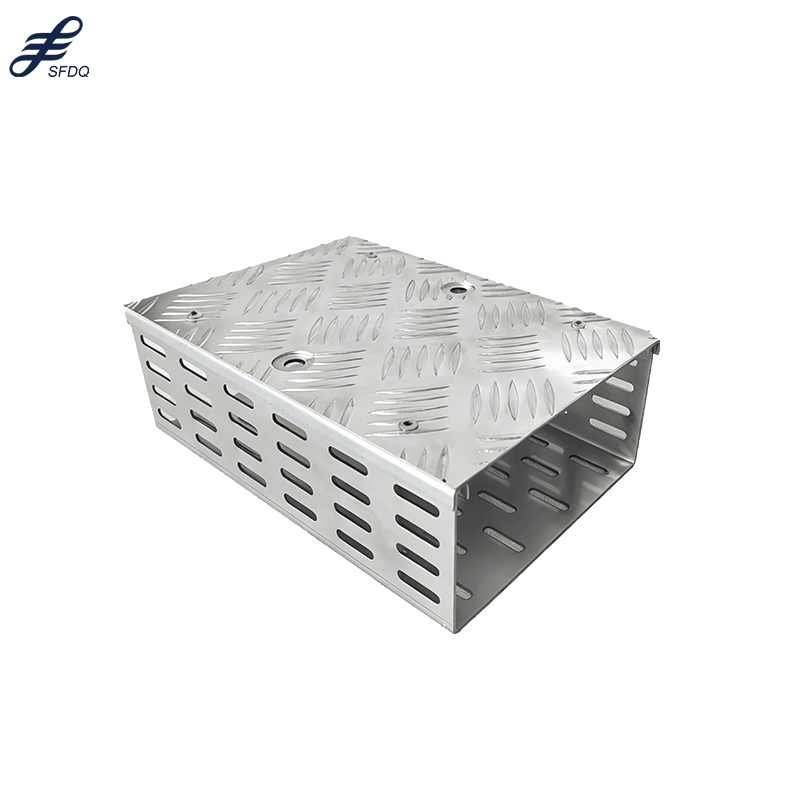
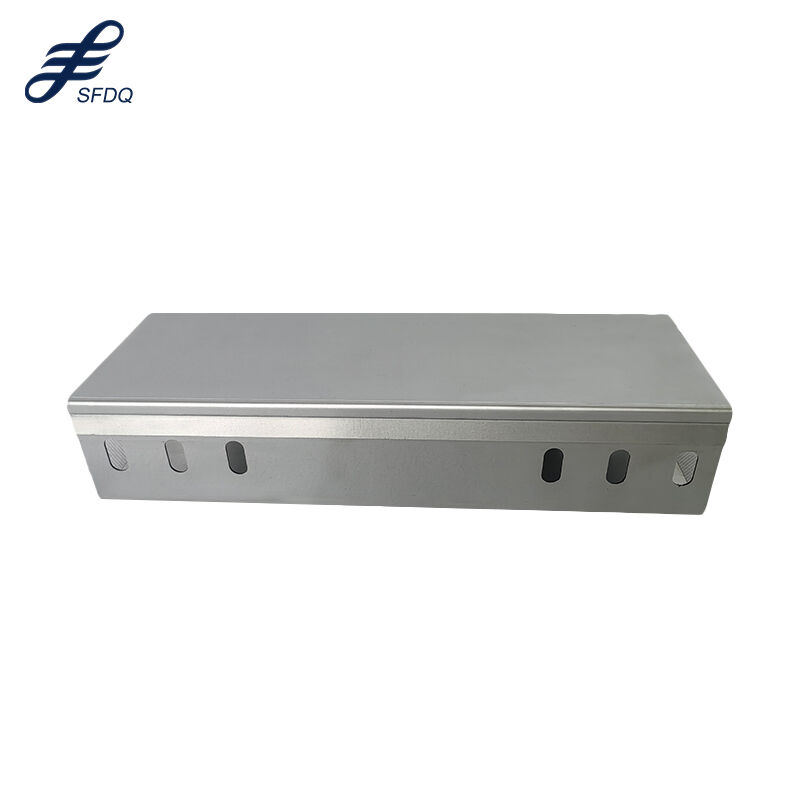
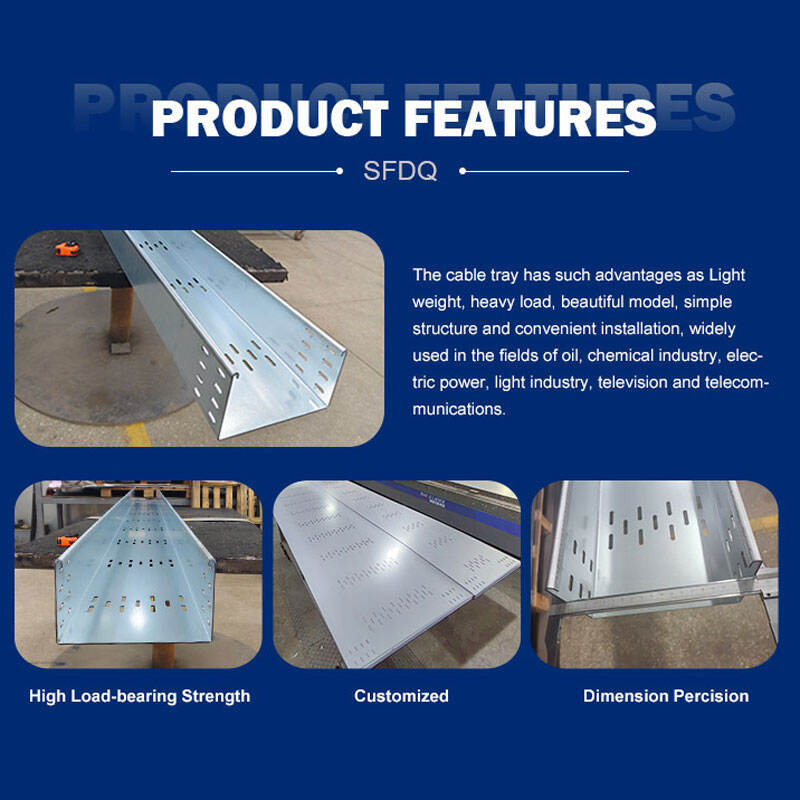
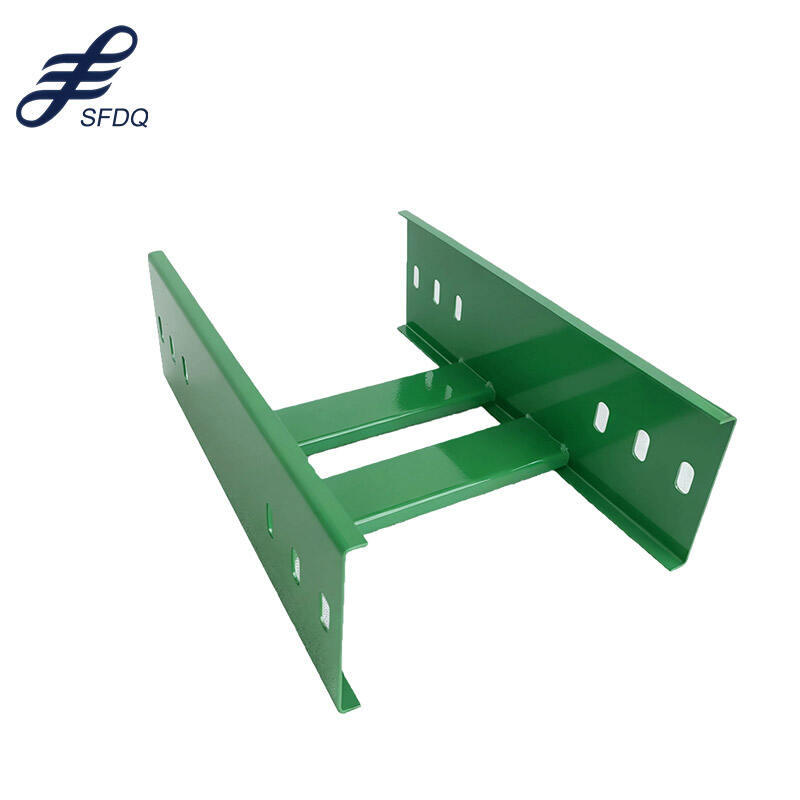
Cable trunking slotted represents a sophisticated cable management solution designed to organize, protect, and route electrical cables efficiently within commercial, industrial, and residential environments. This innovative system features strategically positioned slots along its length, enabling flexible cable entry and exit points while maintaining optimal protection and accessibility. The slotted design distinguishes this cable trunking system from traditional solid variants by providing enhanced versatility in cable management applications. The main functions of cable trunking slotted encompass comprehensive cable protection against environmental hazards, electromagnetic interference shielding, and systematic organization of multiple cable runs. These systems effectively prevent cable damage from physical impact, moisture, dust, and chemical exposure while ensuring compliance with electrical safety standards. The technological features include precision-engineered slots manufactured from high-grade materials such as galvanized steel, aluminum, or specialized polymers, depending on application requirements. Advanced surface treatments provide corrosion resistance and enhanced durability in harsh environments. The modular construction allows seamless integration with existing infrastructure while accommodating future expansion needs. Modern cable trunking slotted systems incorporate innovative mounting mechanisms, adjustable brackets, and specialized accessories that simplify installation processes. Applications span across diverse sectors including data centers, manufacturing facilities, commercial buildings, hospitals, educational institutions, and telecommunications infrastructure. In data centers, cable trunking slotted manages fiber optic cables, network connections, and power distribution systems efficiently. Manufacturing environments benefit from robust protection against industrial contaminants while maintaining easy access for maintenance procedures. Healthcare facilities utilize these systems to ensure reliable power delivery to critical equipment while meeting strict hygiene standards. The educational sector employs cable trunking slotted for campus-wide networking infrastructure, supporting modern learning technologies. Telecommunications applications leverage these systems for backbone cabling, equipment interconnections, and service provider installations, ensuring optimal signal integrity and system reliability throughout various operational environments.

New Products

Cable trunking slotted delivers exceptional organizational capabilities that transform chaotic cable environments into systematically managed installations. The slotted design enables precise cable routing while maintaining clear separation between different cable types, preventing signal interference and simplifying troubleshooting procedures. This systematic approach reduces installation time significantly compared to traditional cable management methods, allowing technicians to complete projects efficiently while maintaining professional standards. The accessibility advantages prove invaluable during maintenance operations, as the slotted configuration provides multiple entry points without requiring complete system disassembly. Technicians can access specific cable runs quickly, perform necessary repairs, or add new connections without disrupting adjacent systems. This accessibility translates into reduced downtime costs and improved operational efficiency across various applications. Durability represents another significant advantage, as cable trunking slotted systems withstand harsh environmental conditions while protecting enclosed cables from physical damage. The robust construction materials resist corrosion, impact damage, and temperature fluctuations, ensuring long-term reliability in demanding environments. This durability reduces replacement costs and minimizes maintenance requirements throughout the system lifecycle. Flexibility benefits extend beyond initial installation, as the modular design accommodates changing requirements without extensive modifications. Organizations can expand existing systems, reconfigure cable routes, or upgrade capacity by adding compatible components. This adaptability proves particularly valuable in dynamic environments where technological changes occur frequently. Safety enhancements include improved fire resistance properties and compliance with international safety standards, protecting both personnel and equipment from electrical hazards. The enclosed design prevents accidental contact with live conductors while maintaining proper ventilation for heat dissipation. Cost-effectiveness emerges through reduced labor expenses, minimized material waste, and decreased long-term maintenance requirements. The standardized components streamline procurement processes while ensuring compatibility across different project phases. Installation efficiency improvements result from pre-engineered mounting systems and simplified connection procedures that reduce project timelines. Environmental protection capabilities shield sensitive cables from moisture, dust, chemicals, and electromagnetic interference, ensuring optimal performance in challenging conditions. These protective features extend cable lifespan while maintaining signal integrity across various applications.

Practical Tips

What is a Cable Tray? A Complete Guide for Electrical Projects

04

Dec

What is a Cable Tray? A Complete Guide for Electrical Projects

In the complex landscape of industrial and commercial construction, the infrastructure used to house electrical wiring is just as critical as the machinery it powers. Whether you are developing a high-output plant for automotive parts, managing a he...
View More
Grades of Stainless Steel for Cable Trays (304 vs 316)

24

Apr

Grades of Stainless Steel for Cable Trays (304 vs 316)

The selection of stainless steel grades for industrial cable management systems represents a critical decision that directly impacts performance, longevity, and operational costs. When specifying a stainless steel cable tray for your project, underst...
View More
Installing Tray Cable in Cable Tray Systems

12

Mar

Installing Tray Cable in Cable Tray Systems

Installing tray cable in cable tray systems requires careful attention to proper routing techniques, load calculations, and compliance with electrical codes to ensure optimal performance and safety. The installation process involves understanding cab...
View More
Selecting Tray Cable for Industrial Power

06

May

Selecting Tray Cable for Industrial Power

Selecting the right tray cable for industrial power applications requires understanding specific performance requirements, environmental conditions, and installation constraints. Industrial facilities depend on reliable power distribution systems whe...
View More

Get a Free Quote

Our representative will contact you soon.
Email
Name
Company Name
WhatsApp
Message
0/1000

cable trunking slotted

Advanced Slot Engineering for Maximum Cable Management Flexibility

Advanced Slot Engineering for Maximum Cable Management Flexibility

The revolutionary slot engineering incorporated in cable trunking slotted systems represents a breakthrough in cable management technology, offering unprecedented flexibility and functionality for modern electrical installations. These precision-manufactured slots are strategically positioned along the trunking length, providing multiple cable entry and exit points that accommodate diverse routing requirements without compromising structural integrity. The advanced engineering process ensures each slot maintains optimal dimensions for secure cable retention while facilitating easy insertion and removal during installation and maintenance procedures. The slot configuration eliminates the need for drilling or cutting modifications, preserving the trunking's protective properties while reducing installation time and labor costs. This innovative design feature enables cables to enter or exit the system at precise locations, creating clean, organized installations that meet professional standards and regulatory compliance requirements. The engineering excellence extends to slot edge treatment, where specialized finishing processes eliminate sharp edges that could damage cable insulation during installation or operational movements. Advanced manufacturing techniques ensure consistent slot spacing and dimensions across entire product lines, enabling predictable performance and simplified planning processes for complex installations. The flexibility provided by this slot engineering allows single trunking runs to serve multiple cable routes, reducing material requirements and installation complexity while maintaining optimal protection levels. Professional installers benefit from the ability to create custom cable routing solutions without compromising system performance or requiring specialized tools. The slot design accommodates various cable diameters and types, from fiber optic communications cables to heavy-duty power conductors, providing versatile solutions for mixed-use applications. This engineering advancement particularly benefits data center environments where cable density and accessibility requirements demand sophisticated management solutions. The precision slot placement enables systematic cable organization that facilitates future modifications, troubleshooting procedures, and capacity expansions without disrupting existing installations. Environmental sealing capabilities remain intact despite the slotted configuration, ensuring continued protection against moisture, dust, and other contaminants that could compromise cable performance or safety.
Superior Protection with Electromagnetic Interference Shielding

Superior Protection with Electromagnetic Interference Shielding

Cable trunking slotted systems provide exceptional electromagnetic interference shielding capabilities that safeguard sensitive electronic communications and control systems from disruptive electromagnetic fields commonly present in modern industrial and commercial environments. This superior protection feature proves essential in applications where signal integrity directly impacts operational efficiency, safety protocols, and regulatory compliance requirements. The shielding effectiveness stems from carefully engineered metallic construction materials and specialized surface treatments that create comprehensive electromagnetic barriers around enclosed cable runs. Advanced manufacturing processes ensure consistent shielding performance across all system components, including corners, junctions, and access points where electromagnetic leakage typically occurs. The slotted design maintains shielding integrity through innovative engineering solutions that prevent electromagnetic field penetration while preserving cable accessibility advantages. Professional testing validates shielding effectiveness across broad frequency ranges, ensuring reliable protection against various interference sources including radio frequency emissions, switching transients, and harmonic distortion from power electronic equipment. This comprehensive protection capability enables sensitive instrumentation cables, communication networks, and control systems to operate at optimal performance levels even in electrically noisy environments. Healthcare facilities particularly benefit from this shielding capability, as medical equipment requires pristine signal quality for accurate diagnostics and patient safety. The electromagnetic protection extends to preventing system emissions that could interfere with adjacent equipment or violate electromagnetic compatibility regulations. Data centers rely on this shielding performance to maintain network reliability and prevent data corruption that could result from electromagnetic interference. Manufacturing environments with variable frequency drives, welding equipment, and other electromagnetic interference sources require robust shielding solutions to ensure process control system reliability. The shielding design accommodates future technology upgrades without compromising protection levels, providing long-term value for evolving electrical systems. Specialized gasket systems and connection methods maintain shielding continuity throughout complex installations, ensuring comprehensive protection across entire cable runs. Quality control processes verify shielding performance through standardized testing procedures that validate electromagnetic compatibility compliance for diverse applications.
Modular Design Architecture for Scalable Infrastructure Solutions

Modular Design Architecture for Scalable Infrastructure Solutions

The innovative modular design architecture of cable trunking slotted systems delivers exceptional scalability and adaptability for evolving infrastructure requirements, enabling organizations to implement cost-effective solutions that grow with changing operational demands. This architectural approach utilizes standardized components and connection methods that facilitate seamless system expansion, reconfiguration, and integration with existing installations without requiring extensive modifications or specialized equipment. The modular framework supports phased implementation strategies that align capital expenditures with project timelines and budget constraints while ensuring consistent performance standards across all installation phases. Each modular component undergoes rigorous quality control processes to ensure dimensional accuracy, material consistency, and performance reliability that maintains system integrity regardless of configuration complexity. The standardized connection interfaces eliminate compatibility concerns when combining components from different production runs or expanding existing systems years after initial installation. This design philosophy particularly benefits rapidly growing organizations where infrastructure requirements evolve frequently due to technological advances, operational changes, or facility expansions. The modular architecture accommodates diverse mounting configurations including wall-mounted, ceiling-suspended, and floor-standing arrangements that adapt to various architectural constraints and accessibility requirements. Specialized junction components enable complex routing solutions that navigate obstacles, change directions, and accommodate multiple cable destinations without compromising protection or accessibility features. The scalable design reduces long-term ownership costs by eliminating obsolescence concerns and enabling selective upgrades that preserve existing investments while incorporating new technologies. Project planning benefits from the predictable component specifications and standardized installation procedures that simplify design processes and reduce engineering time requirements. Maintenance operations leverage the modular architecture through component-level replacement capabilities that minimize downtime and reduce repair costs compared to monolithic cable management systems. The architectural flexibility supports mixed-use applications where different trunking sections serve distinct purposes while maintaining unified appearance and performance characteristics. Quality assurance extends throughout the modular system through comprehensive testing procedures that validate component compatibility, structural integrity, and long-term reliability under various operational conditions.
Inquiry Inquiry Email Email Tel Tel TopTop

Get a Free Quote

Our representative will contact you soon.
Email
Name
Company Name
WhatsApp
Message
0/1000