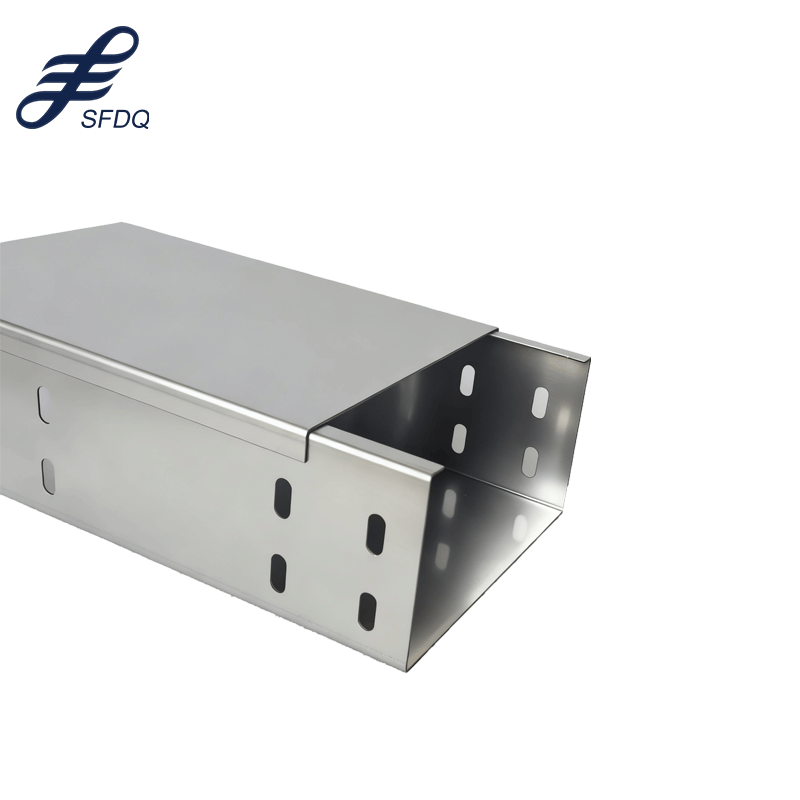
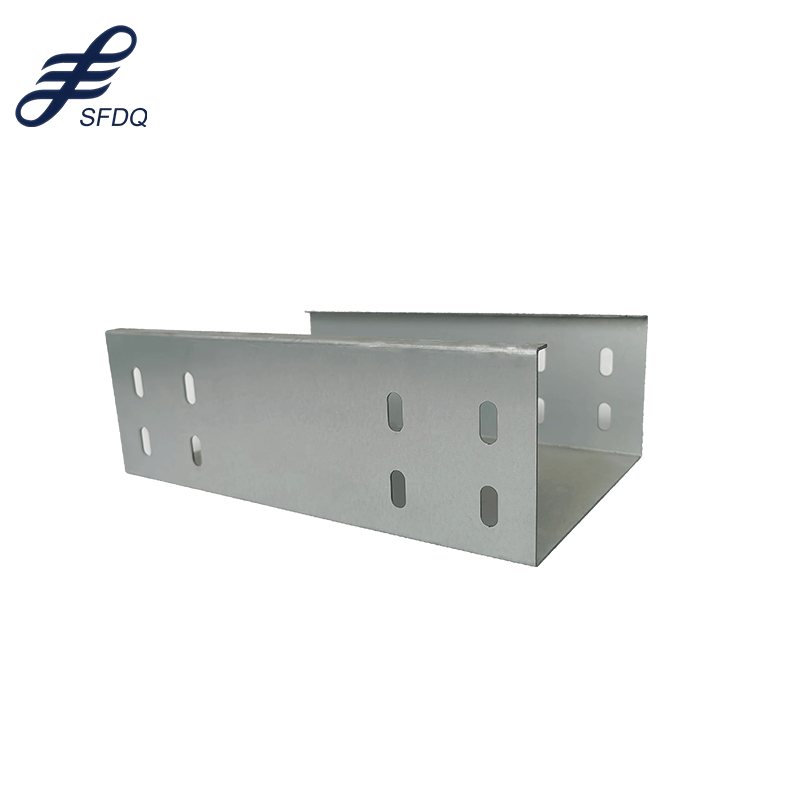
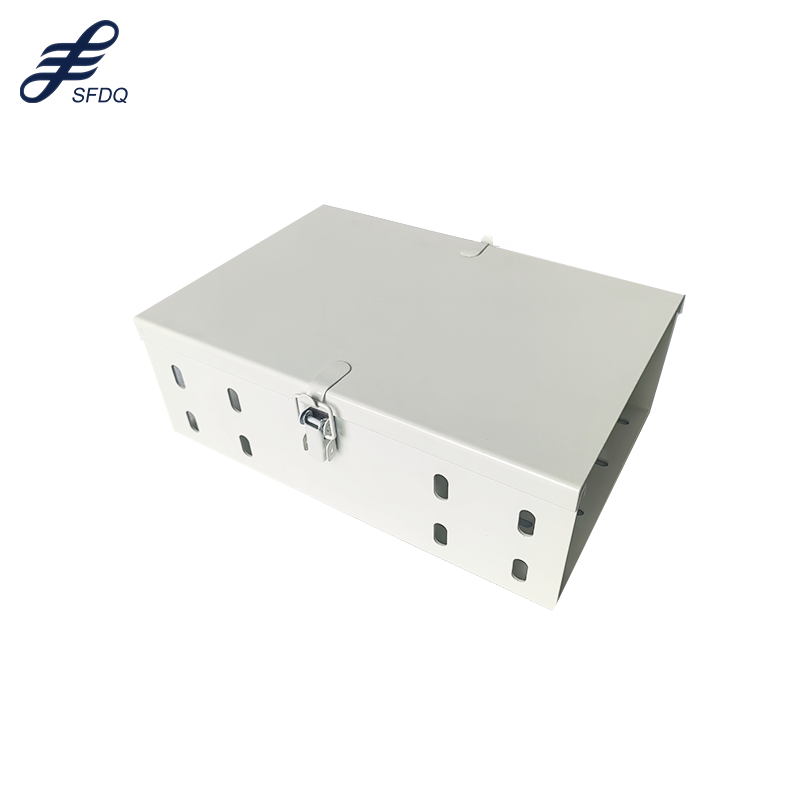
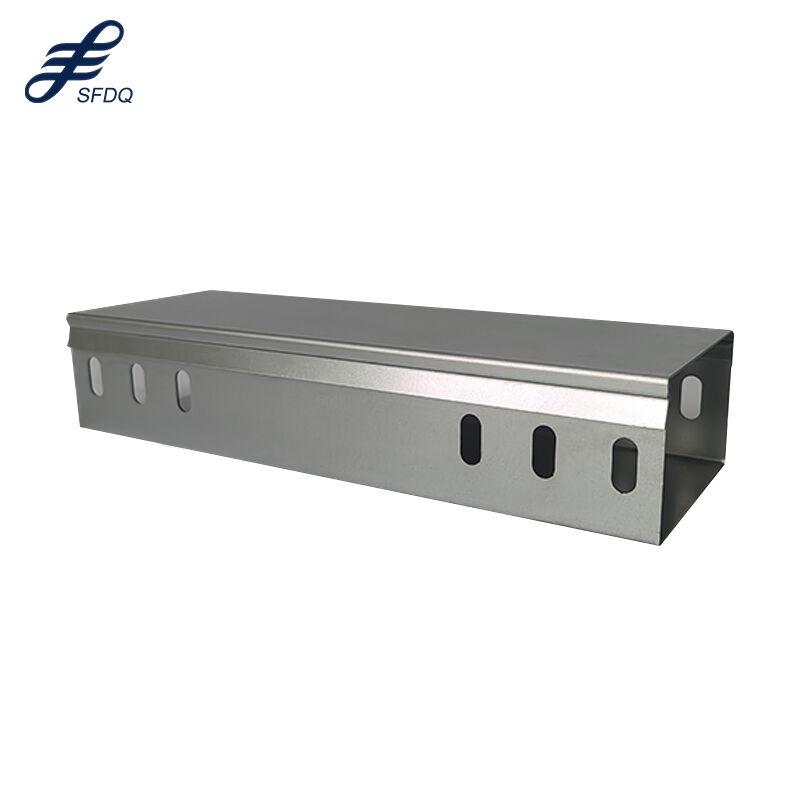
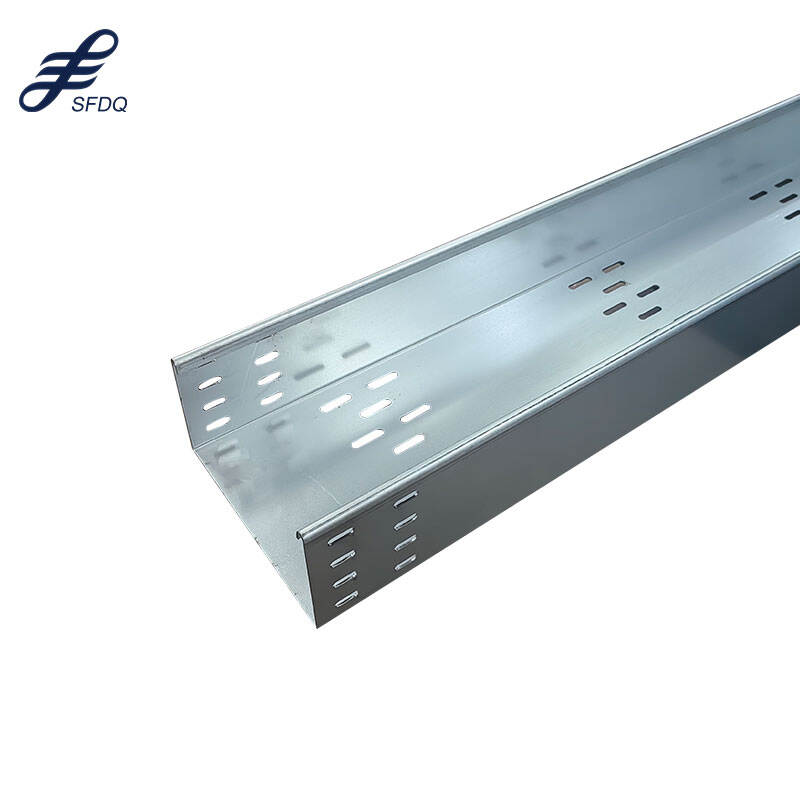
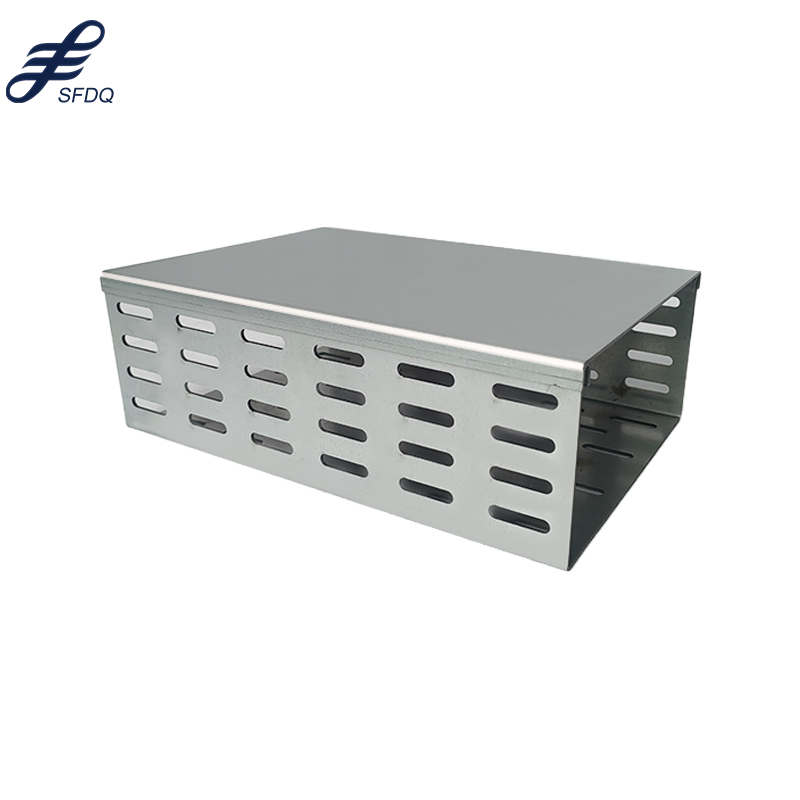
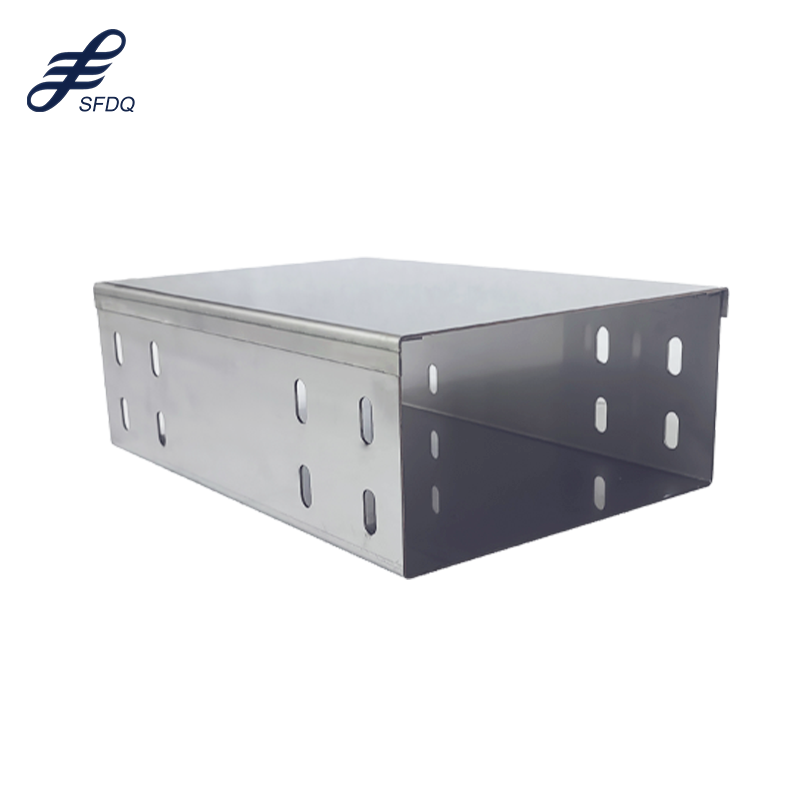
Perforated Metal Cable Tray: Advanced Cable Management Solutions for Industrial and Commercial Applications

Get a Free Quote

Our representative will contact you soon.
Email
Name
Company Name
WhatsApp
Message
0/1000

perforated metal cable tray

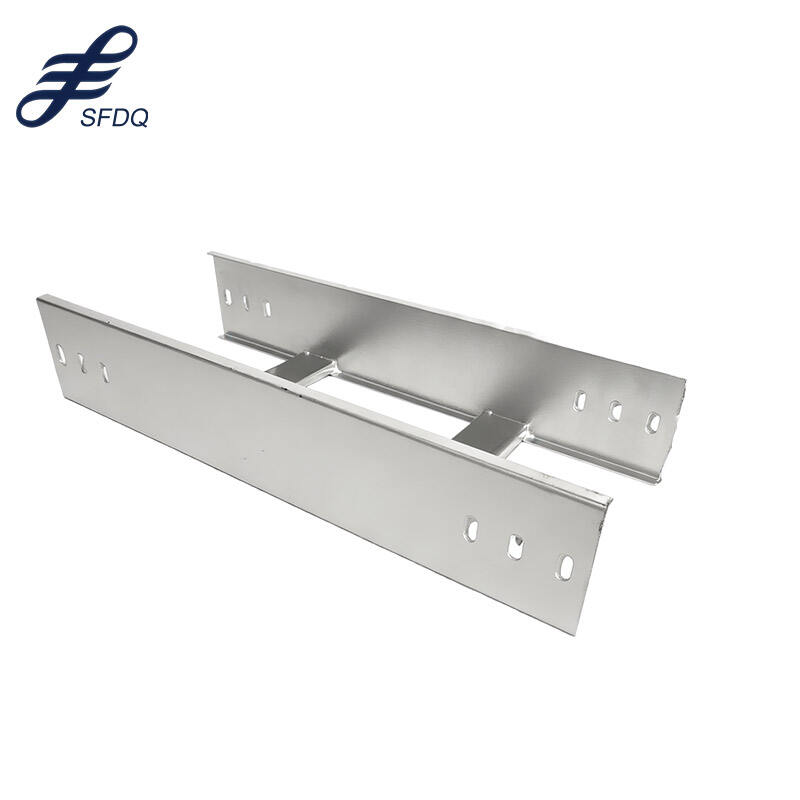
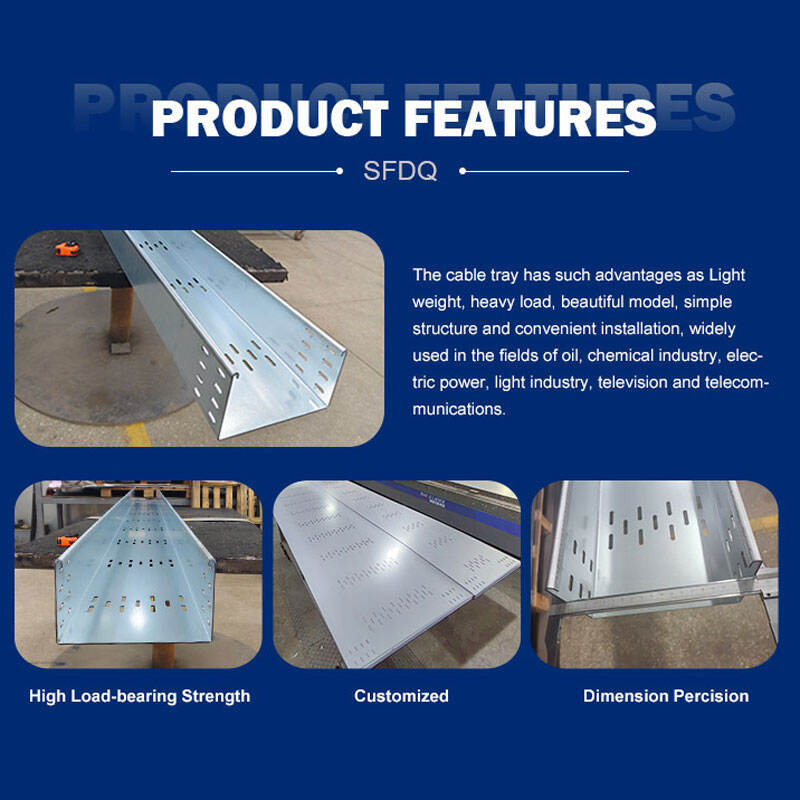
Perforated metal cable tray systems represent a revolutionary advancement in modern electrical infrastructure management, offering unparalleled versatility and performance for diverse industrial and commercial applications. These innovative cable management solutions feature precisely engineered perforations throughout their metallic structure, creating a sophisticated network of ventilation channels while maintaining exceptional structural integrity. The perforated metal cable tray incorporates advanced manufacturing techniques that ensure consistent hole patterns and optimal weight distribution, making it an ideal choice for environments requiring superior airflow management and heat dissipation. The primary function of a perforated metal cable tray extends beyond simple cable support, encompassing comprehensive protection against environmental hazards, electromagnetic interference reduction, and enhanced accessibility for maintenance operations. Technological features include corrosion-resistant coatings, precision-stamped perforations with uniform spacing, and modular design elements that facilitate seamless integration with existing infrastructure systems. The perforated metal cable tray demonstrates exceptional load-bearing capabilities while reducing overall system weight compared to solid alternatives, enabling cost-effective installation procedures and long-term operational efficiency. Applications span across telecommunications facilities, data centers, manufacturing plants, power generation stations, and commercial buildings where reliable cable organization proves essential for operational continuity. The versatile design accommodates various cable types including power transmission lines, fiber optic networks, control systems, and communication cables within a single unified framework. Advanced surface treatments ensure compatibility with harsh environmental conditions, including exposure to chemicals, moisture, temperature fluctuations, and mechanical stress factors commonly encountered in industrial settings.

Popular Products

The perforated metal cable tray delivers substantial cost savings through reduced material consumption and simplified installation processes that minimize labor requirements and project timelines. Installation teams appreciate the lightweight construction that eliminates the need for heavy lifting equipment while maintaining structural stability under demanding load conditions. The strategic perforation pattern promotes exceptional air circulation around cables, preventing overheating issues that commonly plague solid tray systems and extending cable lifespan significantly. Maintenance personnel benefit from enhanced visibility through the perforations, enabling quick identification of potential problems without requiring tray removal or extensive disassembly procedures. The perforated design substantially reduces accumulation of dust, debris, and moisture that typically compromise cable performance in enclosed systems, resulting in improved reliability and reduced maintenance costs over the product lifecycle. Electrical contractors find the modular components integrate seamlessly with existing cable management infrastructure, allowing for system expansion without major structural modifications or costly retrofitting procedures. The perforated metal cable tray accommodates easy cable routing changes and additions, providing flexibility that solid alternatives cannot match in dynamic operational environments. Superior electromagnetic interference shielding properties protect sensitive electronic equipment from signal degradation while maintaining optimal performance levels across connected systems. The open design facilitates compliance with fire safety regulations by allowing heat dissipation and preventing fire spread along cable pathways, enhancing overall building safety standards. Environmental sustainability benefits include recyclable materials and reduced manufacturing energy consumption compared to alternative cable management solutions. Facility managers appreciate the reduced space requirements and improved aesthetics that complement modern architectural designs without compromising functionality. The perforated structure enables easy integration of cable identification systems, labeling, and monitoring equipment that streamline ongoing operational management tasks. Long-term durability ensures minimal replacement costs while providing consistent performance under varying environmental conditions and operational demands.

Practical Tips

​Cable Tray: The Backbone of Efficient Cable Management - From SFDQ Factory

20

Nov

​Cable Tray: The Backbone of Efficient Cable Management - From SFDQ Factory

View More
Why Choose SFDQ’s Cable Tray?

20

Nov

Why Choose SFDQ’s Cable Tray?

View More
Unlock the Power of Factory Cable Trays with CE and ISO Certifications

20

Nov

Unlock the Power of Factory Cable Trays with CE and ISO Certifications

View More
SFDQ Participates in Saudi Exhibitions

05

Dec

SFDQ Participates in Saudi Exhibitions

Bringing High-Quality Cable Trays to Deepen Presence in the Middle East Infrastructure Market​
View More

Get a Free Quote

Our representative will contact you soon.
Email
Name
Company Name
WhatsApp
Message
0/1000

perforated metal cable tray

Advanced Ventilation Technology for Optimal Cable Performance

Advanced Ventilation Technology for Optimal Cable Performance

The perforated metal cable tray incorporates cutting-edge ventilation technology that revolutionizes cable thermal management through precisely engineered perforation patterns designed to maximize airflow efficiency. This innovative approach addresses the critical challenge of heat buildup that commonly affects cable systems in demanding operational environments, where excessive temperatures can lead to premature cable failure, reduced transmission efficiency, and costly system downtime. The strategic placement and sizing of perforations create optimal air circulation pathways that naturally dissipate heat generated by high-current cables and electronic equipment, maintaining safe operating temperatures without requiring additional cooling systems or energy-intensive ventilation equipment. Engineering analysis demonstrates that the perforated design reduces cable operating temperatures by up to thirty percent compared to solid tray alternatives, directly translating to extended cable lifespan and improved system reliability. The ventilation system operates through passive convection principles, eliminating the need for mechanical cooling components that introduce additional maintenance requirements and potential failure points. This natural cooling approach provides consistent performance across varying ambient conditions while reducing overall energy consumption and operational costs. The perforated metal cable tray design prevents the formation of hot spots that commonly develop in enclosed cable systems, ensuring uniform temperature distribution throughout the entire cable run. Advanced computational fluid dynamics modeling guides the perforation pattern optimization, ensuring maximum cooling efficiency while maintaining structural integrity under specified load conditions. The enhanced thermal management capabilities enable higher cable density installations without compromising safety standards or performance requirements, maximizing infrastructure utilization and reducing installation costs. Facility operators benefit from reduced risk of thermal-related failures and the associated costs of emergency repairs, system downtime, and equipment replacement that result from overheating incidents.
Exceptional Structural Integrity with Lightweight Design Benefits

Exceptional Structural Integrity with Lightweight Design Benefits

The perforated metal cable tray achieves remarkable structural performance through advanced engineering principles that optimize material distribution while maintaining superior load-bearing capabilities in a lightweight framework. This innovative design approach utilizes high-strength steel alloys processed through precision manufacturing techniques that create uniform perforations without compromising the tray's fundamental structural properties or load distribution characteristics. Engineering calculations demonstrate that the perforated design maintains over ninety percent of solid tray strength while reducing overall weight by approximately twenty-five percent, enabling more efficient installation procedures and reduced structural support requirements. The strategic perforation pattern distributes mechanical stresses evenly across the tray surface, preventing stress concentration points that commonly lead to fatigue failures in conventional cable management systems. Advanced finite element analysis guides the optimization of perforation size, spacing, and arrangement to achieve maximum strength-to-weight ratios while accommodating diverse installation requirements and environmental conditions. The lightweight characteristics significantly reduce installation labor requirements and eliminate the need for heavy lifting equipment in many applications, resulting in faster project completion times and reduced safety risks for installation personnel. Structural testing confirms that the perforated metal cable tray exceeds industry standards for deflection limits, impact resistance, and long-term durability under specified load conditions and environmental exposures. The optimized design enables longer spans between support points, reducing the number of mounting brackets and associated hardware required for installation, which directly translates to material cost savings and simplified installation procedures. Quality manufacturing processes ensure consistent perforation geometry and spacing throughout each tray section, maintaining uniform structural properties and predictable performance characteristics across the entire cable management system. The enhanced structural efficiency allows for higher cable loading capacities while maintaining compliance with relevant safety codes and installation standards, maximizing infrastructure utilization and return on investment.
Superior Accessibility and Maintenance Efficiency Features

Superior Accessibility and Maintenance Efficiency Features

The perforated metal cable tray design incorporates unparalleled accessibility features that streamline maintenance operations, cable modifications, and system troubleshooting through enhanced visibility and simplified access to installed cables and connections. This innovative approach addresses the significant challenges faced by maintenance personnel when working with traditional enclosed cable management systems, where limited visibility and restricted access often result in extended downtime, increased labor costs, and potential damage to existing installations during service operations. The strategic perforation pattern provides clear sight lines to cables, connections, and potential problem areas without requiring tray removal or extensive disassembly procedures, enabling rapid identification and resolution of issues that could otherwise escalate into major system failures. Maintenance teams benefit from the ability to perform visual inspections, cable tracing, and condition assessments efficiently, reducing the time and effort required for routine maintenance tasks while improving the overall reliability of cable systems. The open design facilitates easy cable addition, removal, and rerouting operations that accommodate changing operational requirements and system expansions without major infrastructure modifications or costly retrofitting procedures. Advanced cable management becomes significantly more efficient through the enhanced accessibility provided by the perforated structure, allowing technicians to implement proper cable routing practices, maintain adequate separation between different cable types, and ensure compliance with relevant electrical codes and standards. The perforated metal cable tray design enables effective implementation of cable identification and labeling systems that remain visible and accessible throughout the system lifecycle, supporting efficient troubleshooting and modification procedures. Emergency repair operations benefit tremendously from the improved access capabilities, enabling rapid response to critical failures while minimizing system downtime and associated operational losses. The open architecture supports integration of monitoring equipment, sensors, and diagnostic tools that enhance preventive maintenance programs and early detection of potential problems before they impact system performance or reliability.
Inquiry Inquiry Email Email Tel Tel TopTop

Get a Free Quote

Our representative will contact you soon.
Email
Name
Company Name
WhatsApp
Message
0/1000