Exceptional Corrosion Resistance Through Advanced Galvanization Process
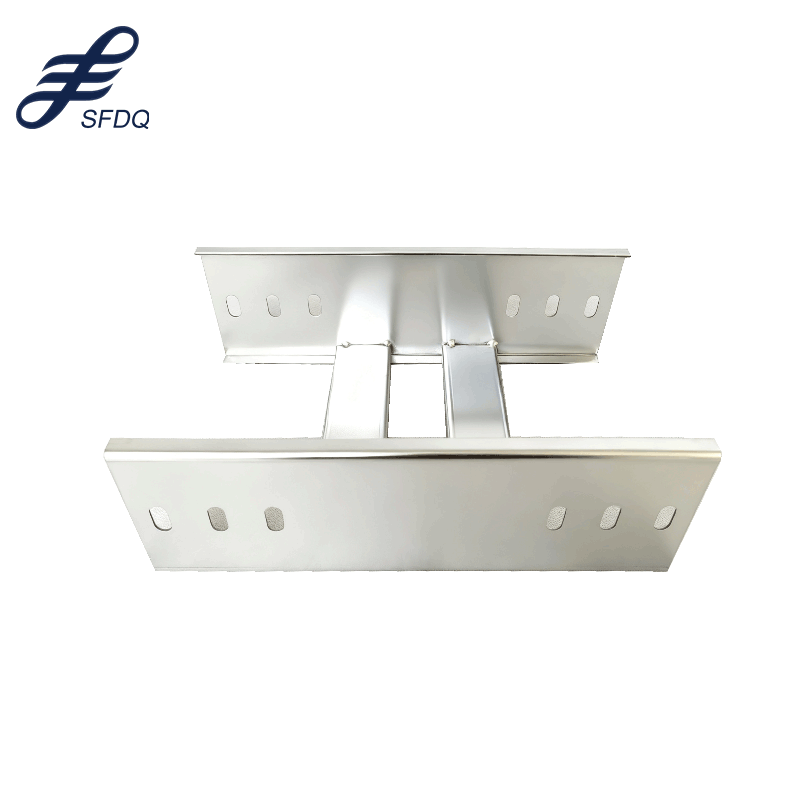
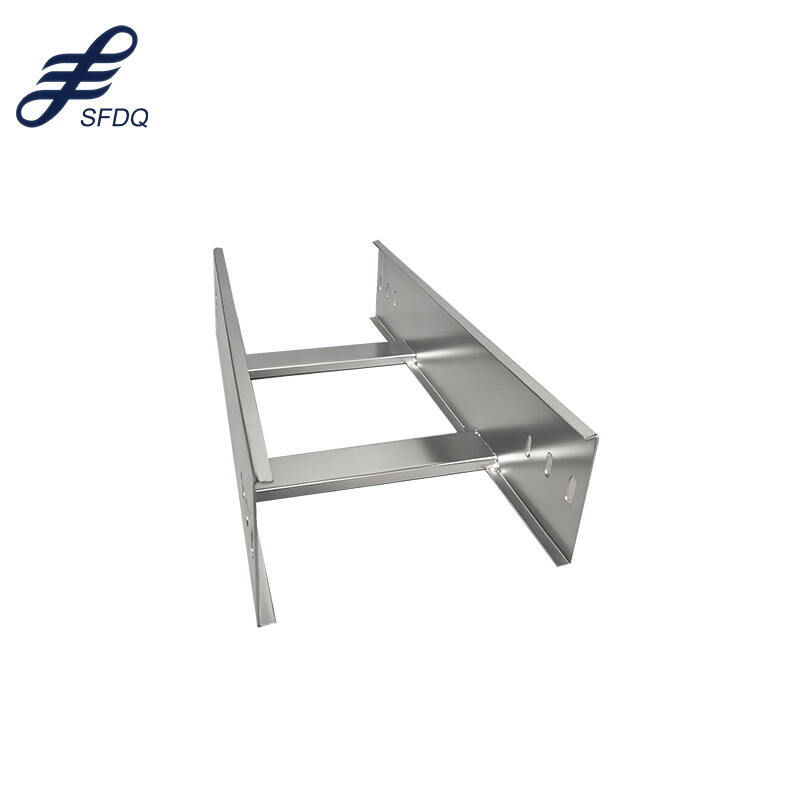
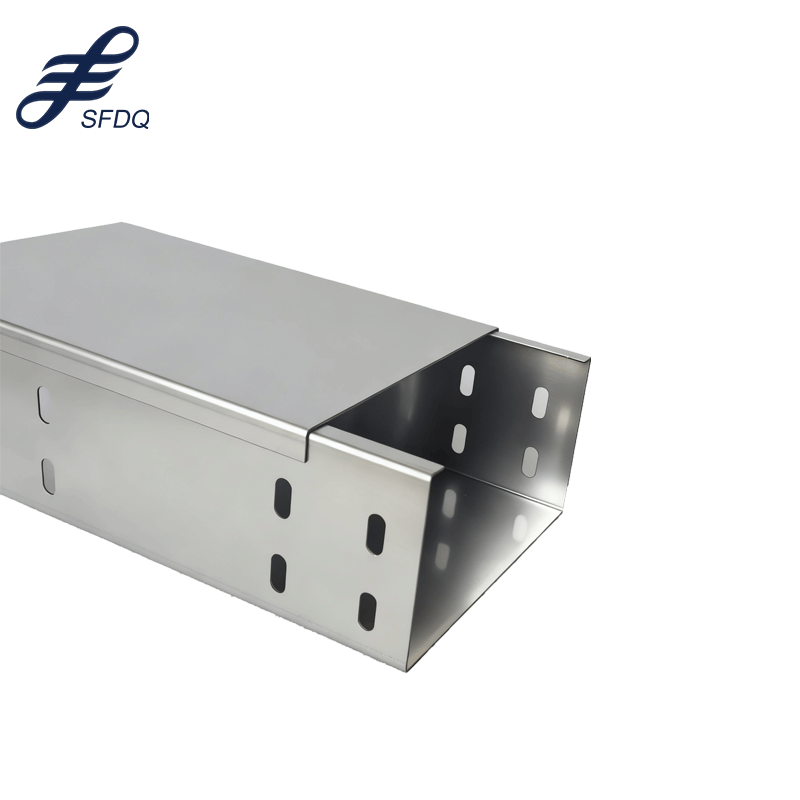
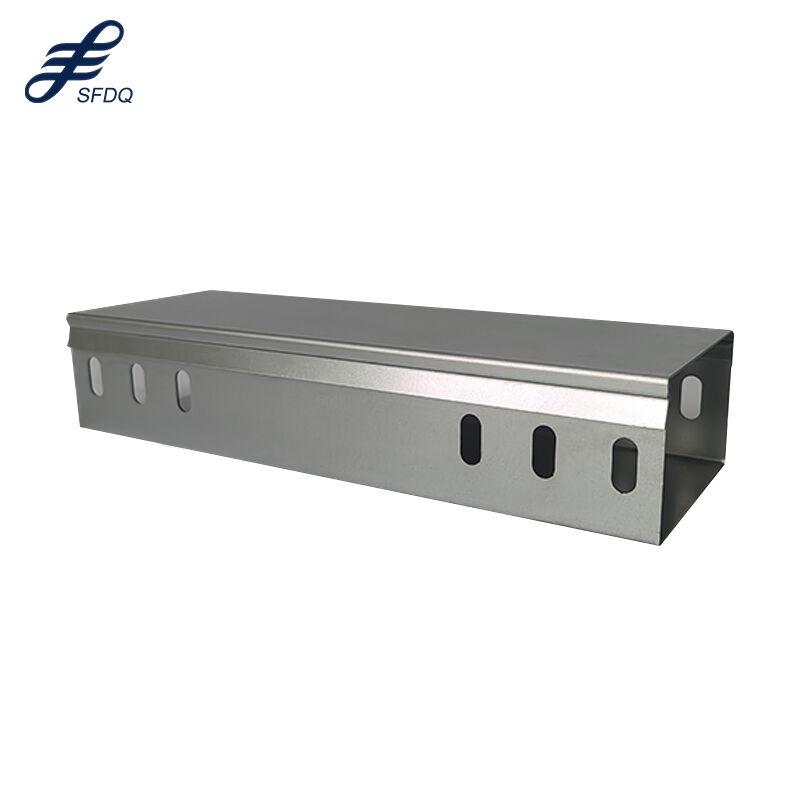
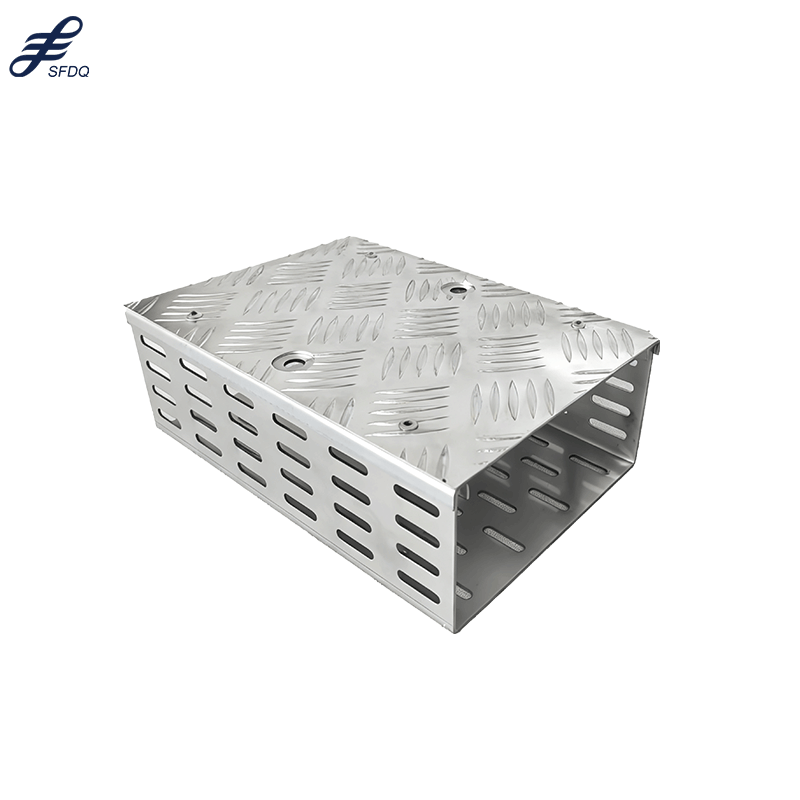
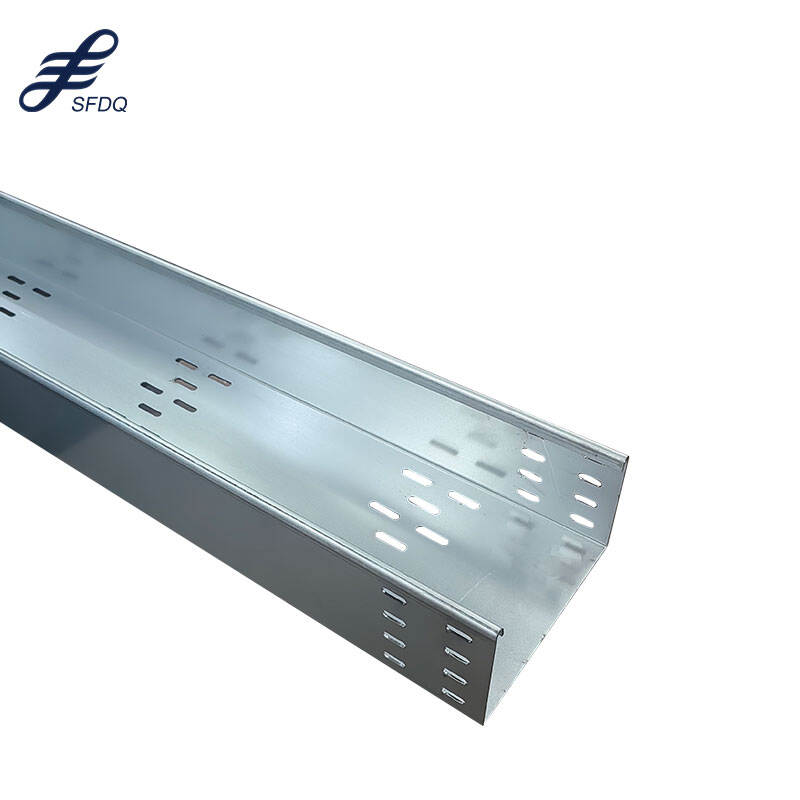
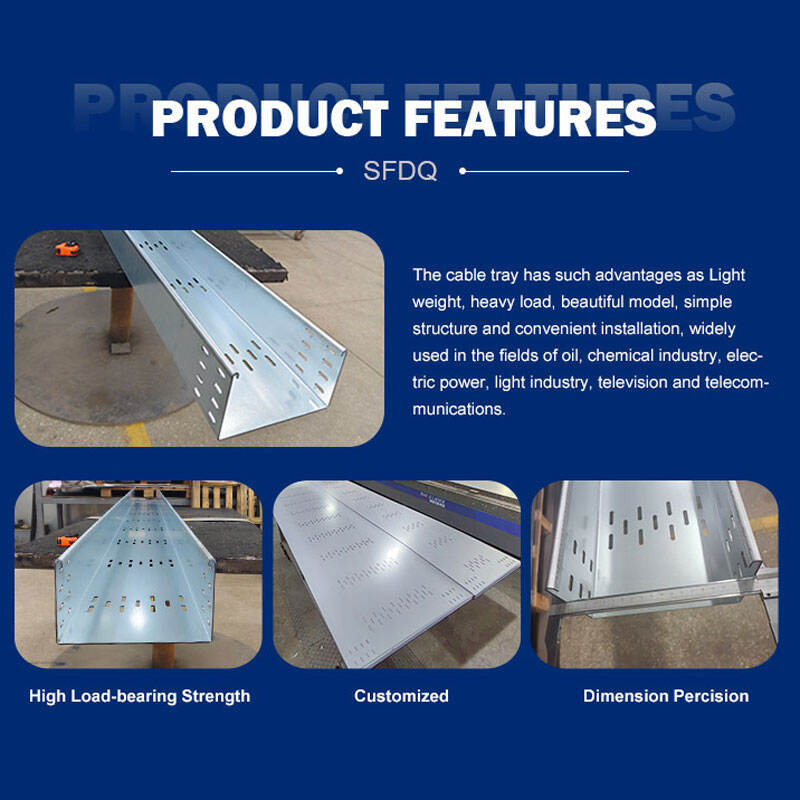
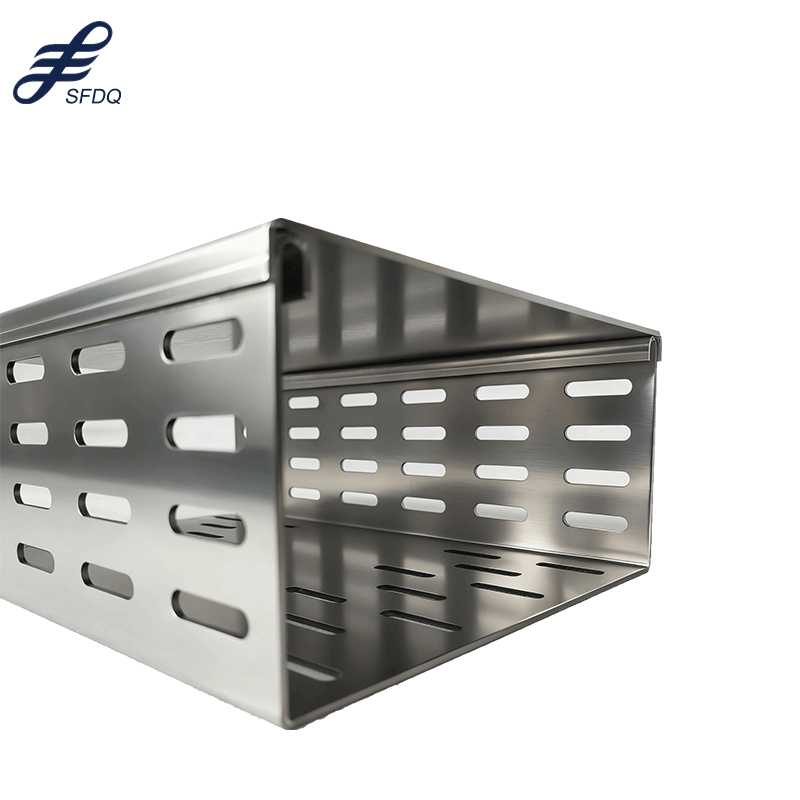
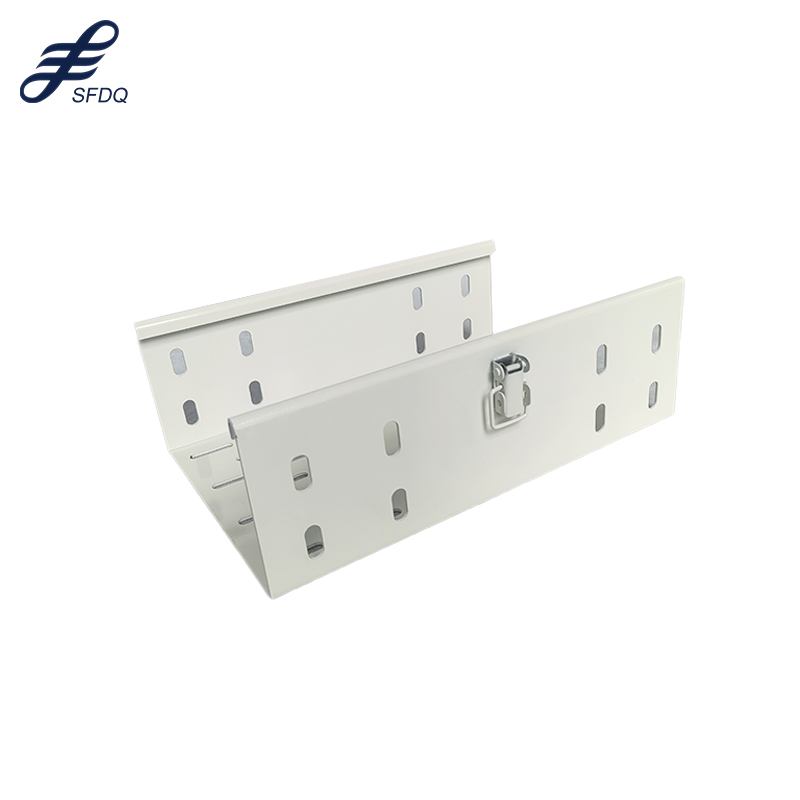
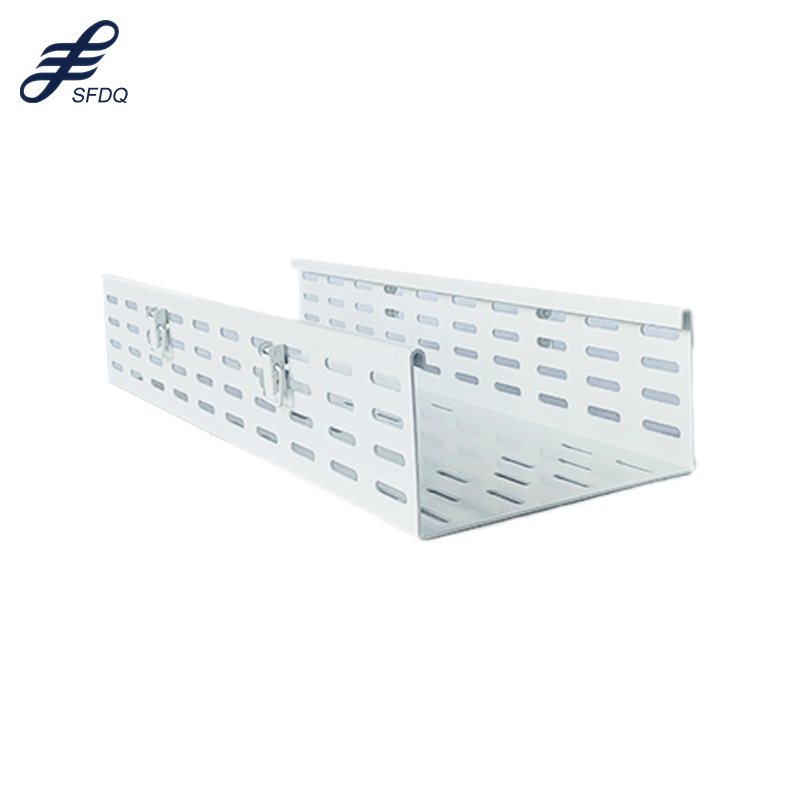
The perforated gi cable tray features state-of-the-art galvanization technology that provides unmatched corrosion resistance and longevity in demanding environmental conditions. The galvanization process involves applying a protective zinc coating to the iron substrate through hot-dip galvanizing, creating a metallurgical bond that forms multiple layers of zinc-iron alloys. This sophisticated coating system provides both barrier protection and sacrificial protection, ensuring comprehensive defense against corrosion mechanisms. The barrier protection prevents moisture and corrosive elements from reaching the underlying iron structure, while the sacrificial protection means that even if the coating is damaged, the zinc will corrode preferentially to protect the iron substrate. This dual-protection mechanism makes the perforated gi cable tray exceptionally suitable for outdoor installations, coastal environments, industrial facilities with chemical exposure, and other challenging conditions where standard materials would fail prematurely. The galvanization process used for manufacturing these cable trays meets international quality standards, ensuring consistent coating thickness and adherence across all surfaces, including the intricate perforation edges. This attention to detail is crucial because perforation edges represent potential weak points where corrosion could initiate. The advanced galvanization process ensures that these edges receive adequate coating coverage, maintaining the integrity of the entire tray system. Quality control measures throughout the galvanization process include coating thickness testing, adherence verification, and visual inspection to guarantee that each perforated gi cable tray meets stringent performance specifications. The resulting product demonstrates exceptional resistance to atmospheric corrosion, chemical attack, and mechanical wear, providing decades of reliable service with minimal maintenance requirements. This corrosion resistance translates directly to cost savings for facility owners through reduced replacement costs, lower maintenance expenses, and improved system reliability. The galvanized coating also maintains its protective properties over time, ensuring that the perforated gi cable tray continues to provide excellent corrosion resistance throughout its extended service life.
 EN
EN