Intelligent Remote Monitoring and Management
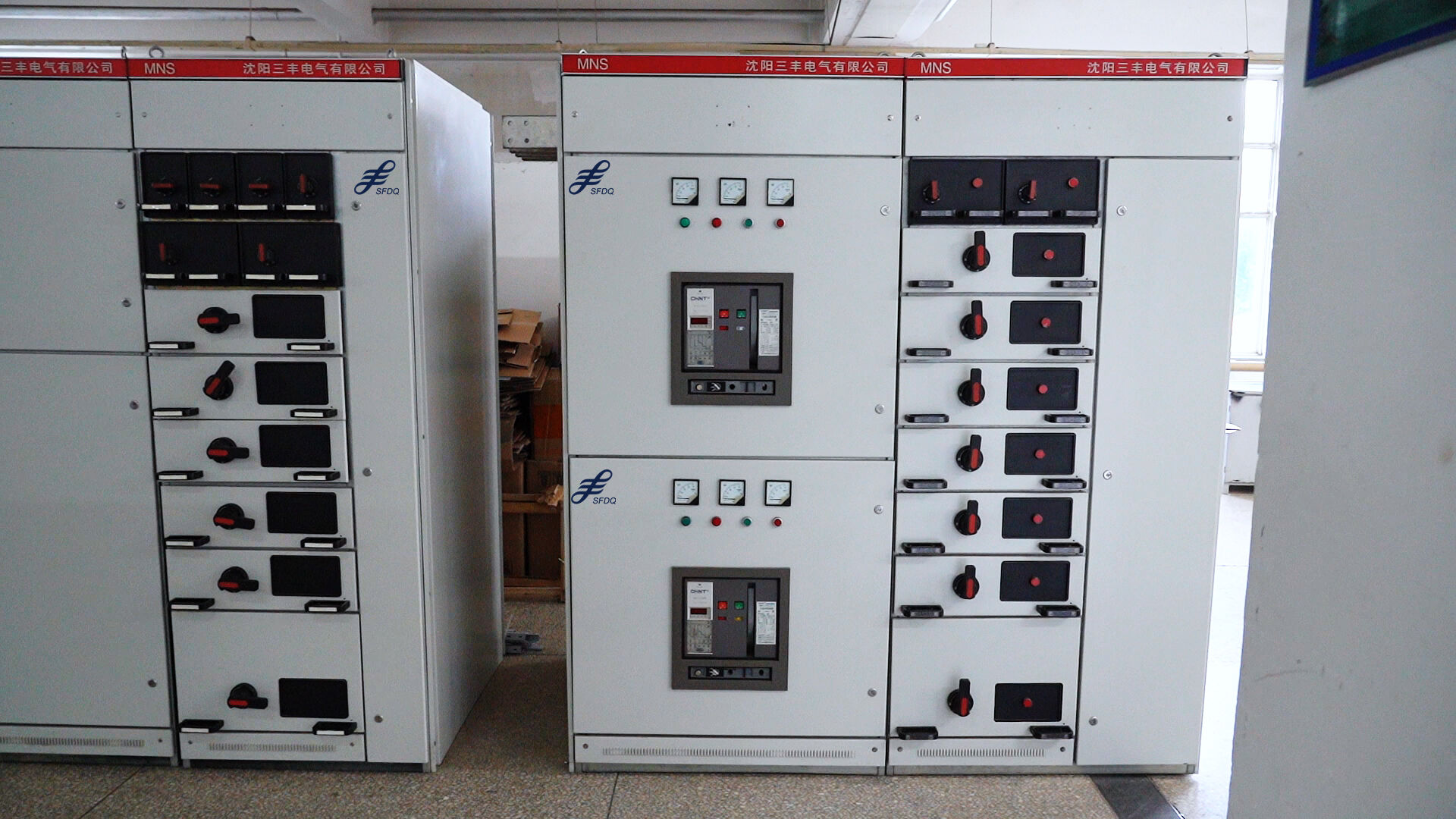
Modern street distribution cabinets incorporate cutting-edge remote monitoring technology that revolutionizes how utility companies manage their distribution networks. These intelligent systems feature comprehensive sensor arrays that continuously track critical parameters including power consumption, temperature levels, humidity readings, door security status, and equipment performance metrics. The integrated communication modules utilize cellular, fiber optic, or wireless mesh networks to transmit real-time data to central control centers, enabling operators to monitor hundreds of cabinets simultaneously from a single location. Advanced analytics software processes this information to identify patterns, predict potential failures, and generate automated alerts when parameters exceed predetermined thresholds. This proactive monitoring capability allows maintenance teams to address issues before they impact customer service, significantly reducing unplanned outages and emergency repair costs. The remote management features include the ability to perform diagnostic tests, configure settings, and even control certain switching operations without dispatching field personnel. Historical data collection provides valuable insights for capacity planning, load balancing, and infrastructure optimization decisions. The monitoring system also enhances security by detecting unauthorized access attempts and providing immediate notifications to security personnel. Integration with existing utility management systems ensures seamless data flow and consistent reporting across the entire network infrastructure, enabling better decision-making and resource allocation.
 EN
EN