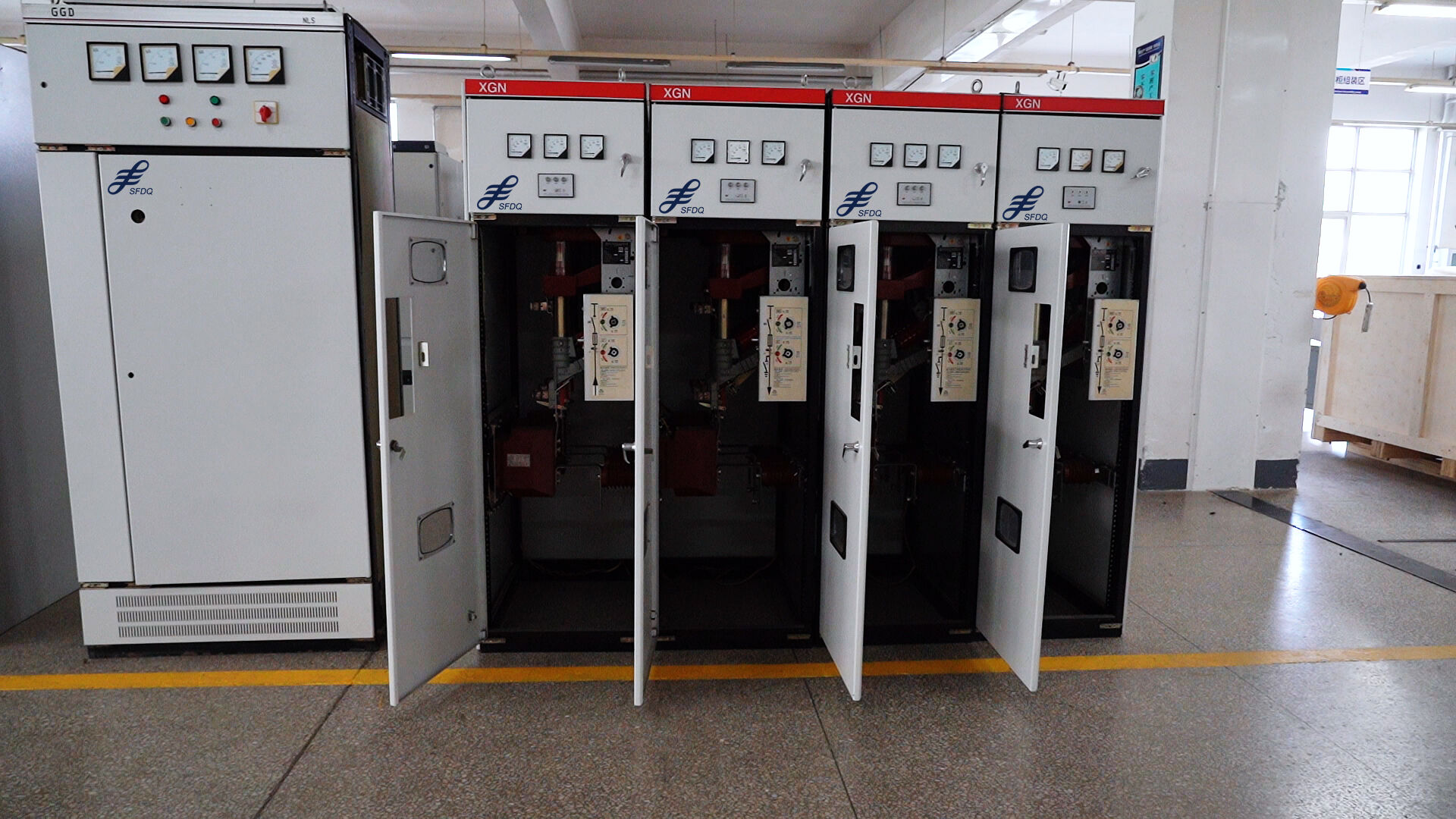
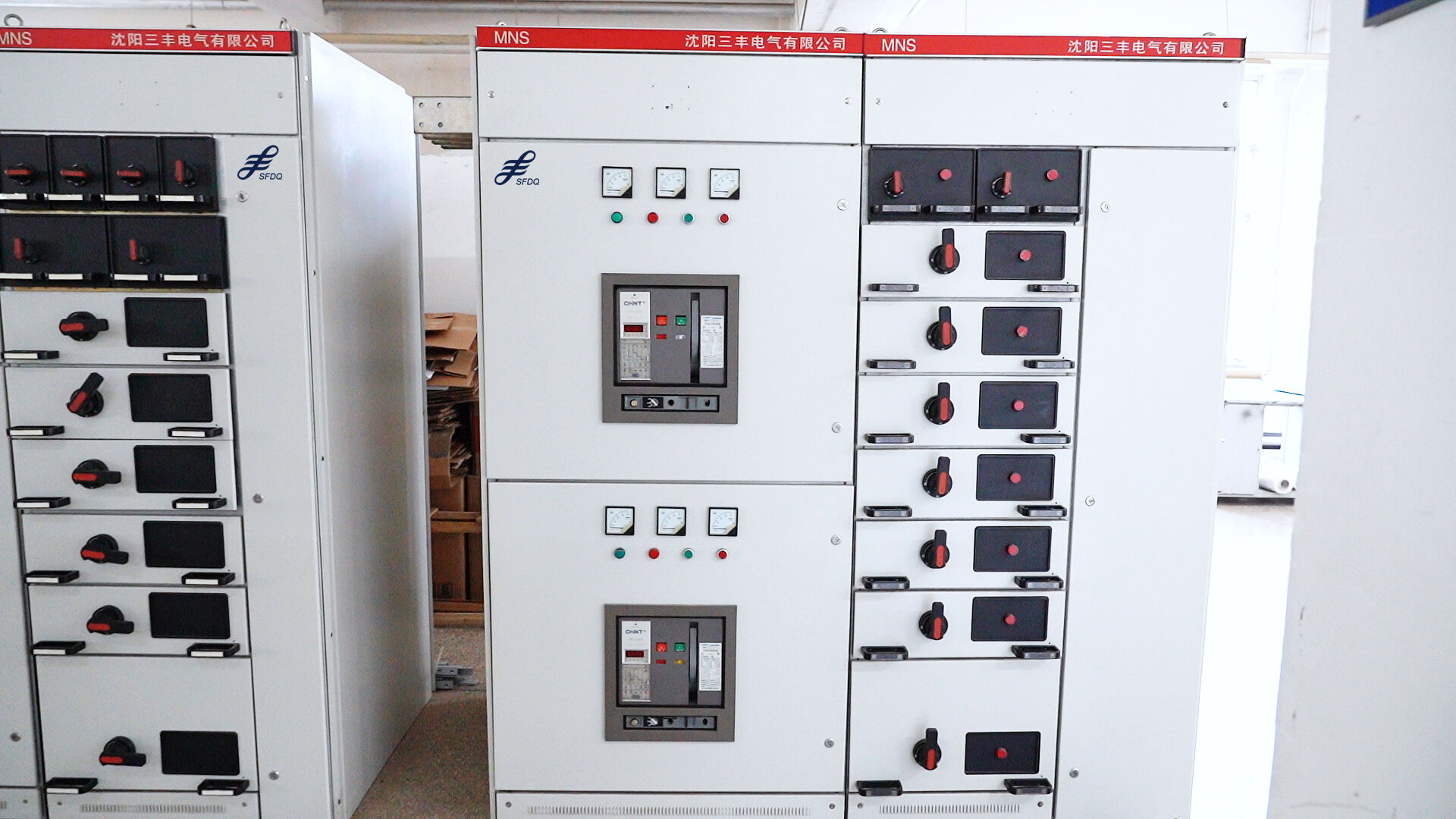
low voltage distribution cabinet
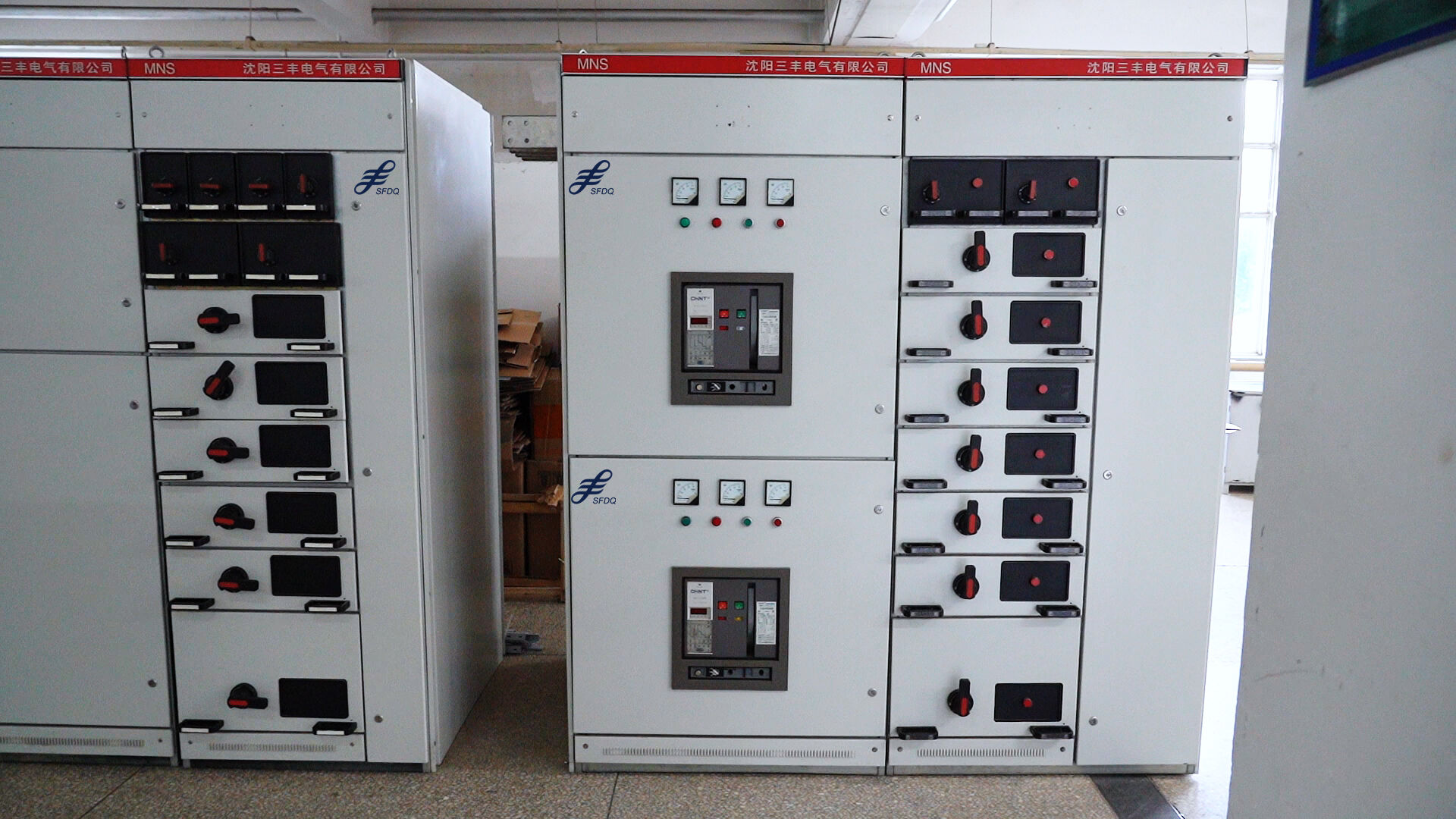
A low voltage distribution cabinet serves as the central nervous system for electrical power distribution in commercial, industrial, and residential facilities. This essential electrical equipment manages and controls the distribution of electricity from the main power source to various circuits and loads throughout a building or facility. The low voltage distribution cabinet operates at voltages typically below 1000V AC or 1500V DC, making it safer and more manageable for standard applications. The cabinet houses multiple electrical components including circuit breakers, contactors, relays, meters, and protection devices, all integrated within a robust metal enclosure that provides both safety and accessibility for maintenance personnel. Modern low voltage distribution cabinets incorporate advanced monitoring systems that track power consumption, detect faults, and provide real-time data about electrical performance. These intelligent systems enable facility managers to optimize energy usage, reduce operational costs, and prevent unexpected downtime. The cabinet's modular design allows for flexible configuration based on specific power requirements and future expansion needs. Safety features include emergency shutdown capabilities, arc fault protection, and ground fault detection systems that automatically disconnect power when dangerous conditions are detected. The low voltage distribution cabinet also supports load balancing across multiple circuits, ensuring efficient power distribution and preventing overloading of individual components. Integration capabilities allow these cabinets to connect with building management systems, SCADA networks, and remote monitoring platforms. Environmental protection features shield internal components from dust, moisture, and temperature fluctuations, ensuring reliable operation in various industrial conditions. The cabinet's design meets international safety standards and electrical codes, providing compliance assurance for facility operators and regulatory authorities.
 EN
EN